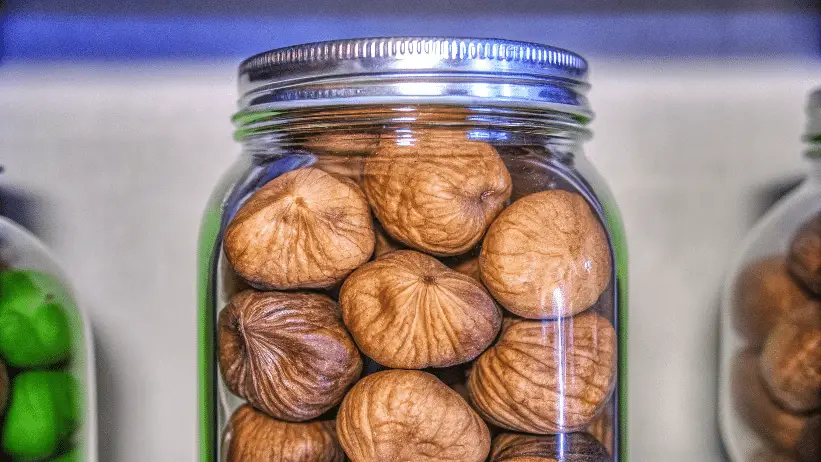
The humble fig, when dehydrated, transforms into a chewy, sweet, and nutrient-packed delight. Now, for food bloggers and home cooks alike, you can air fry figs to create delicious dried fruit snacks. The process of dehydrating figs in an air fryer has streamlined this transformation. By utilizing an air fryer’s consistent heat and airflow, dehydrated figs in air fryer become a convenient and innovative way to preserve and enjoy this ancient fruit as dried fruit.
In this article, we’ll present a recipe and practical guide for making dried fruit using an air fryer. We’ll dissect the steps necessary for perfectly dehydrated figs, various flavor twists to enhance your snack, and the best practices for storing them. Our focus is to provide you with a knowledgeable walkthrough, not only preserving the quality but also amplifying the taste of your figs.
Key Takeaways
Extended Shelf Life:Dehydrating figs extends their usability, offering a longer period to enjoy their sweetness.
Nutritional Preservation: Dehydrated figs retain most of their nutrition per serving (nutrition serving), typically measured per fig, making them a healthful snack option.
Air fryers work on the principle of circulating hot air to cook food. This method is remarkably suitable for like figs, as it ensures even distribution of heat and reduces the risk of burning. Modern air fryers often come with a dehydration function, or at least, a capability to set low temperatures necessary for this task.
Before we start, it’s crucial to ensure your air fryer can achieve the gentle temperatures needed, typically around 135°F, critical for replicating dehydrated figs in air fryer without cooking them. These same low, steady settings are what make it possible to dehydrate a variety of foods in an air fryer, from fruits and vegetables to jerky-style meats.
Drying times and results may vary based on the size and ripeness of the figs, as well as the specific air fryer model used, so it helps to consult a full guide on how long to dehydrate figs for different methods and textures.
Choosing the Right Figs
Selecting the best figs is the first step toward delicious, chewy dried figs. For optimal results, always start with fresh figs that are fully ripe—look for fruit with soft skin that may be just starting to crack, a sign that the natural sugars are at their peak. Ripe figs not only offer a sweeter flavor but also a tender texture, making them ideal for the dehydration process. Avoid any figs that show signs of bruising, mold, or blemishes, as these can negatively impact the quality and safety of your dried figs.
When it comes to varieties, black mission figs are a favorite for drying thanks to their small size, deep purple skin, and rich, sweet interior. White figs and brown figs are also excellent choices, each bringing their own unique flavor and color to your batch of dehydrated figs. Whether you’re harvesting from your own fig trees or picking up a basket at the market, choosing the right figs ensures your final product is both tasty and visually appealing.
Preparing Figs for Dehydration
Proper preparation is key to achieving perfectly dehydrated figs. Begin by gently washing your fresh figs in cold water to remove any dirt or debris. After rinsing, pat them dry thoroughly with a paper towel—removing excess moisture is essential to prevent mold during the drying process. Next, remove any stems or leaves from the figs.
Depending on your preference and the size of your figs, you can slice them in halves, quarters, or leave them whole. Smaller figs, such as black mission figs, are often ideal for drying whole, while larger varieties may need to be sliced to ensure they dry evenly. Use a sharp knife for clean, uniform cuts, which helps the figs dry at the same rate. Whether you choose whole figs or sliced, make sure each piece is dry and free of surface moisture before placing them in your dehydrator or air fryer.
Equipment and Tools
Having the right equipment makes the drying process smooth and efficient. A food dehydrator is the gold standard for making dried figs, as it provides consistent temperature and airflow for even drying, and understanding the differences between air fryers and dehydrators can help you choose the best tool for your kitchen. If you don’t have a dehydrator, an air fryer or an oven set to the lowest temperature can also do the job. For prepping your figs, a sharp knife is essential for slicing, and a wire rack or baking sheet lined with parchment paper helps keep the figs separated and allows air to circulate.
Once your figs are dried, store them in an airtight container, such as a glass jar, to maintain their freshness and extend their shelf life. If you enjoy figs, you might also like exploring other dehydrated fruit recipes for delicious snacks to stock your pantry with a variety of dried treats. These tools and containers are easy to find and make the process of drying and storing figs simple and effective.
Step-by-Step Guide to Dehydrating Figs
Here is a meticulous guide designed to walk you through every phase of dehydrating figs in an air fryer:
Preparation: Begin by thoroughly washing the figs (figs wash) to remove any dirt or debris. Remove the stems (figs remove), and slice the figs uniformly for consistent dehydration. If your figs have thick skins, you can blanch them in boiling water for 30 seconds and then transfer to an ice bath to help them dry faster. Note that quartered figs will take longer to dehydrate than halves or smaller pieces (quartered figs). For color preservation, toss fig slices in a light lemon water bath before drying.
Air Fryer** Arrangement:** Place figs in the air fryer basket in a single layer, cut side up (place figs), ensuring sufficient space for airflow so the figs dry evenly. If using a dehydrator, arrange the figs on dehydrator trays, which can also be used as cooling racks after drying.
Temperature Settings: Preheat your air fryer to 375°F. For a quick method, air fry the figs at 380°F for about eight minutes, or until they are dry and wrinkled. For full dehydration, set your air fryer to the dehydration setting or manually adjust it to about 135°F. Drying time can range from 8 hours (in a dehydrator) to 10-12 hours (in air fryer), depending on the air fryer, fig size, and preparation. Sliced figs dehydrate more thoroughly than whole figs.
Dehydration Time & Monitoring: After the first 3-4 hours, check the figs hourly to monitor the drying process. Rotate or turn the figs as needed to ensure the figs dry evenly on all sides. Figs are done when they are wrinkled, leathery, slightly pliable, and no moisture beads appear on the surface when squeezed.
Cooling & Storage: Allow the figs to cool completely before storing them in an airtight container to preserve freshness.
Additional Methods:
For oven dehydration, preheat to 200°F and arrange figs on a parchment-lined baking sheet. If you don’t own a dehydrator, there are many creative ways to dehydrate food without a dehydrator, including using your oven, sun, or other household tools.
When using a food dehydrator, set to 135°F and check the figs after 12 hours. If counter space is limited, a hanging dehydrator for preserving food can also be a practical, low-energy option for drying figs and other produce.
To air dry figs, thread them onto wooden skewers or place them on a wire rack in a warm, dry place. You can use similar low-heat techniques to dry herbs in an air fryer, making the most of your appliance for pantry staples beyond fruit.
This method stands out for its simplicity yet requires vigilance to avoid over-dehydrating, which may compromise the texture of the figs.
Safety Precautions
Safety is paramount when drying figs to ensure a tasty and long-lasting result. Always wash your hands thoroughly before handling figs, and make sure all equipment—whether it’s a dehydrator, oven, or air fryer—is clean and sanitized. Follow the manufacturer’s instructions for temperature and drying time, and keep a close eye on your figs as they dry to prevent over-drying, which can diminish both flavor and nutrients.
Once dried, store your figs in an airtight container and keep them in a cool, dark place, away from direct sunlight and moisture. This helps preserve their shelf life and keeps your dried figs safe and delicious for months to come.
Storing Dehydrated Figs
After dehydrating your figs, allow them to cool completely. This step is pivotal as residual heat can cause condensation, leading to moisture accumulation.
To store dried figs, place them in airtight containers or Mason jars in a cool, dark place for up to 6 months. Properly dehydrated figs will last for up to 6 months in a dark space in a tightly sealed glass jar. The best way to store dried figs is in an airtight container, out of direct sunlight, preferably in a dark place. Dried figs can also be stored in the refrigerator for even longer shelf life.
For long term storage, freeze dried figs or add an oxygen absorber to your container to extend storage up to 1-2 years. Whole figs do not keep as long as halved or quartered figs due to higher moisture content.
Subsequently, store your dehydrated figs in an airtight container, and place them in a cool, dry environment to preserve freshness.
Using Dehydrated Figs
Dehydrated figs are a versatile and delicious addition to your pantry. Enjoy them as a wholesome snack straight from the jar, or add them to oatmeal, yogurt, or salads for a boost of natural sweetness and nutrition. They’re also perfect for making homemade fig jam or as a flavorful topping for goat cheese and crackers, and there are countless sweet and savory recipes using dried figs if you’d like more inspiration.
Store your dried figs in an airtight container to keep them fresh for up to six months. If you want to use them in recipes that call for softer fruit, simply soak the dried figs in water or another liquid for a few hours to rehydrate them. With their natural sugars and wholesome ingredients, dehydrated figs are a delicious way to add flavor and nutrition to a wide variety of dishes.
Nutritional Benefits of Dehydrated Figs
Figs are a veritable treasure trove of nutrients, including dietary fiber, minerals like calcium and potassium, along with vitamins — mainly A, B, and K. Dehydration preserves most of these elements, ensuring that dehydrated figs in air fryer are not only delicious but also a powerhouse of nutrition.
Can You Dehydrate Figs Using an Air Fryer?
Yes, dehydrating figs using an air fryer is not only possible but incredibly efficient. While you can air fry figs to dehydrate them, dehydrating figs in a dehydrator is easy and preserves them for a naturally sweet treat any time of year. Modern air fryers are equipped with precise temperature control settings that allow for consistent low heat, essential for the dehydration process. This method ensures that the figs lose moisture slowly, preserving their natural flavors and nutritional content without the risk of burning or uneven dehydration that can occur in traditional ovens, and a broader guide to dehydrating foods in an air fryer can help you fine-tune times and temperatures for many ingredients.
When using an air fryer, it’s crucial to prepare the figs properly. This involves washing them thoroughly, cutting them into uniform slices to ensure even drying, and arranging them in a single layer in the air fryer basket to allow for optimal air flow around each piece. Once you master figs, you can apply similar steps to dry bananas in an air fryer for crispy, naturally sweet chips.
FAQs
Can all air fryers be used for dehydrating figs?
While many modern air fryers come equipped with a dehydration function, it’s important to confirm that your model can maintain the low, steady temperatures required for dehydration
Advanced Tips and Techniques
To ensure perfect dehydration each time, it’s key to slice figs evenly and to monitor them closely as they approach the latter stages of drying. If you’re using green figs, especially those with softer skins, you can often skip the blanching step—these figs dehydrate well and make a naturally sweet snack. For those without an air fryer that has a dehydration function, a conventional oven, set at the lowest temperature, can act as a makeshift dehydrator
In conclusion, producing dehydrated figs in an air fryer combines modern convenience with traditional food preservation techniques. We encourage our readers to get experimental, whether by trying different spice combinations or varying the thickness of your sliced figs, culminating in a pleasurable snacking experience that is rooted in nutritional goodness.
DannyContent Writer
Hey there, since 2016, my mission has been to provide you with the information and guides you need to make food dehydrating simple and fun. Whether you're a newbie or a seasoned pro, my site offers helpful guides, reviews, and recipes to enhance your dehydrating experience. I take pride in only recommending products I believe in, ensuring my readers' trust. As an affiliate of various programs, including Amazon Associates, your support helps me continue providing quality content. Thanks for stopping by, and happy dehydrating!