We earn a commission if you make a purchase, at no additional cost to you.
09/22/2026 04:39 pm GMT
🍊 Dehydrated Food Info Finder — Temperatures & Drying Times
Choose a category, then pick a food to see its drying temperature and time.
⚠️ Safety Disclaimer: Drying times are estimates and vary based on slice thickness, food moisture content, humidity, and your dehydrator model. Always check for doneness before storing — food should feel dry, leathery, or brittle with no moist spots. Improperly dried food can harbour mould and bacteria. For meat and poultry, follow USDA safe internal temperature guidelines: beef and pork to 160°F (71°C), poultry to 165°F (74°C). Use a food thermometer when in doubt. Store all dehydrated foods in airtight containers in a cool, dark place and discard anything showing moisture, mould, or off odours.
Dehydrated Eggs Shelf Life: How Long Do Egg Powders Really Last?
Whether you raise your own chickens, stock an emergency pantry, or just want a backup for baking day, understanding dehydrated eggs shelf life is essential before you invest in cans, pouches, or a home dehydrator. The numbers vary wildly depending on the type of egg product, how it was processed, and where you store it. This guide breaks down exactly how long each kind of dried egg lasts, what shortens that window, and how to get the most out of every container you open.
Key Takeaways
Properly stored dehydrated eggs can last five to ten years unopened in cool, dry conditions, while commercially dehydrated eggs can last three to seven years depending on formulation and packaging.
Fresh eggs stay good for roughly 3–5 weeks in the refrigerator. Whole egg powder, by contrast, can remain shelf stable for a decade when sealed and stored correctly.
Temperature, packaging (oxygen absorbers, vacuum sealing), and fat content are the three main factors that determine the long shelf life of dried egg products. Egg white powder outlasts whole eggs and yolk because it contains almost no fat.
Commercial powdered eggs go through tightly controlled pasteurization and spray drying, giving them a significant edge over home dehydrated eggs, which are typically safest within 1–2 years.
The sections below explain how to maximize storage life, recognize spoilage, and choose the right dehydrated egg products for your situation.
Dehydrated Eggs vs Fresh Eggs: How Shelf Life Compares
A carton of fresh eggs from your hens or the grocery store is a perishable product measured in weeks. A properly sealed can of egg powder, on the other hand, is measured in years. Here is how the numbers stack up when you compare them side by side.
Fresh eggs:
In the shell, refrigerated at about 40°F (4°C): roughly 3–5 weeks from the packing date.
At room temperature in a warm kitchen: quality and safety decline within hours to a day.
Hard-cooked eggs: about one week refrigerated.
Dehydrated eggs:
Commercial whole egg powder (unopened, cool and dry): typically 5–10+ years.
Commercial egg white powder (unopened): often 10+ years due to very low fat content.
Home-dehydrated eggs: about 1–2 years at room temperature in airtight packaging; several years if frozen.
Dehydrated eggs stored without proper sealing last about one month at room temperature before quality drops noticeably, and refrigerated dehydrated eggs can last about a year.
Why the enormous difference? Removing moisture through the dehydration process drops the water activity below the threshold where bacteria can grow. Combined with sealed packaging and controlled pasteurization, powdered eggs offer a storage window that fresh eggs simply cannot match. Once you open a can or pouch of dried eggs, however, the shelf life drops to roughly 6–12 months, depending on humidity and how well you reseal tightly after each use.
A simple rule of thumb: fresh eggs for everyday cooking, dehydrated eggs for long term storage, emergencies, camping, and backup baking ingredients.
What Are Dehydrated Eggs and Egg Powder Products?
Dehydrated eggs are fresh eggs that have been broken, pasteurized, and dried into a stable fine powder. You will see them sold as dried eggs, powdered eggs for cooking and emergency use, or dried egg products. There are three main types, plus a popular pre-cooked option:
Whole egg powder – contains both yolk and egg white. Whole egg powder is the most versatile dehydrated egg type, useful for general baking, cooking, and reconstituting into scrambled eggs.
Egg white powder – contains only dehydrated egg whites. Ideal for meringues, macarons, protein shakes, and recipes that call for whites alone.
Egg yolk powder – concentrated yolk for sauces, custards, ice cream bases, and rich baked goods.
Scrambled egg crystals – these are pre-cooked and rehydrate quickly, making them popular for camping and instant meals.
Commercial powdered eggs from producers like Augason Farms and similar brands are manufactured under strict food-safety controls. The liquid egg is pasteurized before drying, and moisture content is reduced to 2–4% by weight to ensure long shelf life.
Read ingredient labels carefully. Some scrambled egg mix products contain added oil, milk, butter, or seasoning, which changes both taste and storage life. Nutritionally, quality powdered egg products retain most of the protein and many vitamins of one fresh egg, though some heat-sensitive B vitamins are reduced during processing.
How the Dehydration Process Affects Shelf Life
The way eggs are dehydrated – commercial spray drying versus home dehydrating eggs – has a direct impact on both safety and how long the finished product will last.
Commercial dehydration:
Fresh eggs are washed, candled, broken, and liquid egg is collected under sanitary conditions.
The liquid is pasteurized at temperatures sufficient to destroy Salmonella and other pathogens.
In spray drying, the liquid passes through a spray nozzle, creating a fine mist that dries into egg solids within seconds as it contacts hot filtered air (inlet temps around 165–195°C, outlet around 60–80°C).
Some producers use freeze drying for specialty products, which preserves color and protein function even better.
For certain dried egg products, glucose removal (“de-sugaring”) and antioxidants protect flavor and color during years of storage.
Home dehydating:
Typically uses a home dehydrator or oven. The wet-dry method dehydrates eggs in 10–12 hours for raw preparations, while cooked scrambled eggs take about four hours to dehydrate.
Home-dehydrated eggs should be dried at 165°F for safety, but dehydrators often do not reach 165°F consistently, risking incomplete pathogen elimination.
Salmonella is a real risk when dehydrating eggs at home, even if the shell looks clean. Some homesteaders cook eggs first (scramble or bake into thin sheets) before placing them in the home dehydrator or a food processor to grind into a fine powder using a blender or food processor.
Very low moisture content (water activity below ~0.40) slows microbial growth and extends egg powder shelf life dramatically, but it does not completely stop slow chemical reactions like lipid oxidation. As with other dehydrated foods that can still go bad over time, most food-safety authorities do not currently endorse home dehydrating raw eggs for long-term storage, so understand that commercial and home products carry different risk profiles.
Typical Shelf Life by Type of Dehydrated Egg
Not all dehydrated eggs last the same way. Dehydrated egg whites generally store longer than whole egg powders due to lower fat content. Here are the ranges for unopened, commercially produced products stored in cool, dry, dark conditions:
Product Type
Unopened Shelf Life
After Opening
Whole egg powder
5–10 years
6–12 months (airtight, cool pantry); years if frozen
Egg white powder
10+ years
1–2 years airtight; longer if frozen
Egg yolk powder
3–5 years
Months; use quickly
Pre-cooked scrambled crystals/meals
5–10 years
Months; check label for added dairy or oil
Once opened, dehydrated eggs should be used within 6 months to 1 year. Powdered eggs can last several months to a year without refrigeration if sealed well, but freezer storage extends that window considerably. Products with added dairy or oil usually need to be consumed faster – follow the label.
For home-dehydrated eggs, even with oxygen absorbers and Mylar bags, a practical conservative guideline is 1–2 years at room temperature. Home-dehydrated eggs should be used within one to two years. Frozen storage extends usable life further, though flavor and color may slowly decline.
Always follow the date and storage guidance printed by the specific manufacturer. Some egg products are designed for short-term foodservice use, not decade-long emergency storage.
Storage Conditions That Make or Break Shelf Life
Even the best dehydrated eggs will deteriorate faster if exposed to heat, moisture, air, or light. Your storage habits can easily cut or double how long dehydrated foods last in storage.
Key factors:
Temperature: The preferred storage temperature for dehydrated eggs is between 50°F and 70°F. Keeping egg powder below 70°F slows oxidation and Maillard browning. Attic, garage, or shed temps above 90°F can halve the expected lifespan. Military specifications guarantee only 36 months at 80°F for dehydrated egg mixes.
Moisture: Moisture and humidity can lead to clumping and spoilage in powdered foods. Store egg powder in low-humidity spaces and never scoop with a wet utensil.
Oxygen: Oxygen exposure accelerates rancidity in eggs due to fat oxidation, especially in yolk-containing products. Oxygen absorbers are essential for long-term storage of dehydrated eggs. A vacuum seal for dehydrated foods adds another layer of protection.
Light: Light exposure degrades the nutritional quality of dehydrated eggs and can fade color. Containers should be opaque to protect dehydrated eggs from light exposure.
Ideal storage setups:
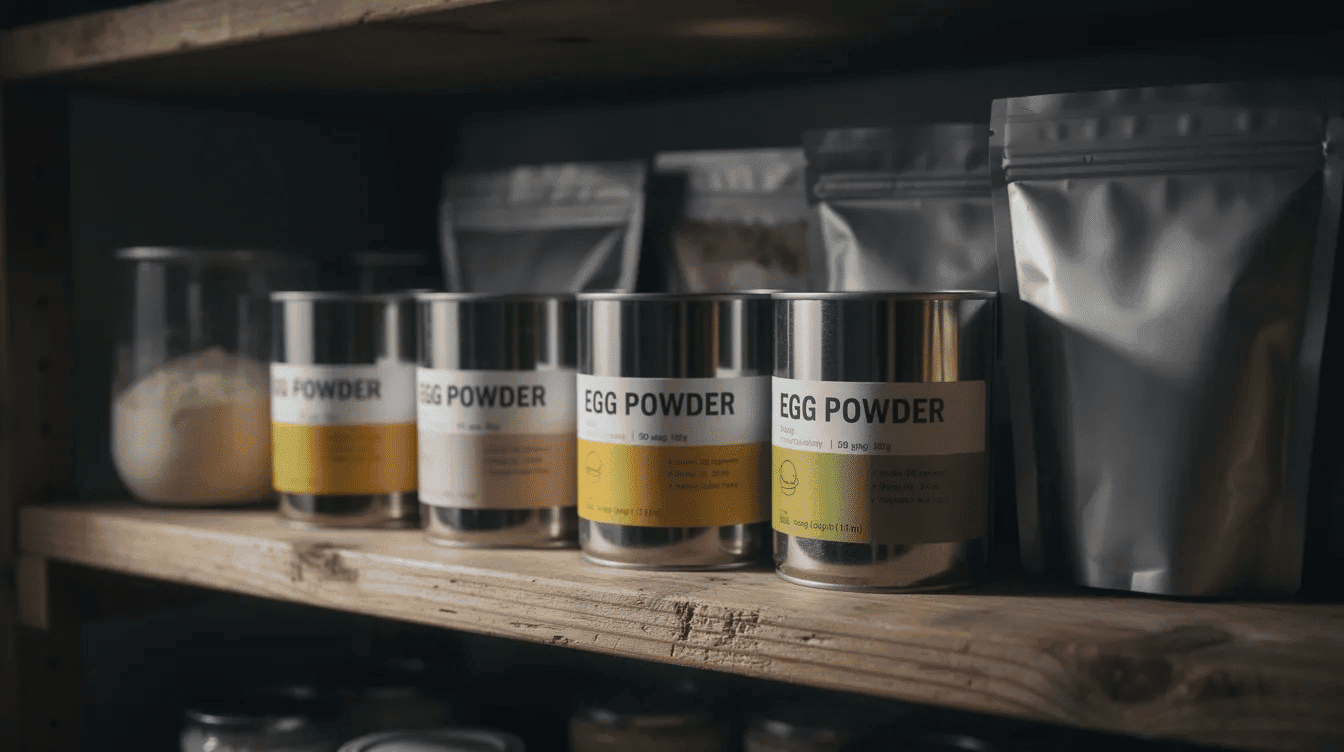
Factory-sealed #10 cans or foil pouches for long-term pantry storage, or airtight containers similar to those used to store dehydrated figs for freshness.
After opening, transfer to airtight glass jars or heavy containers with tight lids, kept in a dark cupboard. Using airtight containers is crucial for protecting dehydrated eggs from air exposure.
For maximum shelf life, store opened or home-dehydrated eggs in the freezer in freezer-safe, double-bagged containers.
Do not store dried eggs near a stove, dishwasher vent, sunny window, or in vehicles where temperatures fluctuate widely.
Label every container with product type, date opened or dehydrated, and a conservative “use by” date.
Home-Dehydrated Eggs: Safety, Shelf Life, and Best Practices
Many people dehydrate their own eggs to preserve excess production from backyard hens and chickens. The process works, but the resulting shelf life and safety differ significantly from commercial powdered eggs.
Safety points:
Salmonella and other pathogens can live inside a fresh egg even when the shell looks perfectly clean. Salmonella poisoning is a genuine concern with improperly processed eggs.
Safe home dehydration requires maintaining at least 165°F for the full drying cycle, which many consumer dehydrators struggle to achieve.
Cooking eggs first – scrambling them or baking into thin sheets – before dehydrating reduces pathogen risk. You can then use a blender or food processor to grind the completely dry flakes into a powdered form.
Realistic shelf-life guidance:
Home-dehydrated eggs can last 1–2 years at room temperature in airtight packaging.
Possibly 2+ years if vacuum sealed with oxygen absorbers and stored in a cool, dark place.
Treat home-dehydrated eggs as a medium-term pantry item, not a 10-year emergency supply. Rotate them regularly alongside other foods you dehydrate for long-term storage. In terms of texture, home-dried egg powder works well in baking and casserole dishes but may produce grainier scrambled eggs compared with commercial whole egg powder or fresh eggs.
How to Tell If Dehydrated Eggs Have Gone Bad
Dried eggs spoil more slowly than fresh eggs, but they can still go rancid or become unsafe. Improper storage can undermine the general benefits of dehydrating food for preservation and lead to noticeable signs of spoilage in dehydrated eggs that you should watch for.
Signs to check:
Odor: Rancid, paint-like, sulfurous, or “chemical” smells when you open the container.
Color: Darkening from pale yellow to deep orange or brown, or uneven dark streaks.
Texture: Hard clumps that resist breaking apart, or sticky, damp-feeling powder.
Contamination: Visible mold, insect activity, or webbing inside the container.
A slightly darker shade over many years of cool storage may be cosmetic and not necessarily unsafe. However, any off-odor is a strong reason to throw the product away rather than risk food poisoning. If reconstituted eggs separate oddly, foam strangely, or taste bitter or soapy, the powder has likely oxidized beyond useful life and is not worth using in any recipe.
Using Older Dehydrated Eggs Safely in Everyday Cooking
When egg powder is nearing the end of its recommended shelf life but still smells and looks normal, use it in ways that maximize safety and minimize waste. Dehydrated eggs can be used in baking and cooking across a wide range of recipes.
Best uses for older egg powder:
Fully cooked recipes: cakes, quick breads, pancakes, muffins, and cookies.
Baked casseroles, quiches, and breakfast dishes where eggs reach safe internal temperatures.
Batters and mixtures that combine dry ingredients with reconstituted egg and get thorough heat treatment.
Avoid using older powder for:
Lightly cooked applications like soft scrambled eggs or runny omelets.
Raw or barely cooked preparations like homemade mayonnaise or aioli, unless the product is specifically labeled pasteurized and well within its date.
Reconstitution tips: Use 1 tablespoon of egg powder plus 2 tablespoons of water to replace one fresh egg. Let the rehydrated mixture sit for 1–2 minutes before using. Warm water helps reconstitute egg powder faster and evenly. Reconstituted eggs can be used in baking without prior mixing into the liquid separately. When making scrambled eggs, reconstituted eggs should be cooked over medium-low heat for the best texture.
Rotate your stock using a “first in, first out” approach – keep newer cans at the back and plan occasional baking days to cycle through older dehydrated eggs.
Planning Long-Term Storage: How Much Egg Powder to Keep and How Long to Rely on It
Understanding real-world shelf life helps you decide how much whole egg powder, egg white powder, and other egg products to store for emergencies or everyday baking and cooking. One of the major advantages of powdered eggs is how little storage space they require compared with keeping chickens or rotating fresh eggs.
Planning tips:
Estimate how many eggs your household uses per week and convert a portion to egg powder equivalents. For most brands, about 1 tablespoon of powder equals roughly one large fresh egg.
Decide on a 3-month, 6-month, or 1-year backup supply and multiply. A #10 can of whole egg powder typically contains the equivalent of 70–100 eggs.
Favor commercial powdered eggs with a long shelf life for deep storage. Reserve home-dehydrated eggs for short- to medium-term rotation.
Product dating:
“Best by” dates indicate peak quality, not a strict safety deadline.
Sealed, undamaged containers stored cool and dry may remain usable beyond the printed date if no spoilage signs appear, though nutritional value and flavor will decline over time.
Diversify your egg products – stock some whole egg powder for versatility, some egg whites for protein and baking, and perhaps some pre-cooked scrambled egg meals for quick breakfasts. Powdered eggs are also cost effective compared to buying fresh eggs year-round, especially in regions where egg prices spike seasonally. The advantages of powdered eggs and their nutritional benefits make them a smart component of a balanced diet alongside other shelf stable foods.
Fresh eggs remain the gold standard for everyday eating. But a well-managed supply of dehydrated eggs in your pantry means you always have a reliable backup, whether for a weekend baking project or an extended power outage.
FAQ: Dehydrated Eggs Shelf Life and Storage
Below are common questions about most powdered eggs and dried egg products that go beyond the main sections above.
How long do dehydrated eggs last after opening?
Once a can or pouch of commercial whole egg powder is opened, shelf life typically drops to about 6–12 months in an airtight container in a cool, dry pantry, and longer – often several years – if stored in the freezer. Egg white powder tends to be more stable and can last 1–2 years after opening if tightly sealed and kept dry. Mixes containing milk, cheese, or oil should be used within the timeframe printed on the label.
Can I vacuum seal fresh eggs instead of dehydrating them for long shelf life?
Vacuum sealing fresh whole eggs in the shell does not replace refrigeration and is not a safe way to achieve multi-year shelf life. Pathogens can still grow inside the shell even in a low-oxygen environment. Use refrigerated temperatures for fresh eggs and rely on properly produced dried egg products for long-term, room-temperature storage.
Do dehydrated eggs need refrigeration?
Unopened commercial dehydrated eggs are designed to be shelf stable at room temperature for years when kept cool and dry, so refrigeration is not required. However, refrigeration or freezing after opening does prolong quality. For home-dehydrated eggs, many people prefer the freezer to add a safety margin and slow oxidation, even if the powder feels completely dry.
Is egg white powder safer or longer lasting than whole egg powder?
Egg white powder typically has a longer storage life because it contains essentially no fat, making it far less prone to rancidity. It is commonly used in baking and as a protein ingredient. Whole egg powder is more versatile for recipes requiring both yolk and egg white, so many households store both and rotate them based on their different shelf-life profiles.
Can I use expired egg powder if it looks and smells fine?
“Best by” dates reflect peak quality, not an automatic safety cutoff. If egg powder is only slightly past that date, has been stored correctly, and shows no signs of spoilage – no off-odor, discoloration, moisture, or mold – many people choose to use it in fully cooked recipes. Using any food past its printed date is a personal risk decision. When in doubt, or if the powder smells or looks off in any way, it is safer to discard the product rather than risk illness.
DannyContent Writer
Hey there, since 2016, my mission has been to provide you with the information and guides you need to make food dehydrating simple and fun. Whether you're a newbie or a seasoned pro, my site offers helpful guides, reviews, and recipes to enhance your dehydrating experience. I take pride in only recommending products I believe in, ensuring my readers' trust. As an affiliate of various programs, including Amazon Associates, your support helps me continue providing quality content. Thanks for stopping by, and happy dehydrating!