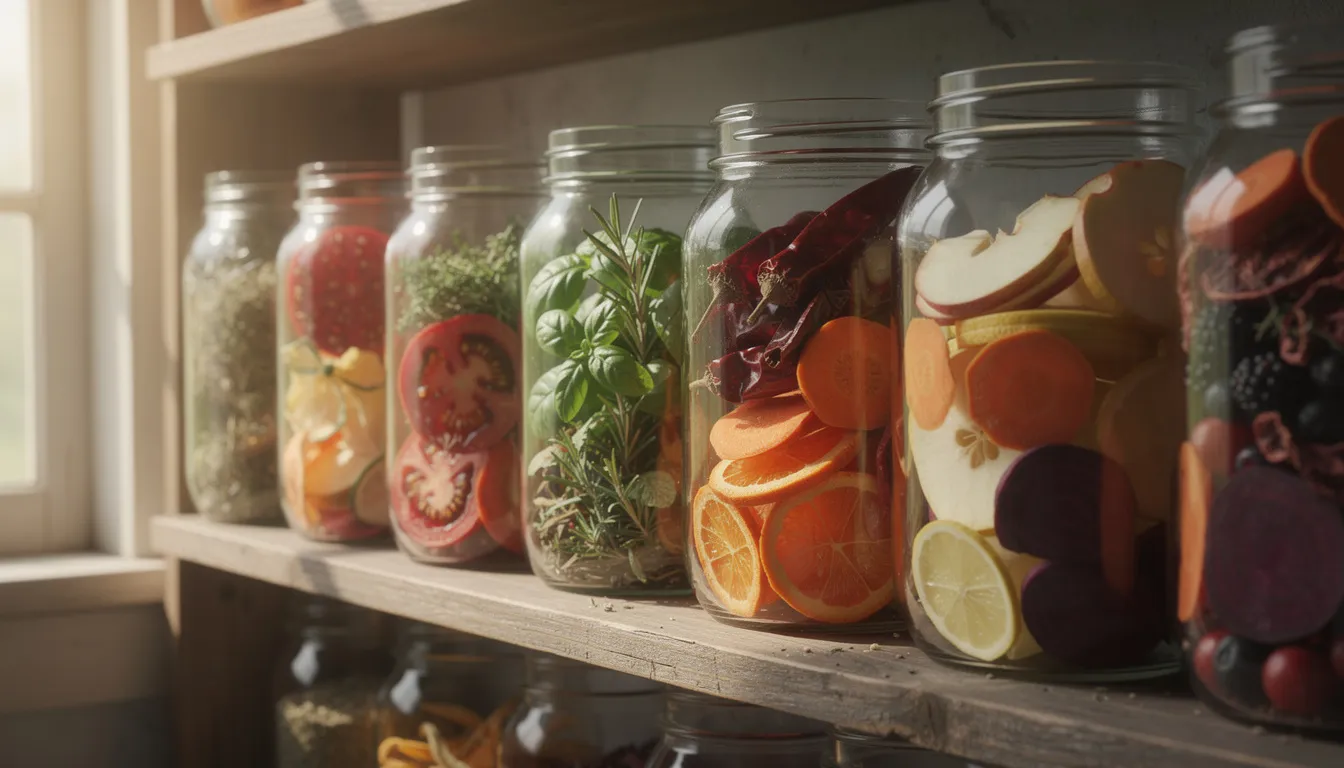
If you’ve ever found yourself drowning in garden tomatoes, wanted to make your own jerky without questionable additives, or dreamed of starting a small pet treat side business, an 8 tray dehydrator might be exactly what your kitchen needs. This mid-capacity food dehydrator hits the sweet spot between compact countertop models and full commercial units, giving you serious drying power without taking over your entire workspace.
In this guide, you’ll learn exactly what makes an 8 tray unit different from smaller or larger options, which features actually matter when you’re shopping, and how to get the most out of your machine for everything from nutritious snacks to homemade jerky.
Quick Answer: Is an 8 Tray Dehydrator Right for You?
An 8 tray dehydrator is best suited for families who preserve seasonal harvests, hunters processing game into jerky, gardeners with surplus produce, and small pet treat or snack businesses operating from home kitchens. If you regularly work with more than a few pounds of food at once, this size category delivers without overwhelming your counter space.
Key benefits at a glance:
Large capacity with approximately 7–8 square feet of total drying space across eight metal racks
Ability to run multiple foods simultaneously without flavor crossover when using horizontal airflow
Significantly better even heat distribution compared to stackable round models
Suitable for weekend batch processing or small commercial production runs
Typical specs you’ll encounter:
Specification
Common Range
Power
400–650W
Temperature
85–165°F (home use) up to 194°F / 90°C (some stainless models)
Price
$120–$250 (2024 market)
Drying area
7–8.8 square feet total
How does it compare to other sizes?
4–6 tray units work fine for occasional use but require multiple batches for serious preservation
How to choose between popular styles and price points in 2024, including whether a smaller 5 tray food dehydrator might suit occasional users
What Is an 8 Tray Dehydrator?
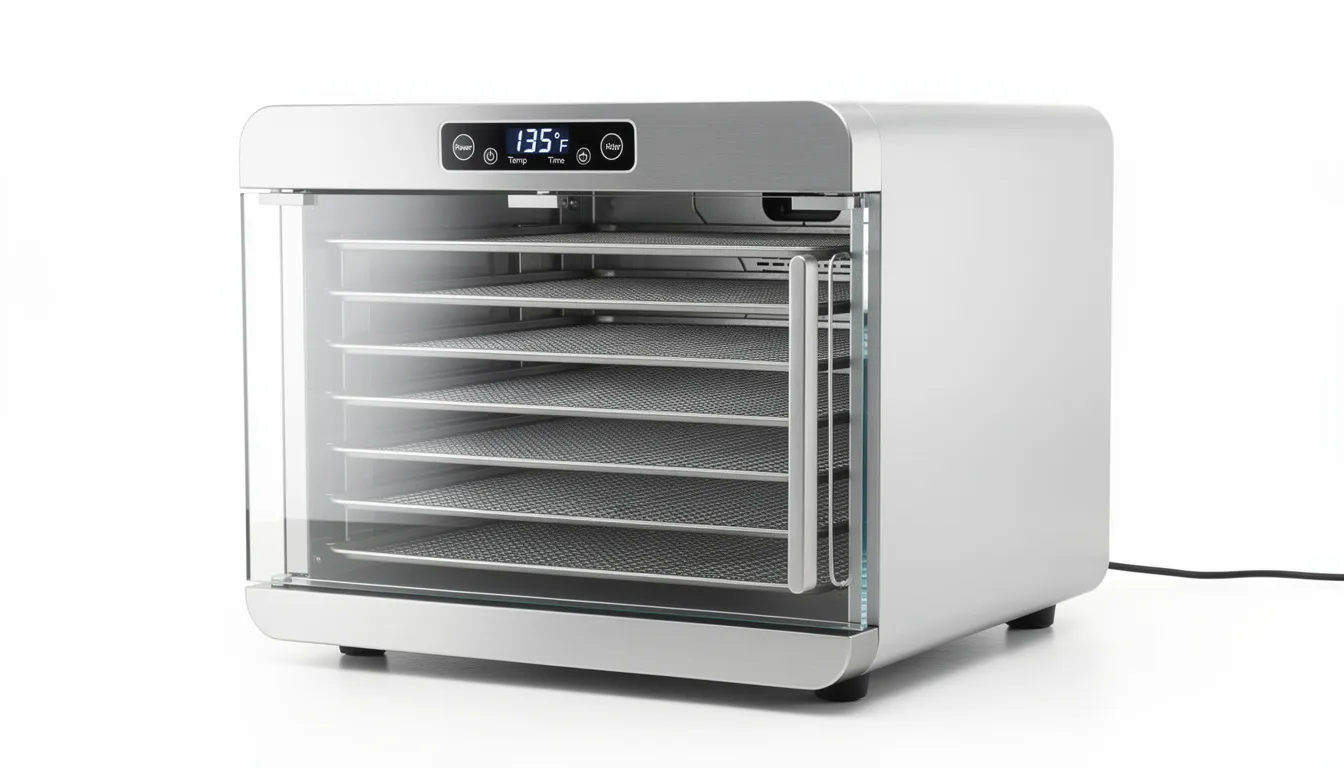
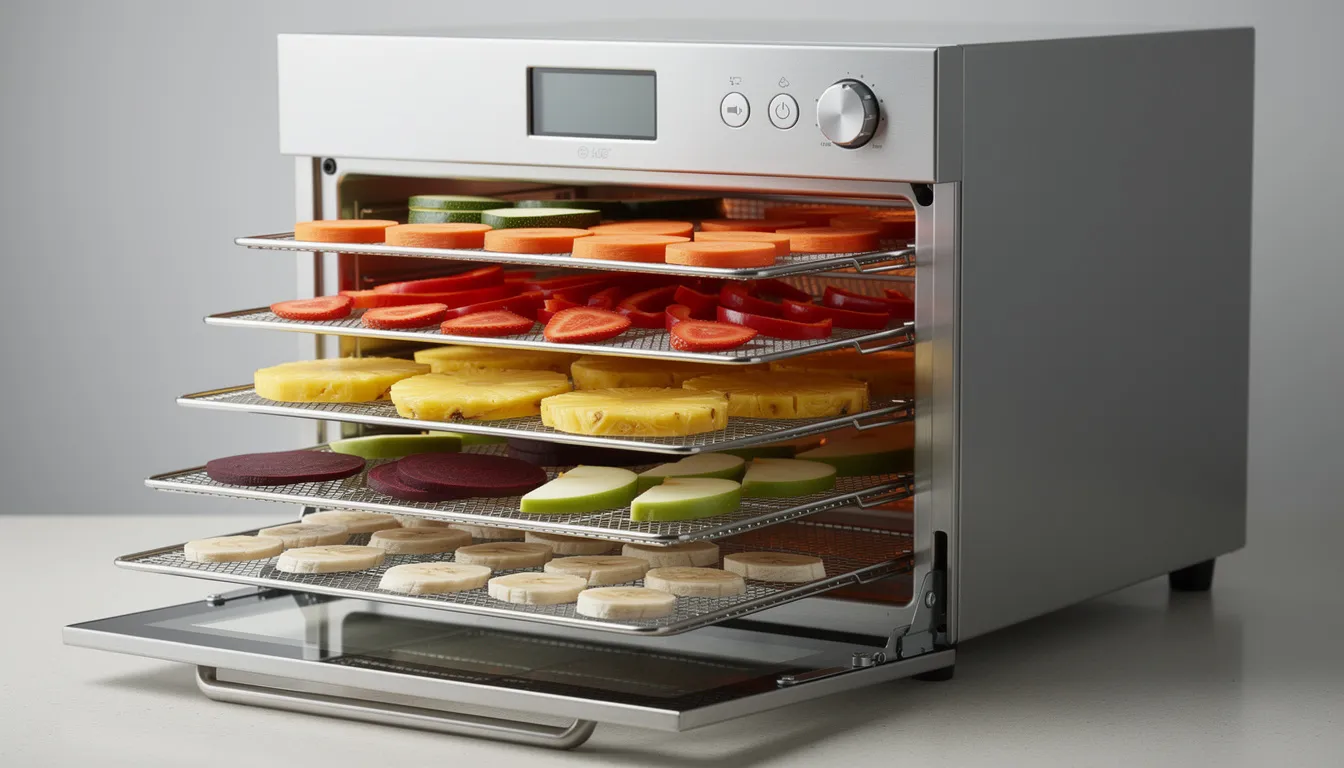
An 8 tray dehydrator is a rectangular, multi-shelf food dryer equipped with eight removable trays, typically constructed from stainless steel or BPA-free plastic. These units look similar to small ovens or toaster oven–style appliances, with trays that slide in like oven racks rather than stacking on top of each other.
The basic working principle is straightforward: low, consistent heat combined with forced air circulation slowly removes moisture from food, preserving it without chemical additives or refrigeration. The drying process typically reduces water content to 5–20% depending on the food type and desired outcome, which prevents bacterial growth and enzymatic degradation that would otherwise cause spoilage.
Horizontal vs. vertical airflow:
Most modern 8 tray “pro” style dehydrators use horizontal airflow systems, meaning the fan and heating element sit at the back of the unit and push air parallel across all trays simultaneously. This differs significantly from vertical airflow models (stacked trays with a fan in the base or lid) where air must travel through each tray sequentially.
Horizontal systems eliminate the need for tray rotation during long drying cycles and prevent flavor mixing between strongly scented foods like onions and delicate items like strawberries.
Typical use cases:
Processing 5–10 lbs of beef jerky per batch from a hunting trip or bulk meat purchase using a dedicated meat dehydrator or robust 8 tray unit
Running large weekend batches of apples and bananas from fall harvest
Weekly production of dog or cat treats for a home pet-treat side business, where a higher-end option like an Excalibur 8 tray dehydrator can handle continuous use
Drying herbs, veggies, and flowers from a productive garden
Physical footprint:
Expect an 8 tray cabinet dehydrator to occupy approximately 17–20 inches wide, 15–18 inches deep, and 10–14 inches tall on your counter. This is substantial but manageable for most kitchens with dedicated appliance space.
Key Features to Look For in an 8 Tray Dehydrator
Not all 8 tray dehydrators are built the same. Construction quality, control systems, and airflow design matter far more than simply counting trays. A well-designed unit will dry food evenly across all eight levels, while a poorly designed one leaves you with overdried edges and soggy centers.
Core features this section covers:
Material (stainless steel vs plastic bodies and trays)
Power rating (400–650W typical range)
Temperature range (at least 95–160°F, ideally 86–194°F)
Timer length (12–80 hours depending on model)
Airflow design (horizontal preferred)
Door style (clear glass vs solid)
Materials: Stainless Steel vs. Plastic
Stainless steel cabinets and 304 stainless steel trays represent the professional standard in 2024. They resist warping at higher temperatures used for meat (140–160°F), clean more easily, and don’t absorb odors from strongly flavored foods like fish or garlic. For anyone planning regular jerky dehydrator sessions or running a small pet treat business, stainless construction is worth the price premium.
Plastic-bodied units cost less initially but may warp over time with heavy use and can retain odors between batches. If you’re primarily drying fruits and herbs at lower temps, quality BPA-free plastic remains a viable budget option.
Control Types
Simple analog controls: Temperature dial plus on/off switch, often with a 0–12 hour or 0–24 hour timer. Straightforward but less precise.
Digital control panels: LED or LCD display with push buttons, exact temperature settings in half hour increments, and automatic shut off at cycle end. Many 2024 models now include 24-hour, 48-hour, or even 80-hour programmable timers.
Digital units let you easily monitor progress and make precise adjustments for specific recipes, while analog models work fine for experienced users who’ve learned their machine’s behavior.
Safety and Convenience Extras
Overheat protection that shuts down the heater if internal temps exceed safe limits
Automatic shut off at end of timer for overnight drying without supervision
Non-slip feet and ergonomic handles for stable operation and safe tray removal
Multi-hole cooling vents seen on modern commercial-style units
A see-through door made from tempered glass or BPA-free clear plastic lets you easily monitor progress without opening the unit and losing accumulated heat. This small feature saves significant time during long jerky or fruit leather sessions.
Any unit worth buying should use food-grade, BPA-free materials throughout and meet current US/EU electrical and food-contact safety standards.
Capacity and Tray Design: How Much Can You Really Dry?
The “8 tray” designation doesn’t always translate to identical capacity across brands. Tray dimensions and vertical spacing between racks determine your real-world output far more than simple tray count.
Typical Tray Dimensions
Most 8 tray cabinet dehydrators feature trays measuring approximately 13 x 12 inches each, delivering roughly 7–8 square feet of total drying area. Some premium models stretch to 12.6 x 12.6 inches per tray, pushing total area toward 8.8 square feet.
Tray Configuration
Approximate Total Area
8 trays at 13 x 12 inches
~7.2 sq ft
8 trays at 12.6 x 12.6 inches
~8.8 sq ft
8 trays at 37 x 25 cm
~7.8 sq ft
Tray Materials and Types
304 stainless steel mesh trays remain the preferred standard for jerky, fruits, and vegetables. Metal racks resist warping at higher temps required for safe meat processing and handle acidic foods like tomatoes or citrus without degradation.
Many units ship with multiple tray types:
Mesh/net trays for small items like herbs, berries, and granola
Line/grill trays with wider spacing for larger pieces like meat strips or thick fruit slices
Solid trays or fruit roll sheets for purees, fruit roll tray preparations, and yogurt
Adjustable and Removable Trays
Quality dehydrators allow you to remove trays or adjust spacing for thicker items like marinated beef strips, halved apricots, or yogurt leathers on silicone sheets. Some users even proof bread dough or rise pizza crusts at low temps.
Practical batch size examples:
Approximately 10–15 lbs of sliced apples fill a standard 8 tray load
5–7 lbs of raw marinated beef typically yields a full batch of jerky after drying (expect 40–50% weight loss)
2–3 lbs of fresh herbs dry down to roughly 8–12 oz of preserved product
Full-height tray grids with good vertical spacing and 360-degree airflow patterns help utilize 100% of interior volume, avoiding “dead spots” at the top or bottom racks.
Airflow, Temperature Range, and Drying Performance
Airflow system and temperature accuracy make the single biggest difference in achieving even drying across all 8 trays. A unit that performs well on the test tray but leaves neighboring racks wet or overdried creates frustrating extra work.
Horizontal Airflow Systems
Horizontal airflow designs position the fan and heater at the rear of the unit, pushing heated air evenly across all levels simultaneously. This approach delivers several advantages:
No over-drying on upper trays while lower levels remain moist
No tray rotation required during extended cycles
Reduced flavor mixing between different foods processed together
More consistent texture throughout the batch
Expert testing shows horizontal airflow typically outperforms vertical systems by 15–25% in drying evenness, reducing total cycle time by avoiding the constant rotation older stackable models require.
Temperature Ranges for Different Foods
Food Type
Ideal Temperature Range
Notes
Herbs and delicate greens
95–115°F (35–46°C)
Preserves volatile oils and color
Most fruits
125–135°F (52–57°C)
Maintains flexibility without case hardening
Vegetables
135–145°F (57–63°C)
Ensures thorough drying without scorching
Meat and jerky
145–160°F (63–71°C)
Required for food safety compliance
Many modern 8 tray stainless units support the full 86–194°F (30–90°C) range, giving additional flexibility for proofing bread dough or making yogurt at the low end of the spectrum.
Temperature Control and Stability
Thermostatic control that maintains stable temps without wide swings is essential for consistent results. Modern technologies circulate air in three-dimensional patterns, eliminating hot spots common in cheaper units. Power ratings around 400–650W are typical and efficient; higher wattage doesn’t automatically mean better performance but can reduce drying time when paired with good insulation and optimized airflow.
Controls, Timers, and Safety Features
Modern control panels make long drying cycles (8–24 hours or more) safer and more convenient than older always-on units. Whether you’re running overnight jerky batches or weekend-long fruit leather sessions, the right controls let you set it and forget it.
Analog vs. Digital Controls
Simple analog knob controls:
Temperature dial plus on/off switch
Basic timer (typically 0–12H or 0–24H)
Lower cost and fewer potential failure points
Less precise temperature settings
Digital dehydrator control panels:
LED/LCD display with push buttons
Exact temp settings (often in 5°F increments)
Extended timers up to 48–80 hours
Audible alerts when cycle completes
Memory functions to recall last settings
Safety Features Worth Prioritizing
Automatic shut off at timer end is perhaps the most valuable safety feature for anyone running cycles while sleeping or at work. There’s no need to wake at 3 AM to unplug the unit.
Overheat protection provides a built-in safety cutoff that shuts down the heating element if internal temperature exceeds safe limits. This matters significantly when running 12–24 hour jerky or fruit batches.
Additional convenience features found on higher-end 2024 models include:
Memory functions that recall your last settings
Audible alerts when the drying cycle finishes
Clearly labeled buttons with backlit displays
Temperature shown in both °F and °C for international recipes
Inner lamp for visibility during operation
Build Quality, Materials, and Cleaning
An 8 tray dehydrator is an appliance many owners run weekly or even daily during peak garden season. Materials and cleaning convenience matter enormously for long-term satisfaction with your purchase.
Why Stainless Steel Matters
A full or partial stainless steel body offers:
Superior rigidity compared to plastic housings
Resistance to staining and odor absorption
Professional appearance that suits kitchen environments
Suitability for intensive jerky or pet-treat production
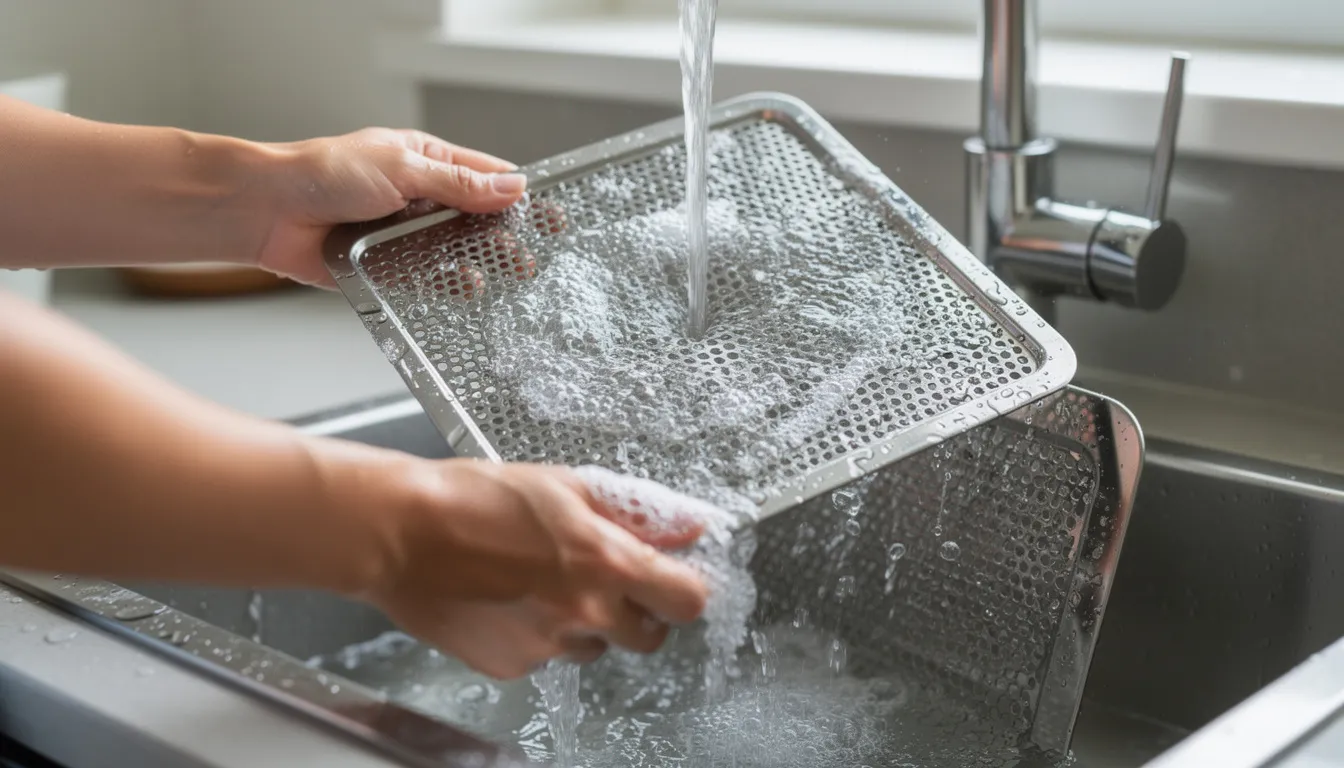
The 304 stainless steel trays have become the preferred standard in 2024. They’re typically dishwasher safe on the top rack and hold up well to acidic foods like tomatoes, citrus, and marinades containing vinegar or soy sauce.
Door Maintenance
A glass door or clear plastic viewing panel should be made from food-safe, heat-resistant material. After each session, it can usually be wiped with a damp cloth and mild detergent. The ability to easily monitor progress without opening the door saves heat and reduces cycle time.
Cleaning Conveniences
Removable drip trays or crumb trays catch bits of meat or fruit, making cleanup faster after large batches
Smooth interior surfaces without hard-to-reach crevices simplify wiping down
Dishwasher safe trays (typically top rack) reduce manual scrubbing
Any plastic components inside the drying chamber should be BPA free trays rated for food contact at the unit’s maximum operating temperature. This matters especially for jerky production where temps reach 155–160°F for extended periods.
What Can You Make with an 8 Tray Dehydrator?
An 8 tray unit opens the door to experimenting with a remarkable range of foods that can be dehydrated and preserved at home, especially when you understand the best foods to dehydrate for long-term storage. The space and capacity means you’re not limited to tiny experimental batches—you can produce enough jerky, dried fruit, or pet treats to actually stock your pantry or test a small business concept.
Jerky Production
The jerky dehydrator capabilities of an 8 tray unit make it popular with hunters and budget-conscious meat lovers alike:
Proofing bread dough using the low temperature setting
Making yogurt with extended low-temp cycles
How to Use an 8 Tray Dehydrator: Step‑by‑Step
Whether you’re tackling your first batch of apple chips or preparing a weekend’s worth of beef jerky, the basic process follows predictable steps. Here’s a practical walkthrough suitable for first-time owners.
Step 1: Preparation
For fruits and vegetables:
Wash produce thoroughly and dry completely
Slice uniformly (1/8–1/4 inch thickness) for even drying
Apply pre-treatments where helpful (lemon water dip for apples prevents browning)
Blanch dense veggies like carrots or green beans before dehydrating
For meat and homemade jerky:
Start with lean cuts; trim all visible fat (fat turns rancid during storage)
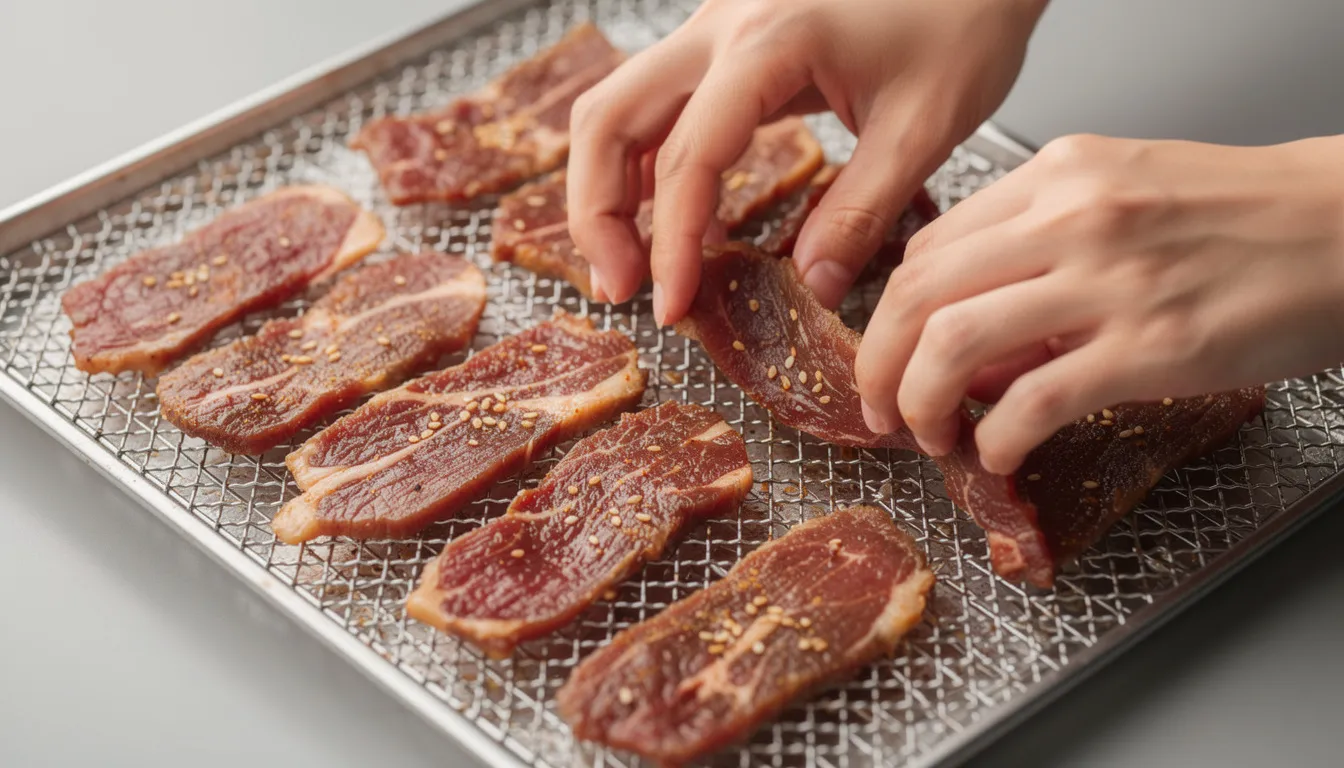
Slice against the grain at 1/8–1/4 inch thickness
Marinate overnight in the refrigerator (12–24 hours)
Pat dry before loading trays
Step 2: Loading the Trays
Arrange food in a single, even layer on each tray without overlapping. Air must circulate freely around each piece for even drying. If your manual recommends tray rotation for your specific unit, plan to rotate halfway through; otherwise, horizontal airflow models typically require no rotation.
Step 3: Setting Temperature and Time
Quick reference for common foods:
Food
Temperature
Time Range
Apple chips
135°F
6–10 hours
Banana chips
135°F
8–12 hours
Beef jerky
155–160°F
4–8 hours
Herbs
95–105°F
2–4 hours
Tomatoes
135°F
6–12 hours
Set your temp and timer according to your recipe book or manual guidelines. Digital units let you program exact temps and times; analog models may require checking a separate timer or clock.
Step 4: Monitoring Progress
Check progress through the glass door without opening the unit. Toward the end of the estimated time, perform a “doneness” test by removing one piece and cutting it in half. Look for any remaining moisture in the center.
Jerky should be firm and leathery but bend without snapping
Fruits should be pliable with no wet spots
Herbs should crumble easily when rubbed
Vegetables should be brittle or leathery depending on intended use
Step 5: Cooling and Storage
Cool dehydrated food completely at room temperature before sealing in jars or vacuum bags. Packaging warm food traps residual moisture and invites mold growth. A 30–60 minute cooling period on the counter works for most items.
Storing and Using Dehydrated Foods
Proper storage extends the shelf life of dehydrated foods from mere weeks to many months—or even years for some items. The process doesn’t end when the machine shuts off.
Storage Principles
Two factors determine storage success: low residual moisture and air-tight containment. Properly dried foods stored in sealed containers away from light, heat, and humidity last dramatically longer than improperly stored batches.
Always label your jars or bags with product name and date (e.g., “Apple chips – October 2024”) to track freshness and use older batches first.
Using Your Dehydrated Foods
Ideas for putting your preserved foods to work:
Rehydrate veggies in soups, stews, and casseroles
Mix dried fruits into trail mix, oatmeal, or yogurt
Use dried herbs in everyday cooking (remember they’re more concentrated than fresh)
Pack lightweight backpacking meals for camping trips
Sell well-labeled jerky and pet treats at local farmers markets (where regulations allow)
Buying Guide: How to Choose the Right 8 Tray Dehydrator in 2024
The market now offers multiple 8 tray models ranging from simple home units under $150 to semi-commercial designs pushing $400 or more. Matching features to your actual needs prevents both overspending and buyer’s remorse.
Main Decision Factors
Budget tiers:
Price Range
What to Expect
Under $150
Plastic body, analog controls, basic timer (12–24H), entry-level trays
$150–$250
Stainless steel trays, digital controls, 24–48H timer, glass door
$250+
Full stainless construction, extended timers (48–80H), advanced features, professional-grade durability
Intended use considerations:
Casual home users making occasional fruit snacks may prioritize quieter operation (under 50dB) and simple controls
Pet treat microbusiness owners should invest in all-stainless construction, longer timers, and heavy-duty fans that handle continuous use
Practical factors:
Available counter space (remember that 17–20 inch footprint)
Noise tolerance if the unit runs in a small apartment or near living areas
Need for quiet operation during overnight runs
What to Check Before Buying
Warranty length: 1–3 years is standard; longer warranties suggest manufacturer confidence
Replacement parts availability: Can you purchase additional trays or heating elements?
User reviews focusing on: evenness of drying across all 8 trays, reliability over 6–12 months, and ease of cleaning rather than just unboxing impressions
Certifications: Food-contact safety marks and electrical safety certifications appropriate to your country
Don’t be swayed by feature lists alone. A unit that actually works great for real users over months of regular use beats a feature-packed machine that develops problems quickly.
Real‑World Feedback: What Users Typically Say About 8 Tray Dehydrators
Aggregated user experiences reveal what actually matters over time, beyond spec sheets and marketing language. Here’s what customers typically report after living with their units.
Common Positive Themes
Batch capacity: Families and small businesses consistently appreciate processing large batches in single runs rather than multiple smaller cycles
Even drying: Horizontal airflow models earn repeated praise for consistent results across all eight levels without rotation
Build quality: Stainless steel trays and glass doors receive specific mentions for durability and professional appearance
Time savings: Many users report cutting their jerky or fruit production time in half compared to older or smaller dehydrators by running 8 full trays at once
Frequently Appreciated Features
Automatic shut off and digital timers that enable overnight or workday drying without constant supervision
Units that maintain stated temperature accurately throughout long cycles
Quiet operation (models under 50dB get particular praise for apartment living)
Sturdy construction that doesn’t wobble or vibrate during operation
Common Complaints to Watch For
Temperature accuracy issues: Some budget units run hotter or cooler than their displayed settings—look for reviews mentioning temperature testing with external thermometers
Fan noise: Certain models produce noticeable fan noise that bothers some users, especially during overnight operation
Counter space demands: First-time buyers occasionally underestimate how much room a full-size 8 tray cabinet requires
Learning curve: Some users report needing several batches to dial in optimal times for their specific elevation, humidity, and slice thickness
When researching, prioritize long-term reviews (6–18 months after purchase) over initial impressions. These reveal how components, trays, and heating elements hold up under frequent use.
Safety Tips and Best Practices
Safe dehydration depends on correct temperature control and proper food handling, especially when working with meat and making pet treats. Following established guidelines protects both your family and anyone you might share or sell your products to.
Meat Safety Requirements
Meat and poultry require heating to safe internal temperatures to destroy harmful bacteria:
Beef and game: At least 160°F internal temperature
Poultry (chicken, turkey): At least 165°F internal temperature
Some food safety guidelines recommend briefly pre-heating jerky strips in an oven (to 160°F for beef, 165°F for poultry) before transferring to the dehydrator at 155–160°F for the drying phase. Consult USDA guidelines for current recommendations.
Hygiene Basics
Wash hands thoroughly before handling food
Sanitize cutting boards, knives, and work surfaces between raw meat and other foods
Keep raw meat completely separate from fruits and vegetables throughout preparation
Clean trays and interior surfaces between batches, especially when switching food types
Equipment Safety
Placement and ventilation:
Position the dehydrator on a stable, heat-resistant surface
Maintain several inches of clearance around all vents for proper air circulation
Never block intake or exhaust vents
Don’t cover the top or back of the unit with towels, papers, or other objects while operating
Electrical safety:
Regularly inspect the power cord and plug for wear or damage
Unplug the unit when not in use and before cleaning
Don’t operate with a damaged cord or after the unit has been dropped
Use a dedicated outlet rather than extension cords for long cycles
Conclusion: Making the Most of an 8 Tray Dehydrator
An 8 tray dehydrator delivers a strong balance of capacity, efficiency, and versatility for 2024 home kitchens and small producers. Whether you’re processing a weekend’s worth of garden vegetables, building inventory for a farmers market booth, or simply making healthier snacks for your family, this size category handles serious work without dominating your counter space.
Key buying considerations to remember:
Horizontal airflow design for even results without tray rotation
Temperature range spanning at least 95–160°F (ideally wider)
Stainless steel trays that resist warping and clean easily
Timer with automatic shut off for unattended operation
Durable construction from a manufacturer offering replacement parts
Getting started:
Begin with one or two simple projects—cinnamon apple chips and basic beef jerky make excellent training batches. Learn how your specific machine behaves, how your local humidity affects drying times, and how different slice thicknesses change your results. Once you’ve mastered the basics, scale up to larger batches or more ambitious recipes.
Every batch you make represents food waste prevented, money saved on store-bought snacks, and complete control over ingredients. No mystery preservatives, no excessive sodium, no fillers—just pure dried food made exactly the way you want it.
Start experimenting with your new dehydrator this week. Your pantry, your wallet, and your taste buds will thank you.
DannyContent Writer
Hey there, since 2016, my mission has been to provide you with the information and guides you need to make food dehydrating simple and fun. Whether you're a newbie or a seasoned pro, my site offers helpful guides, reviews, and recipes to enhance your dehydrating experience. I take pride in only recommending products I believe in, ensuring my readers' trust. As an affiliate of various programs, including Amazon Associates, your support helps me continue providing quality content. Thanks for stopping by, and happy dehydrating!