We earn a commission if you make a purchase, at no additional cost to you.
09/22/2026 04:39 pm GMT
🍊 Dehydrated Food Info Finder — Temperatures & Drying Times
Choose a category, then pick a food to see its drying temperature and time.
⚠️ Safety Disclaimer: Drying times are estimates and vary based on slice thickness, food moisture content, humidity, and your dehydrator model. Always check for doneness before storing — food should feel dry, leathery, or brittle with no moist spots. Improperly dried food can harbour mould and bacteria. For meat and poultry, follow USDA safe internal temperature guidelines: beef and pork to 160°F (71°C), poultry to 165°F (74°C). Use a food thermometer when in doubt. Store all dehydrated foods in airtight containers in a cool, dark place and discard anything showing moisture, mould, or off odours.
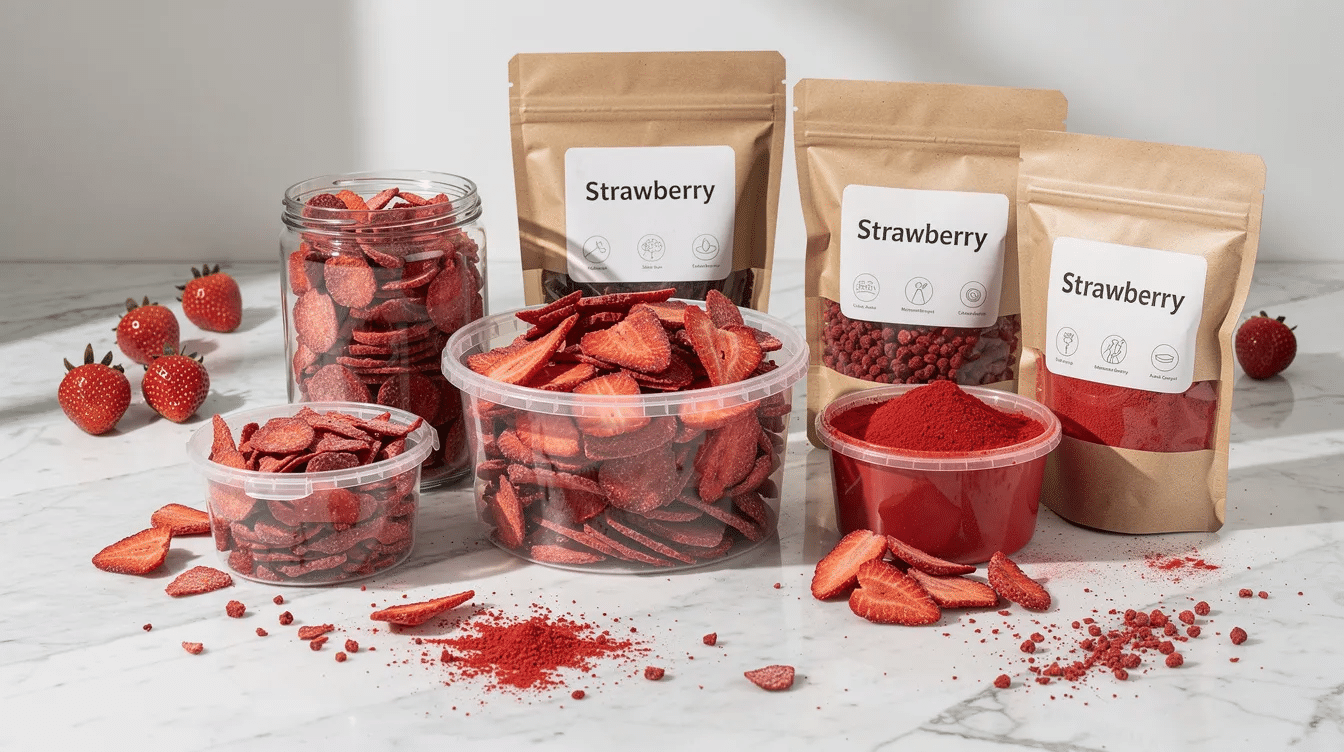
Dehydrated strawberries are available at major grocery chains, online marketplaces, specialty health food stores, and bulk suppliers – each offering distinct advantages depending on your budget, quantity needs, and quality preferences. Whether you’re looking for budget-friendly dried strawberries with added sugar for baking or premium organic freeze-dried strawberries for snacking, knowing where to shop and what to look for ensures you get the best value.
Types of Retailers
Different retailers cater to different needs – here’s how the main options break down for buying dehydrated strawberries.
Major Grocery Chains
Retailers like Walmart, Target, Kroger, and Safeway regularly stock both traditionally dehydrated and freeze-dried strawberries. Walmart features multiple brands of freeze-dried strawberries, including store brands like Great Value and bettergoods. Many grocery stores stock freeze-dried strawberries in the dried fruit or nut aisle, and you’ll also find them in the snack or baking sections.
Typical price ranges vary by processing method: regular dried strawberries usually come in 6–12 oz bags for around $3–$8, while freeze-dried options in smaller 1–3 oz bags run $3–$5 per bag. Shopping in a physical store lets you inspect packaging condition, check labels for additives, and take your purchase home immediately – especially helpful with delicate freeze-dried varieties that can be crushed during shipping.
Online Marketplaces
Amazon, eBay, and Walmart.com offer the broadest selection of brands, sizes, and processing styles. Amazon offers freeze-dried strawberries in 5.3 oz packages among many other sizes, and you’ll find everything from sugar-added dried fruit to single-ingredient freeze-dried slices. Brands like ULTHMOK, AUSPITEE, Karen’s Naturals, and Augason Farms all compete for attention, making bulk deals and variety easy to find.
Customer review systems are invaluable when shopping online – they help you judge texture, taste, and whether a product arrived intact or crushed. Prime or expedited shipping options help preserve freshness, though always check feedback on packaging quality before checkout.
Specialty Health Food Stores
Retailers like Trader Joe’s and Whole Foods carry premium options that meet higher quality standards, which can complement homemade approaches if you make freeze dried strawberries at home. Retailers like Trader Joe’s and Walmart frequently stock freeze-dried strawberries, while Whole Foods, Sprouts, and local co-ops focus on organic, non-GMO, and additive-free varieties.
Organic freeze-dried strawberries are available without additives at these stores, with brands like Karen’s Naturals offering organic slices at approximately $20–$24 for 8 oz. These retailers tend to demand transparent sourcing, minimal preservatives, and certifications that matter to health-conscious shoppers looking for nutritious, natural dried fruit.
Bulk Food Suppliers
For large quantity needs, companies like Harmony House, Food to Live, and L’Orenta Nuts are the go-to sources. Harmony House sells unsweetened freeze-dried strawberries online, while L’Orenta Nuts offers bulk freeze-dried strawberries in various sizes. Bulk quantities of freeze-dried strawberries are ideal for long-term storage and commercial use.
Pricing drops significantly at volume thresholds – for example, a one pound bag of dried strawberries from a bulk supplier might cost around $23, while a 25-lb case can reduce the per-pound cost to roughly $17.46. These suppliers serve restaurants, bakeries, and food service businesses that consume large quantities for baked goods, smoothies, and other favorite recipes.
What to Look For When Shopping
Several key factors determine the quality and value of dehydrated strawberries – understanding these helps you compare products across retailers and assess whether dehydrated strawberries are safe to eat.
Processing Methods
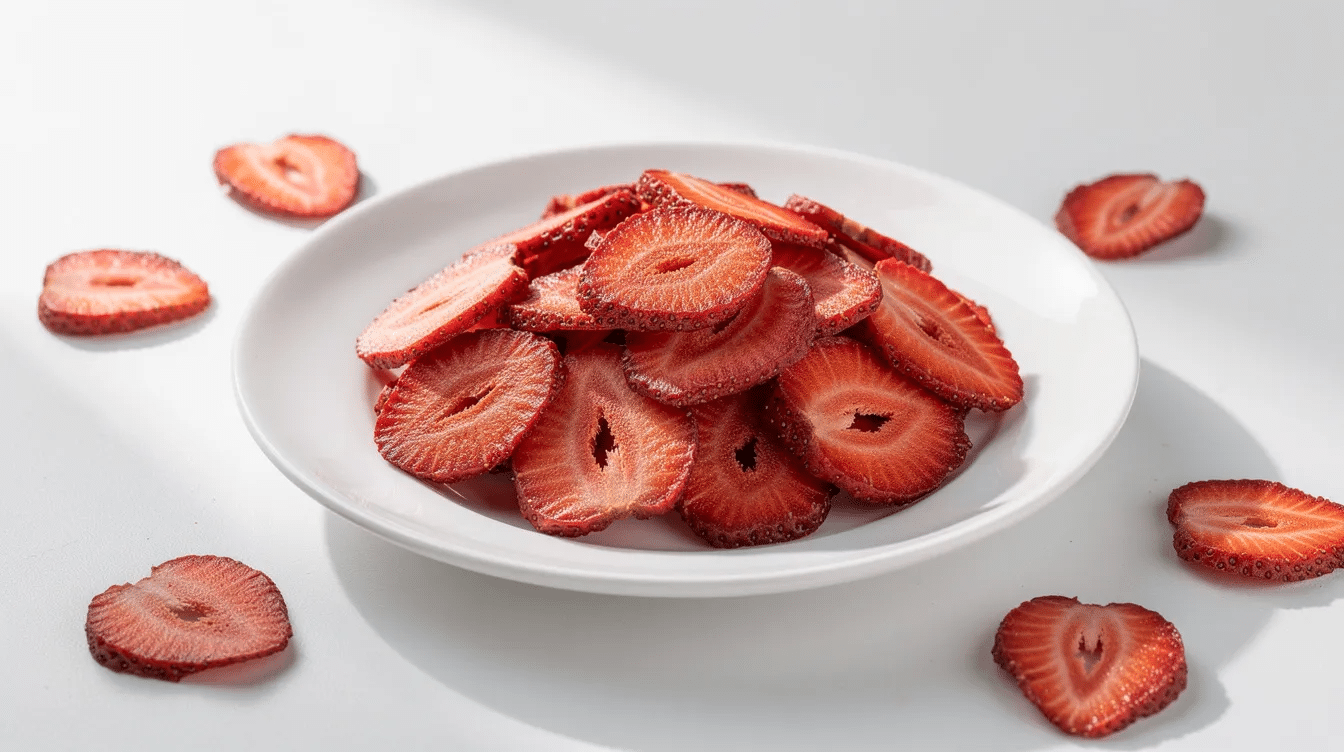
The two main processing methods produce distinctly different products. Traditional dehydrated strawberries are chewy and often sweetened with additives, created through hot-air drying at temperatures between 35–74°C. This method can result in significant nutrient losses, with studies showing hot-air-dried strawberries retaining only about 19–40% of vitamin C, a pattern consistent with broader research on whether nutrients are lost in dehydrated fruits.
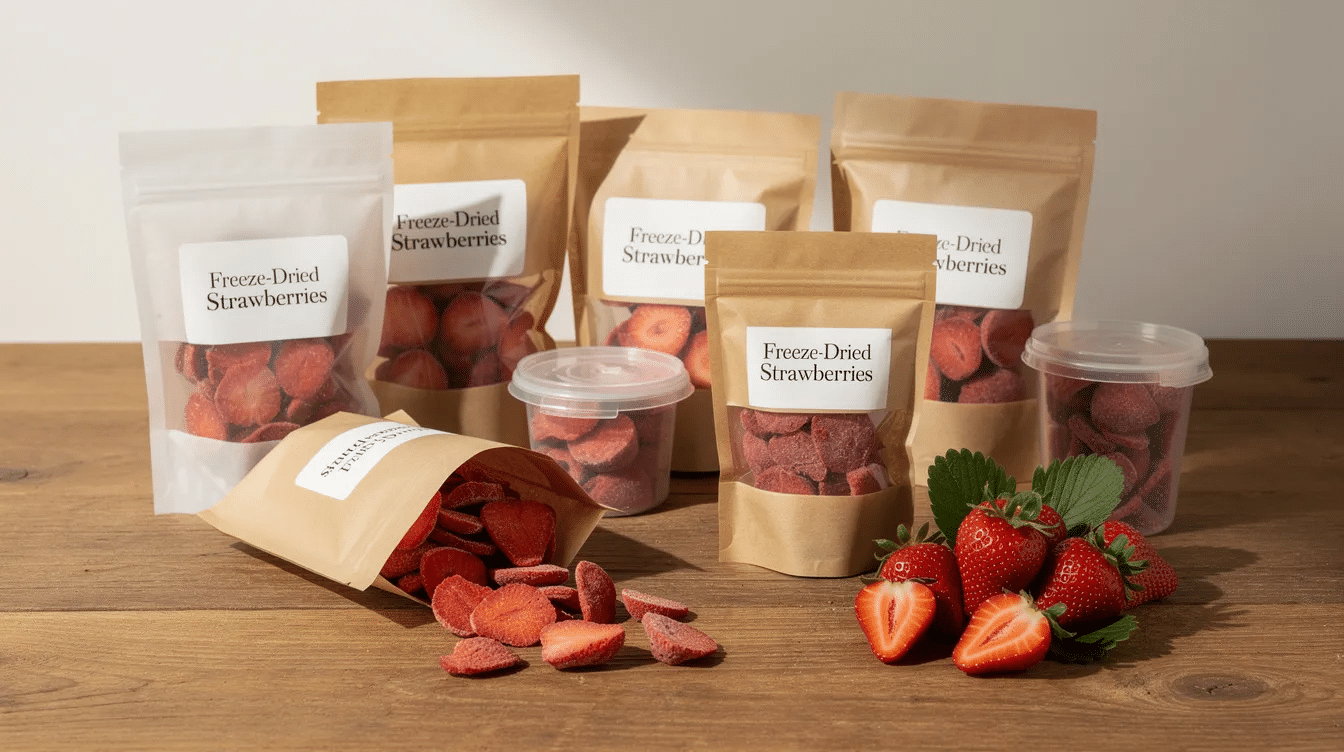
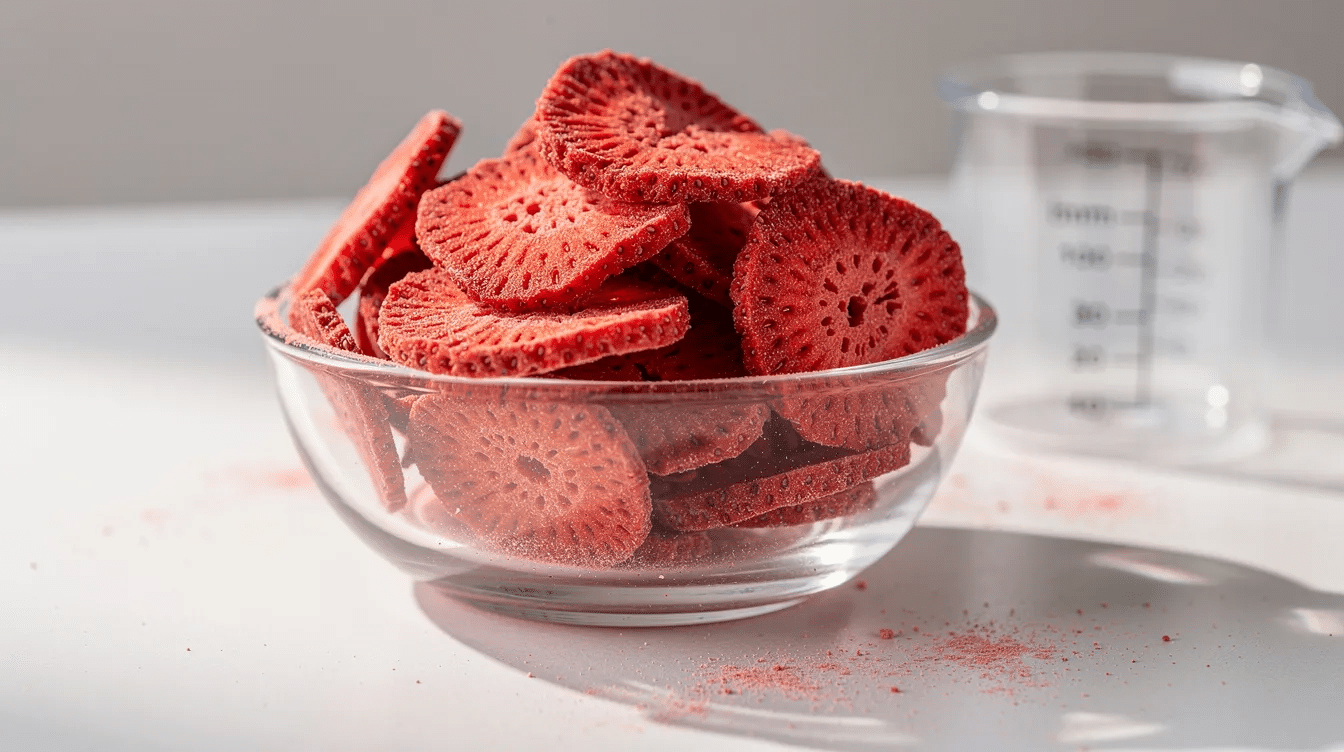
Freeze-dried strawberries have a light crispy texture and no added sugar. The freeze-drying process preserves approximately 97% of nutrients and flavor, and when properly packed in mylar with oxygen absorbers, these products can achieve a long shelf life of up to 25 years. Freeze-dried strawberries are often used interchangeably with dehydrated strawberries in conversation, but the quality difference is significant. Expect to pay considerably more per oz for freeze-dried – around $3–$5 per oz versus roughly $1.09 per oz for bulk air-dried.
Freeze-dried strawberry powder is also available and enhances flavor in recipes like smoothies, cakes, and yogurt toppings – providing natural strawberry taste without artificial strawberry flavor, similar to other top freeze-dried fruits for healthy and easy snacking.
Ingredients and Additives
Dried strawberries can be sweetened or unsweetened, so always check the ingredient label, just as you would when comparing top dry fruits for optimal health and nutrition. The ideal label lists just “strawberries” with nothing else. Many budget options include added sugar, citric acid, or sodium metabisulphite (a sulfite preservative used to maintain color). Some people have sensitivities to sulfites, making this an important detail to search for on packaging.
Unsweetened freeze-dried strawberries are suitable for recipes or snacks where you want pure strawberry flavor without the sweet intensity of sugar-added varieties. Look for non GMO and organic certifications if you want to skip preservatives and artificial additives entirely. The clean-label trend has driven many brands toward single-ingredient products – a sign of the market’s shift toward healthier options and growing interest in dehydrated fruit recipes for delicious snacks.
Package Size and Pricing
Cost per oz is the most reliable way to compare value across brands and retailers. Whole dried strawberries are available in various sizes, from 1 oz snack bags to 25-lb bulk cases, and many home cooks experiment with ultimate dehydrator fruit recipes to customize portion sizes and flavors. A ¼ cup serving has over 10mg of Vitamin C, and dried strawberries contain almost 37mg of potassium per serving – making them a nutritious choice regardless of quantity purchased. Nuts.com provides freeze-dried strawberries in various bag sizes, giving you flexibility to buy what fits your needs.
Shelf life varies dramatically: freeze-dried strawberries in sealed packaging can last decades, while air-dried products typically maintain quality for 6–12 months. Resealable packaging matters for preserving freshness and reducing moisture exposure after opening. Store products in a cool, dark pantry – they require no refrigeration when properly sealed.
How to Choose the Right Retailer
Budget and quantity needs – If you’re buying a small bag for occasional snacks or to sprinkle on cereals, a grocery store or Target run works fine. For high-volume baking, camping food prep, or long-term stock, bulk suppliers deliver dramatically lower cost per pound.
Quality preferences – Prioritize whether you want organic certification, freeze-dried crispy texture, or simply an affordable dried fruit option. Specialty health food stores and online premium brands cater to the quality-first customer.
Convenience factors – Consider shipping time and reliability versus walking into a store today. Freeze-dried products are fragile and can crumble in transit, so check return policies when ordering online. Local availability means you can inspect before consuming.
Brand reputation – Read customer reviews and look at how brands score on flavor intensity, ingredient transparency, texture, and price per oz. Brands like Ready Harvest, Karen’s Naturals, and Augason Farms consistently earn positive feedback for quality and freshness.
Frequently Asked Questions
What’s the average price for dehydrated strawberries?
Prices range widely based on processing method and quantity. Regular sugar-added dried strawberries in a one pound retail bag typically run $15–$25 (~$1–$1.56/oz), while bulk 25-lb cases can bring costs down to roughly $1.09/oz. Freeze-dried options are pricier – a 9 oz sealed can of premium slices costs around $35.97 (~$4/oz), and smaller retail bags at grocery stores often work out to $2.50–$5 per oz. Bulk purchases typically offer 30–50% savings compared to small retail packages.
Are freeze-dried strawberries worth the extra cost?
For snacking and applications where texture matters – like topping yogurt, adding to cereals, or packing healthy snacks for kids – freeze-dried strawberries retain most nutrients and flavor while delivering a delicious crispy bite that air-dried varieties can’t match, while home-dried options let you dehydrate strawberries in a dehydrator for chewy, shelf-stable snacks. Freeze-dried strawberries are commonly used for snacking, baking, and adding to cereals. However, if you’re stewing fruit into cakes or blending into smoothies with milk, the texture advantage disappears, and less expensive air-dried options work well. Strawberries may help prevent heart disease due to polyphenols, and high potassium content may help lower blood pressure – benefits preserved better in freeze-dried products. Dried strawberries are also a source of dietary fiber regardless of method.
Can I find dehydrated strawberries in regular grocery stores?
Yes. Most major chains carry dried strawberries in some form – check the dried fruit, nut, baking, or snack aisles. Freeze-dried slices from brands like Kroger’s store label or Great Value are commonly stocked, and once you’re comfortable with strawberries you might explore what fruit you can dehydrate to diversify your pantry. If your local store doesn’t carry your preferred variety (organic, unsweetened, or a specific brand), online marketplaces fill that gap reliably with options shipped directly to your door.
What’s the best way to store dehydrated strawberries after purchase?
Keep them in a cool (below 70°F), dark, dry pantry. Less moisture exposure means longer quality retention. For freeze-dried products, use the original mylar packaging or transfer to airtight containers with oxygen absorbers. For bulk purchases, portion into smaller bags so you only open what you plan to eat soon. Signs that dehydrated strawberries have gone bad include loss of crispness (freeze-dried becoming chewy or stale), discoloration, off odors, or any sign of mold from moisture ingress.
Start Shopping for Dehydrated Strawberries
The right place to buy dehydrated strawberries depends on how you plan to use them, how much you need, and whether quality or price takes priority. Compare cost per oz across retailers, check ingredient lists for unwanted sugar or preservatives, and consider whether the amazing nutrient retention of freeze-dried justifies the premium for your intended use. Browse the options above and find the sweet treat that fits your pantry, your recipes, and your budget.
DannyContent Writer
Hey there, since 2016, my mission has been to provide you with the information and guides you need to make food dehydrating simple and fun. Whether you're a newbie or a seasoned pro, my site offers helpful guides, reviews, and recipes to enhance your dehydrating experience. I take pride in only recommending products I believe in, ensuring my readers' trust. As an affiliate of various programs, including Amazon Associates, your support helps me continue providing quality content. Thanks for stopping by, and happy dehydrating!