We earn a commission if you make a purchase, at no additional cost to you.
09/22/2026 04:39 pm GMT
🍊 Dehydrated Food Info Finder — Temperatures & Drying Times
Choose a category, then pick a food to see its drying temperature and time.
⚠️ Safety Disclaimer: Drying times are estimates and vary based on slice thickness, food moisture content, humidity, and your dehydrator model. Always check for doneness before storing — food should feel dry, leathery, or brittle with no moist spots. Improperly dried food can harbour mould and bacteria. For meat and poultry, follow USDA safe internal temperature guidelines: beef and pork to 160°F (71°C), poultry to 165°F (74°C). Use a food thermometer when in doubt. Store all dehydrated foods in airtight containers in a cool, dark place and discard anything showing moisture, mould, or off odours.
What To Do With Dehydrated Peppers (Bell, Chili & Hot Peppers)
Whether you grew so many peppers this summer that your counters are overflowing, or you scored a huge amount at the farmers market, dehydrating them is one of the smartest ways to preserve peppers for year-round use. But once those bags of dried peppers are sitting in your pantry, the question becomes: now what?
This guide covers everything you can do with dehydrated peppers, from quick weeknight cooking shortcuts to custom spice blends, homemade hot sauces, and creative recipe ideas you probably haven’t considered.
Key Takeaways
Dehydrated peppers, whether sweet bell peppers, chili peppers, or hot peppers, are lightweight, shelf-stable foods perfect for long-term food storage, quick cooking, and camping meals. They pack intense flavor and concentrated heat into a fraction of the weight of fresh peppers.
The most popular uses include rehydrating for soups and stews, grinding into chili powder and chili flakes, making hot sauce and chili paste, and mixing into dry meal kits with other dried ingredients.
Handle hot dried peppers carefully: wear gloves, work in a well ventilated room, and avoid touching your eyes. Store dried peppers in a dark, airtight container away from heat, light, and moisture.
Both dried sweet peppers and hot peppers can be dehydrated, but they serve different roles. Sweet peppers add bulk, color, and sweetness to dishes, while hot peppers deliver concentrated heat and flavor.
Understanding Dehydrated Peppers (Bell, Chili & Hot Varieties)
Dehydrated peppers, dried peppers, dried chiles, dried chillies-these all describe the same basic concept: fresh peppers that have had almost all their moisture removed. You can dehydrate them in a dehydrator, oven, or by air-drying. Most home preservers dehydrate peppers in a dehydrator at 125°F for 12–24 hours, depending on thickness.
The most commonly dried varieties include:
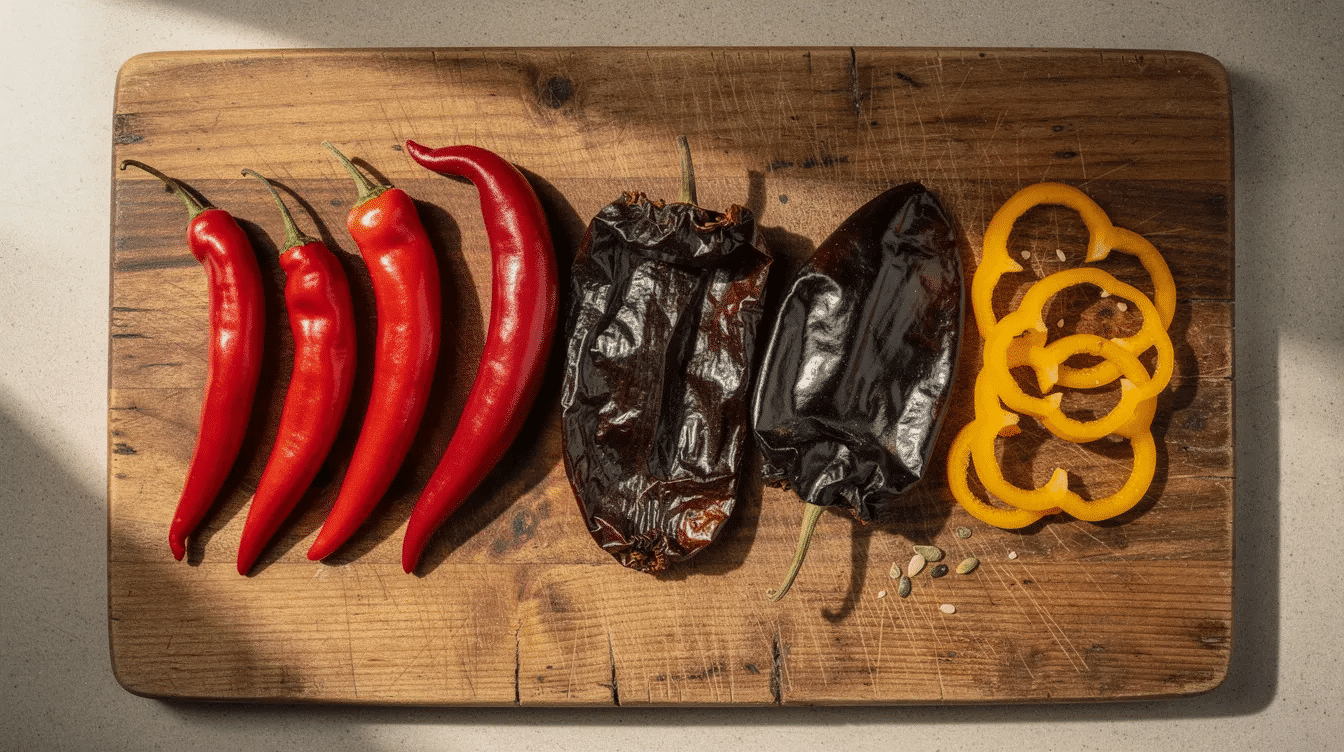
Bell peppers (red, yellow, green) for sweetness and color
Medium-heat chili peppers like jalapenos and dried poblanos
Hotter peppers like cayenne peppers, Thai chilies, and habaneros
The dehydration process concentrates flavor, reduces weight dramatically, and extends shelf life. One pound of fresh peppers yields about four ounces dried, meaning you lose roughly 75% of the weight as moisture evaporates.
What changes in flavor? Bell peppers become noticeably sweeter and more intense. Hot peppers grow more pungent because capsaicinoids are no longer diluted by water, so the heat feels sharper and more direct.
Dehydrated peppers can be used whole, chopped, flaked, or powdered, each giving a different texture and intensity in your cooking.
Quick Uses: How to Rehydrate and Cook With Dehydrated Peppers
The fastest way to use dehydrated peppers is to rehydrate them and treat them like cooked fresh peppers. Dehydrated peppers can be rehydrated in hot water for cooking in just minutes.
Here’s how:
Place dried peppers in a heatproof bowl
Cover with just-boiled hot water or broth
Let sit 10–20 minutes until pliable
Drain and use in your recipe
Rehydrate dried peppers in hot water for about ten minutes for thin-walled chilies like de árbol. Thicker bell peppers need closer to 15–20 minutes, while dehydrated jalapenos typically take 6–8 hours to dry fully before rehydrating. Rehydrating dried peppers in warm water enhances their texture for various dishes, from stir-fries to grain bowls.
Practical ideas for rehydrated peppers:
Toss into weeknight soups, stews, or chili
Fold into pasta dishes or rice bowls
Add to omelets, fajitas, or sandwiches
For slow-simmered dishes, you can skip rehydrating entirely. Dehydrated peppers can be directly added to soups, stews, or chili and they’ll soften right in the pot, infusing the liquid with flavor.
For camping and backpacking, combine dried peppers with instant rice, couscous, and other vegetables at home. At the campsite, just add boiling water and wait about 10 minutes for a complete meal. This kind of planning pairs well with understanding how long dehydrated food can last in storage so your trail meals stay safe and tasty.
Turning Dehydrated Peppers Into Spice: Powders and Chili Flakes
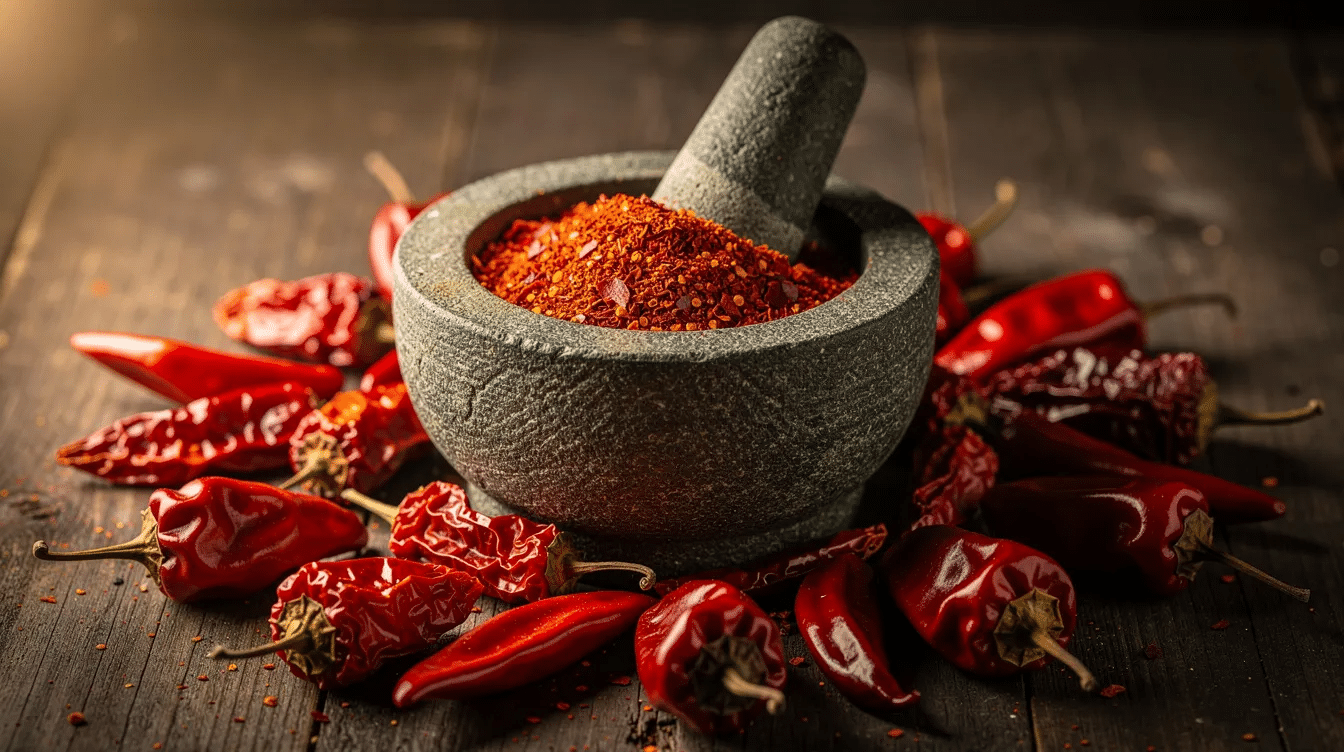
Grinding dried peppers is the best way to turn leftover dehydrated peppers into long-lasting pantry spices that can replace store-bought chili powder and crushed red pepper flakes. For example, you can dehydrate serrano peppers for best flavor and then grind them into a punchy powder. Chili powder can be made by grinding dehydrated peppers in a coffee grinder, spice grinder, or blender.
Making pepper powder:
Ensure peppers are fully dry until brittle
Remove stems and seeds for milder flavor in dehydrated peppers
Grind until you reach a fine powder
Wear a mask and work in a well ventilated room when handling hot peppers-capsaicin dust is no joke
Finely ground dehydrated peppers make a versatile base for seasoning blends. Dehydrated peppers can be ground into powder or flakes depending on how you process them.
Making chili flakes:
Pulse dried pods in short bursts or crush with a mortar and pestle, stopping while visible flakes and seeds remain. Thin-walled red chilies like cayenne peppers or bird’s eye peppers make especially good flakes, and dehydrated jalapeno peppers also work well if you want a slightly meatier texture and moderate heat.
Everyday uses for your homemade spices:
Sprinkle chili flakes over pizza, pasta, and salads
Use hot pepper powder in taco seasoning, dry rubs, or scrambled eggs
Mix into roasted vegetables or homemade chili con carne
Season grilled meat, rice, or grain bowls
Store powders and flakes in small, airtight glass jars in a cool, dark cupboard. Label the variety and date-heat and aroma are best during the first 6–12 months.
Making Sauces, Pastes, and Hot Sauce From Dried Peppers
Dried peppers are the foundation for complex sauces: smooth chili pastes, rich braising sauces, and custom homemade hot sauces. You can also dry peppers in the oven and use them in infused oils and sauces if you don’t have a dehydrator. Dehydrated peppers can enhance sauces, stews, and soups with depth that fresh chilies can’t always match.
Chili paste method:
Toasting dried peppers can deepen their aroma, so start by lightly toasting dried chiles in a dry pan for 30–60 seconds per side. Soak in hot water until pliable (about 20–30 minutes), then blend with garlic, onion, a splash of stock, and a bit of olive oil. Chili paste can be made from rehydrated dried peppers this way and used in stews, beans, or noodle dishes.
Hot sauce from dried chili peppers:
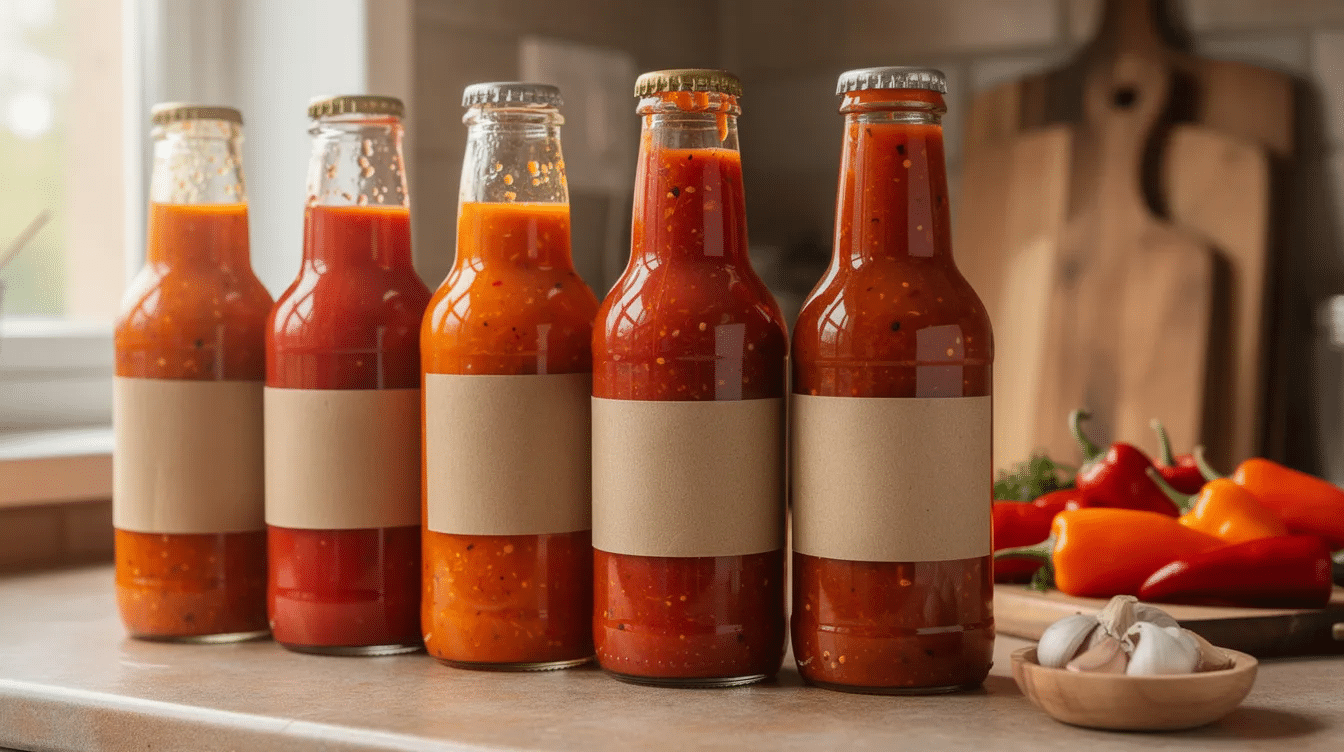
Rehydrate 4–6 dried chilies, then blend with vinegar (apple cider works well), a little salt, and optional aromatics like roasted garlic, onions, or fruits like mango. Simmer briefly to meld flavors. Dehydrated peppers can be used in homemade hot sauces, and a finished vinegar-based sauce should target a pH at or below 4.6 for food safety.
Use mild dried chiles like ancho or dried poblanos to build body and sweetness, then add smaller amounts of spicy dried habanero or cayenne for heat. Pour finished sauces into clean glass bottles or canning jars, refrigerate, and enjoy for several months.
Using Dehydrated Bell Peppers in Everyday Cooking
Dehydrated sweet peppers deserve their own spotlight. Dehydrating bell peppers in a food dehydrator is an easy way to make dried sweet peppers that are ideal for soups, sauces, and seasoning blends, adding color, sweetness, and nutrition when fresh peppers aren’t on hand.
Swapping dehydrated bell peppers into recipes is simple. The ratio for substituting dried minced peppers is roughly 1 tablespoon to 1/4 cup of fresh. For soups, stews, and sauce, add them early with extra liquid. For skillet dishes like fajitas or stir-fries, rehydrate first and then briefly sauté.
Family-friendly meal ideas:
Chop and add rehydrated bell pepper pieces to omelets, frittatas, or casseroles
Stir into macaroni and cheese or chunky pasta sauce
Toss into grain bowls with tomatoes and other vegetables
Try making DIY “meal-in-a-jar” mixes: layer dehydrated bell peppers with dried onions, garlic, beans, and pasta in mason jars. Write instructions to cook with water or broth for quick pantry dinners-perfect gifts, too.
Dehydrated bell peppers are especially valuable during winter, busy school seasons, or in areas where fresh produce is expensive, giving you year-round access to your garden harvest.
Dehydrated peppers can last for years when stored properly, though flavor and heat are strongest in the first 12–18 months. Rotate jars by date and use older stock first.
Safety cues to watch for:
Discard any dried peppers showing mold, off smells, insect damage, or soft spots
Properly dried peppers should feel very dry-brittle for thin types, leathery for thicker types
Wear gloves when handling very hot dried chilis, and use a mask when grinding powder
Creative Ways to Use Dehydrated Peppers (Beyond the Basics)
Once you’re comfortable rehydrating and grinding, there are more inventive ways to put your dehydrated peppers to work, and similar ideas apply when you dehydrate frozen vegetables for long-lasting flavor.
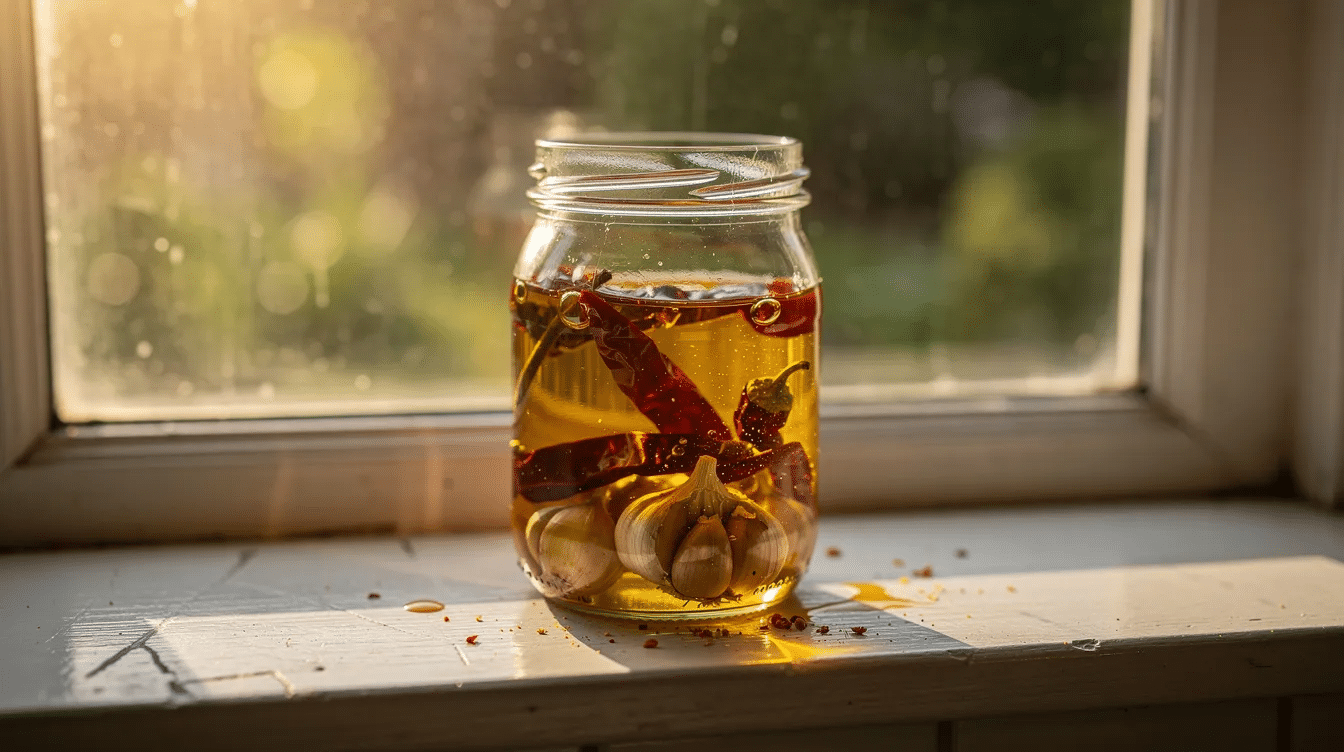
Infused chili oil: Gently warm olive oil with a few whole dried chilies, garlic, and a pinch of salt over low heat. Cool and strain into a glass jar. Drizzle over noodles, pizza, roasted vegetables, or use as a finishing oil. Dehydrated hot peppers are used in oils, spice rubs, and hot sauces-this covers the oil category beautifully.
Sweet heat in baked goods: Add small amounts of finely ground mild chiles like ancho or guajillo to brownies, hot chocolate, or spiced cookies. The result is a subtle warm spicy note that surprises without overwhelming.
Quick pickles: Rehydrate dried peppers and add them to jars of homemade pickles, or drop a dried chili into store-bought pickles to gently boost heat over a few days. Works great with other ingredients like onions and garlic.
Custom spice blends: Mix ground pepper powder with salt, garlic powder, onion powder, and herbs to create your own seasoning for grilled chicken, roasted potatoes, and vegetables. Dried peppers can also enhance the flavor of rice, grains, and bread dough when added in small amounts to the cooking liquid or dough itself.
Fermenting peppers: If you’re into fermentation, rehydrated dried peppers can be added to fermenting peppers mashes to boost complexity-layer mild and hot varieties for depth.
Frequently Asked Questions About Dehydrated Peppers
Below are answers to common practical questions about working with dehydrated peppers that didn’t fit neatly into the sections above.
Do I Need to Blanch Peppers Before Dehydrating Them?
Most home dehydrators and modern guides do not require blanching peppers before drying. Washing, removing stems and seeds, and slicing evenly is usually sufficient. That said, blanching can slightly speed up drying time and help with color retention for bell peppers. Studies on sweet bell pepper powder found that blanched and pre-treated samples dried faster and scored higher for color and texture. For most home preservers, though, skipping blanching saves time without major quality loss.
How Can I Tell if My Dehydrated Peppers Are Dry Enough?
Use the texture test: thin-walled chilies should snap cleanly when bent. Thicker bell peppers should feel very dry and leathery with no cool or soft spots remaining. Let a test batch cool completely, then break one open to check for any lingering moisture inside. If you’re in doubt, return them to the dehydrator for 1–2 more hours. Erring on the side of slightly over-dried is safer than risking mold during storage.
Can I Dehydrate Peppers in the Oven Instead of a Dehydrator?
Yes. Set your oven to its lowest temperature, ideally around 140–170°F (60–75°C), and crack the door slightly for airflow. Place sliced peppers on wire racks over baking sheets. Oven drying is usually faster than a dehydrator but requires closer monitoring to avoid scorching. Check every 1–2 hours and rotate trays for even drying. It’s a solid option if you’re wondering how many peppers you can process without buying new equipment.
Are Seeds the Hottest Part of Dried Chili Peppers?
No. The seeds themselves are not the primary source of heat. Most capsaicin is concentrated in the white inner membrane (placenta) that holds the seeds in place. Removing seeds and membranes from dried chili peppers before grinding or blending will reduce heat and bitterness-useful when you want a mild dish, sauce, or powder.
Can I Mix Different Types of Dehydrated Peppers in One Jar?
It’s safe to store different dried peppers together, but flavors and heat will mingle over time. Keep mild bell peppers and very hot peppers in separate containers to preserve their individual character. If you want deliberate blends, try mixing dried poblanos with a small amount of dried habanero to create a balanced cooking mix for chili and stews. Label blends clearly so you know exactly what’s inside when you reach for them months later. You can find even more recipes and blend ideas by experimenting with the varieties from your garden or local market, especially if you also dehydrate banana peppers for year-round use.
DannyContent Writer
Hey there, since 2016, my mission has been to provide you with the information and guides you need to make food dehydrating simple and fun. Whether you're a newbie or a seasoned pro, my site offers helpful guides, reviews, and recipes to enhance your dehydrating experience. I take pride in only recommending products I believe in, ensuring my readers' trust. As an affiliate of various programs, including Amazon Associates, your support helps me continue providing quality content. Thanks for stopping by, and happy dehydrating!