We earn a commission if you make a purchase, at no additional cost to you.
09/22/2026 04:39 pm GMT
🍊 Dehydrated Food Info Finder — Temperatures & Drying Times
Choose a category, then pick a food to see its drying temperature and time.
⚠️ Safety Disclaimer: Drying times are estimates and vary based on slice thickness, food moisture content, humidity, and your dehydrator model. Always check for doneness before storing — food should feel dry, leathery, or brittle with no moist spots. Improperly dried food can harbour mould and bacteria. For meat and poultry, follow USDA safe internal temperature guidelines: beef and pork to 160°F (71°C), poultry to 165°F (74°C). Use a food thermometer when in doubt. Store all dehydrated foods in airtight containers in a cool, dark place and discard anything showing moisture, mould, or off odours.
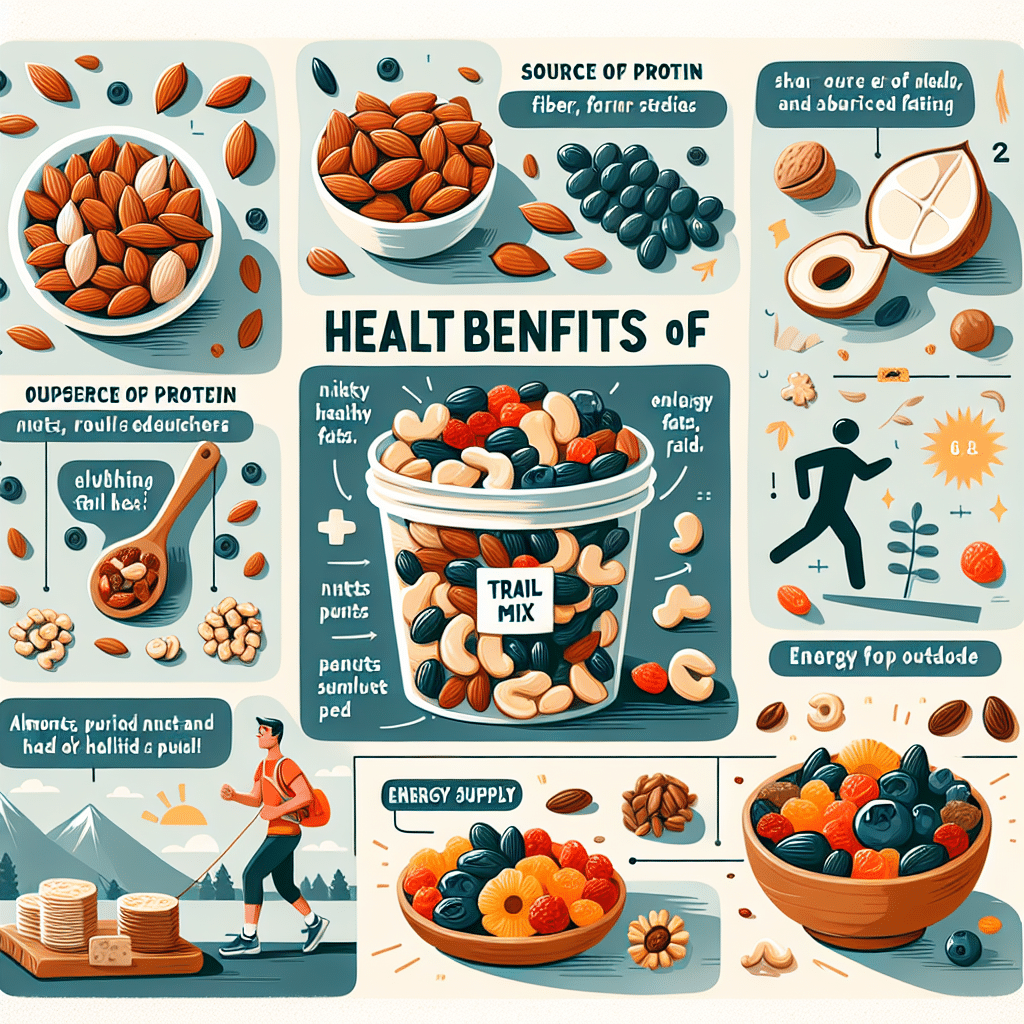
Trail mix is more than just a convenient snack; it offers a variety of health benefits. Understanding trail mix health benefits can help you make better dietary choices. Packed with nutrients from nuts, seeds, and dried fruits, trail mix is versatile and energy-dense. In this article, we’ll explore how trail mix can support your overall well-being. From heart health to weight management, discover how this popular snack can enhance your diet.
Trail Mix Health Benefits: What is Trail Mix?
Trail mix is a snack made from a combination of dried fruits, nuts, and seeds.
It may also include other ingredients like chocolate, grains, or even exotic elements like goji berries or cacao nibs. The mix is known for its high energy density, making it a favorite among hikers and outdoor enthusiasts.
Key Components of Trail Mix and Their Nutritional Value
The nutritional value of trail mix comes from its key components: nuts, seeds, and dried fruits.
Popular with hikers and outdoor enthusiasts, trail mix combines nutrient-dense foods into a convenient snack, and many blends use healthy ingredients that make it filling enough to bridge a small meal, similar to thoughtfully planned dehydrated backpacking meals.
Nuts are a primary ingredient in most trail mix recipes. They are a good source of healthy fats, protein, and fiber, and their unsaturated fat supports the building blocks of cells in the body.
Seeds, on the other hand, add essential vitamins and minerals to the mix, along with antioxidants.
Together, these ingredients create a snack that is not only tasty but also packed with nutrients.
Nuts: A Source of Healthy Fats and Protein
Nuts are a crucial part of any trail mix, and ingredients like almonds, walnuts, peanuts, seeds, and dried fruit all shape its overall nutrition.
They provide heart-healthy fats, including polyunsaturated fats, plant-based protein, essential fiber, iron, and vitamin E, making them a satisfying and nutritious snack option. Each of these ingredients contributes nutrients that help support normal body functions and provide sustainable energy for the body.
That antioxidant content also adds to trail mix’s value as a smart snack or light meal, making it one of many guilt-free snack ideas you can reach for between meals.
Seeds: Tiny Nutrient Powerhouses
Seeds may be small, but they are packed with nutrients and often appear in healthy dehydrated snacks like seed crackers and crunchy toppers.
They add essential vitamins and minerals to the trail mix, while nuts like almonds and walnuts provide vitamin E, polyunsaturated fats, and nuts in trail mix provide protein and heart-healthy fats. Peanuts also add iron, and sunflower seeds are a good option if you want more protein.
Dried Fruits: Sweet Energy Boosters
Dried fruits in trail mix offer a natural sweetness from fruit, and choosing unsweetened dried fruit over sweetened dried fruit helps keep sugar lower, much like a simple dried fruit and nut mix you can make at home. Options like raisins and apricots are nutrient-dense dried fruit choices, while cranberries are often more heavily sweetened.
They also provide a quick energy boost, making trail mix an excellent snack for those needing a pick-me-up during the day. Nuts and sunflower seeds provide heart-healthy fats, and seeds can also help if you want more protein in your mix.
It offers a range of health benefits, thanks to its nutrient-rich ingredients.
Some of the key health benefits of trail mix include supporting heart health, aiding in weight management, and enhancing digestive health.
These benefits make trail mix a smart choice for those looking to improve their overall nutrition.
Here are some of the main health benefits of trail mix:
Supports heart health
Aids in weight management
Enhances digestive health
Supporting Heart Health
The nuts and seeds in trail mix are rich in omega-3 fatty acids.
Trail mix also provides antioxidants that help protect against inflammation and chronic disease.
These healthy fats are known to support heart health by reducing inflammation and lowering the risk of heart disease, and ingredients like cashews add heart-healthy fats, protein, and minerals such as zinc and iron.
Aiding in Weight Management
When consumed in moderation, trail mix can be a part of a balanced diet that aids in weight management, especially when you watch portion sizes and calories.
The fiber and protein in trail mix can help you feel full, and a handful can work as a single serving to help you avoid overeating.
Enhancing Digestive Health
The fiber in trail mix not only helps with weight management but also aids in digestion.
It promotes regular bowel movements and contributes to overall digestive health.
How to Choose or Make a Healthy Trail Mix
Choosing or making a healthy trail mix involves a few key considerations.
First, it’s important to read labels carefully when purchasing store-bought trail mix.
Second, portion control is crucial to avoid excessive calorie intake.
Reading Labels: Avoiding Added Sugar and Sodium
Many store-bought trail mixes contain added sugars and sodium, so healthy options can be either homemade or prepackaged, though homemade trail mix usually gives you more control. Homemade trail mix is often a healthier snack mix than many store-bought versions.
To avoid these, check the nutrition label and compare sugar content before you buy. Look for little or no added sugar, and skip products with extra sweeteners. Be cautious with flavored mixes, which may raise blood sugar more quickly. It also helps to avoid candy pieces or candy that turn the snack into a dessert. If you want a treat, choose a small amount of dark chocolate chips instead. Also watch for salted nuts, since they can add more sodium than expected.
Portion Control: Managing Caloric Intake
While trail mix is nutritious, it’s also calorie-dense.
To manage caloric intake, measure out portions instead of eating directly from the bag.
Customizing Your Mix: Ingredients for Specific Health Goals
Making your own trail mix allows you to customize the ingredients to align with your health goals.
Measure your portions instead of eating from the bag to avoid consuming too many calories. For example, you can add more seeds for extra fiber, choose dried fruits with no added sugars while remembering they have more concentrated sugar than fresh fruit, or mix in pretzels and popcorn for crunch. A small amount of dark chocolate can be a better choice than candy, while skipping sugary granola clusters helps limit added oils and sweeteners.
Creative Ways to Incorporate Trail Mix into Your Diet
Trail mix is not just a snack for hiking or outdoor activities; it also belongs on any list of must-have travel snacks.
It can be a versatile addition to your daily diet.
One of the simplest ways to enjoy trail mix is as a standalone snack.
It’s perfect for on-the-go snacking, providing a quick energy boost when you need it.
In Recipes and Meals
Trail mix can also be used as a topping for yogurt, oatmeal, or salads.
You can even add it to baked goods for a nutritious crunch.
Conclusion: Embracing Trail Mix for a Healthful Lifestyle
In conclusion, trail mix offers a wealth of health benefits, from heart health to weight management. By choosing or making a mix that aligns with your health goals, you can enjoy a versatile, tasty, and nutritious snack. Embrace trail mix as part of a balanced, healthful lifestyle.
DannyContent Writer
Hey there, since 2016, my mission has been to provide you with the information and guides you need to make food dehydrating simple and fun. Whether you're a newbie or a seasoned pro, my site offers helpful guides, reviews, and recipes to enhance your dehydrating experience. I take pride in only recommending products I believe in, ensuring my readers' trust. As an affiliate of various programs, including Amazon Associates, your support helps me continue providing quality content. Thanks for stopping by, and happy dehydrating!