If you’ve lost the original paper booklet for your Bass Pro Shop 1856 Redhead Dehydrator or picked up a used unit without documentation, this guide has you covered. This dehydrator manual serves as a complete replacement for the missing instructions, providing practical guidance, safety tips, and troubleshooting specific to the 1856 model.
Unlike generic food dehydrator guides floating around online, this article focuses specifically on the Redhead 1856 layout, controls, and common user issues. You can print this guide or save it as a PDF on your computer for offline reference, just like a traditional user manual.
What this guide covers:
Physical specifications and features of the 1856 model
The 1856 Redhead Dehydrator is a mid-size, stackable-tray electric food dehydrator that was commonly sold at Bass Pro Shops throughout the 2010s. This unit fits well within the RedHead brand’s history of providing outdoor enthusiasts with reliable food processing equipment for game and garden produce alike.
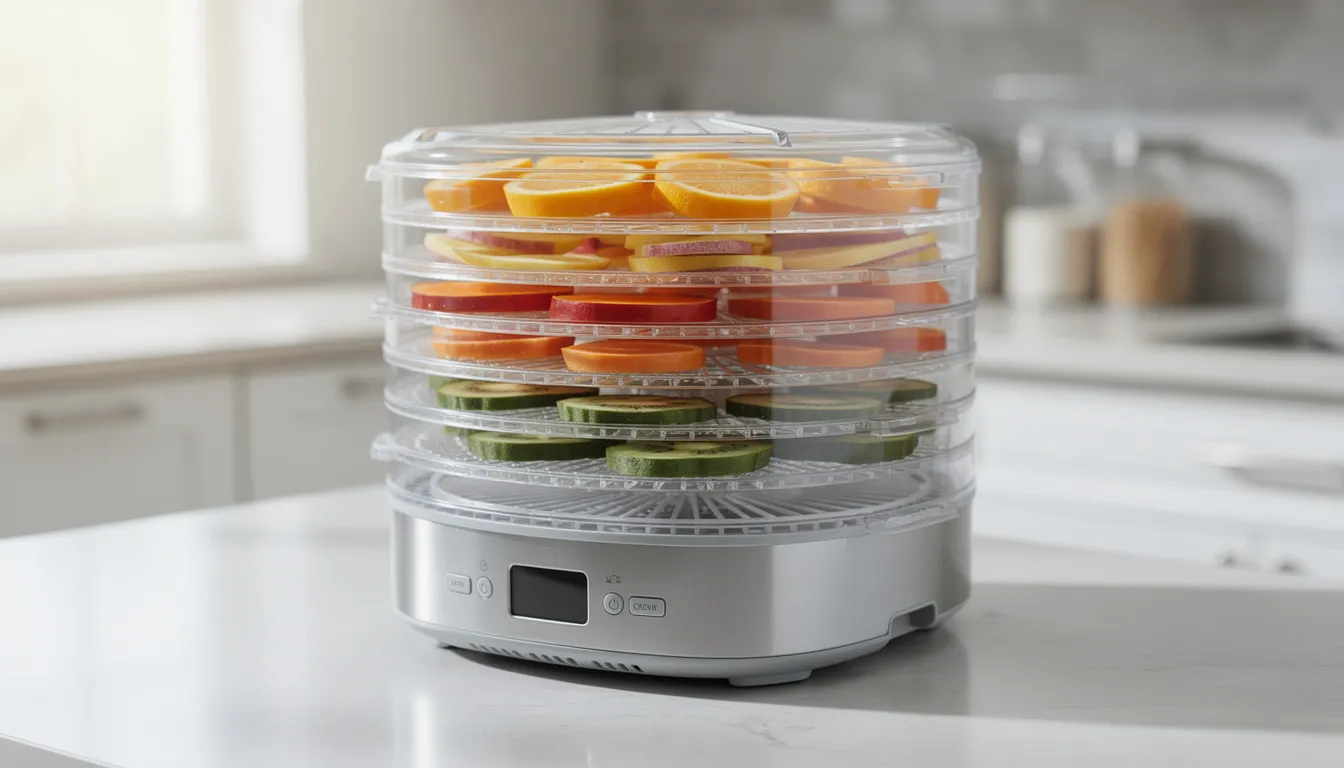
The 1856 typically features 5-8 stackable trays constructed from clear or opaque plastic, allowing you to monitor drying progress without removing the lid. The base unit houses the heating element and fan, while the vented lid allows moist air to escape during operation. Most units include an adjustable temperature control dial with marked ranges from approximately 95°F to 160°F, giving you flexibility for everything from delicate herbs to meat jerky.
This dehydrator handles a variety of foods including jerky from beef or venison, sliced fruits like apples and bananas, vegetables such as tomatoes and peppers, herbs, and fruit leathers when using solid sheet inserts, making it comparable in function to many of the best food dehydrators for jerky. If you purchased a used unit, check your stock of accessories carefully—missing trays or liners will affect drying performance and capacity.
Safety Information & Placement
Before you operate your Redhead 1856 for the first time, review these safety instructions to avoid damage, fire risk, or personal injury.
Placement requirements:
Only operate on a heat-resistant, level surface such as tile, stone, stainless steel, or Formica countertops
Keep the unit away from flammable materials including curtains, paper towels, wooden shelves, and plastic tablecloths
Ensure at least 4-6 inches of clearance around and above the dehydrator for proper air circulation
Do not use outdoors in rain, on uneven camping surfaces, or near sinks where water splashes could occur
Electrical safety:
Plug the dehydrator directly into a grounded wall outlet (120V in North America)
Avoid extension cords, power strips, or adapters unless they are rated for the appliance’s wattage
Do not operate the unit if the cord is frayed, the plug is damaged, or the base housing is cracked or warped
General warnings:
Plastic parts will become warm during operation—keep children and pets away from the running dehydrator
Never leave the unit unattended for long periods, especially when drying high-fat meats
Unplug immediately if you notice smoke, burning odors, or melted plastic
Parts, Controls & Assembly
This section helps you identify each part of your 1856 Redhead Dehydrator before plugging it in for the first time.
Main components:
Base unit: Contains the heating element, fan, power switch (if equipped), temperature dial, and indicator light. The base should sit flat and stable on your counter.
Stackable dehydrator trays: Perforated plastic trays designed for horizontal airflow through sliced food. Most units include 5-8 trays.
Solid sheets or fruit leather trays: Optional accessories for drying small items like herbs or making fruit leathers. Check your purchase to confirm these were included.
Vented top lid: Allows moist air to escape during dehydration. Must seat flat on the top tray for proper operation.
Assembly basics:
Trays stack by aligning any orientation tabs or notches—ensure they seat evenly for proper airflow
The temperature dial typically includes labeled ranges: “Low” (95-110°F) for herbs, “Medium” (125-135°F) for fruits and vegetables, “High” (155-160°F) for meats and jerky
The indicator light illuminates when the heating element is powered and actively warming
To assemble: Place the base on your counter, stack clean trays in proper alignment, add the vented lid, and ensure everything sits flat before turning the unit on.
Before First Use: Cleaning & Initial Run
Manufacturing residues or packaging odors may be present on a new or long-stored dehydrator. Prepare your unit properly before drying any food.
Initial cleaning steps:
Unplug the dehydrator before cleaning
Remove all trays, the lid, and any solid sheets or liners from packaging
Wash trays, lid, and removable plastic parts in warm, soapy water
Rinse thoroughly and air-dry completely before reassembling
Wipe the exterior of the base with a slightly damp cloth—do not immerse the base or get water into vents
Initial burn-in cycle:
A slight plastic or “new appliance” odor may occur during first use
Run the dehydrator empty (or with a single tray and lid) for 30-60 minutes at a mid-range temperature setting
Ventilate your kitchen by opening a window or switching on a range hood during this cycle
Let the unit cool fully after the initial run
Re-wipe trays if any condensation or odor residue is noticed
This preparation step ensures your first batch of food won’t pick up any unwanted flavors.
Basic Operating Instructions
This section covers the core “how to operate” steps for everyday dehydration tasks with your Redhead 1856.
Setup sequence:
Place the base on a heat-resistant, level surface near a suitable power outlet
Stack the desired number of clean, dry trays on the base
Slice and prepare food according to the tips in later sections
Load food onto trays in single layers without overlapping
Place the vented lid on top, ensuring it seats flat
Starting the unit:
Plug the power cord directly into a wall outlet
Turn the power switch on (if present), then set the desired temperature using the dial
Confirm that the indicator light illuminates to show heating is active
Tray management:
Use more trays for larger batches, but avoid overloading beyond the design capacity
Rotate trays periodically (every 2-4 hours) if drying appears uneven—move bottom trays up and top trays down
Check food periodically to assess dryness without opening the unit too frequently
Stopping the unit:
Turn the temperature dial to “Off” or switch off the power button
Unplug the dehydrator from the wall
Allow the unit to cool completely before disassembling or cleaning
Temperature & Time Guidelines for Common Foods
Precise drying times vary based on slice thickness, humidity, and the number of trays loaded. The following ranges work well for the 1856 Redhead Dehydrator under typical conditions.
Herbs and leafy greens:
Temperature: 95-110°F (35-45°C)
Time: 2-6 hours
Doneness: Crisp and brittle, crumbles easily between fingers
Fruits (apples, bananas, berries, peaches):
Temperature: 125-135°F (52-57°C)
Time: 6-16 hours depending on moisture content
Doneness: Leathery and pliable with no visible moisture
Vegetables (carrots, tomatoes, peppers, onions):
Temperature: 125-135°F (52-57°C)
Time: 6-12 hours
Doneness: Leathery or dry to the touch, no soft spots
Meat jerky (beef, venison, turkey): If you’re specifically focused on dehydrating jerky, keep in mind that jerky dehydration time can range from 4 to 15 hours depending on thickness and your exact method.
Temperature: 155-160°F (68-71°C) or highest setting
Time: 4-10 hours
Doneness: Bends and cracks but does not break; no raw appearance
General tips:
Use lower temperatures and shorter times for thin slices or partially pre-dried foods
Use higher temperatures and longer times for thick cuts or fully loaded trays
Allow dehydrated foods to cool to room temperature before sealing in storage containers—this prevents trapped moisture that causes spoilage
Food Preparation & Loading Tips
Careful preparation improves drying consistency and food safety when using your dehydrator.
Slicing advice:
Slice fruits and vegetables uniformly, typically 1/8-1/4 inch (3-6 mm) thick, so pieces dry at a similar rate
Cut jerky strips to consistent 1/4-inch thickness for even drying, and choose the best meat cuts for beef jerky so your batches stay lean and shelf-stable
Pre-treatment recommendations:
Dip light-colored fruits (apples, pears, bananas) in a solution of lemon juice and water or ascorbic acid to reduce browning
Blanch certain vegetables (carrots, green beans, broccoli) briefly in boiling water, then cool in ice water to preserve color and texture
Marinate jerky meats according to your recipe, but pat dry before loading; if you need ideas, explore dehydrator jerky recipes for homemade snacks to find flavor combinations you like
Tray loading practices:
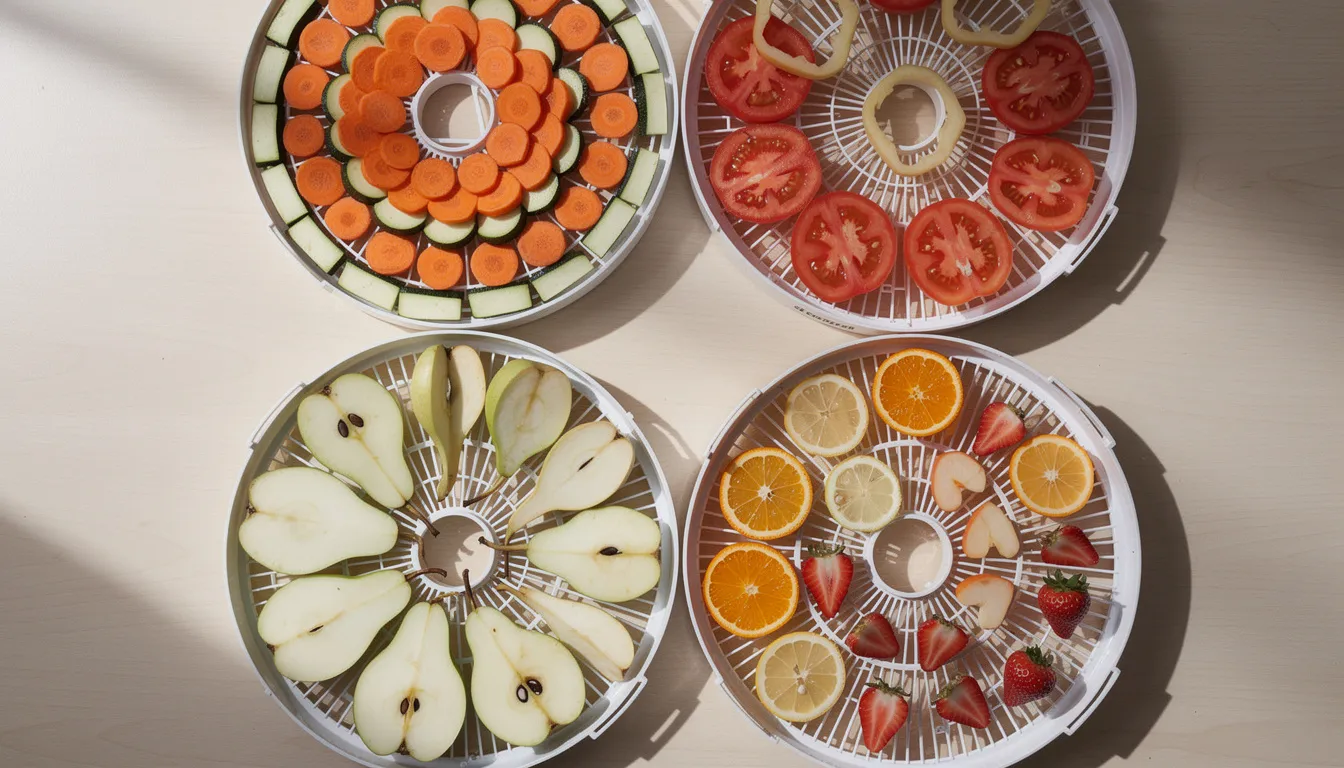
Arrange pieces in a single layer without overlapping
Leave small gaps between pieces for air flow
Use mesh inserts or solid liners for small items like herbs or for fruit leathers to prevent sticking and falling through the tray perforations
Pat marinated meats and juicy fruits dry with paper towels before loading to reduce drips onto the base and speed up dehydration
Care, Cleaning & Storage of the Dehydrator
Always unplug your Redhead 1856 and let it cool completely before cleaning.
Routine cleaning after each use: Regular cleaning of your food dehydrator prevents buildup, odors, and cross-contamination between batches.
Remove trays, lid, and any liners
Wash removable parts in warm, soapy water using a soft brush for stuck-on food
Rinse thoroughly and let parts air-dry before reassembling or storing
Hand-washing is recommended to extend tray life and prevent warping, though many similar plastic trays are top-rack dishwasher safe
Cleaning the base:
Wipe the exterior and vents with a damp cloth
Dry immediately to prevent moisture damage
Do not immerse the base or pour water into the housing
Storage tips:
Store the unit with trays stacked on the base and the lid on top
Keep in a dry cupboard or pantry away from humidity
Avoid placing heavy objects on top of the stacked dehydrator to prevent tray deformation
Store solid sheets and liners flat or nested within the trays
Troubleshooting & Common Issues
This section helps owners of used or older Redhead 1856 dehydrators diagnose typical problems when no original manual is available, though some users may eventually upgrade to a larger unit like an Excalibur food dehydrator guide describes, which operates on similar principles with different airflow design.
Unit will not turn on:
Check that the wall outlet works by testing with another appliance
Verify the plug is fully inserted into the outlet
Ensure any power switch is in the “On” position
Check your home’s circuit breaker for tripped switches
Uneven drying:
Rotate trays every 2-4 hours during long drying cycles
Avoid over-stacking or overloading trays
Slice food more uniformly for consistent thickness
Ensure adequate clearance around the dehydrator for airflow
Excessive drying time:
Verify that the temperature dial is set correctly for your food type
Reduce the load per tray—crowded trays block airflow
Confirm that the room is not excessively cool or humid
Check that the lid seats properly and vents are not blocked
Strong plastic or residual odor:
Run the unit empty for 30-60 minutes at a higher setting in a well-ventilated area
Re-clean trays with warm, soapy water and dry thoroughly
When to stop using the unit:
Discontinue use immediately if you notice melted plastic, scorch marks, smoke, or repeated breaker trips
Consult an appliance technician or consider replacing the unit
Replacement parts: Some generic replacement trays and liners fit the 1856 model. Compare dimensions carefully before making a purchase—measure your existing trays and reference links from Bass Pro Shops or compatible third-party suppliers.
With this free dehydrator manual as your reference, you now have everything you need to operate your Bass Pro Shop 1856 Redhead Dehydrator safely and effectively. Save this page or click your browser’s print function to keep a PDF copy on your computer for quick access anytime. Whether you’re making venison jerky from your latest hunt or preserving garden vegetables, these instructions will help you get consistent results batch after batch.
DannyContent Writer
Hey there, since 2016, my mission has been to provide you with the information and guides you need to make food dehydrating simple and fun. Whether you're a newbie or a seasoned pro, my site offers helpful guides, reviews, and recipes to enhance your dehydrating experience. I take pride in only recommending products I believe in, ensuring my readers' trust. As an affiliate of various programs, including Amazon Associates, your support helps me continue providing quality content. Thanks for stopping by, and happy dehydrating!