We earn a commission if you make a purchase, at no additional cost to you.
09/22/2026 04:39 pm GMT
🍊 Dehydrated Food Info Finder — Temperatures & Drying Times
Choose a category, then pick a food to see its drying temperature and time.
⚠️ Safety Disclaimer: Drying times are estimates and vary based on slice thickness, food moisture content, humidity, and your dehydrator model. Always check for doneness before storing — food should feel dry, leathery, or brittle with no moist spots. Improperly dried food can harbour mould and bacteria. For meat and poultry, follow USDA safe internal temperature guidelines: beef and pork to 160°F (71°C), poultry to 165°F (74°C). Use a food thermometer when in doubt. Store all dehydrated foods in airtight containers in a cool, dark place and discard anything showing moisture, mould, or off odours.
The Comprehensive Guide to the Name of Dry Fruits and Their Benefits
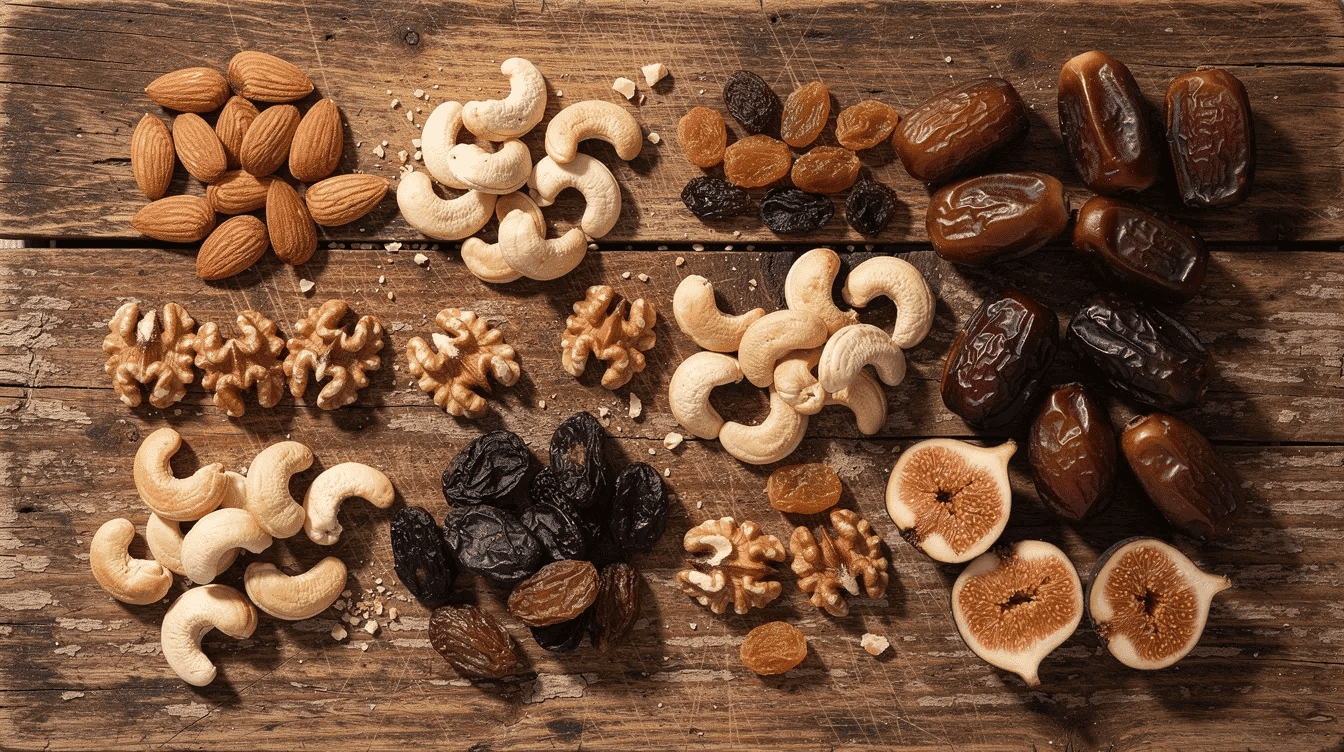
Whether you are filling a Diwali gift box or stocking your kitchen for healthier snacking, knowing the name of dry fruits and what each one offers makes a real difference. This guide covers every major dry fruits name in English and Hindi, breaks down their health benefits, and shows you exactly how much to eat and when.
Key Takeaways
Dry fruits are powerhouses of concentrated vitamins, minerals, and dietary fiber that fit easily into any daily diet.
The term “dry fruits” in India covers both nuts (almonds, cashews, walnuts, pistachios) and dehydrated fruits (raisins, dates, figs, prunes, dried mango, dried plums).
A typical healthy intake is about one small handful (around 30 g) of mixed nuts and dried fruits per day, unless a doctor advises otherwise.
Almonds are known as Badam in Hindi, walnuts are called Akhrot in Hindi, raisins are known as Kishmish in Hindi, dates are referred to as Khajoor in Hindi, dried apricots are called Khubani in Hindi, and dry figs are known as Anjeer in Hindi.
Knowing dry fruits names in English and Hindi helps with shopping in India and choosing the best dry fruits for specific goals like weight loss, weight gain, or diabetes management.
What Are Dry Fruits? (Definition, Types & How They’re Made)
Dry fruits fall into two broad types of dry fruits. The first category is tree nuts like almonds and walnuts that are naturally low in moisture and protected by a hard shell. The second is fresh fruit that has been dehydrated, turning grapes into raisins, plums into prunes, and so on.
Common drying methods include traditional sun dried techniques used across India and the Middle East, mechanical hot-air dehydration at controlled temperatures, and modern freeze-drying that preserves colour and nutrients in berries and mango slices. Historically, people dried fruits for longer shelf life, easier transport, and long-term storage, easier transport, and concentrated natural energy during travel and fasting seasons.
One important thing to understand: removing water from fruits concentrates their calories and nutrients. Fresh grapes are roughly 70–80 % water, while raisins retain only about 10–15 %, which means the natural sugars and minerals pack into a much smaller volume. That is why dried fruits can be a healthy snack when eaten in moderate portions and choosing top dry fruits for optimal health, but overeating them is easy if you are not paying attention to serving size. In everyday Indian usage, “dry fruits” and “dried fruits” are grouped together for both nutrition and recipes.
Dry Fruits Names: Big List in English & Hindi
Below is a quick-reference list of dry fruits names (and key dried fruits names) in English with common Hindi equivalents in brackets. These are the names you will see on Indian packaging, in sweet shops, and on online dry fruit stores.
Pronunciation and spelling vary regionally, but these English–Hindi pairs stay consistent across India. When you shop online or walk into a local dry fruit store, this list of popular dried fruits and fruits names will help you identify exactly what you need.
Tree Nuts: Names & Benefits of the Most Popular Dry Fruits
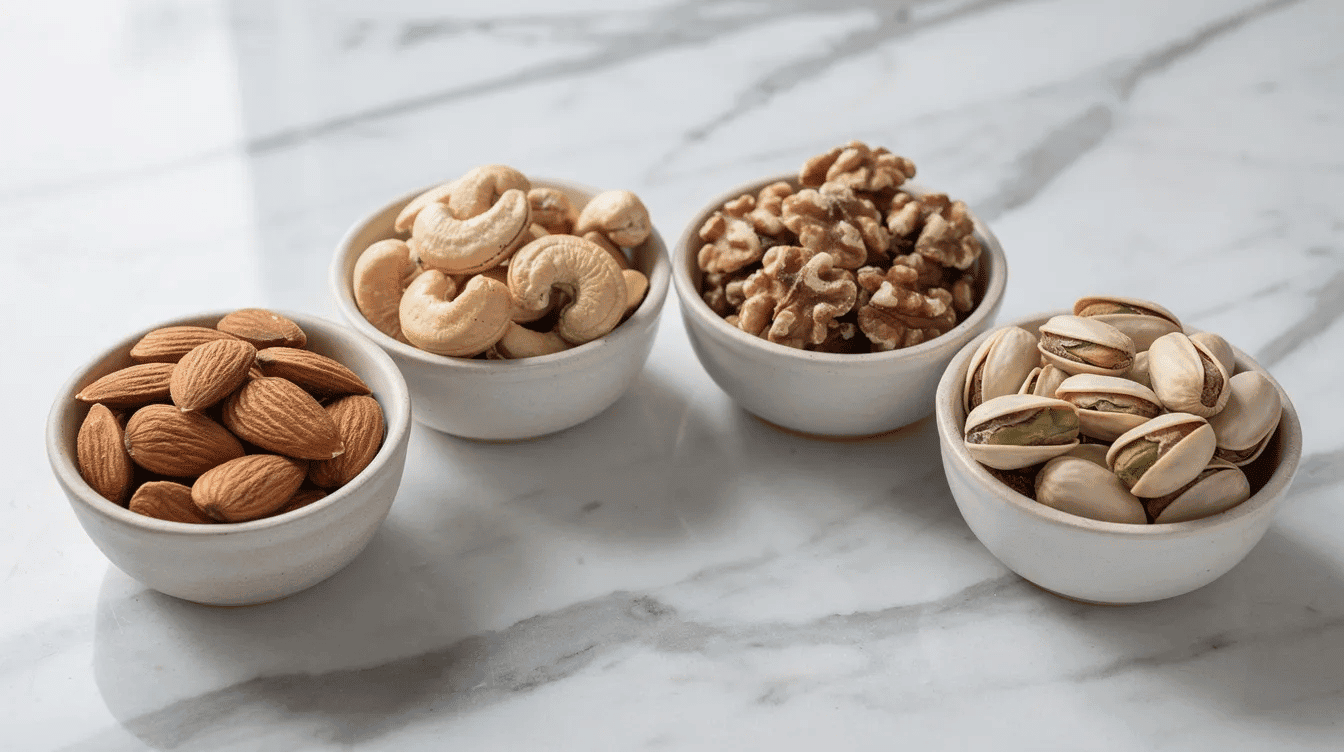
Tree nuts are often considered the best dry fruits for healthy fats, high protein, and micronutrients. They form the base of most mixed dry fruit packs in India.
Almonds (Badam) have a mild taste and can be eaten raw, soaked overnight, or roasted. They are nutrient dense and rich in vitamin e, magnesium, protein, and dietary fiber. Almonds support brain health and weight management, making them a go-to for anyone looking to improve brain function and maintain glowing skin.
Cashews (Kaju) offer a sweet taste and creamy texture. They are rich in healthy fats, copper, magnesium, and iron. Cashews appear in everything from Indian gravies to festival sweets. Eat 4-5 cashews daily for healthy fats and minerals, and keep portion control in mind since they are calorie-dense.
Walnuts (Akhrot) sit inside a hard shell and resemble the brain in shape. Walnuts are rich in omega-3 fatty acids for heart health and deliver anti-inflammatory benefits linked to lower cardiovascular risk. They are excellent for brain health and overall health.
Pistachios (Pista) are greenish kernels, often roasted and salted. Pistachios are high in antioxidants and support weight loss through better satiety. They also help with blood sugar control and weight management.
Other tree nuts like hazelnuts, macadamia, Brazil nuts, and pine nuts (chilgoza) are eaten in small quantities due to price but still count among healthy dry fruits worth trying.
Dried Fruit Names: Raisins, Dates, Figs, Prunes & More
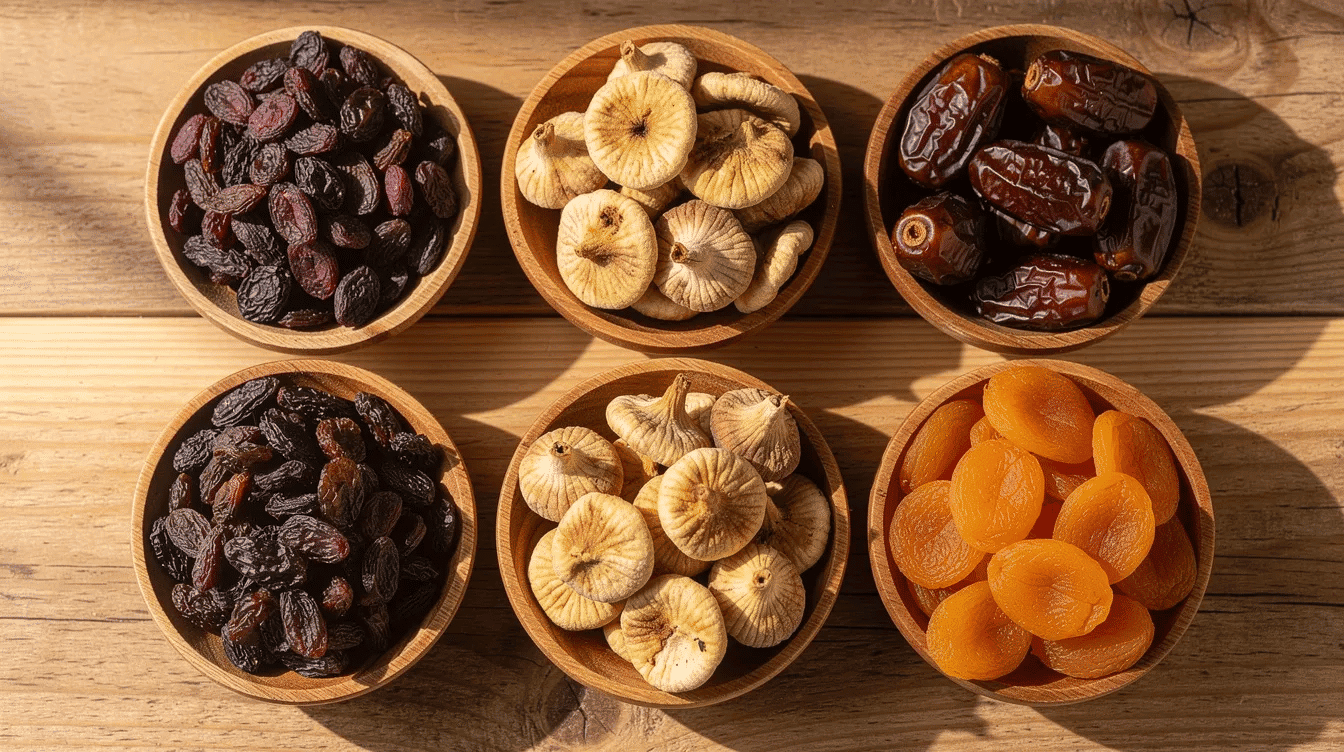
Dried fruits are fresh fruit with their water removed, resulting in naturally sweet, intense flavour and longer shelf life.
Raisins (Kishmish) and black raisins are dried grapes available in golden, green, and black varieties. Raisins are packed with iron and fiber for energy boost, and they boost energy and aid digestion due to high fiber content. They appear in kheer, halwa, pulao, and trail mixes across India.
Dates (Khajoor) come primarily from the Middle East and parts of Rajasthan. Dates are rich in potassium and iron for natural energy and are high in potassium and iron, boosting energy levels throughout the day. They work well in winter sweets, smoothies, energy balls, and for Ramzan fasting. Their quick energy release makes them a favourite pre-workout food.
Dry figs (Anjeer) have a chewy texture studded with tiny edible seeds. They supply calcium, iron, and fiber, supporting bone health, bone density, and bone strength. Anjeer barfi remains a classic Indian sweet.
Dried apricots (Khubani) range from tangy to sweet and are loaded with beta carotene and potassium. Their high vitamin a content makes them excellent for eye health. Apricots also offer mild constipation relief.
Prunes / dried plums are dried plums known for relieving constipation. Prunes improve digestion and maintain bone health with high fiber, plus they deliver vitamin K and antioxidants. Some vitamin c is retained depending on the drying method.
Other options include dried mango, dried cranberries, dried blueberries, and mixed dried berries, useful in breakfast bowls, salads, and baked goods.
Seeds & Other Superfoods Often Counted as Dry Fruits
In Indian kitchens and gift boxes, edible seeds and certain plant foods are frequently grouped under “dry fruits” because they are dry, nutrient rich, and eaten in small amounts.
Pumpkin seeds, sunflower seeds, chia seeds, and flax seeds are rich in plant protein, fiber, and healthy fats. Flax seeds and chia seeds are particularly high in omega-3 ALA, useful for heart health and cholesterol management. Watermelon seeds add zinc and iron to the mix.
Sesame seeds (Til), both white and black, appear in Indian sweets like til ladoo and chikki. They contribute calcium, iron, and healthy fats to the daily diet.
Fox nuts (Makhana) deserve special mention. These popped lotus seeds are low in calories but rich in magnesium and protein, making them a favourite roasted snack and curry ingredient during Navratri and other fasting days.
Dried coconut (Nariyal copra) is a traditional “dry fruit” rich in saturated fat and fiber, used grated in South Indian cooking, sweets, and chutneys. While these items are technically seeds or plant parts, you will find them listed under dry fruits names across Indian markets.
How to Choose the Best Dry Fruits (Freshness, Quality & Labels)
Quality varies widely, so learning to judge good dry fruits saves money and protects your health.
Look for uniform colour (without excessive dark spots unless naturally dark), plumpness in raisins and dates, no rancid smell in nuts, and no visible insects.
Choosing unsweetened varieties without added sugar is advised. Avoid sulphur dioxide and artificial colours that can trigger reactions in sensitive people.
Check packaging: prefer airtight containers or vacuum-sealed packs with a recent packing date, FSSAI marks, and clear storage instructions.
Loose dry fruits from trusted shops may be fresher, but packaged options offer batch details and resealable packs for longer shelf life.
Consider organic versions for items you eat frequently, such as almonds, walnuts, and raisins, if your budget allows.
Daily Intake: How Much Dry Fruit Should You Eat Per Day?
Dry fruits and nuts are calorie-dense, so how much dry fruits and how many dry fruits you eat daily matters. Moderate portions are generally recommended for dried fruits and nuts.
According to ICMR-NIN guidelines, limit dry fruit intake to 20g per day for health. Global studies suggest about 28–30 g of mixed nuts daily can reduce cardiovascular events by roughly 30 %.
Here are practical daily counts:
Consume 5-6 soaked almonds daily for health benefits
2 walnuts (halves)
Eat 4-5 cashews daily for healthy fats and minerals
4-5 pistachios
Eat 8-10 soaked raisins daily for digestion support
Consume 2-3 dates daily for energy and nutrients
Children, athletes, pregnant women, and people managing diabetes or targeting weight loss should adjust portions and consult a dietitian. Use dry fruits at breakfast, as mid-morning or evening snacks, or around workouts. Avoid heavy late-night portions of sugary dried fruits to prevent excess calories and sleep disturbance.
Easy Ways to Use Dry Fruits & Dried Fruits in Everyday Meals
Knowing dry fruits names is useful, but actually eating them daily brings the health benefits.
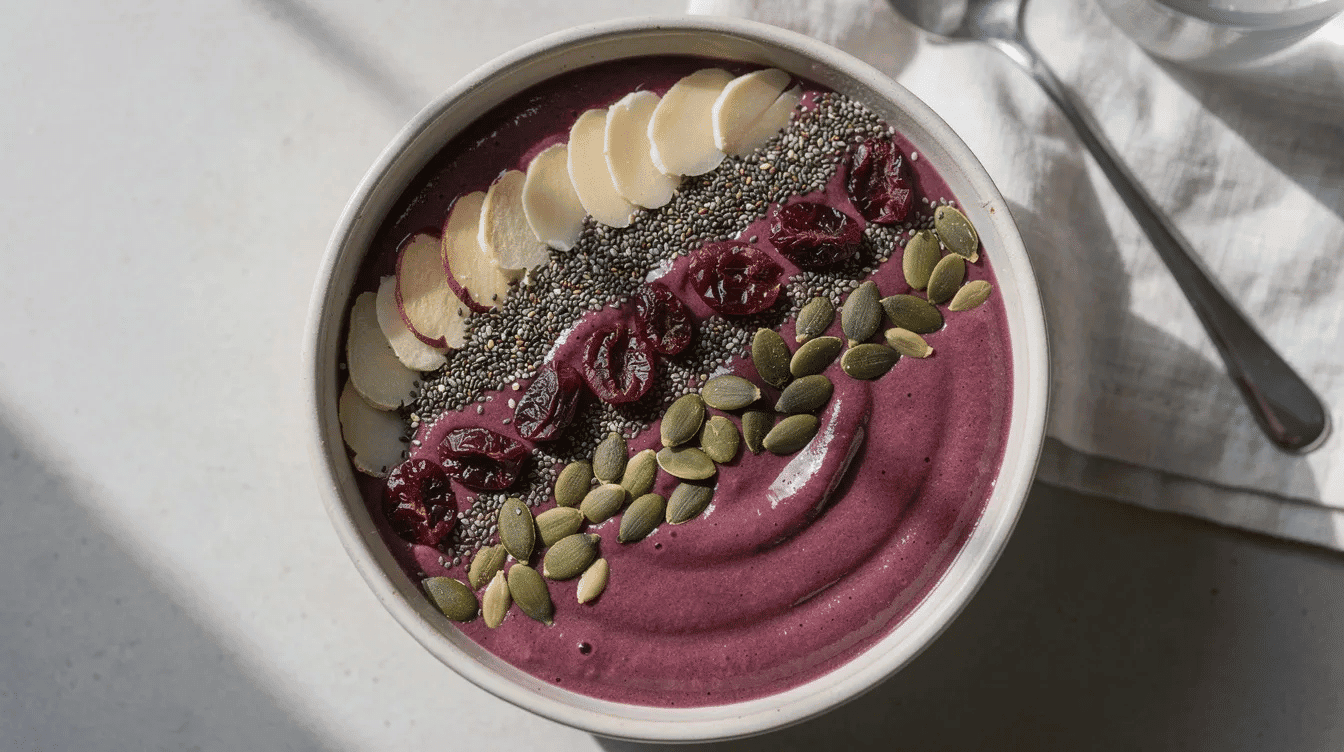
Breakfast: Dry fruits can be mixed into oatmeal, cereals, yogurt, or smoothie bowls. Add chopped almonds, walnuts, raisins, and chia seeds to upma or overnight oats for extra protein and fiber.
Snacks: Build a small homemade dried fruit and nut mix with almonds, pistachios, cashews, fox nuts, and a few dried berries. Make energy ladoos with dates, anjeer, and nuts instead of refined sugar.
Savoury cooking: Stir dry fruits into rice dishes, curries, stuffing, salads, or savory stews. Cashew paste thickens gravies, raisins brighten pulao, and makhana makes a delicious subzi.
Baking: Dry fruits can be added to muffins, breads, cookies, cakes, and granola for nutritional value and texture.
Soaking almonds, raisins, and figs overnight in clean water can make them easier to digest. Use soaked dry fruits within 24 hours if stored at room temperature.
Always measure portions in a small bowl rather than eating directly from a big packet to maintain portion control.
FAQs About Dry Fruits Names & Usage
Below are common questions about dry fruits names, identification, and practical use.
Which dry fruits are best for weight loss?
Lower-calorie, higher-fiber options work best for weight loss. Almonds support weight management and brain health, while pistachios are high in antioxidants and support weight loss. Fox nuts (makhana), chia seeds, flax seeds, and pumpkin seeds are also excellent choices. Limit high-sugar dried fruits like raisins, dates, dried mango, and dried apricots to very small quantities if you are trying to lose weight. About 15–20 g of nuts as a mid-meal snack curbs hunger far better than fried snacks or sweets.
Which dry fruits help with weight gain?
Calorie-dense dried fruits such as dates, raisins, figs (anjeer), prunes (dried plums), and dried apricots help with healthy weight gain when combined with nuts. A simple weight-gain mix includes a small handful of almonds, cashews, and walnuts combined with dates and raisins, taken once or twice a day alongside regular meals. Pair this with balanced, protein-rich food and strength training rather than relying on dry fruits alone.
Are dry fruits safe for people with diabetes?
Plain nuts like almonds, walnuts, pistachios, and peanuts have minimal impact on blood sugar and are usually safe in measured amounts. Sugary dried fruits such as dates, raisins, dried mango, and dried apricots can raise blood glucose quickly, so they should be limited, counted into total carbohydrate intake, and eaten with other foods rather than alone. Always consult a doctor or dietitian to personalise which dried fruits and how much are suitable, especially for those on medication or insulin.
Which is the healthiest dry fruit overall?
No single “best” dry fruit exists. A combination usually works best. Almonds deliver vitamin e and support heart health, walnuts provide omega-3 and brain support, and dates or raisins offer natural iron and quick energy. Choose 3–4 different dry fruits and seeds you enjoy and rotate them through the week for the broadest nutritional value.
What are some unique or lesser-known dried fruit names to try?
Beyond the basics, try dried cranberries, dried blueberries, goji berries, pine nuts (chilgoza), macadamia nuts, and mixed berry blends. These can be added to salads, breakfast bowls, and baking to bring new flavours and antioxidants. Experiment with small quantities first to check taste preference and rule out any possible allergies before buying in bulk.
DannyContent Writer
Hey there, since 2016, my mission has been to provide you with the information and guides you need to make food dehydrating simple and fun. Whether you're a newbie or a seasoned pro, my site offers helpful guides, reviews, and recipes to enhance your dehydrating experience. I take pride in only recommending products I believe in, ensuring my readers' trust. As an affiliate of various programs, including Amazon Associates, your support helps me continue providing quality content. Thanks for stopping by, and happy dehydrating!