We earn a commission if you make a purchase, at no additional cost to you.
09/22/2026 04:39 pm GMT
🍊 Dehydrated Food Info Finder — Temperatures & Drying Times
Choose a category, then pick a food to see its drying temperature and time.
⚠️ Safety Disclaimer: Drying times are estimates and vary based on slice thickness, food moisture content, humidity, and your dehydrator model. Always check for doneness before storing — food should feel dry, leathery, or brittle with no moist spots. Improperly dried food can harbour mould and bacteria. For meat and poultry, follow USDA safe internal temperature guidelines: beef and pork to 160°F (71°C), poultry to 165°F (74°C). Use a food thermometer when in doubt. Store all dehydrated foods in airtight containers in a cool, dark place and discard anything showing moisture, mould, or off odours.
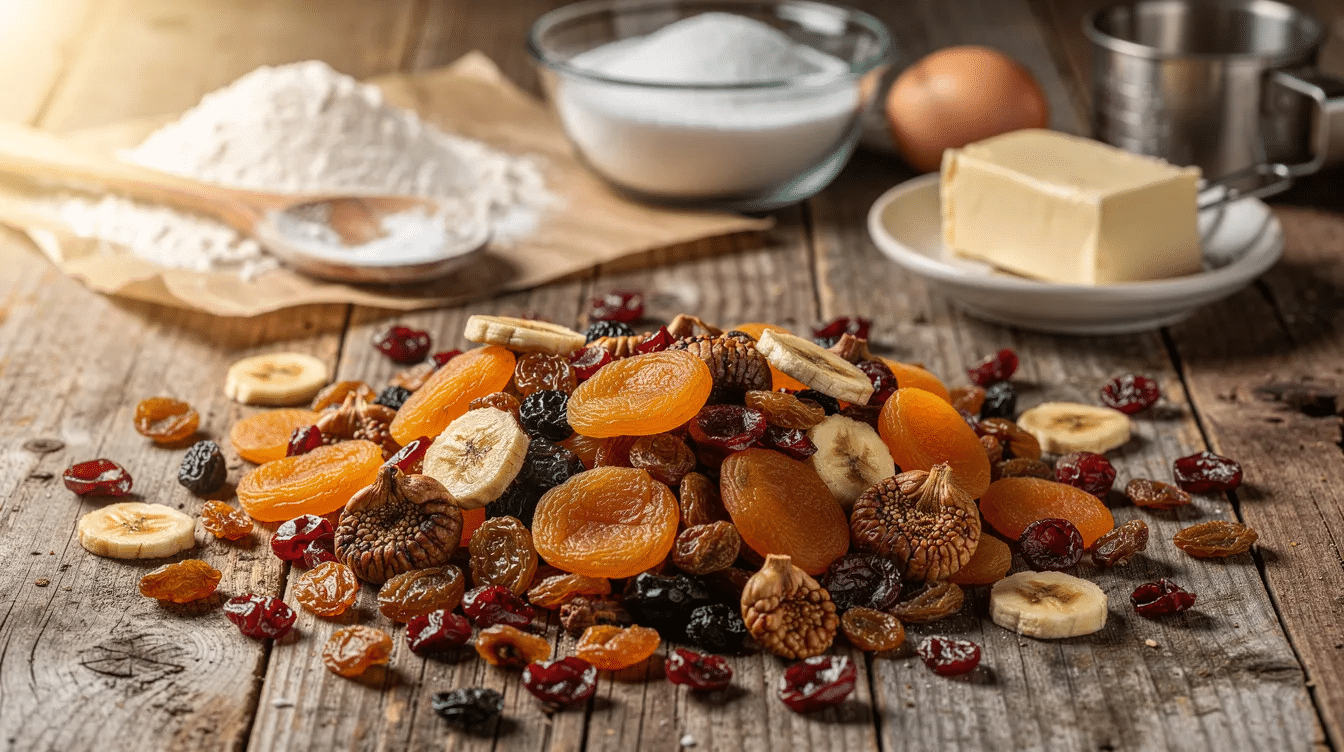
Mixed dried fruit blends are convenient for baking, delivering natural sweetness, chewy texture, and concentrated flavor to everything from holiday fruitcake to everyday muffins. Whether you need a classic vine fruit mix packed with raisins and currants or a vibrant tropical medley, the right dried mixed fruit turns simple batters into memorable baked goods. Below, you’ll find the main types of blends available, what quality indicators actually matter, and how to choose the mix that fits your recipe, budget, and pantry.
Types of Mixed Dried Fruit for Baking
Mixed fruit blends break down into a few distinct categories, each designed for different baking applications and flavor profiles.
Classic Fruit Cake Mix
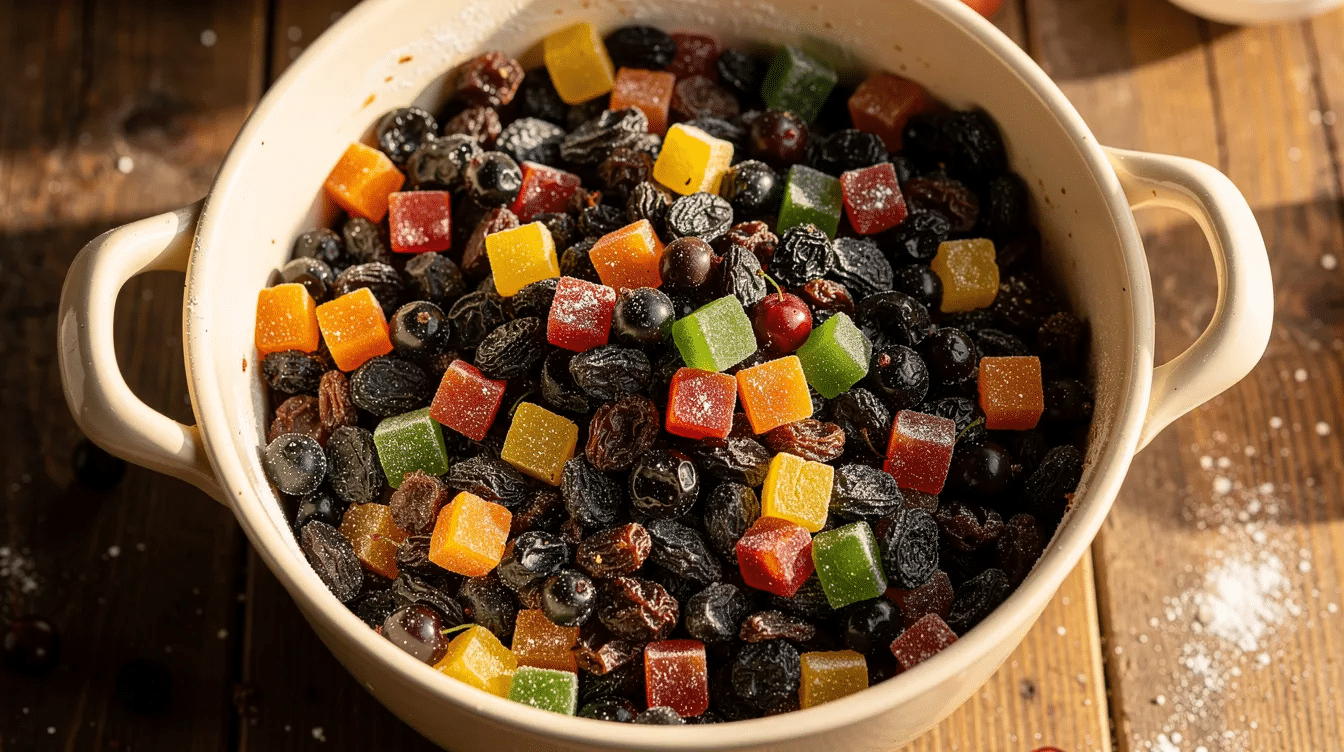
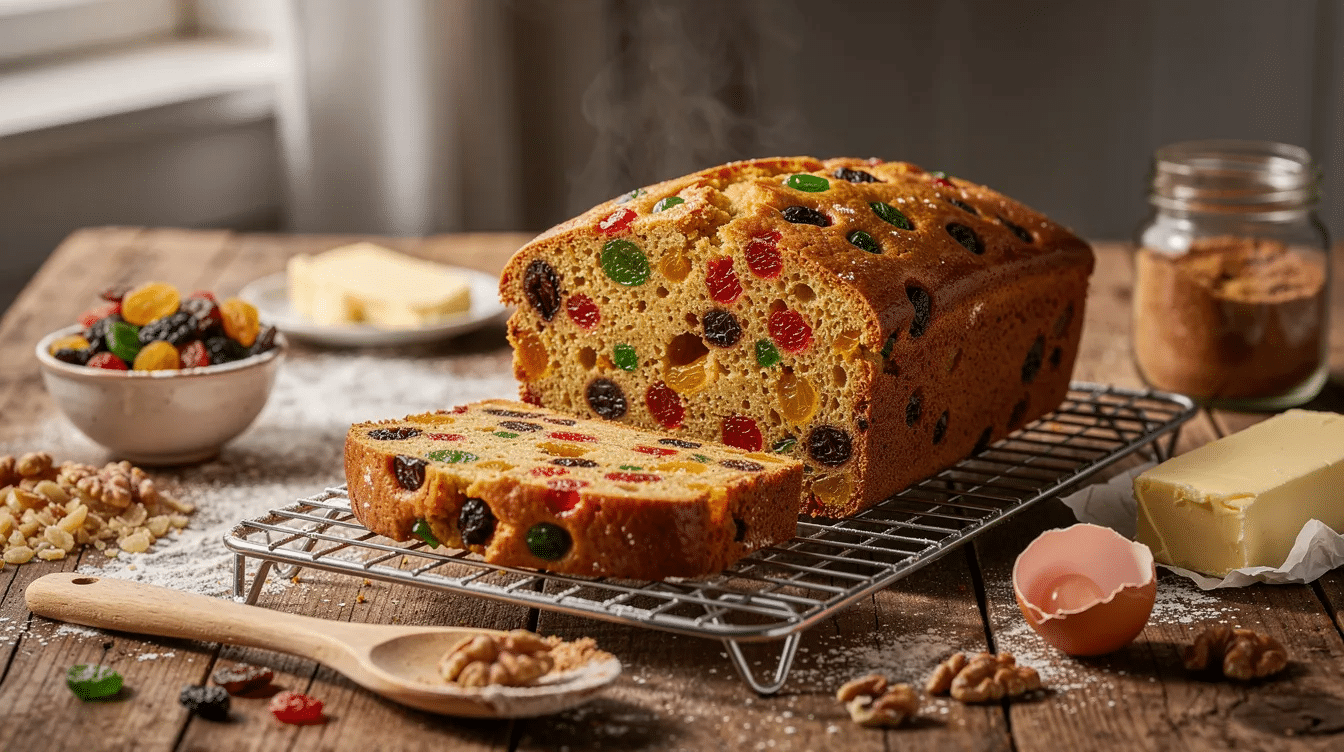
The traditional fruitcake mix combines dark and golden raisins, currants, candied citrus peel, and glacé cherries. This blend carries deep sweetness and rich, dark fruit flavors – exactly what you want in dense holiday cakes, Christmas puddings, and brandy-soaked loaves. Traditional vine fruit mixes are ideal for classic holiday recipes and help retain their shape when soaked. Candied fruit is used in traditional fruitcakes and pastries, contributing both sugar-preserved moisture and visual appeal. These mixes have been central to European baking since the Colonial era, when trade routes brought dried grapes and sugar together in recipes containing 40–60% fruit to batter.
Tropical Fruit Blend
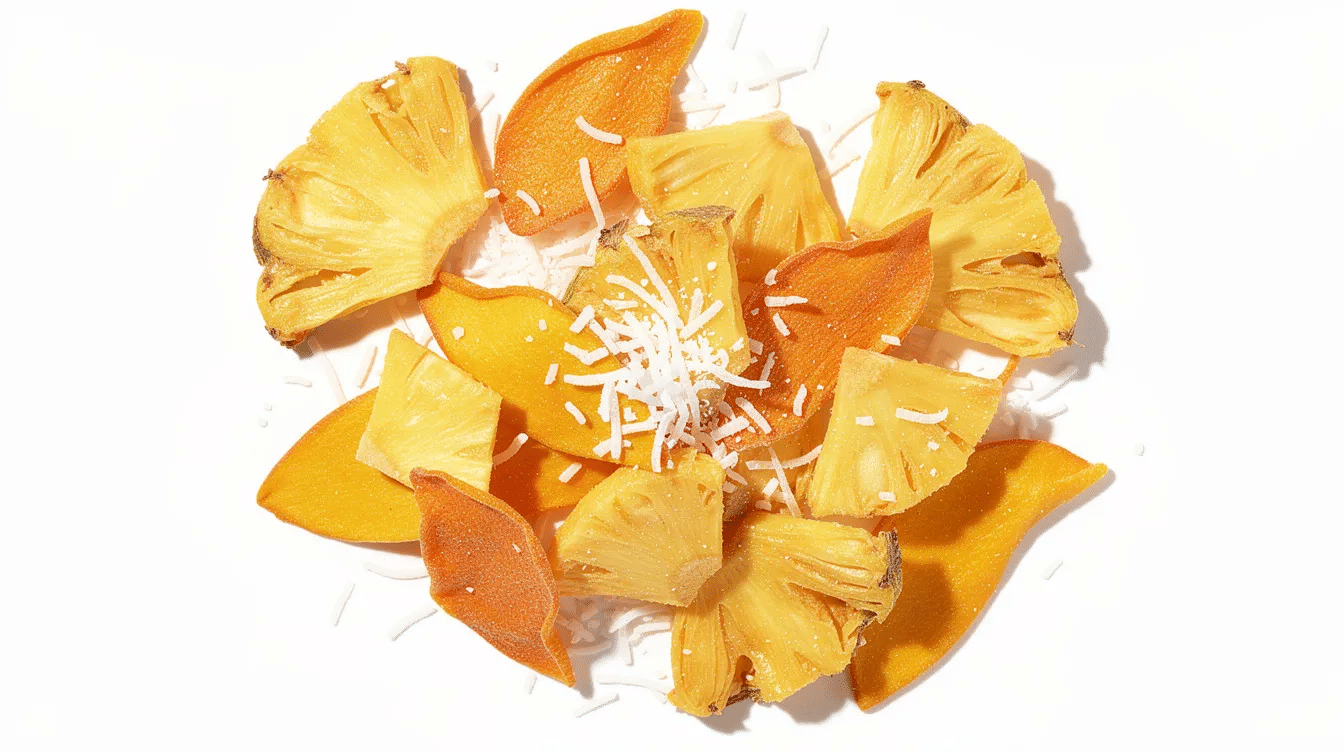
A combination of diced pineapple, papaya, mango, and coconut delivers pronounced acidity, exotic aroma, and vibrant color. These pieces are often sugar-infused or lightly sulfured to preserve their golden and red hues. Tropical fruit medleys work well for tropical-themed baked goods like upside-down cakes or summer quick breads. They’re also a great addition to homemade granola with dehydrated fruits and trail mix where you want sweetness with visual impact.
Berry and Stone Fruit Mix
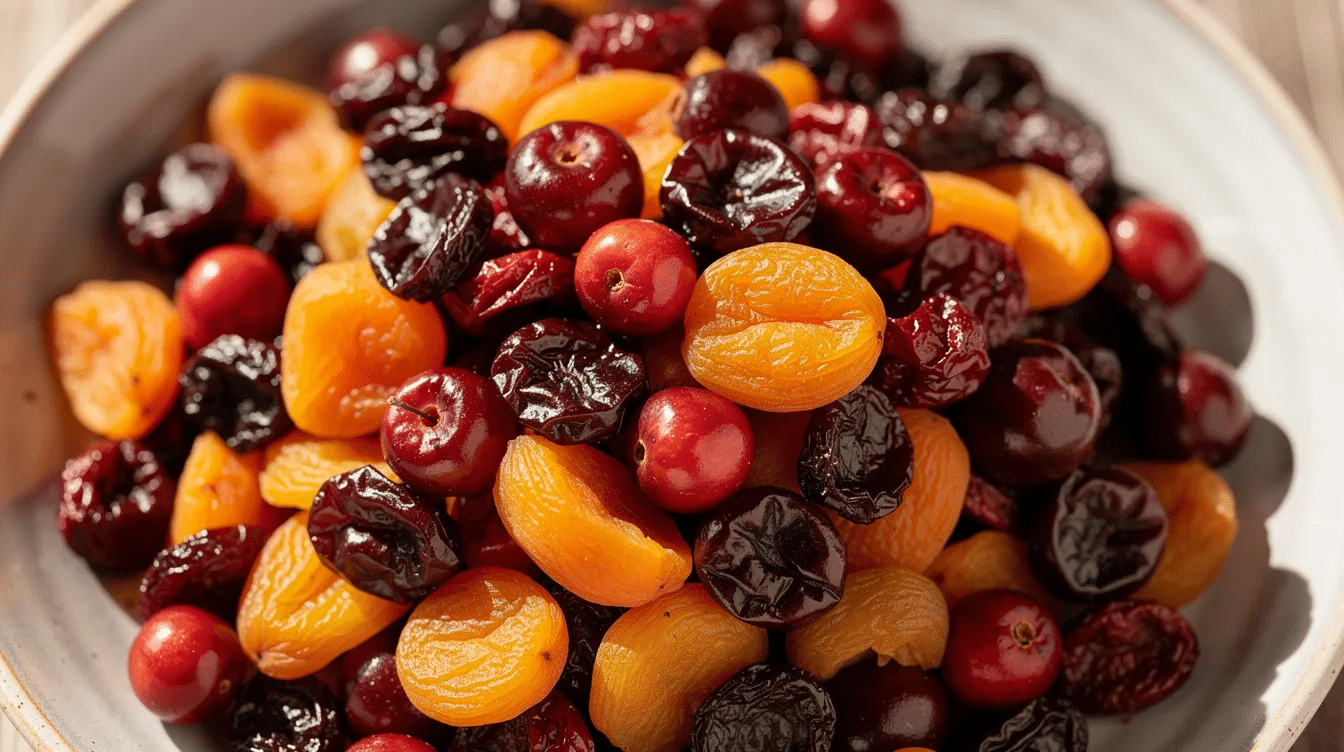
Dried cranberries, tart cherries, blueberries, and chopped dried apricots or apples create a bright and tangy fruit blend that works beautifully in scones, cookies, and artisan breads. Berry and cherry blends add tartness and sophistication to breakfast pastries and cookies. Apricots may be sulfured to maintain a golden appearance or left unsulfured for a deeper, more caramelized flavor. Dried peaches and nectarines occasionally appear in these mixes, adding fiber and a delicious stone fruit dimension.
Premium Baker’s Blend
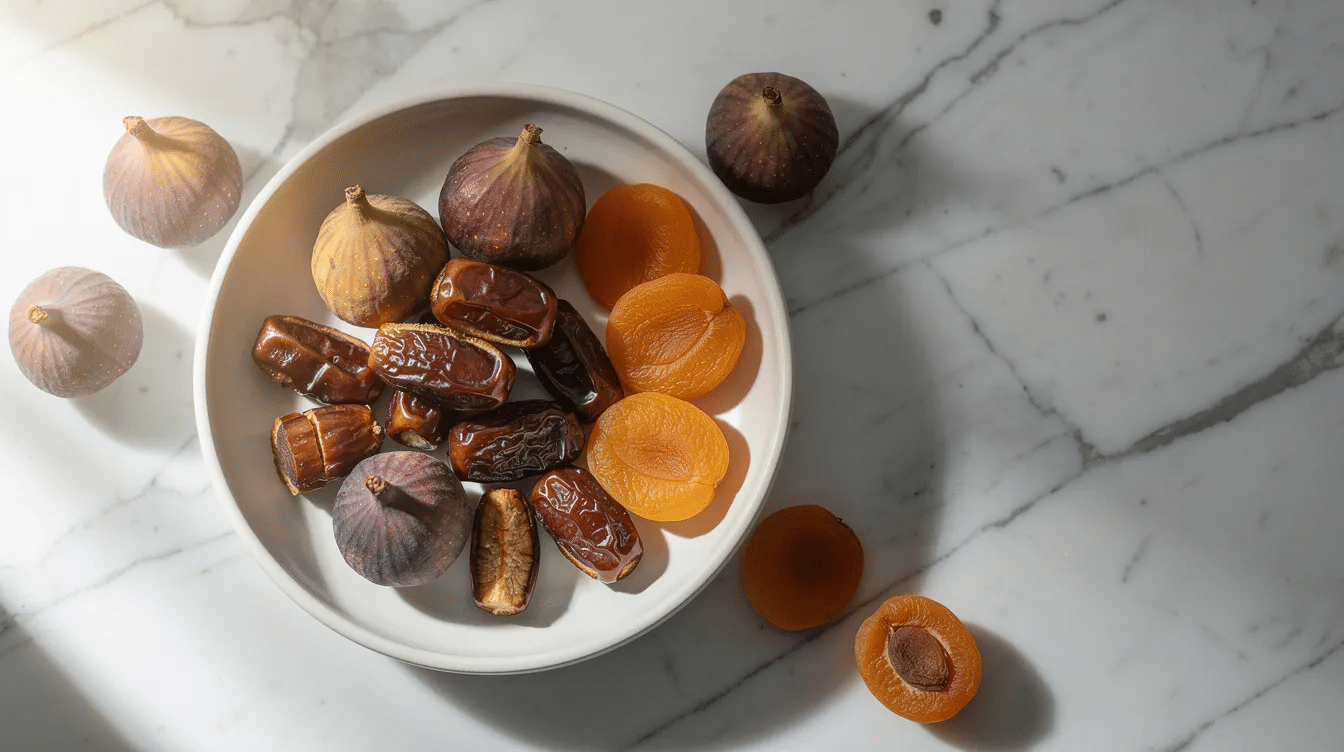
A high-end mix featuring dates, figs, apricots, and golden raisins – often unsulfured, non GMO, or organically processed. Baker’s Fruit Blend includes raisins, apricots, and cranberries for balanced sweetness and texture. Dates and figs bring caramel-like richness and plump, moist interiors, while fig seeds add subtle crunch. These blends are perfect for upscale tarts, gourmet chocolate cakes, and fine pastries where every piece of fruit needs to shine. Dried apricots and dates are popular for baking at this level because their concentrated flavor stands up to complex dessert applications.
What to Look For in Mixed Dried Fruit for Baking
Quality indicators go beyond taste – they determine how your dried fruit actually performs inside batter, dough, and finished baked goods.
Moisture Content and Texture
Moisture content is the single most important factor in baking performance. Most quality dried fruits contain 15–25% moisture by weight, with U.S. specialty crop standards capping certain mixes at 26%. The ideal texture feels like soft leather – pliable and slightly springy, never brittle or rock-hard. Dried fruit acts like a sponge and steals moisture from batter if added dry, which is why plumping dried fruit before baking keeps it moist and prevents it from soaking up too much batter moisture. Understanding how dehydration affects nutrient retention in dried fruits can also inform which products you choose for everyday baking. If fruit is too wet, it can create soggy pockets and steam during baking; too dry, and it disappears into tough, chewy bits.
Processing Methods
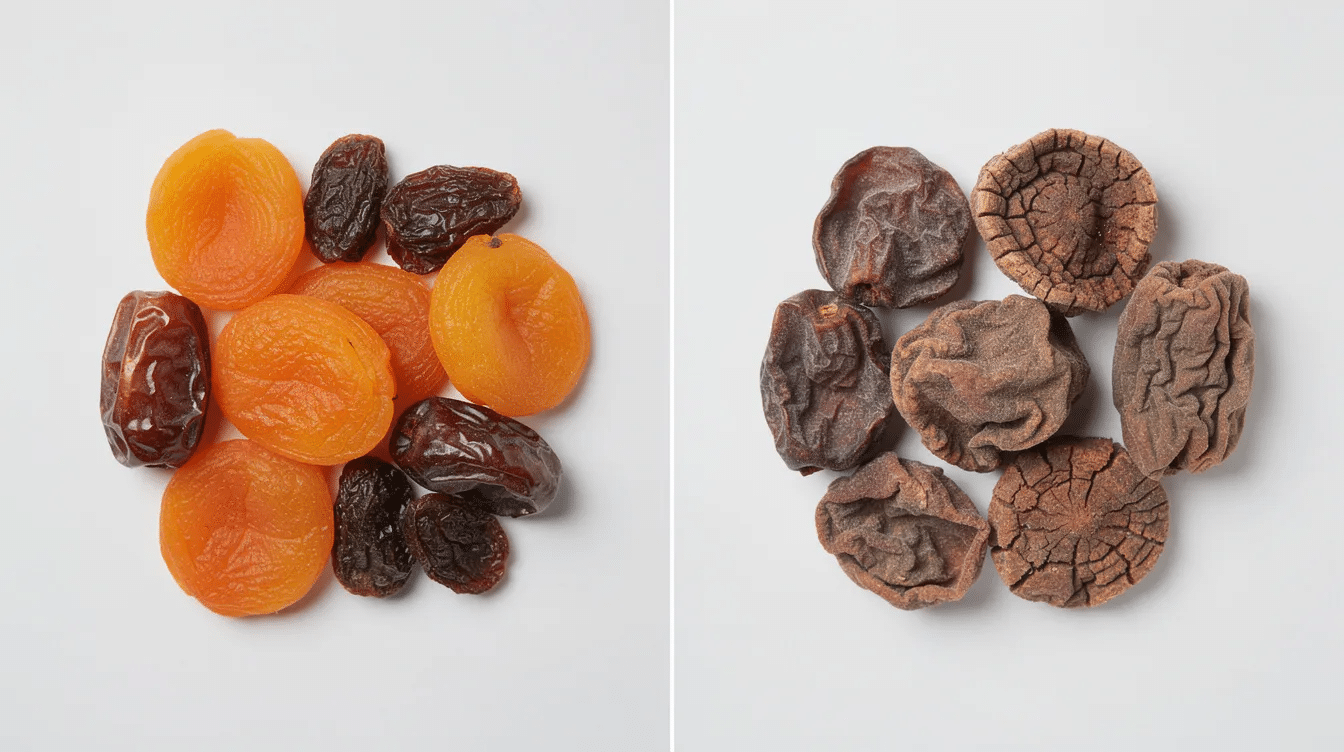
The difference between sulfured and unsulfured fruit matters more than most bakers realize. Sulphur dioxide treatment inhibits enzymatic browning and preserves bright color – important for golden raisins, apricots, and peaches where visual appeal counts. Unsulfured fruit tends to darken but develops richer, more caramelized flavors that suit darker cakes and rustic baking. Avoid blends with artificial colors or unnecessary chemicals if you’re aiming for a clean label. Products labeled vegan, kosher, or gluten free should be verified for processing additives. Naturally dried options typically have an earthier flavor profile that many artisan bakers prefer.
Piece Size and Consistency
Uniformly chopped dried fruit helps prevent heavy pockets that disrupt the texture of baked goods. Chopping large pieces of dried fruit helps achieve uniform distribution in batters – commercial standards often specify dice sizes around ½ × ⅜ × ¼ inch for consistent results. Research confirms that smaller, less compact fruit shapes dry more evenly and retain flavor and color better. Larger chunks retain moisture inside and can cause under-baked zones, while very small pieces may over-brown or disappear entirely. Whether your fruit is sliced, chopped, or whole, consistency within the bag is what you want.
Freshness and Storage
Dried fruit has a long shelf life, making it economical – but only when stored properly. In a cool pantry (below 60–70 °F), expect 4–12 months of optimal quality. Refrigerated at around 40 °F, opened packages last 6–12 months; frozen at 0 °F or below, dried fruit keeps 1–2 years, while specialized packaging and preparation can extend long term dried fruit storage for emergency pantries. Look for vacuum-sealed or oxygen-barrier packaging. Signs of deterioration include visible mold, off odors, sticky surfaces indicating moisture precipitation, and fruit that’s become overly hard. Sugar crystallization (bloom) on the surface is generally harmless, but metallic or sulfurous off-flavors mean the bag should be discarded.
How to Choose the Right Mixed Dried Fruit for Baking
Turning quality features into a decision comes down to four criteria:
Recipe Requirements – Match your blend to the application. Dense, long-baked fruitcake and holiday puddings call for classic candied mixes with higher moisture and sugar content. Mixed dried fruit is ideal for muffins, cakes, and cookies where you need balanced sweetness without overwhelming the crumb. For artisan breads and scones, dried fruit enhances flavor with chewy contrast. Soaking times for dried fruit range from 15 minutes to overnight depending on the recipe – soaking dried fruit prevents it from drying out the batter during baking.
Flavor Profile – Consider whether you need traditional holiday warmth (raisins, currants, candied peel, a splash of brandy), bright tropical sweetness (mango, pineapple, papaya), or sophisticated tartness (cranberries, cherries, apricots). Mixed dried fruit adds sweet tanginess to baked goods, and dried fruit can enhance flavors in baked goods and sauces alike. Some blends incorporate warming spices like ginger for additional complexity.
Processing Preferences – Choose between organic, unsulfured options for clean-label baking and sulfured varieties for color preservation. Dried fruits are lower sugar options for baking compared to many candied alternatives with sugar added. If dietary restrictions matter, check for gluten free, kosher, vegan, and non GMO certifications. Those sensitive to sulphur dioxide should specifically seek unsulfured blends.
Budget and Quantity – Classic mass-produced mixes are the most cost-effective and often a best seller for home baking. Premium unsulfured organic or freeze-dried options cost more but deliver superior flavor per piece. Using mixed dried fruit simplifies ingredient preparation compared to purchasing individual bags of raisins, cranberries, figs, and apricots separately. For commercial bakers, bulk consistency and custom blending may justify the investment.
Frequently Asked Questions
What’s the difference between mixed dried fruit and individual dried fruits for baking?
Mixed dried fruit blends are convenient for baking because they offer pre-balanced sweetness, texture variety, and flavor complexity in a single bag. You get all the dried fruit you need – raisins, cranberries, apricots, cherries – without buying and measuring each separately. Mixed dried fruit enhances flavor in cakes and cookies with minimal prep. Individual fruits give you more control over piece size, soaking, and ratios, which matters for specialized recipes. Dried fruit can also be used in granola and trail mix, or combined in a nutritious dried fruit and nut mix recipe, making blends versatile beyond baking as a healthy snack.
How do I prevent dried fruit from sinking to the bottom of my cake batter?
Tossing dried fruit in flour before adding it to batter prevents sinking during baking. The flour toss technique can help keep chopped dried fruit suspended evenly in cake or muffin batter by creating a light coating that grips the surrounding batter. Pat pieces dry first if they’ve been soaked or rehydrated. Gentle folding of dried fruit into batter prevents overmixing, which can make baked goods dense. A thicker, more viscous batter naturally suspends fruit better than a thin, pourable one.
Can I substitute fresh fruit for mixed dried fruit in baking recipes?
Fresh fruit contains 70–90% water compared to dried fruit’s 15–25%, so the substitution requires significant recipe adjustment. You’ll need roughly 3–4 times the weight of fresh fruit to equal the same amount of dried, and you must reduce other liquids in the recipe. Fresh fruit also breaks down faster during baking and releases more moisture, which can make crumb structure unpredictable. If you like to prep ingredients yourself, understanding which fruits you can dehydrate at home helps you stock custom mixes for baking. Dried fruit is generally not a direct substitute in recipes designed for fresh, and vice versa – treat them as different ingredients. Avoid overbaking baked goods with dried fruit as it can become chewy if baked too long.
How long does mixed dried fruit stay fresh for baking?
Stored in a cool, dry pantry below 70 °F, quality dried fruit lasts 4–12 months. Refrigerated, expect 6–12 months; frozen, 1–2 years. Temperature is the dominant factor in quality degradation – more so than packaging material. Keep fruit in airtight, moisture-proof containers, and avoid repeated openings of large bags. Best practices for using dried fruit include rehydrating, chopping evenly, and tossing in flour before adding to batter to get the most from your mix. If you snack on leftover ingredients, choosing the top dried fruits for health and nutrition lets your baking pantry double as a wellness pantry. Watch for mold, off odors, excessive stickiness, or a stale flavor – any of these mean the fruit will compromise your baking.
Find Your Perfect Baking Blend
Choosing the right mixed dried fruit comes down to matching your blend to the recipe, selecting the processing style that fits your food preferences, and storing it properly for reliable results. Whether you’re preparing a traditional holiday fruitcake soaked in brandy, bright cranberry-studded scones, or delicious tropical muffins, the right dried fruit mix transforms simple recipes into something memorable. You can even keep a rotating selection on hand with a dried fruit subscription box that delivers new blends to try. Browse the collection to find blends featuring everything from plums and prunes to dried pears and sweet figs – and stock your pantry for the holidays and beyond.
DannyContent Writer
Hey there, since 2016, my mission has been to provide you with the information and guides you need to make food dehydrating simple and fun. Whether you're a newbie or a seasoned pro, my site offers helpful guides, reviews, and recipes to enhance your dehydrating experience. I take pride in only recommending products I believe in, ensuring my readers' trust. As an affiliate of various programs, including Amazon Associates, your support helps me continue providing quality content. Thanks for stopping by, and happy dehydrating!