If you’ve ever wondered how to preserve your garden’s summer harvest or make homemade beef jerky that rivals anything from a specialty shop, a metal tray food dehydrator is likely the answer you’ve been looking for. These appliances use warm, circulating air to slowly remove moisture from food placed on stainless steel or chrome-plated trays, transforming fresh fruits, vegetables, herbs, and meat into shelf-stable snacks without cooking them.
Quick Overview: What Is a Metal Tray Food Dehydrator?
A metal tray food dehydrator is an electric countertop appliance designed to dry foods using controlled heat and airflow. Modern units typically feature 6 to 10 trays, digital controls with LED displays, and a temperature range spanning roughly 85°F to 165°F. This makes them suitable for everything from delicate herbs at the low end to safe meat jerky production at higher temperatures.
People use these machines for a wide variety of projects: making jerky from beef, turkey, or game; drying apple slices, banana chips, and strawberries; preserving herbs like basil and oregano from the garden; creating vegetable chips for healthy snacks; and preparing lightweight meals for camping or long-term storage.
The distinguishing feature of these dehydrators is their stainless steel trays, which offer clear advantages over plastic alternatives:
Durability: Metal trays resist warping, cracking, and degradation over years of use
Food safety: Quality stainless steel is BPA free and doesn’t leach chemicals at higher temperatures
Easy cleaning: Most stainless trays are dishwasher safe and won’t absorb odors or stains from strongly scented foods
Temperature tolerance: Metal handles higher drying temperatures without risk of melting or deformation
Professional results: Even heat distribution across metal surfaces promotes consistent drying
Key Features of Metal Tray Food Dehydrators
When shopping for a tray food dehydrator with metal construction, you’ll encounter a range of specifications and features. Here’s a practical checklist of what to look for before making a purchase.
Tray material: Look for food-grade 304 stainless steel, which is the industry standard for durability and corrosion resistance. Some budget models use 201 stainless or chrome-plated steel, which works but may not last as long. Six stainless steel trays is common in entry-level units, while premium models offer 8 or 10. Most metal trays are dishwasher safe and won’t retain odors from garlic, onions, or jerky seasoning.
Tray count and drying space: A 6-tray unit provides roughly 5 to 6 square feet of drying space, suitable for occasional use. An 8-tray model typically offers around 7 to 8 square feet, handling larger batches of apples or several pounds of sliced meat. If you regularly prep foods in quantity, a 10-tray cabinet gives you enough space to process a full harvest in one run, similar to what you’d expect from large-capacity food dehydrators.
Airflow design: Horizontal airflow from the back, similar to a convection oven, is preferred because it moves warm air evenly across all trays without forcing you to rotate them. Vertical airflow from the top or bottom can work but often requires periodic tray rotation for consistent results and may cause flavor mixing between levels.
Temperature range: Most quality dehydrators offer settings from about 85°F to 165°F. Lower temperatures (85–100°F) work for delicate herbs. Mid-range settings (125–140°F) suit most fruits and vegetables. Higher temperatures (150–165°F) are necessary for safe jerky production.
Digital control panel: Modern units feature digital controls with LED or LCD displays showing current temperature and remaining time. Look for timers that extend to at least 24 hours, with premium models offering 48 to 80 hours for slow-drying projects. An automatically shut off feature at the end of the cycle prevents over-drying and saves energy.
Glass door or viewing window: A stainless frame with a tempered glass door lets you monitor the drying process without opening the unit and losing heat. This is helpful during long runs when you want to check progress every few hours.
Safety features: Quality units include overheat protection, non-slip feet to keep the machine stable on your counter, and food-grade interior surfaces. Check that the power cord is at least 3 to 4 feet long to reach your outlet comfortably.
Metal Trays vs Plastic Trays
Tray material is one of the biggest differences between entry-level and premium dehydrators, and it significantly affects your experience, results, and long-term satisfaction with the machine. Understanding this difference helps you make a smarter purchase decision, especially when you compare stainless steel vs plastic dehydrators.
Advantages of stainless steel trays:
Tolerate higher temperatures without warping, essential for jerky at 150°F or above
Completely BPA free trays with no risk of chemical leaching
Scratch-resistant surfaces that maintain a smooth finish for years
Won’t absorb colors, flavors, or odors from strongly scented foods like peppers or onion
Often last the lifetime of the dehydrator with proper care
Potential downsides of metal trays:
Slightly heavier, making a fully loaded 8-tray unit more substantial to move
Dehydrators with metal construction typically cost more upfront
Trays can rattle or make light noise during loading if not seated properly
Plastic tray comparison:
Lighter weight and lower appliance cost
May stain permanently from tomatoes, beets, or turmeric
Can absorb odors that carry over to future batches
Some plastic materials are limited to lower temperatures
May warp over time with repeated heating cycles
Real-world scenario: Consider someone who purchased a plastic-tray starter unit for $60 to try dehydrating. After a year of making fruit snacks, they want to branch into jerky. They discover their plastic trays aren’t rated for the 160°F needed for safe meat drying, and the trays have absorbed a faint strawberry scent that transfers to everything. Upgrading to a mid-range stainless model around $200–$250 solves both problems and becomes a great machine they’ll use weekly for years.
If you plan to dry foods regularly, work with meat, or process strongly scented vegetables from your garden, metal trays are worth the investment.
How a Metal Tray Food Dehydrator Works
The drying process in a metal tray food dehydrator is straightforward: warm air circulates continuously around the food, causing moisture to evaporate slowly without cooking. The food retains most of its nutrients, flavor, and color while losing enough water content (typically below 20%) to prevent bacterial growth and enable long-term storage.
The heating element, usually rated between 400 and 800 watts on typical countertop units, warms ambient air to your selected temperature. A fan, positioned at the rear in horizontal-flow models, pushes this warm air across all trays simultaneously. The moisture-laden air exits through vents, and fresh dry air enters to continue the cycle.
Here’s the typical workflow:
Preheat: Set your desired temperature and allow the unit to warm up for 5 to 10 minutes
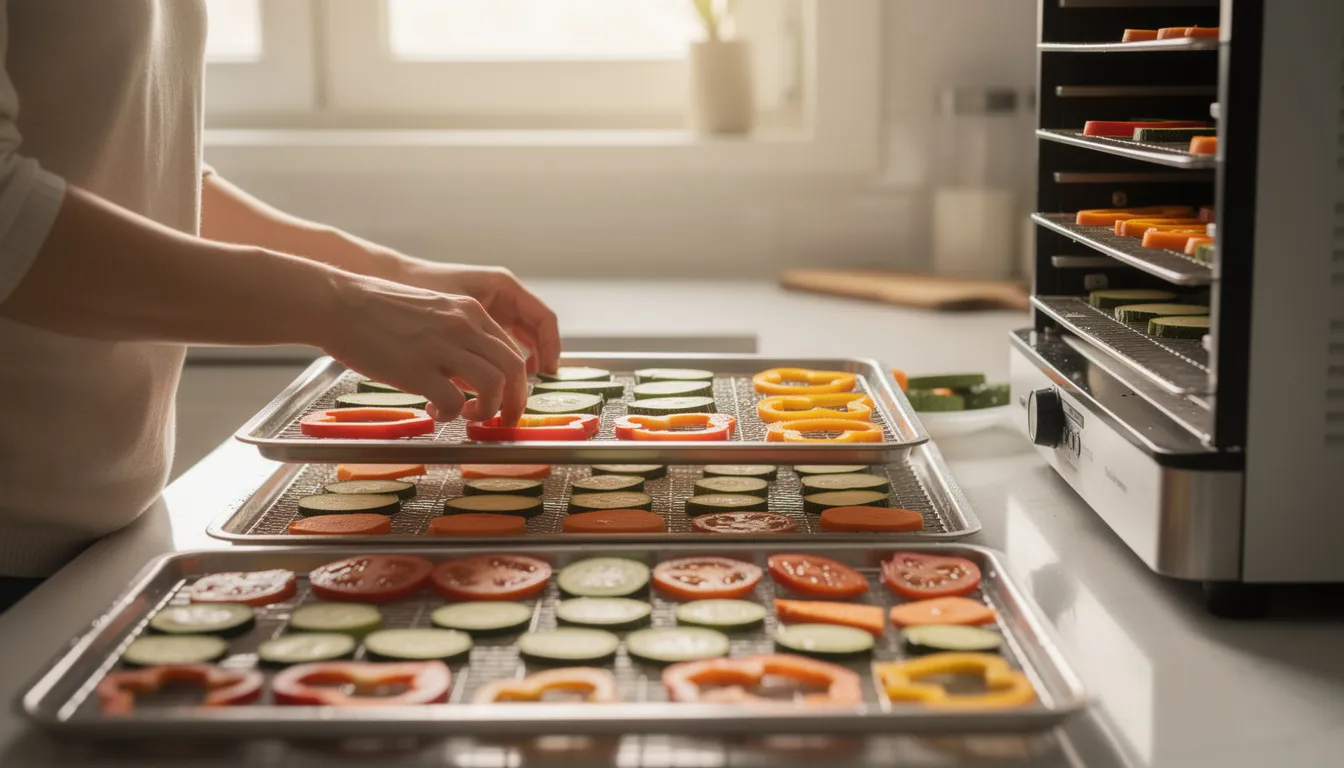
Load trays: Arrange sliced food in a single layer on each metal tray, leaving small gaps for airflow
Set timer: Program the run time based on the food type, thickness, and moisture content
Monitor: Check progress periodically through the glass door; horizontal airflow ensures you usually don’t need to rotate trays
Test for doneness: Remove a piece, let it cool, and check texture before concluding the cycle
Variable heat technology: Some advanced dehydrators use gentle temperature cycling rather than constant heat. This approach helps prevent case-hardening, where the outer surface dries too quickly and seals in interior moisture. Periodic temperature fluctuations allow the inside to “catch up” with the outside for more even results.
Reduced flavor transfer: With horizontal airflow and metal trays, you can dry foods with different flavors on various trays during the same run. The sideways air movement prevents drips from landing on foods below and minimizes scent mixing between apples and onions, for example.
Choosing the Right Metal Tray Food Dehydrator
Selecting the right dehydrator comes down to matching the unit’s capacity and features to your specific needs. Here’s a practical buying guide focused on metal tray models.
Capacity by tray count: A 6-tray stainless unit can handle roughly 3 to 4 pounds of sliced apples or 2 to 3 pounds of beef strips per batch. An 8-tray model increases this to about 5 to 6 pounds of fruit or 3 to 4 pounds of meat. A 10-tray cabinet suits serious users processing 7+ pounds per run or those who want room to add accessories like fruit roll sheets without sacrificing primary drying space.
Kitchen space and footprint: Most metal tray dehydrators measure approximately 17 to 20 inches wide, 14 to 18 inches deep, and 13 to 17 inches tall. Weight typically ranges from 20 to 30 pounds fully loaded. Measure your counter space and ensure you have at least 4 inches of clearance on all sides for proper ventilation during operation; large units such as 10-tray dehydrators like the Weston need especially careful space planning.
Temperature control and timer: Prioritize models with adjustable thermostats in 5°F or 10°F increments. A 24-hour timer with automatic shut-off lets you start a batch before bed without worrying about over-drying. Units with 48 to 80 hour timers accommodate special projects like thick jerky or whole fruit drying.
Noise level: Metal cabinet dehydrators with rear-mounted fans typically run quieter than many kitchen appliances, producing a consistent fan hum similar to a bathroom exhaust. They’re generally suitable for overnight operation in a kitchen adjacent to living areas, though individual models vary, and compact models like the NutriChef stainless steel dehydrator are often chosen for quiet, everyday home use.
Accessories to consider: Look for compatibility with fine-mesh stainless liners for drying small items like herbs or granola, solid sheets for fruit leather, and stainless drip trays for jerky. Since accessories can affect airflow and run time, it’s worth understanding how dehydrators use electricity and operate efficiently. Purchasing accessories sized specifically for your unit’s metal trays ensures proper fit and airflow.
Budget brackets:
Basic 6-tray stainless units: approximately $120–$170
8-tray digital stainless models: approximately $200–$300
Large cabinet or dual-fan stainless dehydrators: approximately $400–$600
For shoppers watching their spending, it can help to compare the best food dehydrators under $100 before committing to a higher-priced stainless model. The Cosori dehydrator vs Excalibur comparison is a good example of how mid-range stainless models stack up against larger, more advanced units. The Cosori dehydrator and similar mid-range stainless models fall in the $200–$300 range, offering digital controls, horizontal airflow, and a recipe book to help new users get started.
Best Uses and Popular Foods to Dry on Metal Trays
A metal tray food dehydrator opens up a wide range of possibilities for homemade snacks, meal prep, and long-term food storage. Here are concrete ideas for how people actually use these machines at home.
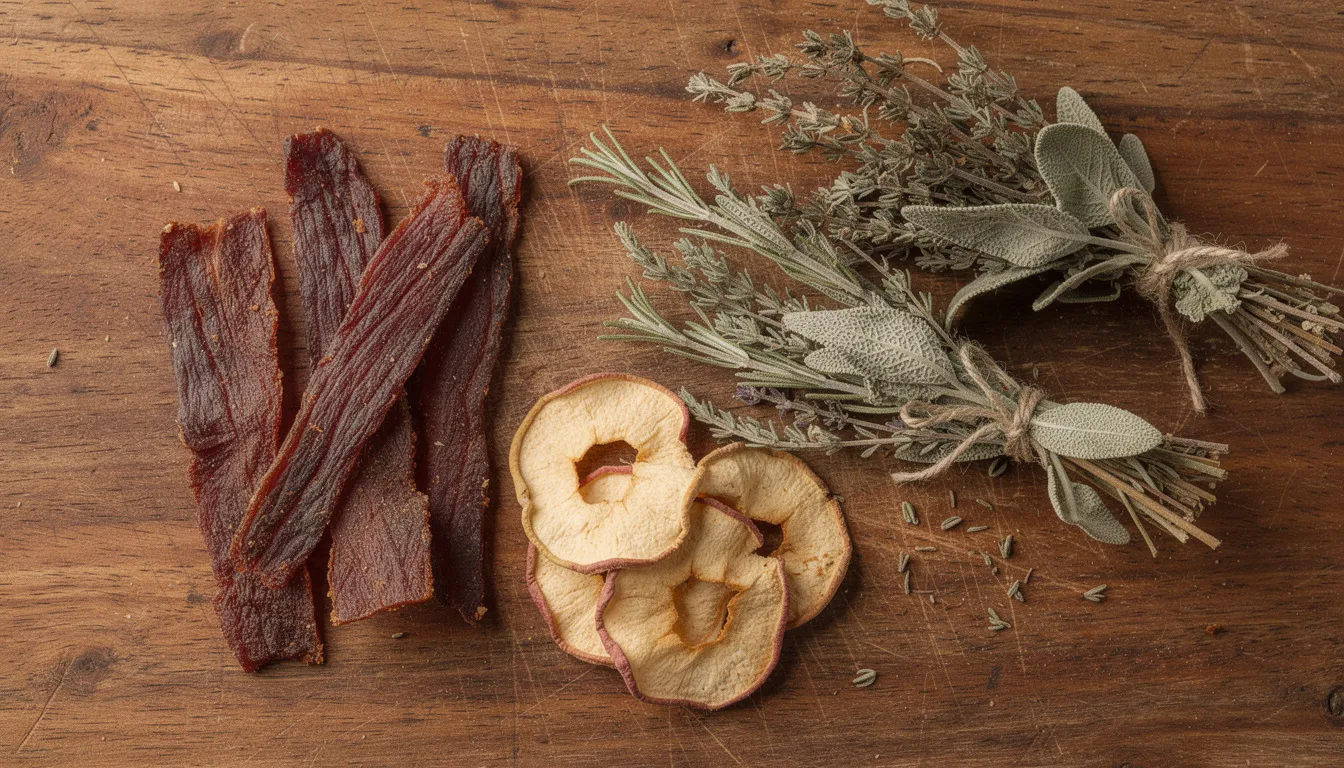
Beef jerky and meat snacks: The ideal temperature range for dehydrating jerky is around 150–165°F, which metal trays handle easily without warping. Slice meat 1/8 to 1/4 inch thick, marinate with your preferred jerky seasoning, and plan for 4 to 8 hours depending on thickness. Turkey, venison, and other game work equally well.
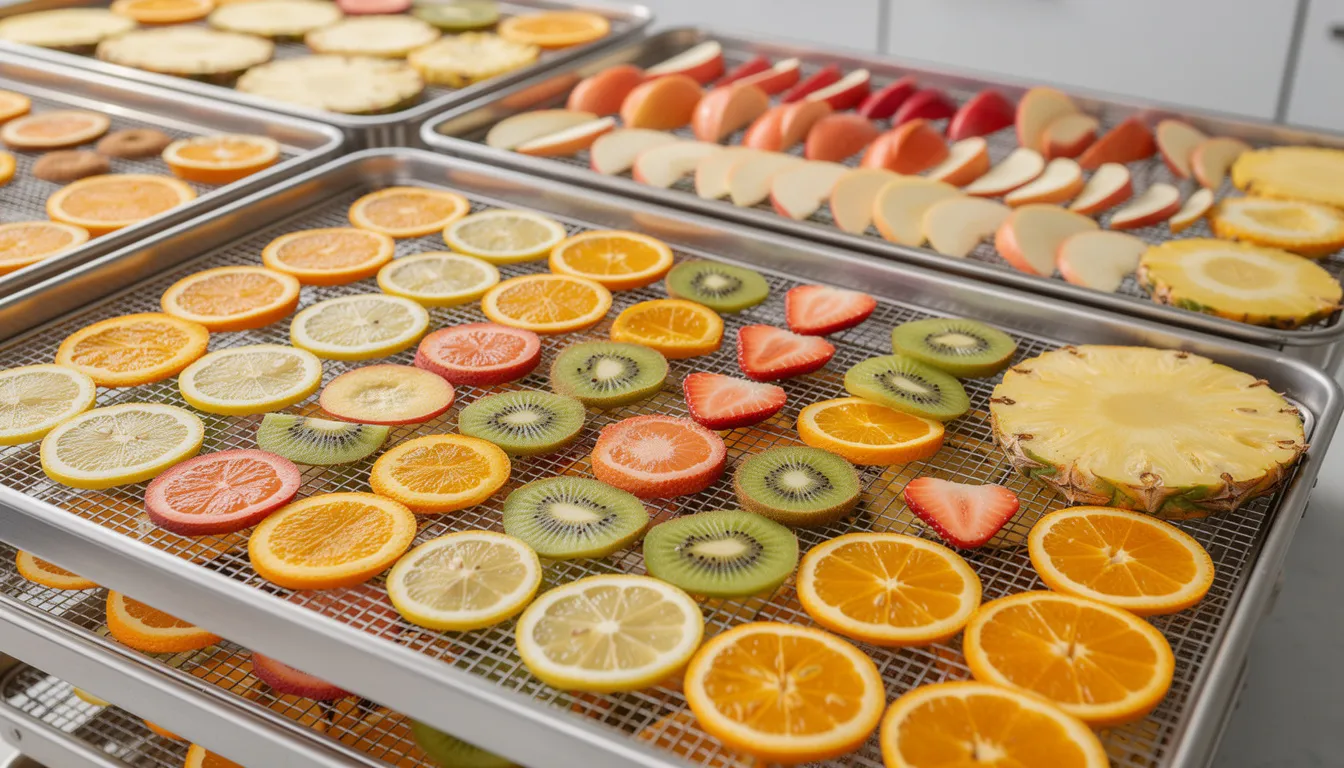
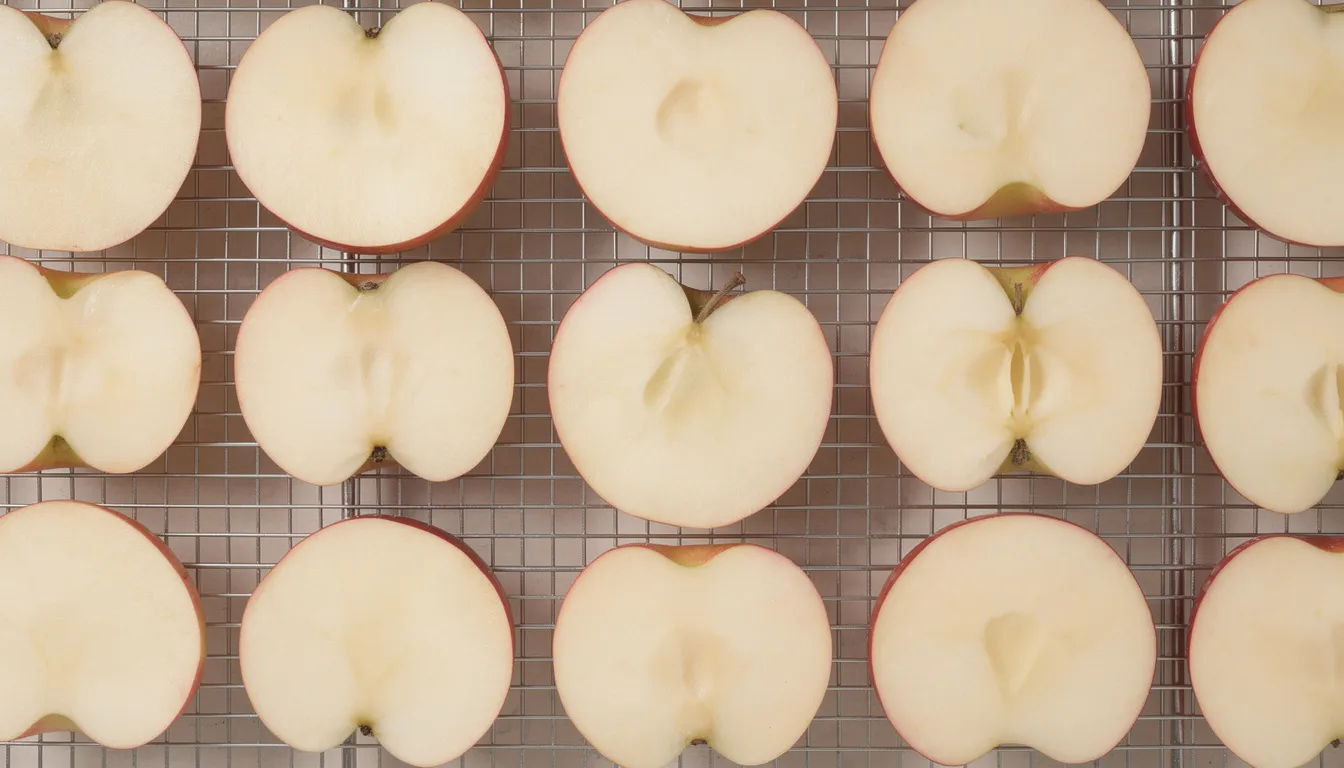
Fruits: Apples, pears, bananas, strawberries, and citrus slices are popular choices. Apple rings typically take 6 to 10 hours at 130–135°F depending on thickness. Bananas dry faster at 4 to 6 hours. Strawberry halves need around 8 to 14 hours for chewy to crisp results.
Vegetables and herbs: Bell peppers, tomatoes, zucchini chips, and kale chips dry well at 125–135°F, usually in 6 to 12 hours. Delicate herbs like basil, oregano, mint, and thyme work best at lower temperatures (95–105°F) for 2 to 4 hours. Use fine-mesh liners on your metal trays to prevent small leaves from falling through.
Specialty projects: Yogurt drops for kids’ snacks, homemade dog treats from sweet potato or green beans, fruit leather using dehydrator sheets and solid liners atop the metal trays, and nuts or granola at low temperatures for raw food preparation.
Example weekend session: In late summer 2026, load a full 8-tray batch with apples from your local orchard on four trays and ripe bananas on the remaining four. Slice everything uniformly with a mandoline, dip apple slices in light lemon water to prevent browning, and arrange in single layers. Set the temperature to 135°F and the timer for 10 hours. Start mid-morning, check progress in the late afternoon, and pull the bananas first when they reach your preferred texture. The apples finish by evening, giving you a week’s worth of healthy snacks from one session.
Practical Tips for Even Drying on Metal Trays
Achieving great results depends as much on preparation and loading technique as on the dehydrator itself. Here’s a checklist of methods that help ensure consistent drying across every tray.
Slice uniformly: Use a mandoline slicer set to 1/8 to 1/4 inch for most fruits and vegetables. Uniform thickness means every piece dries at approximately the same rate, so you won’t have some pieces overdone while others remain underdone.
Pre-treat when needed: A brief dip in lemon water (1 tablespoon lemon juice per cup of water) reduces browning on apples, pears, and bananas. For jerky, ensure marinade is evenly distributed and blot excess liquids before loading.
Space properly: Arrange food in a single layer without overlapping. Leave small gaps between pieces so warm air can flow freely across each metal tray surface. Overlapping pieces create moist spots and uneven results.
Tray rotation: With horizontal airflow dehydrators, you typically don’t need to rotate trays during the cycle. However, if you’re running an exceptionally full batch or notice the bottom tray drying slightly slower, swap top and bottom trays once at the midpoint.
Check early for doneness: Start testing 1 to 2 hours before the recipe’s maximum time suggests. Remove a piece, let it cool completely (texture firms as it cools), and bend or break it to check moisture content. Fruits should be pliable with no wet spots; jerky should bend and crack slightly without breaking completely.
Account for different times: When drying multiple food types simultaneously, place faster-drying items on easily accessible trays so you can remove them without disturbing the rest of the batch. This is especially important with smaller, budget-friendly units such as compact 5-tray dehydrators, where tray access and spacing are more limited.
Cleaning and Maintenance of Metal Trays and Cabinet
One of the main advantages of metal trays is straightforward, thorough cleaning that keeps your dehydrator hygienic and performing well for years. Stainless steel doesn’t harbor bacteria in scratches or absorb residues the way some plastics can.
Routine cleaning: Allow the unit to cool completely after each use. Remove the metal trays and soak them in warm, soapy water if needed. Most stainless steel trays are dishwasher safe—check your manual to confirm. The trays typically come out spotless with a standard dishwasher cycle.
Interior maintenance: Wipe down the interior metal surfaces with a damp cloth and mild detergent. Avoid harsh abrasives, steel wool, or chlorine-based cleaners that could scratch or damage the polished stainless steel finish.
Handling sticky foods: When drying fruit leather, very ripe fruits, or marinaded items, use parchment paper, silicone liners, or dedicated fruit roll sheets on top of your metal trays. This prevents residue from baking onto the tray surface and makes cleanup much faster.
Fan and vent care: Some models have non-removable fan screens or intake grills. Gently brush off any dried particles using a soft brush or vacuum attachment. Avoid excess moisture near electrical components.
Periodic deep maintenance: Every few months for frequent users, inspect the power cord for wear, check that the door seal sits flush without gaps, and clean any buildup on vents and intake grills that could restrict airflow.
Safety, Storage Life, and Food Quality
Correct temperature control during drying and proper storage afterward are essential for producing safe, long-lasting dehydrated food. Metal trays support consistent drying, which helps minimize pockets of residual moisture that could shorten shelf life or create food safety issues.
Safe temperature guidelines: Delicate herbs dry safely at 95–115°F. Most fruits and vegetables work well at 125–135°F. Meat jerky requires at least 150°F (ideally 160–165°F) to reduce pathogen risk. The USDA recommends heating meat to 160°F before or during dehydration to ensure safety.
Expected storage life: Most properly dried foods last 4 months to 1 year in airtight containers stored in cool, dark conditions. Jerky and chewy fruit leather tend toward the shorter end of this range due to slightly higher residual moisture. Crispy dried vegetables and herbs can last a full year or longer.
Storage methods: Use glass jars, vacuum-sealed bags, or mylar pouches with oxygen absorbers for maximum shelf life. For best safety, store jerky and fruit leather in the refrigerator or freezer, especially in warm or humid climates.
Labeling: Mark each container with the food type and date, e.g., “Apple Rings – September 2026.” This helps you rotate stock and use older batches first.
Quality factors: Well-dried food retains vibrant color, concentrated flavor, and pleasant texture. Uneven drying can leave damp spots that promote mold growth. Metal trays with even heat distribution help produce consistent results across every piece.
Frequently Asked Questions About Metal Tray Food Dehydrators
Can I dehydrate food in my oven instead of using a dedicated dehydrator?
You can use an oven set to its lowest temperature (typically 170–200°F) with the door propped open slightly for ventilation. However, ovens don’t circulate air as efficiently, temperatures are harder to control precisely, and you’ll use significantly more energy. A dedicated machine with proper temperature control and horizontal airflow produces more consistent results with less hassle. Most people who start in the oven eventually purchase a purpose-built unit.
Are metal tray dehydrators louder than plastic models?
noise comes primarily from the fan, not the cabinet material. Metal construction doesn’t inherently make a dehydrator louder. Quality stainless steel units with rear-mounted fans typically produce a steady, low hum comparable to a bathroom exhaust fan. Individual models vary, so check reviews if noise sensitivity is a concern for your household.
How much electricity does a food dehydrator use?
A typical 600-watt dehydrator running for 8 hours uses approximately 4.8 kWh, which costs roughly $0.50–$0.75 depending on local electricity rates. Running full trays maximizes efficiency since you’re processing more food per cycle. Compared to canning or freezing, dehydration can be quite energy-efficient for long-term food preservation.
What foods should I avoid dehydrating?
Very fatty foods like cheese, avocado, and fatty cuts of meat don’t dry well because fat doesn’t evaporate like water and can turn rancid. Foods high in liquids like watermelon can be attempted but yield very little finished product. Eggs and dairy require specialized equipment and careful handling to be safe. Stick with lean meats, fruits, vegetables, and herbs for best results.
Will the metal trays rust over time?
Quality 304 stainless steel resists rust when dried properly after cleaning and stored in normal kitchen conditions. Avoid leaving trays soaking in water for extended periods, and don’t use harsh chlorine cleaners or steel wool that could damage the protective surface layer. With basic care, stainless steel trays will remain in excellent condition for the life of your dehydrator.
How do I know when my food is fully dehydrated?
Remove a piece from the tray and let it cool completely to room temperature, as texture firms during cooling. Fruits should be pliable and leathery with no moisture when pressed or torn. Vegetables should be crisp and brittle. Jerky should bend and crack but not snap in half. When in doubt, dry a bit longer—slightly over-dried food is safer than under-dried.
Can I dry different foods together in the same batch?
Yes, with horizontal airflow dehydrators you can dry different foods simultaneously with minimal flavor transfer. Place strongly scented items like onions or peppers on lower trays away from delicate items like fruit. Remove faster-drying foods first without disrupting the rest of the batch.
Conclusion
A metal tray food dehydrator represents a solid investment for anyone serious about home food preservation. The combination of durable stainless steel trays, even horizontal airflow, precise digital temperature and timer controls, and straightforward maintenance makes these units reliable partners for years of use. Whether you’re drying a harvest from your garden, preparing healthy snacks for your family, or crafting homemade treats for your pets, a quality metal tray unit delivers great results batch after batch.
When selecting your dehydrator, consider your typical batch sizes, available kitchen space, and the foods you’re most excited to make. A mid-range 8-tray stainless model with digital controls handles most home users’ needs without breaking the budget. And remember—the best dehydrator is one you’ll actually use.
Picture your first project: a full batch of crisp fall apple chips made from farmers’ market finds, or strips of homemade beef jerky that taste better than anything from the shop. With the right metal tray food dehydrator on your counter, that first batch is closer than you think.
DannyContent Writer
Hey there, since 2016, my mission has been to provide you with the information and guides you need to make food dehydrating simple and fun. Whether you're a newbie or a seasoned pro, my site offers helpful guides, reviews, and recipes to enhance your dehydrating experience. I take pride in only recommending products I believe in, ensuring my readers' trust. As an affiliate of various programs, including Amazon Associates, your support helps me continue providing quality content. Thanks for stopping by, and happy dehydrating!