We earn a commission if you make a purchase, at no additional cost to you.
09/22/2026 04:39 pm GMT
🍊 Dehydrated Food Info Finder — Temperatures & Drying Times
Choose a category, then pick a food to see its drying temperature and time.
⚠️ Safety Disclaimer: Drying times are estimates and vary based on slice thickness, food moisture content, humidity, and your dehydrator model. Always check for doneness before storing — food should feel dry, leathery, or brittle with no moist spots. Improperly dried food can harbour mould and bacteria. For meat and poultry, follow USDA safe internal temperature guidelines: beef and pork to 160°F (71°C), poultry to 165°F (74°C). Use a food thermometer when in doubt. Store all dehydrated foods in airtight containers in a cool, dark place and discard anything showing moisture, mould, or off odours.
How to Rehydrate Dried Blueberries (So They’re Plump, Juicy & Flavorful)
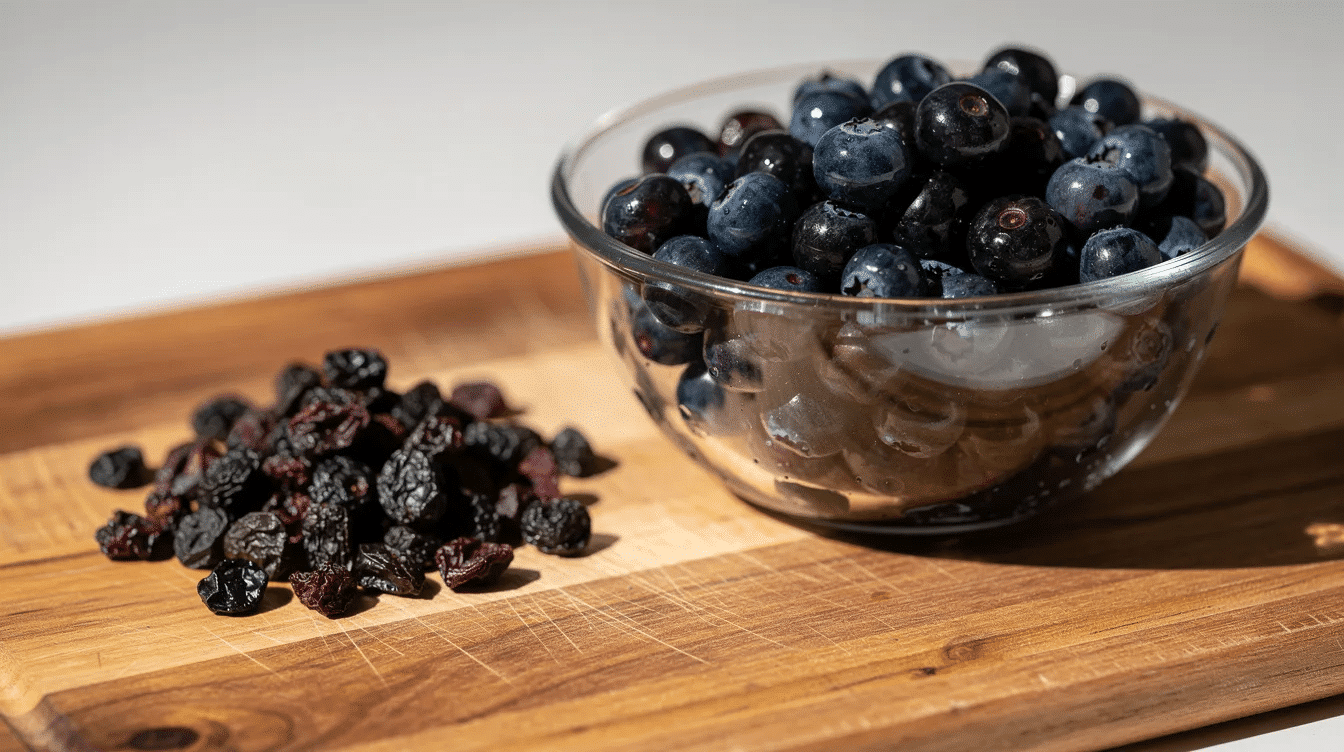
Dried blueberries are a pantry staple that can rival fresh blueberries in almost any recipe-if you know how to bring them back to life. Whether you’re working with home-dehydrated berries or a store-bought bag, the right soak transforms hard, chewy pellets into juicy pockets of fruit. Here’s everything you need to know.
Key Takeaways
Rehydrating dried blueberries is fast and mostly hands-off. The most common approach is a hot water soak: pour boiling water over the berries, wait 10–15 minutes, drain, and they’re ready. Soaking time for rehydrating blueberries can vary from 10 to 30 minutes depending on how dry they are and the liquid temperature. You can also use warm water, cold water, or fruit juice instead.
The four main methods are: a quick hot-water soak for speed, a gentle warm-water soak for even texture, a juice or alcohol soak for extra blueberry flavor, and simmering for sauces and fillings. Rehydrated blueberries provide juicy pockets of fruit instead of hard bits, which matters most in muffins, pancakes, and batters. Rehydrating dried blueberries also prevents them from stealing moisture from your batter.
You don’t always need to rehydrate. Use dried blueberries as-is in trail mix, granola, and long-baking bread doughs where chewy texture is welcome. As a general yield guide, 1 pound of fresh blueberries produces roughly ¾ to 1 cup of dried berries, and 1 cup of dried blueberries yields about 1⅓ to 1½ cups when rehydrated-nearly the same size as fresh.
Understanding Dried vs. Dehydrated Blueberries
For home cooks, “dried blueberries” and “dehydrated blueberries” mean the same thing: blueberries with most of their moisture removed using drying methods like a dehydrator or a low oven. Commercial products, however, can vary significantly in how they’re processed.
On packaging you may see differences worth noting: some dried fruit is sweetened with sugar or infused with juice, some is coated with sunflower oil to prevent clumping, and some is partially rehydrated at the factory for a softer bite. Home-dehydrated blueberries are usually unsweetened, drier, and more leathery. If you’re starting from fresh fruit, follow a dedicated guide on how to dehydrate blueberries using different methods. Fully dehydrated blueberries should be leathery and not sticky inside.
One factor unique to blueberries is their natural waxy coating-a bloom on the waxy skin that slows moisture to escape during dehydrating. That’s why most guides recommend you blanch blueberries for 30–60 seconds in boiling water for 30 seconds or more, then transfer them to an ice bath to crack the skins before drying. This step is sometimes called “checking,” and checking blueberries helps prevent case hardening during dehydration. You can also syrup-blanch large blueberries for 3 minutes before dehydrating, which improves both taste and texture. After blanching, spread blueberries in a single layer on dehydrator trays and dry at 135°F (57°C); blueberries take 8 to 18 hours to dehydrate at that temperature. If using an oven, keep the oven door open slightly to let moisture to escape. Let the berries cool completely before storing. This step-letting the berries cool completely-is essential so condensation doesn’t form.
Once dried, there’s a process called conditioning: place berries in a jar for 7–10 days and shake daily to check blueberries for signs of moisture. Discard blueberries if you see condensation or mold. After conditioning, store in an airtight container in a cool dark place for a shelf life of up to 12 months. Vacuum sealing extends that even further.
Quick-Start: The Fastest Way to Rehydrate Dried Blueberries
If you’re in a hurry, here’s the step by step guide: drop the berries into hot water, wait 10 minutes, drain, and go.
The method:
Place dried blueberries in a heat-safe large mixing bowl (e.g., 1 cup of dried berries).
Pour just-boiled boiling water over them until barely covered.
Cover the bowl and let sit 10–15 minutes. Stir once halfway through with a wooden spoon.
Drain with a slotted spoon and pat dry before adding to your recipe.
A hot water soak is a quick method to rehydrate dried blueberries that works especially well for home-dehydrated blueberries dried at 125–135°F and stored properly. Rehydrated blueberries should be nearly the same size as fresh berries when done.
You can replace water with hot apple juice, orange juice, or another fruit juice to boost sweetness and flavor without adding refined sugar. Dried blueberries can also be reconstituted in fruit juice for a richer result.
Ideal uses for this quick method: same-day baking, stirred into hot oatmeal, folded into yogurt, or added to warm sauces like balsamic reductions. It’s also great when making a last-minute batch of muffins.
Gentle Soaking Methods for Better Texture
The boiling-water method is fast, but it can cause color bleed and occasionally over-soften delicate berries. A gentle warm water soak is slower but delivers a more even, tender texture.
Warm-water method:
Add dried blueberries to a bowl.
Cover with warm (not boiling) water-about 120–140°F. You can heat water on medium heat, then let it cool a moment.
Soak 20–30 minutes, stirring once or twice.
Drain thoroughly and lightly pat dry before adding to doughs or batters.
This is ideal for baking where you want plump but intact berries-blueberry scones, quick breads, or any recipe where bursting berries would stain the crumb purple. Berry size also matters here: larger dried berries may need the full 30 minutes.
Overnight cold-soak option:
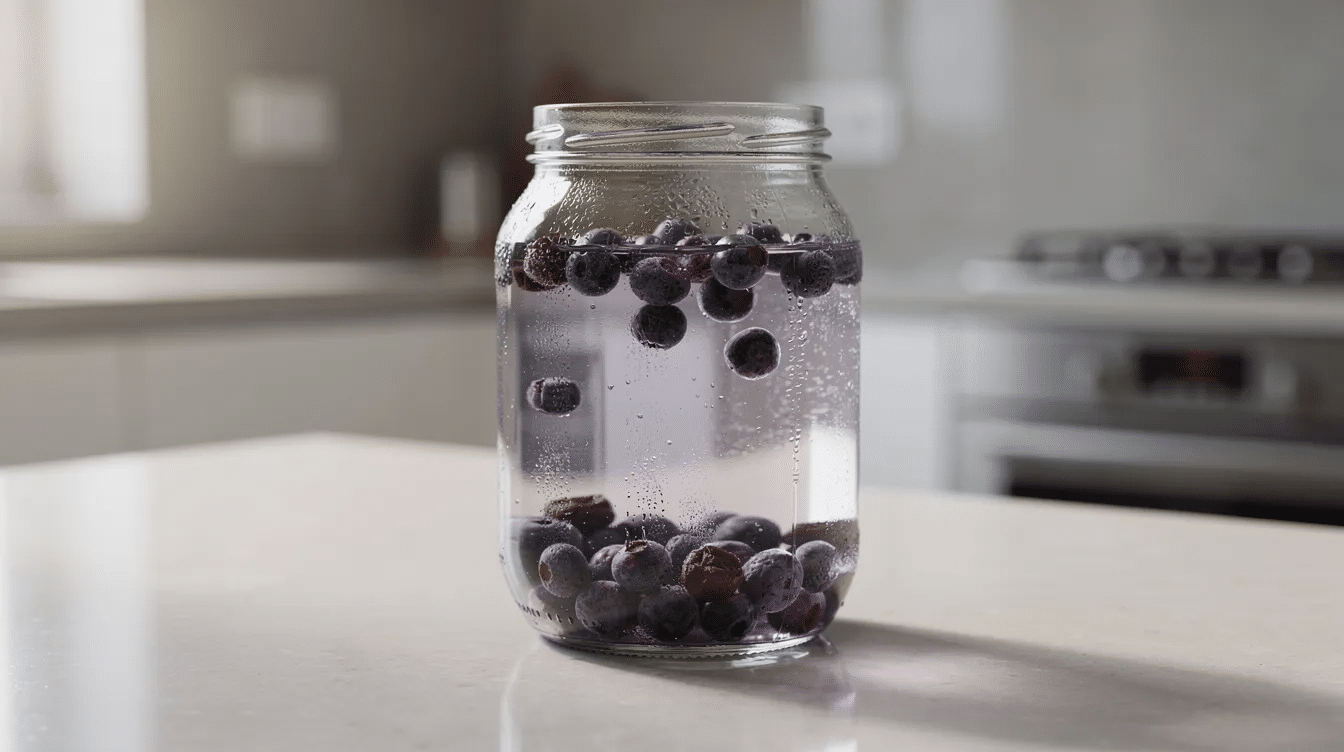
Combine dried blueberries with cold water in a jar (1 part berries to 2 parts liquid). Refrigerate 8–12 hours, then drain. Soaking dried blueberries in cold water overnight preserves their texture beautifully. This is perfect for overnight oats, chia pudding, or make-ahead breakfast bowls.
A word of caution: soaking too long in too much liquid can make delicate store-bought dried fruit mushy. The first time you try this, check every 20–30 minutes so you learn how your particular berries behave.
Rehydrating With Juice, Alcohol, or Syrup for Extra Flavor
You can rehydrate dried blueberries in liquids other than water-fruit juice, wine, liqueur, or simple syrup-when you want intense flavor for desserts and sauces. A warm juice soak infuses flavor while rehydrating dried blueberries simultaneously. Flavor boosters for rehydrating blueberries include lemon juice and liqueurs like Grand Marnier or Chambord.
Fruit-juice method:
Use apple juice, white grape juice, or orange juice to cover the berries.
Warm the juice gently until steaming, then pour over the blueberries.
Soak 15–30 minutes, then drain. The leftover juice can be reduced into a syrup or blended in a food processor with other fruits for smoothies.
Wine or liqueur:
Alcohol infusion is a method for rehydrating dried blueberries in gourmet recipes. Soak dried berries in red wine, port, or orange liqueur for 20–40 minutes. A brief 2–3 minute simmer in the alcohol helps them plump quickly and cooks off much of the alcohol if desired. This works beautifully over pork or alongside a cheese board.
Simple-syrup method:
Simmer equal parts sugar and water to make syrup. Pour the hot syrup over very chewy, tart dehydrated blueberries and rest 15–20 minutes for glossy, candy-like fruit ideal for cake toppings. Add a drizzle of honey or a pinch of salt for complexity-adjust to personal preference so the result isn’t overly sweet.
Mix rehydrated blueberries with rehydrated dried cherries, cranberries, or other fruits like apricots for compotes, crumbles, and yogurt parfaits. For more ideas, explore dehydrated fruit recipes for delicious snacks. Think of them like raisins-they pair well with almost everything.
When You Don’t Need to Rehydrate Dried Blueberries
Dried blueberries don’t always need a soak. You can often treat them like other dehydrated foods and add them straight to your food.
Use dried blueberries as-is for: trail mix with nuts and seeds, cold cereals, granola, salads, cheese boards, and energy bars where a chewy texture is welcome. Their long shelf life and versatility make them perfect for recipes using dried blueberries for every occasion.
In bread doughs and cookie doughs: dried blueberries can absorb moisture from wet batters during baking without pre-soaking. The dough’s natural moisture slowly rehydrates the fruit as it proofs or bakes. Tossing drained blueberries in flour before folding them in helps keep them suspended in batter and prevents clumping or sinking.
In batters with short cook times-like pancakes cooked 3–4 minutes per side-pre-soaking prevents hard, dry centers. But in long-baking loaves (45–60 minutes in the oven), you can often add them dry. This is similar to how you’d handle freeze dried fruits in cooking, or other dehydrator fruit recipes made at home.
Many people prefer home-dehydrated blueberries slightly under-dried (chewy, not rock-hard) when they’ll be eaten straight as a snack, because these don’t require rehydration at all.
Matching Rehydration Method to Your Recipe
Different recipes call for different approaches. Here’s how to match your rehydration method to what you’re making, and inspire new recipes featuring dried blueberries.
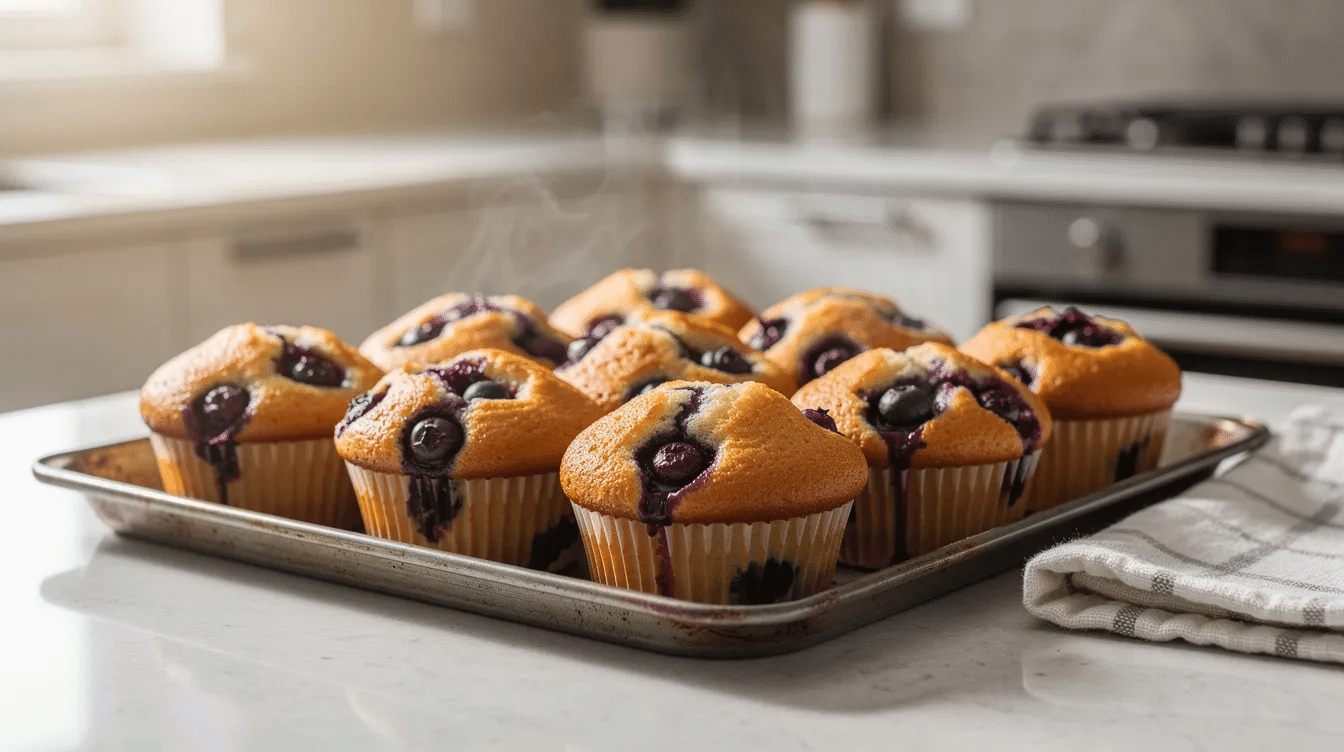
For baking (muffins, scones, pancakes, waffles, quick breads): A 10–20 minute hot or warm-water soak followed by draining and patting dry is the standard. Weighing berries before and after soaking once helps you keep recipe hydration consistent in future batches.
For breakfasts (oatmeal, yogurt, cereal, overnight oats): Add dried blueberries directly to hot oatmeal-they’ll soften in 5–10 minutes. For overnight oats, mixing dried berries with the oats and liquid the night before is enough to rehydrate by morning. Stir in a splash of juice for extra flavor.
For sauces, compotes, and pie fillings: Simmering dried blueberries in water or juice creates a sauce or compote. Cook gently on medium heat with other fruits for 5–15 minutes until plump. This both rehydrates and cooks the berries for smooth fillings. Some cooks blend the result in a food processor for a silky consistency.
For savory dishes (grain salads, rice pilafs, meat glazes): Use quick hot-water or warm-water soaks so the berries don’t pull moisture out of cooked grains. Pair rehydrated blueberries with wild rice, farro, or pork for a sweet-savory contrast. Other methods like a brief simmer in stock work well too.
Troubleshooting: Common Rehydration Problems
Not all dried berries behave the same. Age, storage, drying methods, and whether they started as frozen blueberries before drying all affect how they rehydrate.
Berries stay hard in the center: Very dry, home-dehydrated blueberries-especially from older harvests-may need longer soaking or a brief 5–10 minute simmer. Piercing a few berries with a pin or cutting especially large ones in half before soaking helps liquid penetrate. Research on blueberry water sorption shows that drier berries bind water more tightly, requiring more heat or time.
Mushy or falling-apart berries: Sweetened, oil-coated commercial dried blueberries soften quickly. Use shorter soak times and cooler water, and drain as soon as they look plump.
Color bleeding: If the soaking liquid turns dark purple and stains batters, pat berries very dry before folding into light-colored cakes or doughs. Add them as late as possible in the mixing process-a few gentle folds, not vigorous stirring.
Storage and safety: Rehydrated blueberries should be stored in the refrigerator and used within a few days. They behave like fresh berries from a food-safety standpoint. Don’t re-dehydrate rehydrated fruit-it promotes off-flavors and poor texture.
Planning Ahead: Storing and Using Rehydrated Blueberries
If you cook and bake frequently, preparing rehydrated blueberries in advance saves time on busy weekdays.
Short-term storage:
After soaking and draining, spread blueberries on a clean towel to remove surface moisture.
Transfer to a shallow airtight container and refrigerate up to 3–4 days.
You can store them in a little of the soaking liquid (such as juice) if you want a compote-like texture.
Using leftovers: Stir leftover rehydrated berries into morning yogurt, blend into smoothies, or simmer with a spoonful of sugar and lemon juice to make a quick 10-minute sauce for pancakes or ice cream. A touch of honey rounds out the flavor nicely.
Rehydrated blueberries are not long-term preserved food like dried fruit. Treat them like fresh berries and use them promptly. If you frequently rehydrate dried fruit-blueberries, cherries, cranberries, or other fruits-batch-soak on Sunday evenings and portion into small containers for weekday lunches and breakfasts, and consider experimenting with dehydrating blackberries at home to expand your pantry options. Store everything in a cool, dark place until you’re ready to eat, then refrigerate once opened. You can also round out your stash with dehydrated strawberries made in a dehydrator for colorful snack mixes.
FAQ: Rehydrating Dried Blueberries
Here are answers to common questions that go beyond the basic methods covered above.
How long does it take to rehydrate dried blueberries?
Most dried blueberries soften in 10–30 minutes depending on their dryness and the water temperature. Very hard home-dried berries may need up to an hour or a brief simmer. Commercial soft dried berries often plump in under 10 minutes. Similar timing considerations apply when you dehydrate raspberries for long‑term storage.
How much water should I use to rehydrate dried blueberries?
Use enough liquid to just cover the berries. They typically absorb 50–100% of their dry weight in liquid. There’s no need to fill a massive bowl-too much water dilutes the flavor and increases soluble solids loss, just as when you make dried cranberries in a dehydrator.
Can I rehydrate dried blueberries in the microwave?
Yes. Cover them with water in a microwave-safe bowl, heat until just steaming (about 60–90 seconds), then let them stand covered for 10–15 minutes. This is one of the fastest other methods available.
Are the rehydration methods the same for other dried fruit?
The same principles apply to other dried fruit like cherries, cranberries, raisins, and apricots. However, larger pieces may need longer soaking or cutting into smaller pieces first. This is especially true for homemade dried plums as a nutritious snack. Berry size plays a role-small fruits like blueberries rehydrate faster than thick apricot halves.
Can I use rehydrated blueberries as a substitute for fresh blueberries?
In most recipes, yes. Rehydrated blueberries work well in baking, cooking, and sauces wherever fresh blueberries are called for. The texture may be slightly softer, but the blueberry flavor remains strong. For raw applications like topping a tart, fresh berries still look best.
DannyContent Writer
Hey there, since 2016, my mission has been to provide you with the information and guides you need to make food dehydrating simple and fun. Whether you're a newbie or a seasoned pro, my site offers helpful guides, reviews, and recipes to enhance your dehydrating experience. I take pride in only recommending products I believe in, ensuring my readers' trust. As an affiliate of various programs, including Amazon Associates, your support helps me continue providing quality content. Thanks for stopping by, and happy dehydrating!