We earn a commission if you make a purchase, at no additional cost to you.
09/22/2026 04:39 pm GMT
🍊 Dehydrated Food Info Finder — Temperatures & Drying Times
Choose a category, then pick a food to see its drying temperature and time.
⚠️ Safety Disclaimer: Drying times are estimates and vary based on slice thickness, food moisture content, humidity, and your dehydrator model. Always check for doneness before storing — food should feel dry, leathery, or brittle with no moist spots. Improperly dried food can harbour mould and bacteria. For meat and poultry, follow USDA safe internal temperature guidelines: beef and pork to 160°F (71°C), poultry to 165°F (74°C). Use a food thermometer when in doubt. Store all dehydrated foods in airtight containers in a cool, dark place and discard anything showing moisture, mould, or off odours.
Recipes Using Dried Blueberries: Cookies, Muffins, Scones, and More
Dried blueberries are one of the most underrated ingredients sitting in grocery store aisles. They offer a concentrated, tangy-sweet flavor that works in everything from chewy cookies to slow-cooker oatmeal. In this post, you’ll find simple blueberry recipes for baked goods, no-bake snacks, and even crock pot breakfasts-plus practical advice on nutrition facts and storage.
Key Takeaways
Dried blueberries are a versatile pantry staple with a shelf life of 6–12 months unopened, making them available for baking year-round when fresh berries are expensive or out of season.
You can usually swap dried blueberries for fresh by using about half to two-thirds the volume and adding 1–2 tablespoons of extra liquid to the batter.
Brown sugar pairs especially well with dried blueberries in cookies and quick breads, creating a chewy texture and caramel-like flavor.
Beyond baked goods, dried blueberries work in no-bake options like trail mix, energy bites, breakfast bowls, and even savory salads.
This article covers oven recipes, a crock pot idea, and a short section on smart shopping and storage tips.
Why Cook and Bake with Dried Blueberries?
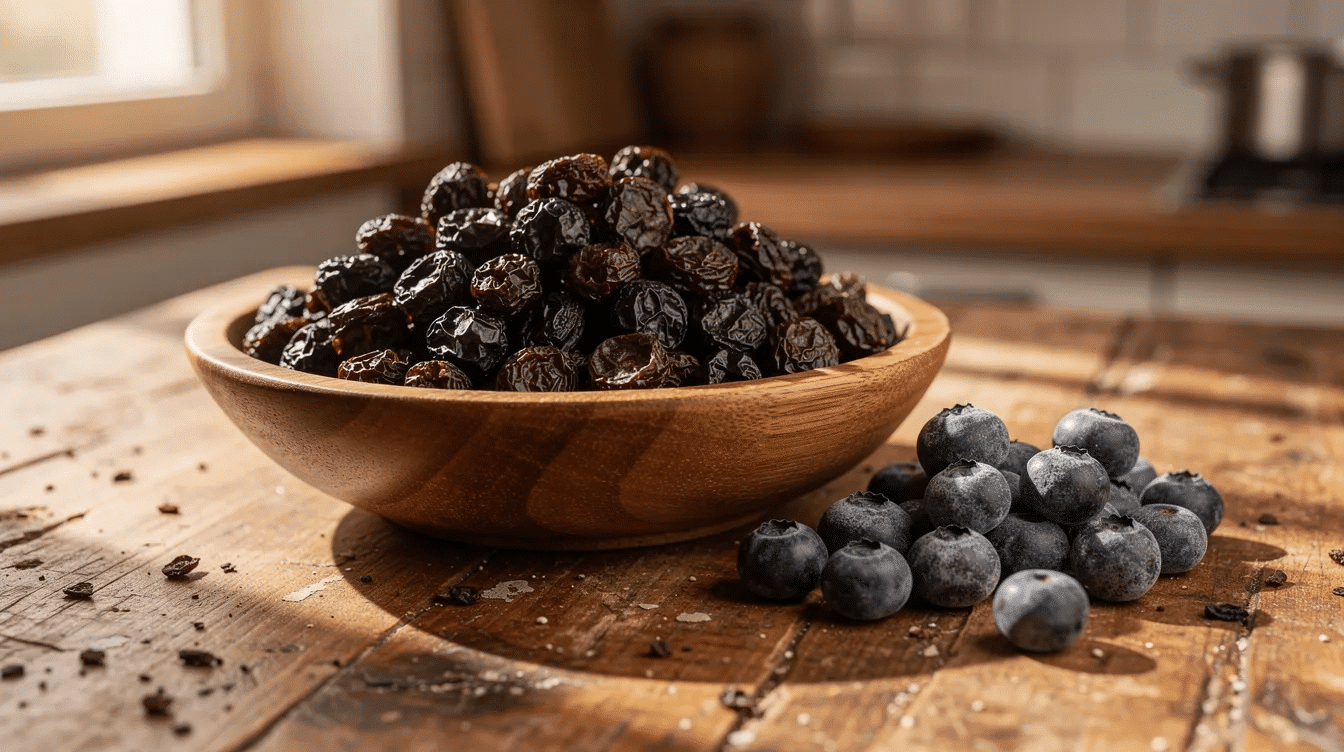
Dried blueberries are simply fresh blueberries with most of the water removed. While fresh blueberries are about 84% water, dried versions contain only 14–20% moisture, which concentrates their sugars, flavor, and nutrients into a compact, chewy form. Home cooks in 2026 are increasingly reaching for them because they’re shelf-stable, require no washing or stemming, and deliver intense blueberry taste even in the dead of winter; if you have a bumper crop, you can also dehydrate blueberries at home for long-term use.
Here’s why they earn their spot in your pantry:
Long shelf life: 6–12 months unopened in a cool, dark pantry; up to 18 months in the freezer.
Less mess in baking: They don’t burst or bleed juice into batters the way fresh berries do.
Easy measuring: Scoop them by the cup or weigh them in grams-no sorting required.
In muffins, dried blueberries stay discrete and chewy instead of creating soggy pockets. In scones, they hold their shape rather than flattening the dough. Dried blueberries work well in sweet baked goods without adding moisture, which makes them more predictable than fresh or frozen options.
You can find good-quality dried blueberries at supermarkets, bulk bins, warehouse clubs, and online retailers. A 20-oz. bag of dried blueberries is available at Costco, often at a great price compared to smaller packages. Check labels carefully-unsweetened versions give you more control over sugar in your recipe.
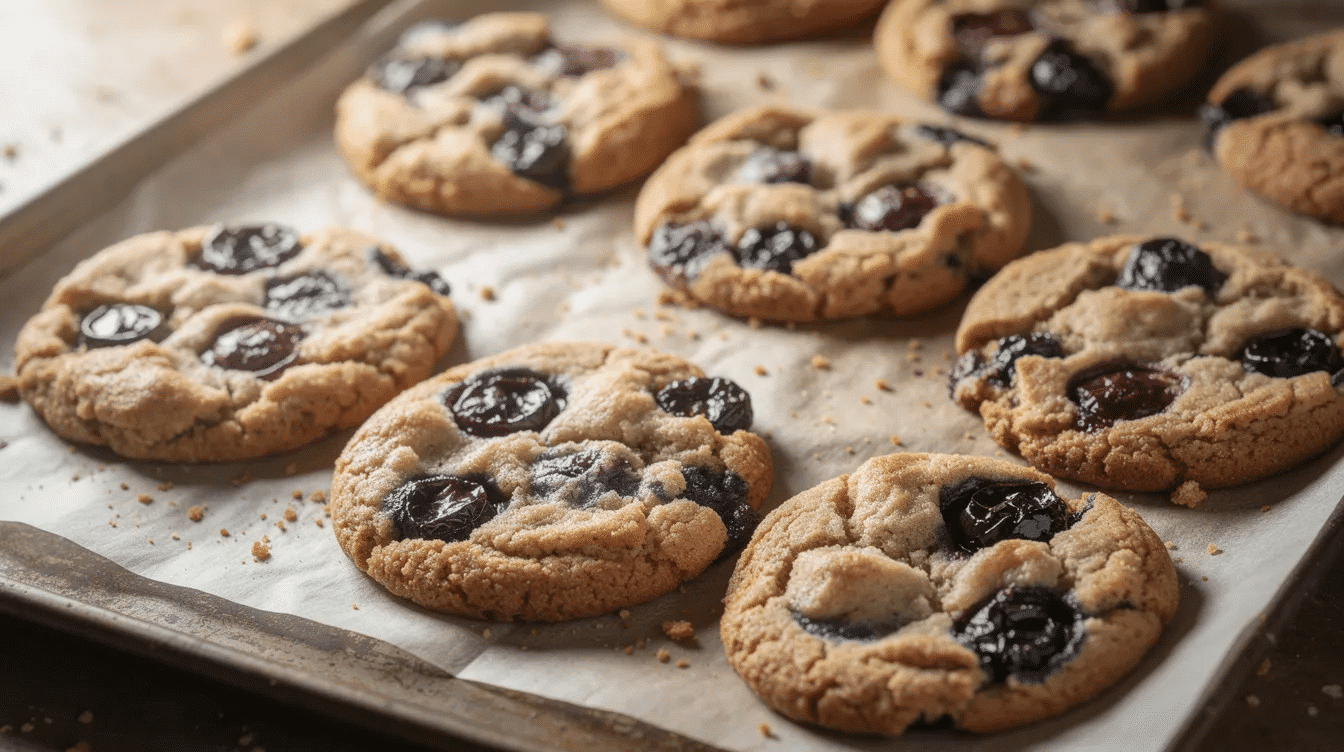
Brown Sugar Dried Blueberry Cookies
Think of these as a twist on classic chocolate chip cookies, with dried blueberries and brown sugar stepping in for a chewier, more complex result. They’re ideal for weeknight baking or tucking into a lunchbox.
Brown sugar does specific things to cookie dough: the molasses content adds moisture, creates a soft and chewy interior, and delivers a light caramel flavor that complements the tangy sweetness of dried blueberries. Dried blueberries pair well with citrus flavors like lemon and orange, so a teaspoon of lemon zest in the dough brightens everything up.
Core ingredients:
½ cup butter (softened), ¾ cup packed brown sugar, 1 egg, 1 tsp vanilla, 1½ cups flour, ½ tsp baking soda, ¼ tsp salt, ¾ cup dried blueberries
Optional: chopped walnuts, white chocolate chips, or a squeeze of lime juice
High-level steps:
Preheat oven to 350°F (177°C). Line a baking sheet with parchment paper.
In a large bowl, cream the butter and sugar until smooth. Beat in the egg and vanilla.
In a separate bowl, whisk the dry ingredients (flour, baking soda, salt). Combine with the wet ingredients and stir until just blended.
Fold in the dried blueberries gently. If you want large pieces of fruit in every bite, don’t over-mix.
Scoop rounded tablespoons of dough onto the prepared baking sheet. Chill the dough 20–30 minutes first if you prefer thicker cookies that don’t spread as much.
Bake 9–12 minutes until edges are set and the surface turns light golden brown. Centers should still look slightly soft-they firm up as they cool.
Cook’s notes: Soak dried blueberries in warm water or orange juice for 10–15 minutes before draining if you want plumper, softer fruit. You can swap in raisins for half the blueberries for variety. Store cookies in an airtight container at room temperature for 3–4 days, or freeze for up to 2 months. Thaw at room temperature before serving.
Dried Blueberry Muffins for Any Morning
Easy dried blueberry muffins turn basic pantry staples into a breakfast worth waking up for-or a make-ahead snack you can grab all week.
Dried blueberries are used instead of fresh in some muffin recipes because they distribute more evenly through the batter, don’t sink as easily, and keep the crumb lighter. Adding dried blueberries can also absorb excess moisture in baked goods, preventing the soggy bottoms that fresh berries sometimes cause.
Straightforward muffin formula:
2 cups flour (or a mix with whole wheat), 2 tsp baking powder, ¼ tsp salt, ½ cup sugar, ¾ cup milk or buttermilk, ⅓ cup melted butter or neutral oil, 2 eggs, 1 tsp vanilla, ¾ cup dried blueberries
Key steps:
Preheat oven to 375°F (190°C). Grease or line a muffin pan with paper liners.
Whisk the dry ingredients in one bowl. In a second bowl, combine the wet ingredients until smooth.
Pour the wet mixture into the dry and stir gently-stop when flour streaks just disappear. Be careful not to overmix or muffins turn tough.
Fold in the dried blueberries with a spoon.
Fill cups about ¾ full. Sprinkle coarse sugar on top if desired.
Bake for 25–30 minutes at 375 degrees. Test with a toothpick-it should come out clean or with a few moist crumbs.
Dried blueberry muffins bake for 25–30 minutes at 375 degrees, yielding a tender crumb with chewy fruit throughout.
Storage: Let muffins cool completely, then freeze in zip-top bags. To reheat, thaw and warm in a 300°F oven for 5 minutes. Exact nutrition facts depend on your ingredient brands and any substitutions.
Dried Blueberry & Lemon Scones
Dried Blueberry Lemon Scones are tender and moist with a lemon glaze-a bakery-style treat that’s less cake-like than rich cream scones and perfect alongside a cup of tea.
Dried blueberries add flavor to scones and biscuits without introducing the juice that fresh berries release. Dried blueberries pair well with citrus, and lemon zest woven into the dough makes the taste absolutely delicious, similar to other scone recipes featuring dried fruit.
Core ingredients:
2 cups flour, 1 Tbsp baking powder, ¼ tsp salt, ¼ cup granulated sugar, 6 Tbsp cold butter (cut into small cubes), ¾ cup dried blueberries, ½ cup heavy cream, 1 egg, zest of 1 lemon
Technique matters:
Keep butter very cold. Work quickly. Handle the dough minimally-mix by hand instead of using a stand mixer. Overworking develops gluten and makes scones tough rather than tender.
Shaping and baking:
Pat dough into a thick disk about ¾ inch high. Cut into 8 wedges.
Transfer to an ungreased baking sheet. Brush tops lightly with a bit of cream for color.
Dried Blueberry Lemon Scones bake at 400 degrees Fahrenheit for 15–20 minutes. Look for light golden tops and edges with a dry surface.
Lemon glaze: Whisk together ½ cup powdered sugar, 1 Tbsp lemon juice, ½ tsp lemon zest, and 1 tsp melted butter until creamy. Drizzle over cooled scones. Try swapping in orange zest, or mixing dried blueberries with another dried fruit like cherries for variation.
Money-saving tip: Buy butter and cream during holiday sales. Dried blueberries can be purchased in 20-oz. bags from warehouse clubs to reduce per-ounce cost.
Other Easy Baked Goods with Dried Blueberries
Once you have a bag of dried blueberries on hand, you can stir them into almost any baked good you already make, or branch out with a wider variety of dried blueberry recipes.
Quick breads: Fold dried blueberries into banana bread or a lemon loaf. Toss berries in a tablespoon of flour first to help keep them suspended in the batter.
Pancakes and waffles: A small handful of dried blueberries in your breakfast batter won’t burst like fresh, keeping griddles cleaner and the food more portable.
Bars and blondies: Add dried blueberries plus white or dark chocolate chips to a standard blondie base for a simple dessert at potlucks or picnics.
Granola and cereal mixes: Dried blueberries are commonly used in granola and cereal mixes. Add them after baking granola to prevent scorching; for bars, press them into the oat mixture before the oven, or fold them into a homemade dried fruit and nut mix for flexible snacking.
Pies: Dried blueberries enhance the flavor of fresh blueberry pies by adding chewy texture and concentrated sweetness. They can also be added to sauces for a sweet contrast to savory mains.
If your recipe already contains brown sugar or honey, reduce other sweeteners by 1–2 tablespoons when using sweetened dried berries to prevent the final product from tasting overly sweet.
No-Bake and Breakfast Ideas Using Dried Blueberries
Dried blueberries aren’t just for the oven. They’re a convenient pantry ingredient for quick, no-bake snacks and simple breakfasts that require zero cooking, and they pair well with other dehydrated fruit snacks and recipes.
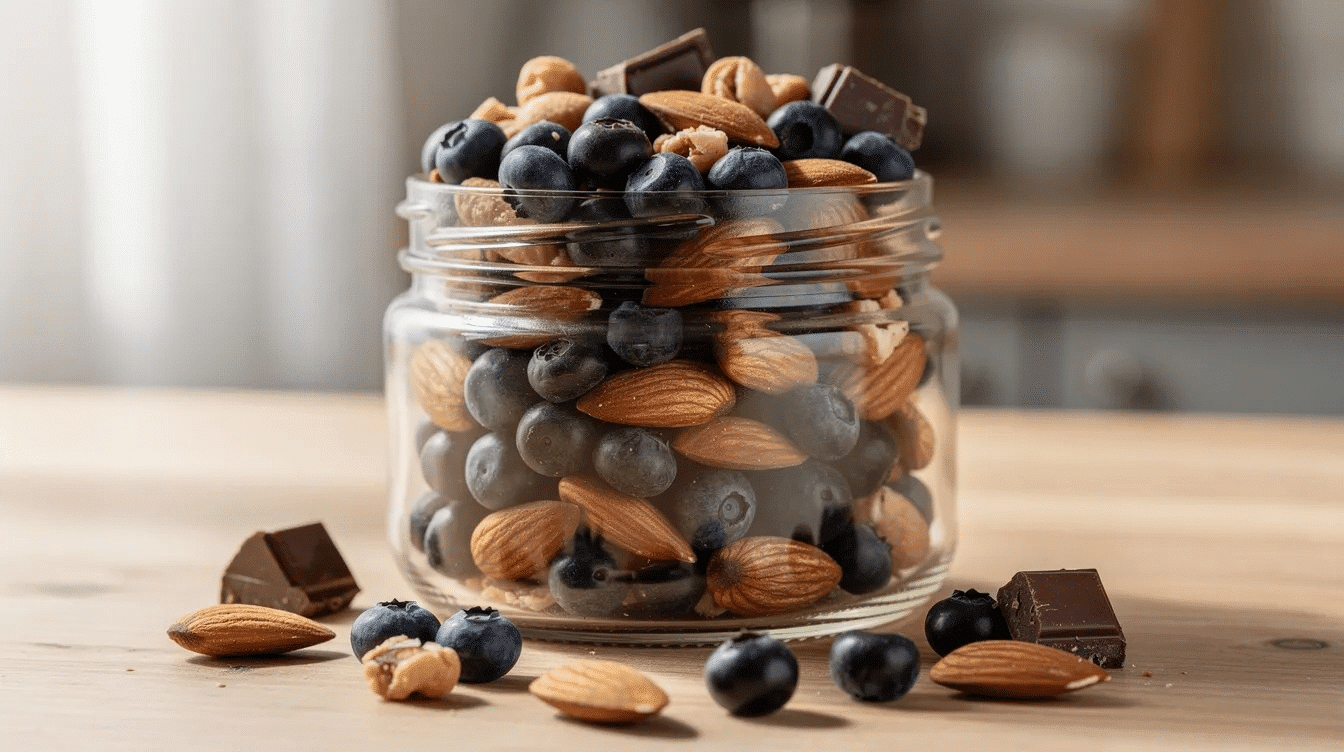
Trail mix: Combine dried blueberries with roasted nuts, seeds, dark chocolate chips, and whole-grain cereal. Dried blueberries can be included in trail mixes for low-carb dehydrated fruit snacking on a camping trip or at your desk.
Overnight oats and parfaits: Layer Greek yogurt or chilled oats with dried blueberries, chopped almonds, and a drizzle of honey. The berries soften slightly overnight, giving each spoon a sweet, chewy bite. Refrigerate assembled parfaits for up to 3 days.
Energy bites: Mix oats, nut butter, honey, chopped dried blueberries, and optional chia seeds or shredded coconut. Roll into small balls and chill for at least 30 minutes. These keep refrigerated for about a week.
Salad: Sprinkle a tablespoon of dried blueberries over a green salad with spinach, goat cheese, and toasted almonds. Dried blueberries complement savory salads with ingredients like goat cheese, adding chewy sweetness against a balsamic vinaigrette. A squeeze of lime in the dressing works surprisingly well.
Crock Pot and Slow-Cooker Recipes with Dried Blueberries
Dried blueberries suit slow-cooker recipes because they hold their shape, slowly plump in moisture, and infuse dishes with fruit flavor over several hours.
Crock pot blueberry oatmeal: Add 1 cup steel-cut oats, 3 cups water or milk, a pinch of salt, ½ cup dried blueberries, and 2 tablespoons brown sugar to your crock pot. Cook on low overnight (about 7–8 hours). Serve with a splash of cream and a drizzle of honey for a creamy, ready-to-eat breakfast.
Slow-cooker blueberry compote: Combine 1 cup dried blueberries with 1 cup apple juice, 2 tablespoons sugar, and the zest of one lemon. Simmer on low for 3–4 hours until the mixture thickens. Spoon it over pancakes, yogurt, or vanilla ice cream for a delicious dessert topping.
Bread pudding: Fold dried blueberries into custard-soaked bread cubes before slow-cooking on low for 3–4 hours. The berries rehydrate during cooking, becoming soft and jammy throughout.
Tips: Use enough liquid so dried blueberries can hydrate properly. Avoid extremely long cook times on high, which may cause scorching. Stir once or twice if the recipe allows. Refrigerate leftovers within two hours and reheat with a splash of milk to loosen the texture.
Nutrition Facts and Smart Shopping for Dried Blueberries
Dried blueberries are nutrient-dense and add sweetness to dishes, but their nutrition facts vary depending on whether sugar, oil, or juice concentrates are added during processing.
Approximate values for a ¼-cup (≈40 g) serving of sweetened dried blueberries:
Unsweetened versions are significantly lower: a 1-oz (28 g) serving of no-sugar-added dried blueberries has about 90 calories and 0 g added sugar. Compare labels if you’re watching sugar intake.
Look for soft, pliable texture rather than hard or brittle large pieces.
Transfer to airtight containers at home.
Storage: Keep dried blueberries in a cool, dark pantry for several months unopened. Refrigerate or freeze for longer storage, especially in warm climates-quality holds for 12–18 months frozen. Think of proper storage as a security service for your pantry: airtight containers and cool temperatures are the best security against spoilage.
Balance dried blueberry recipes within your overall eating pattern by pairing sweet baked goods with protein- or fiber-rich food for more satisfying snacks, and mix them with homemade dried plums for a nutrient-dense option.
FAQ: Using Dried Blueberries in Everyday Cooking
Below are answers to common practical questions about working with dried blueberries in your kitchen.
Can I substitute dried blueberries for fresh in any blueberry recipe?
In most cases, yes. Use about half to two-thirds the volume of dried blueberries compared to fresh, and add a tablespoon or two of extra liquid to the batter to compensate. In recipes where fresh berries provide moisture and bulk-like fruit crisps or pies-dried blueberries produce a firmer, less juicy result unless you soak them first. Soak dried blueberries in hot water or juice for 10–15 minutes, then drain well before adding. Brewed tea works too, adding subtle depth.
Do I need to rehydrate dried blueberries before baking?
For most cookies, muffins, and scones, dried blueberries can go directly into the dough or batter without pre-soaking. Rehydrating dried blueberries improves their texture when you want softer, plumper pieces-especially in very dry climates. A short rule: if a recipe bakes quickly (cookies, bars), dry berries work fine. If it bakes longer with plenty of liquid (breads, cakes), pre-soaking is optional but helpful. Drain thoroughly to avoid diluting your mixture.
Are dried blueberries healthy compared to fresh blueberries?
Both forms provide beneficial plant compounds. Drying concentrates calories and sugar into a smaller volume-one cup of dried blueberries can exceed 500 calories, while one cup of fresh blueberries is about 80. Some vitamin C is lost during drying, while fiber remains well-preserved and antioxidants are still present. Check labels for added sugar and use dried blueberries in modest portions alongside whole grains, nuts, and other nutrient-dense foods.
How can I keep dried blueberries from sinking to the bottom of cakes and breads?
Toss dried blueberries with a tablespoon of flour from the recipe before folding them into the batter. The coating helps them grip the mixture and stay suspended. Use thicker batters-not overly wet ones-and add berries at the very end of mixing. Shallow to medium-depth pans tend to give better distribution than very deep loaf pans.
What is the best way to store opened bags of dried blueberries?
Transfer opened dried blueberries to airtight containers or tightly sealed bags, squeezing out excess air before closing. Keep them in a cool, dark pantry for up to several months. In hot or humid climates, refrigerate or freeze portions for longer freshness. Label containers with the date opened and check periodically for signs of moisture, off odors, or mold before use. Frozen dried blueberries don’t need to thaw before adding to batter-toss them straight in.
DannyContent Writer
Hey there, since 2016, my mission has been to provide you with the information and guides you need to make food dehydrating simple and fun. Whether you're a newbie or a seasoned pro, my site offers helpful guides, reviews, and recipes to enhance your dehydrating experience. I take pride in only recommending products I believe in, ensuring my readers' trust. As an affiliate of various programs, including Amazon Associates, your support helps me continue providing quality content. Thanks for stopping by, and happy dehydrating!