We earn a commission if you make a purchase, at no additional cost to you.
09/22/2026 04:39 pm GMT
🍊 Dehydrated Food Info Finder — Temperatures & Drying Times
Choose a category, then pick a food to see its drying temperature and time.
⚠️ Safety Disclaimer: Drying times are estimates and vary based on slice thickness, food moisture content, humidity, and your dehydrator model. Always check for doneness before storing — food should feel dry, leathery, or brittle with no moist spots. Improperly dried food can harbour mould and bacteria. For meat and poultry, follow USDA safe internal temperature guidelines: beef and pork to 160°F (71°C), poultry to 165°F (74°C). Use a food thermometer when in doubt. Store all dehydrated foods in airtight containers in a cool, dark place and discard anything showing moisture, mould, or off odours.
Top 7 Healthy Autumn Recipe Categories for Seasonal Eating
As the weather cools and orange leaves cover the ground, kitchens shift toward warm, nutrient-packed meals built around fall produce. Healthy autumn recipes aren’t about restriction – they’re about using squash, apples, sweet potatoes, and root vegetables at their peak to create dishes that taste incredible and fuel your body.
Autumn cooking naturally supports wellness goals. Seasonal produce often retains more nutrients than stored foods, and the comfort food flavors of the fall season – cinnamon, rosemary, garlic, roasted veggies – deliver satisfaction without empty calories. In this guide, we’ll break down seven healthy autumn recipe categories that cover every meal, dietary need, and skill level so you can eat well all season long.
How We Chose the Best Healthy Autumn Recipe Categories
Every category on this list was evaluated against practical criteria that prioritize both health and seasonality:
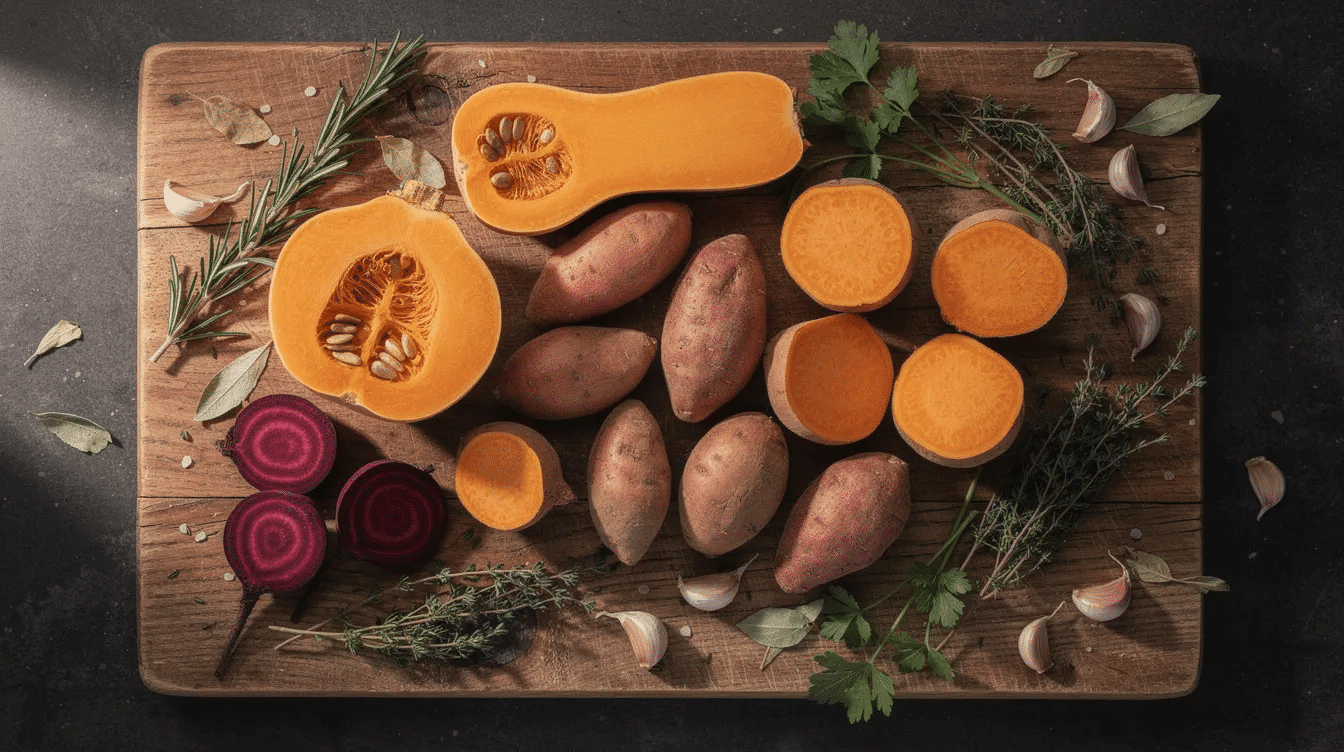
Seasonal ingredient availability and nutritional density. Nutritious fall ingredients include winter squash, sweet potatoes, and Brussels sprouts – all harvested at peak nutrition. Butternut squash is a popular fall vegetable. Apples are a key fruit in season during fall. Pumpkins are a staple ingredient from September through November. Sweet potatoes are widely available during the fall months.
Balance of macronutrients and micronutrients. For balanced meals, fill half the plate with seasonal vegetables, then add lean protein sources like chicken, fish, tofu, beans, or lentils, plus healthy fats from olive oil, avocado, nuts, or seeds.
Dietary versatility. Each category accommodates vegan, vegetarian, gluten free, and dairy free variations.
Ease of preparation. Fall is a great time to cook with seasonal produce, and these categories support meal prep and batch cooking for the week ahead.
Comfort and satisfaction. Herbs and warming spices add flavor without relying on extra salt, delivering cozy depth in every dish.
Whole food focus. Eating meals based on seasonal produce provides healthy vitamins while minimizing processed ingredients.
Top 7 Healthy Autumn Recipe Categories
1. Warming Soups and Stews
Soup is the backbone of healthy fall dinner recipes. A single pot can hold an entire garden’s worth of vegetables, and the gentle simmering preserves water-soluble vitamins while creating a hydrating, easy-to-digest meal.
Why It Stands Out: Research using NHANES data found that soup consumers had lower BMI and waist circumference compared to non-consumers, with non-consumers having roughly 38% higher odds of overweight or obesity. The high water content and fiber in vegetable-based soups increase satiety, making them ideal for weight management.
Best For: Meal prep, immune support, weight management.
Key Strengths:
Budget-friendly and freezer-friendly
High fiber from vegetables and legumes
Loads veggies into your diet effortlessly
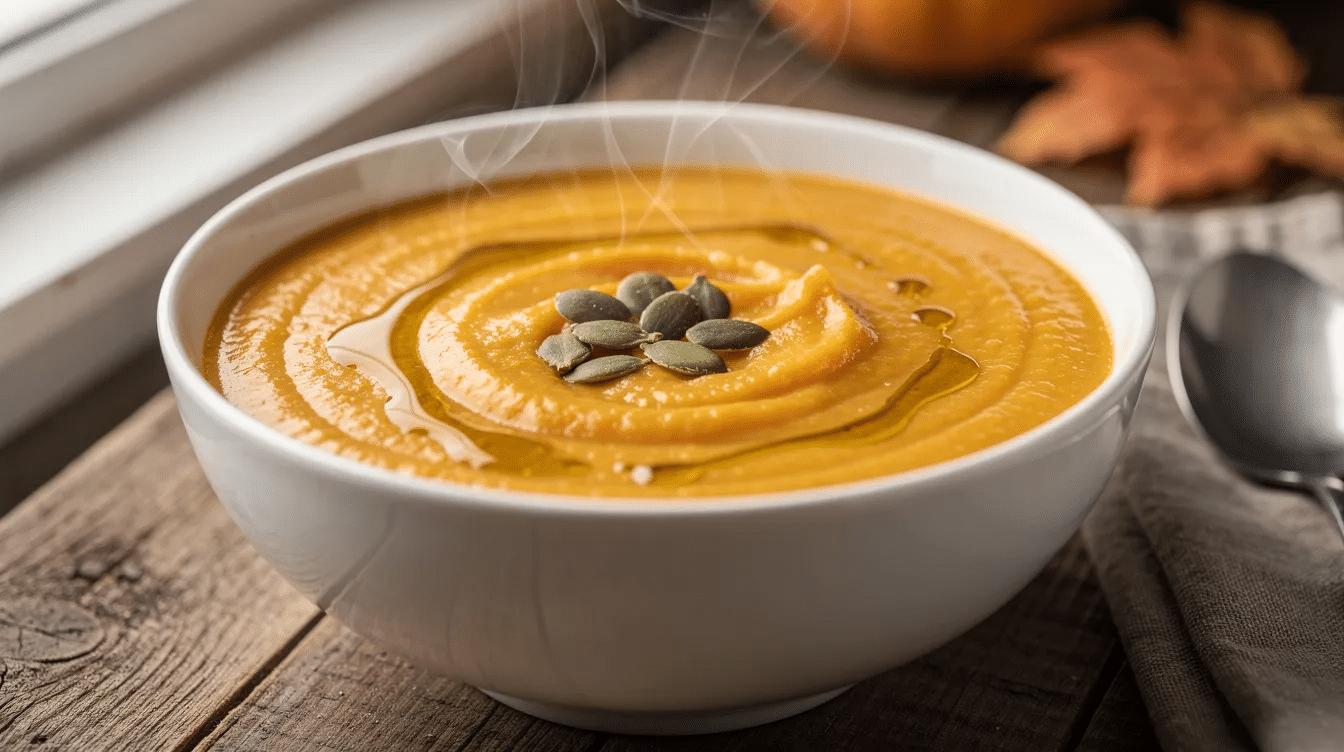
Creamy Sweet Potato Soup takes only 15 minutes to prepare
Spinach Tortellini Soup can be made in just 25 minutes
Stuffed Cabbage Soup is gluten-free and hearty
Recipe Ideas: Creamy White Chicken Chili is a comforting classic for fall that works perfectly in a slow cooker. Vegetarian French Onion Soup is packed with protein and fiber. Instant Pot Pumpkin Walnut Chili features red lentils and black beans for added protein and uses red pepper flakes for warmth. For something light, try a creamy soup made with coconut milk and fresh spinach.
Possible Limitations: Store-bought broths can be high in sodium – make your own or choose low-sodium options. Without legumes or lean meat, protein may be insufficient.
2. Roasted Vegetable and Grain Bowls
Grain bowls are the most customizable category on this list, and they deliver complete nutrition in a single bowl. Roasting caramelizes the natural sugars in autumn vegetables, creating deep savory and sweet flavor without any added sugar.
Why It Stands Out: Roasted vegetables provide a healthier cooking method than frying, preserving nutrients while enhancing taste. Paired with whole grains – which provide lasting energy and include quinoa and brown rice – these bowls cover every macro.
Best For: Meal prep lunches, plant-based eaters, those wanting balanced macronutrients.
Fall Harvest Bowls include roasted Brussels sprouts and quinoa for a nutritionally complete dish
High fiber, complex carbs, healthy fats from seeds and nuts
Endless variety: swap roasted sweet potatoes for beets, add broccoli or mushrooms, top with carrots
Possible Limitations: Roasting and prep can take time. Plan to roast veggies in bulk. For added protein, layer in tofu, tempeh, or chicken.
3. Hearty Casseroles and Baked Dishes
When you need to feed a family or want real comfort food that still qualifies as nutritious, casseroles are your answer. The whole thing comes together in one dish, hiding vegetables inside creamy sauce, layered with whole grains and lean protein.
Why It Stands Out: Casseroles deliver satisfaction and can incorporate pureed vegetables into sauces, making them surprisingly easy ways to increase veggie intake.
Best For: Families, entertaining, batch cooking for the week ahead.
Key Strengths:
Butternut Squash Mac & Cheese has 28 grams of protein per serving – a legit fall dinner
Creamy Pumpkin Pasta is a quick weeknight dinner and a vegetarian recipe made with real pumpkin
Vegan Pumpkin Alfredo Pasta uses only 10 ingredients and is dairy free
Roasted Garlic & Butternut Squash Carbonara is a quick fall dinner option
Combine veggies like zucchini and squash into whole wheat pasta bakes
Possible Limitations: Caloric density can creep up with heavy cheese and butter. Use portion control, lighter dairy, or nutritional yeast for a delicious alternative.
4. Dehydrated and Preserved Autumn Foods
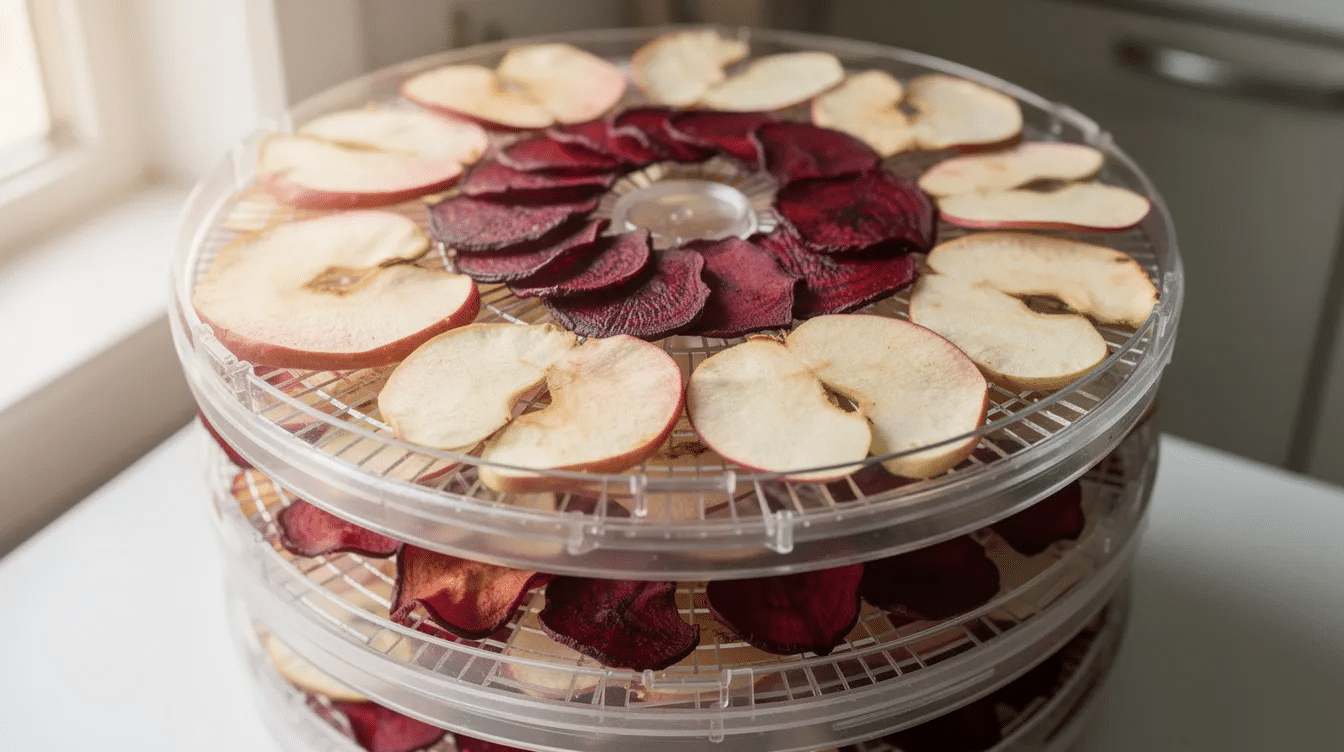
This category extends your autumn harvest well beyond the season. Drying removes moisture to inhibit spoilage, concentrating both flavor and nutrition into portable, shelf-stable food and making it important to understand the nutritional value of dehydrated foods.
Why It Stands Out: A half cup of dried fruit equates roughly to one cup of fresh fruit due to moisture removal, making dehydrated autumn foods a concentrated source of vitamins and minerals.
Best For: Snacking, emergency prep, reducing food waste, portable nutrition.
Key Strengths: Long shelf life, intensified flavors, no additives, zero food waste from surplus harvest, and the ability to build the best dried fruit for long term storage as part of your pantry or emergency stash.
Starting your morning with seasonal flavors sets the tone for the day. The warming spices in autumn breakfasts – cinnamon, ginger, nutmeg, cloves – carry anti-inflammatory and antioxidant properties beyond just flavor.
Why It Stands Out: One cup of cooked pumpkin provides roughly 78% of your daily vitamin A at only 49 calories, making it a nutritional powerhouse for breakfast dishes.
Best For: Starting the day with seasonal flavors, sustained energy.
Key Strengths:
Pumpkin Pie Coffee Cake is a moist breakfast option that tastes indulgent but uses whole grain flour
Pumpkin Energy Bites are made with oats and almond butter – perfectly portable for lunch or snacking
Pumpkin Pie Chia Pudding is vegan and paleo-friendly, requiring zero cooking
Natural sweetness from fruit eliminates the need for excess sugar
Baked oatmeal, spiced pancakes with whole wheat flour, or smoothie bowls with apples and warm spices
Possible Limitations: Watch added sugars. Rely on mashed fruit, a touch of maple syrup, and spices rather than brown sugar or heavy syrups.
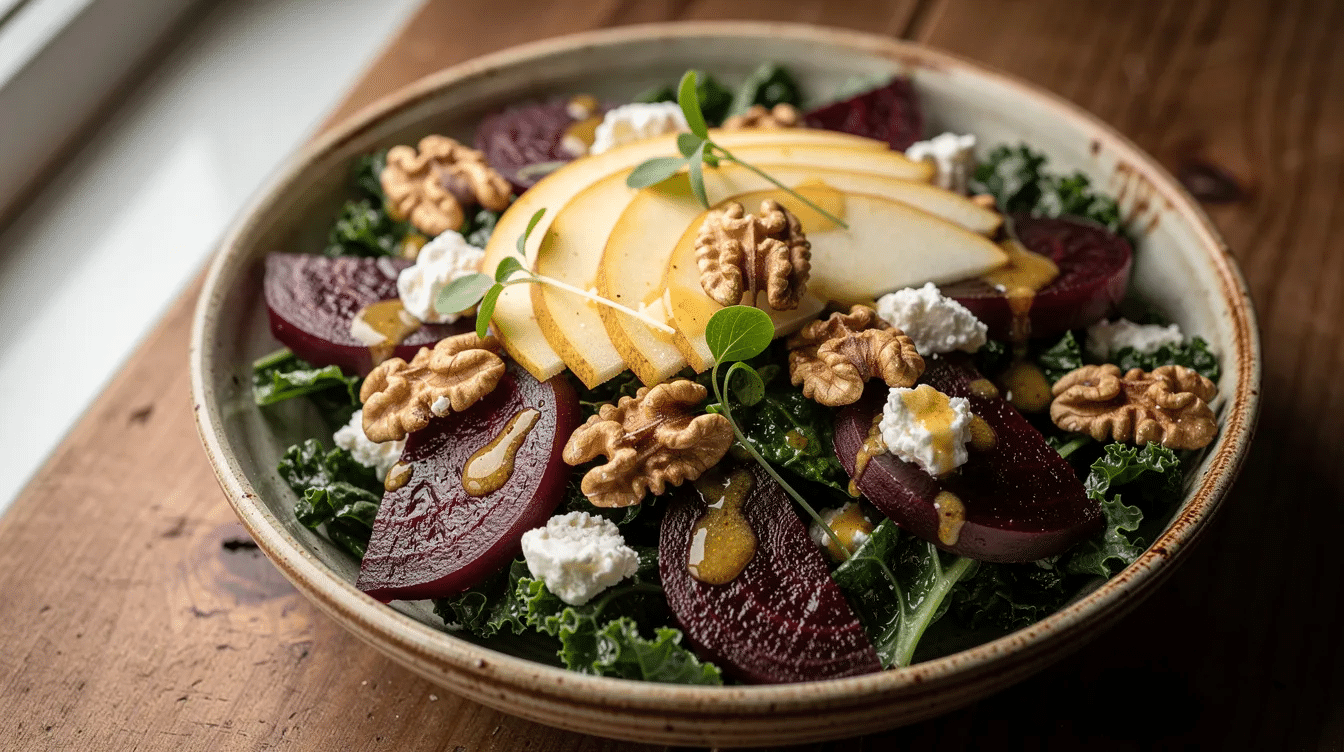
6. Light Autumn Salads and Slaws
Autumn salads differ from summer versions by using heartier greens like kale and Swiss chard, incorporating roasted root vegetables, and pairing with warm dressings that make a light meal feel satisfying even in cooler weather.
Why It Stands Out: Raw vegetables preserve heat-sensitive nutrients like vitamin C, and nuts or seeds provide healthy fats that aid absorption of fat-soluble vitamins.
Best For: Weight management, increasing vegetable intake, lighter meals.
Key Strengths:
Brussels sprouts are excellent sources of vitamins C and antioxidants, and they’re in season from September to November
Kale & Brussels Sprouts Curry Quinoa Salad is a healthy side dish that’s also gluten-free and vegetarian
Maple Brussels Sprouts with Crispy Rosemary Garlic Breadcrumbs is a flavorful side with bread crumb texture
Roasted Brussels Sprouts with Goat Cheese is a popular healthy side dish
Crispy Garlic Parmesan Crusted Potatoes bake in under 30 minutes and pair perfectly with any salad
Possible Limitations: Cold salads can feel insufficient on chilly days. Add warm roasted veggies, a grain base, or a warm vinaigrette to increase satisfaction.
7. Healthy Autumn Desserts
Healthy fall recipes don’t have to skip desserts. Using seasonal fruits like apples, pears, cranberries, and pumpkin, plus natural sweeteners and warming spices, you can create treats that satisfy cravings without derailing your goals.
Why It Stands Out: Autumn fruits bring natural sweetness, fiber, and antioxidants. Spices like cinnamon enhance the perception of sweetness, reducing the need for added sugar.
Best For: Special occasions, healthy indulgence, using seasonal fruit.
Key Strengths: Baked apples with oat topping, pumpkin muffins made with almond flour, spiced fruit compotes, and pear crisps. Focus on fiber-rich fruits and healthy fats from nuts.
Possible Limitations: These are still treats – enjoy in moderation. Avoid heavy butter, cream, or frosting that can negate the health benefits of the whole dish.
Quick Comparison of the Best Autumn Recipe Categories
Category
Best For
Prep Difficulty
Meal Prep Friendly
Warming Soups & Stews
Immune support, easy meal prep
Low
Yes
Roasted Veg & Grain Bowls
Complete nutrition, customization
Medium
Yes
Hearty Casseroles
Feeding families, comfort food
Medium
Yes
Dehydrated & Preserved Foods
Extending harvest, portable snacks
Medium-High
N/A
Autumn Breakfasts
Seasonal morning nutrition
Low-Medium
Yes
Light Salads & Slaws
Fresh eating, weight control
Low
Moderate
Healthy Desserts
Guilt-free seasonal indulgence
Medium
Moderate
How to Choose the Right Autumn Recipe Category
Choose Based on Your Lifestyle
If you’re juggling busy schedules, gravitate toward soups and grain bowls – they batch cook effortlessly and store well. If you’re entertaining, casseroles and healthy desserts feed crowds with minimal last-minute effort. If you travel frequently or want portable food, dehydrated autumn snacks are essential.
Choose Based on Your Health Goals
Weight management → Soups, stews, and light salads keep calories low while filling you up
Building muscle → Grain bowls and casseroles with chicken, beans, or rice provide added protein and complex carbs
Blood sugar management → Recipes with complex carbs, moderate fruit, and cinnamon
Immune health → Pumpkin-based recipes rich in vitamins A and C
Choose Based on Seasonal Produce Availability
Local harvest timing varies by region. Early fall favors fresh apples and pears. Mid-season brings peak pumpkin and squash. Late fall is when preservation methods like dehydration become most valuable for extending your access to seasonal nutrition.
Which Recipe Category Is Best for You?
Need immune support and easy prep? → Warming Soups and Stews
Want complete nutrition and variety? → Roasted Vegetable and Grain Bowls
Feeding a family or craving comfort food? → Hearty Casseroles and Baked Dishes
Want to preserve the harvest or need portable snacks? → Dehydrated and Preserved Foods
Want to start your day with seasonal nutrition? → Autumn-Spiced Breakfast Dishes
Maintaining weight while embracing autumn flavors? → Light Salads and Slaws
Final Thoughts
The best healthy fall recipes aren’t about choosing just one category – they’re about building a rotation that keeps your meals varied, nutritious, and satisfying throughout the season. A week might include a batch of soup for lunches, a grain bowl for dinner, dehydrated apple chips for snacking, and a baked pumpkin dish for the weekend.
Autumn eating can be both healthy and deeply delicious when you lean into seasonal whole foods instead of fighting against the season’s natural rhythms. Every category here works with simple ingredients you can find at any farmers market or grocery store.
Pick one category this week, try a new recipe, and build from there. Your autumn table – and your body – will thank you.
DannyContent Writer
Hey there, since 2016, my mission has been to provide you with the information and guides you need to make food dehydrating simple and fun. Whether you're a newbie or a seasoned pro, my site offers helpful guides, reviews, and recipes to enhance your dehydrating experience. I take pride in only recommending products I believe in, ensuring my readers' trust. As an affiliate of various programs, including Amazon Associates, your support helps me continue providing quality content. Thanks for stopping by, and happy dehydrating!