We earn a commission if you make a purchase, at no additional cost to you.
09/22/2026 04:39 pm GMT
🍊 Dehydrated Food Info Finder — Temperatures & Drying Times
Choose a category, then pick a food to see its drying temperature and time.
⚠️ Safety Disclaimer: Drying times are estimates and vary based on slice thickness, food moisture content, humidity, and your dehydrator model. Always check for doneness before storing — food should feel dry, leathery, or brittle with no moist spots. Improperly dried food can harbour mould and bacteria. For meat and poultry, follow USDA safe internal temperature guidelines: beef and pork to 160°F (71°C), poultry to 165°F (74°C). Use a food thermometer when in doubt. Store all dehydrated foods in airtight containers in a cool, dark place and discard anything showing moisture, mould, or off odours.
Best Edible Dried Flowers for Culinary Creations and Tea Blending
Edible dried flowers have moved well beyond garnish territory. From color-changing cocktails to floral-infused cakes, home cooks and professional chefs alike are reaching for petals to add color, aroma, and delicate flavor to recipes. Dried flowers have a concentrated flavor, making them easy to use in cooking without the fuss of working with fresh blooms that wilt within days.
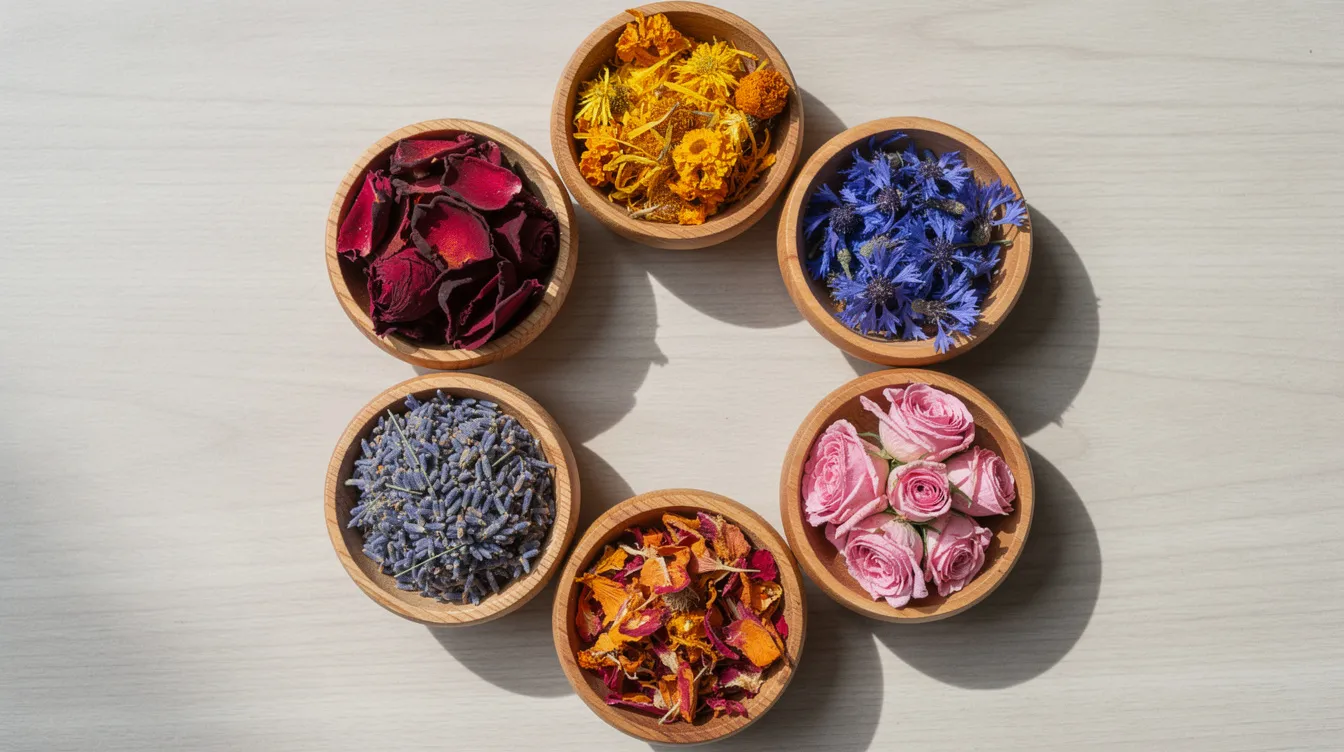
Common edible dried flowers include lavender, rose, and hibiscus, but the options extend far beyond that trio. Whether you want to create gorgeous teas, delicious desserts, or creative savory dishes, this guide covers the six best varieties to keep in your kitchen. We evaluated each based on flavor profile, versatility, availability, visual appeal, and safety so you can find the perfect match for your culinary goals.
One important note before we dive in: sourcing matters. Only food-grade flowers should be used in cooking to ensure safety, and not all parts of the flower are edible. Petals are the typically used parts of edible flowers for culinary applications.
How We Chose the Best Edible Dried Flowers
We evaluated each flower against practical criteria that matter to both the home cook and the working chef:
Flavor intensity and complexity – Does it enhance dishes or just sit there looking pretty?
Versatility – Can it cross over between teas, desserts, savory food, and drinks?
Color retention – Does the dried form maintain its beautiful appearance?
Availability – Can you easily find it from trusted suppliers and add it to your cart?
Shelf life – How long can you stock it before it starts to lose quality?
Safety profile – Is there an established history of culinary use?
Using dried edible flowers requires starting with small amounts to gauge flavor strength. A pinch too much lavender or rose can overpower an entire dish. Only use flowers that are identified as edible to avoid toxicity, and always source from suppliers who grow flowers free of pesticides and preservatives.
Top 6 Edible Dried Flowers for Culinary Use
1. Dried Rose Petals
Rose petals are the sort of classic edible flowers that need no introduction. Their romantic appeal has made them a staple in culinary traditions from the Middle East to Europe for centuries, and many home cooks now dehydrate rose petals at home to keep this ingredient on hand year-round.
Why It Stands Out
Rose petals carry a distinctive floral aroma with hints of fruit and honey. The flavor is delicate enough for sweet applications like jams and desserts yet complex enough to work in savory rice dishes like biryani. Rose petals have a fragrant and sweet flavor, making them great for jams and desserts. Dried flower infusions can be used to flavor creams, cakes, or cookies-and rose is one of the most popular choices for this.
Versatile use across teas, desserts, jams, and rice dishes
Beautiful pink to red colors that enhance visual presentation
Well-established safety profile with wide availability in variety packs
Possible Limitations
Can become perfumy and overpowering if used in excessive quantities
Food-grade rose petals command a higher price compared to other edible flowers-often the highest price per ounce in this category
2. Butterfly Pea Flowers
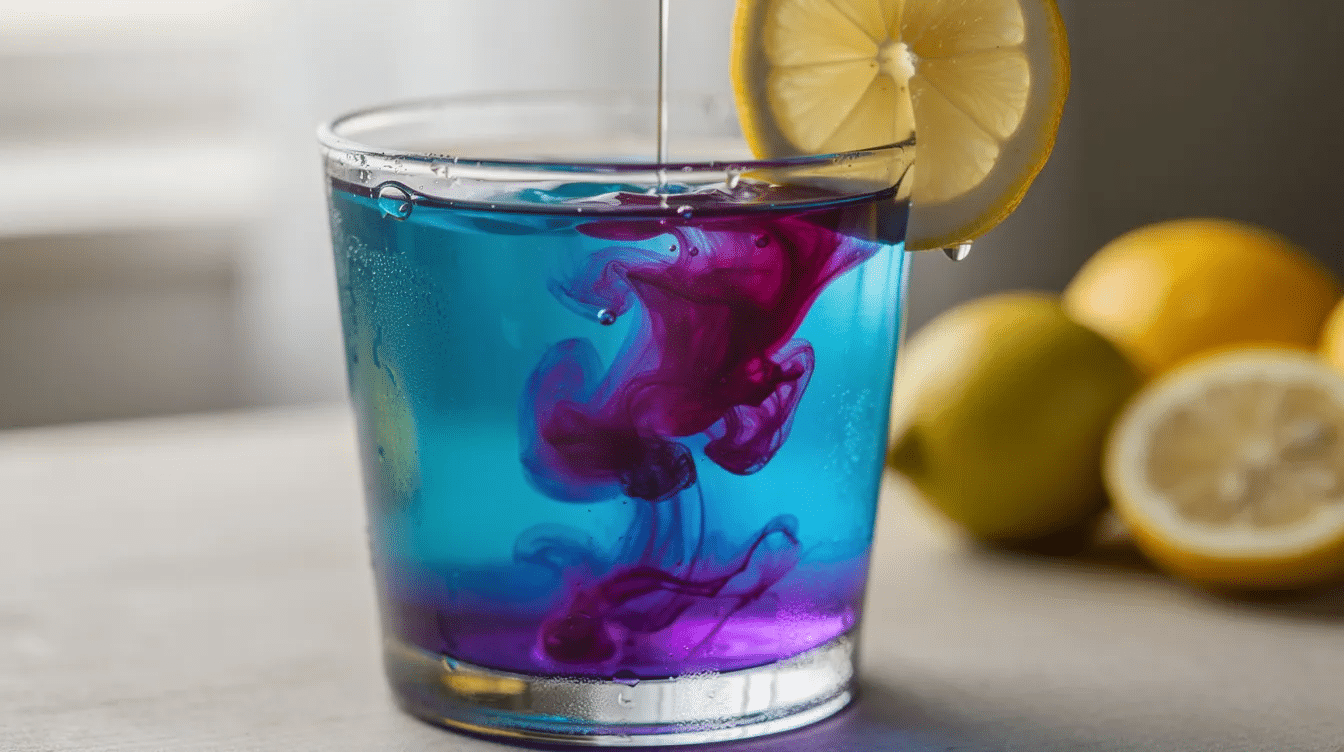
Butterfly pea flowers have become the trending star of the edible flower world, and for good reason. Their vivid blue color and pH-reactive pigments make them a favorite for creative drinks and social media content.
Why It Stands Out
The unique blue color transforms to purple or pink when you add acid like lemon juice. This happens because butterfly pea flowers are rich in anthocyanins called ternatins, which act as natural pH indicators. The FDA recently granted butterfly pea flower extract status as a color additive exempt from certification, making it increasingly accessible for food use.
Best For
Social media content creators, cocktail enthusiasts, and anyone seeking a natural food coloring alternative.
Key Strengths
Dramatic color-changing effect that creates Instagram-worthy drinks and ice cubes
Mild, earthy flavor that doesn’t overpower other ingredients
Rich in antioxidants with anthocyanin content around 2 mg/g in properly dried forms
Freeze-dried edible flowers retain color, flavor, and nutrients particularly well, and butterfly pea is one variety where freeze-drying makes a noticeable difference in vibrancy.
Possible Limitations
Limited flavor contribution compared to its visual impact
May not be ready to find in all regions, though online options are expanding
3. Dried Lavender Buds
Lavender bridges the gap between herbs and flowers, offering an intensely fragrant experience that has earned its place in both the kitchen and the tea cabinet. Dried lavender has a sweet floral taste with a strong aroma that instantly transports you to the Mediterranean.
Why It Stands Out
Lavender’s volatile essential oils-primarily linalool and linalyl acetate-give it a distinctive flavor profile that no other flower can replicate. It’s a key ingredient in French Herbes de Provence blends and works beautifully in both sweet and savory contexts.
Best For
Bakers specializing in French cuisine, herbal tea blenders, and aromatherapy enthusiasts who love bringing nature into their food.
Key Strengths
Excellent in shortbread, honey-lavender glazes, and cream-based desserts
Long shelf life with a strong, lasting fragrance when stored properly
Calming properties that make it ideal for evening teas
Possible Limitations
Strong flavor requires careful measurement-overuse produces a soapy taste
Not suitable for all flavor combinations; can clash with bold savory flavors
4. Calendula Petals
Calendula, sometimes grouped with marigolds, is the gentle entry point for anyone new to cooking with edible flowers. Common edible flowers include calendula, chive, and nasturtium, and calendula is arguably the most approachable of the bunch.
Why It Stands Out
Vibrant orange-gold petals deliver a mild, slightly peppery taste. Historically nicknamed “poor man’s saffron,” calendula can impart a warm golden hue to rice, soups, and baked goods at a fraction of saffron’s cost.
Best For
Budget-conscious cooks, salad garnishing, and those just starting their edible flower journey. Edible flowers can enhance salads and desserts, and calendula does both without overwhelming the dish.
Key Strengths
Affordable and easy to grow in a home garden
Subtle flavor works as a background note in sweet and savory dishes
Natural colorant that adds beauty to any plate
Possible Limitations
Flavor can be inconsistent depending on growing conditions and harvest timing
Color may fade faster than other dried flowers if not stored in a dark container
5. Dried Hibiscus Flowers
Hibiscus is the bold, tart powerhouse of the edible dried flower world. Enjoyed across global cuisines from West Africa to Latin America, it delivers flavor and nutrition in equal measure, and learning how to dry hibiscus flowers helps you capture that intensity for long-term use.
Health-conscious tea drinkers, Mexican cuisine lovers, and those seeking vitamin C-rich ingredients to stock in their pantry.
Key Strengths
High vitamin C content and antioxidant properties
Creates gorgeous deep red colors in teas, syrups, and beverages
Traditional use across multiple cultures with a long safety record
Possible Limitations
Quite tart and may need sweetening with sugars or honey for some palates
Can overpower delicate preparations; best used where bold flavors are welcome
6. Dried Chamomile Flowers
Chamomile is the quiet achiever-gentle, universally loved, and backed by centuries of use. Many gardeners dehydrate chamomile in a food dehydrator to preserve its sweet, apple-like flavor ideal for teas and desserts.
Why It Stands Out
Mild, honey-apple flavor with well-known calming effects. Dried chamomile contains over 50 flavonoids, including apigenin, which contributes to its soothing properties. The European Pharmacopoeia requires dried chamomile to contain at least 0.25% apigenin-7-O-glucoside as a quality marker.
Best For
Bedtime tea enthusiasts, stress relief seekers, and those who prefer gentle dessert applications like panna cotta or infused creams.
Key Strengths
Universally appealing mild flavor suitable for sensitive palates
Established therapeutic benefits for relaxation and digestion
Readily available and reasonably priced from most suppliers
Possible Limitations
Subtle flavor may get lost in strongly flavored dishes
May cause allergic reactions in those sensitive to ragweed family plants
Quick Comparison of the Best Edible Dried Flowers
Flower
Best For
Flavor
Color Impact
Price Range
Rose Petals
Romantic desserts, Middle Eastern cuisine
Floral, delicate
Pink to red
Medium-High
Butterfly Pea
Color-changing beverages, natural dye
Mild, earthy
Vivid blue → purple
Medium
Lavender
French baking, aromatherapy teas
Intense, herbaceous
Muted purple
Medium
Calendula
Budget garnishing, mild enhancement
Mild, peppery
Gold to orange
Low
Hibiscus
Tart teas, Mexican-inspired drinks
Bold, cranberry-like
Deep crimson
Low-Medium
Chamomile
Calming teas, gentle desserts
Honey-apple, mild
Pale yellow
Low
How to Choose the Right Edible Dried Flowers
Choose Based on Flavor Profile
Flavors range from whisper-quiet to bold. Calendula and chamomile sit on the mild end-perfect for a home cook who wants to add floral character without risk. Lavender and hibiscus are on the opposite end, delivering intense flavors that require a careful hand.
Choose Based on Intended Use
Match the flower to the application:
Tea blending: Chamomile, hibiscus, rose, lavender
Cake decorating: Rose petals, pressed flowers, calendula
Savory cooking: Calendula in soups, lavender in herb blends
Beverage garnishing: Butterfly pea in cocktails, floral ice cubes made by freezing dried flower petals to brighten drinks
You can also make floral sugars by grinding dried flowers with granulated sugar-try it with lavender or rose. Rose geranium can be used to infuse sugars and baked goods as well. For something more adventurous, stuffed squash blossoms make a unique main dish idea beyond the usual petal applications. Sprinkle dried petals over oatmeal or yogurt for an easy upgrade.
Choose Based on Experience Level
If you’re new to cooking with edible flowers, start with calendula or chamomile. Their mild flavors are forgiving and easy to work with. As you gain confidence, move to rose and lavender. Once you’re comfortable, hibiscus and creative butterfly pea applications become your playground.
Which Option Is Best for You?
Choose Rose Petals if you want classic elegance and versatile floral flavor
Choose Butterfly Pea if your priority is visual drama and social media appeal
Choose Lavender if you need intense aroma and French-inspired sophistication
Choose Calendula if you want affordable, beginner-friendly flowers with gentle flavor
Choose Hibiscus if you desire tart, health-focused beverages with vitamin C
Choose Chamomile if you prefer mild, soothing flavors for relaxation
When building your supply, keep in mind that freeze-dried flowers reduce waste from spoilage and browning, they are shelf-stable for up to one year, and they provide a sustainable alternative to fresh flowers. If you prefer to dry your own blooms, you can also dry flowers in the oven as a quick way to create petals for culinary and decorative use. If you order in bulk, ensure proper storage in an airtight container away from light.
Final Thoughts
The best edible dried flower depends on your specific culinary goals, flavor preferences, and intended applications. Beginners should start with milder options like calendula or chamomile before graduating to bolder blooms like hibiscus or lavender.
Sourcing is everything. Some flowers are poisonous and should be avoided entirely, so consult a medical or plant expert before consuming flowers you’re unsure about. Pregnant or nursing women should avoid certain flower varietals as well. Look for edible flower plants at local nurseries or farmers’ markets, and seed packets for edible flowers are available online and at garden centers. Many common “weeds,” like dandelions, are also edible, and understanding how to dry dandelion blooms can expand your homemade herbal tea and syrup options. Harvesting flowers from your yard is rewarding and beautiful when you know your garden is free of pesticides.
For purchasing dried edible flowers, farmers’ markets often sell fresh edible flowers, and grocery stores may have edible flowers in the produce section. Dried edible flowers are available on Amazon for convenient delivery, and they can also be incorporated into dried Christmas floral arrangements for holiday decor if you enjoy gifting or displaying your creations. Specialty suppliers like Freshly Freeze Dried offer edible flowers sourced from U.S. growers, and Cherry Valley Organics sells a variety of dried edible flowers. Freeze-drying preserves the farm-fresh goodness of flowers, so these options are worth exploring. Chive flowers bloom at different times throughout the year, giving you seasonal variety if you grow your own, and you can preserve that mild onion note by learning how to dry chives for year-round cooking.
Small businesses-bakeries, tea shops, cocktail bars-are increasingly building their menus around these ingredients, and there’s no reason you can’t do the same at home. Many of these kitchens also rely on classic herbs like rosemary, so it helps to understand what dried rosemary looks like and how to use it alongside your floral ingredients. Whether you’re placing a few petals on a vase-worthy dessert or crafting an entire menu around floral flavors, these six flowers give you everything you need to maintain creativity in the kitchen all year long. Start with one, experiment with combinations, and let the beauty of edible flowers transform your life in the kitchen.
DannyContent Writer
Hey there, since 2016, my mission has been to provide you with the information and guides you need to make food dehydrating simple and fun. Whether you're a newbie or a seasoned pro, my site offers helpful guides, reviews, and recipes to enhance your dehydrating experience. I take pride in only recommending products I believe in, ensuring my readers' trust. As an affiliate of various programs, including Amazon Associates, your support helps me continue providing quality content. Thanks for stopping by, and happy dehydrating!