We earn a commission if you make a purchase, at no additional cost to you.
09/22/2026 04:39 pm GMT
🍊 Dehydrated Food Info Finder — Temperatures & Drying Times
Choose a category, then pick a food to see its drying temperature and time.
⚠️ Safety Disclaimer: Drying times are estimates and vary based on slice thickness, food moisture content, humidity, and your dehydrator model. Always check for doneness before storing — food should feel dry, leathery, or brittle with no moist spots. Improperly dried food can harbour mould and bacteria. For meat and poultry, follow USDA safe internal temperature guidelines: beef and pork to 160°F (71°C), poultry to 165°F (74°C). Use a food thermometer when in doubt. Store all dehydrated foods in airtight containers in a cool, dark place and discard anything showing moisture, mould, or off odours.
Drying Pomegranate Peel: How to Make Long-Lasting Powder at Home
That thick, leathery skin you throw away after eating pomegranate seeds? It’s actually one of the most useful parts of the fruit. Learning the art of drying pomegranate peel transforms kitchen waste into a versatile powder for teas, skincare, cooking, and natural dyeing. Here’s how to do it right.
Quick Answer: How to Dry Pomegranate Peel (Step-by-Step)
Before diving into the details, here’s a fast, practical method to get you started the same day you cut your fruit.
Preparation:
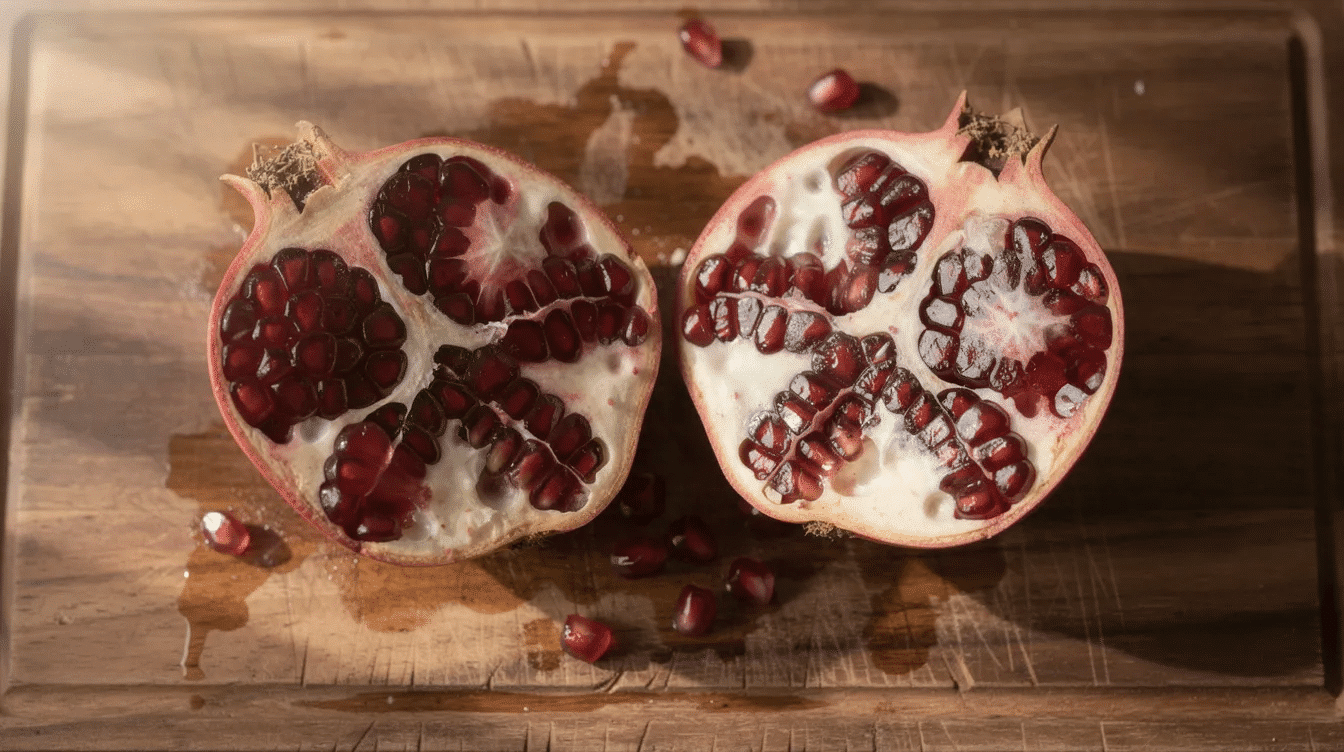
Wash 2–3 whole pomegranates under running water using a produce brush to remove soil and waxes
Cut off the crown and score the skin along natural segment lines
Pull the fruit apart and separate the red arils into a bowl (save these to eat or add to a recipe)
Remove the bitter white pith, keeping only the firm outer peel
Cut peels into 1–2 cm strips and pat dry with a clean towel
Drying options:
Method
Temperature
Time
Notes
Air dry
Room temp, near sunny window
3–5 days
Turn peels once daily, protect from dust
Oven dry
95–120°F (35–50°C)
2–3 hours
Prop door ajar, check every 30 minutes
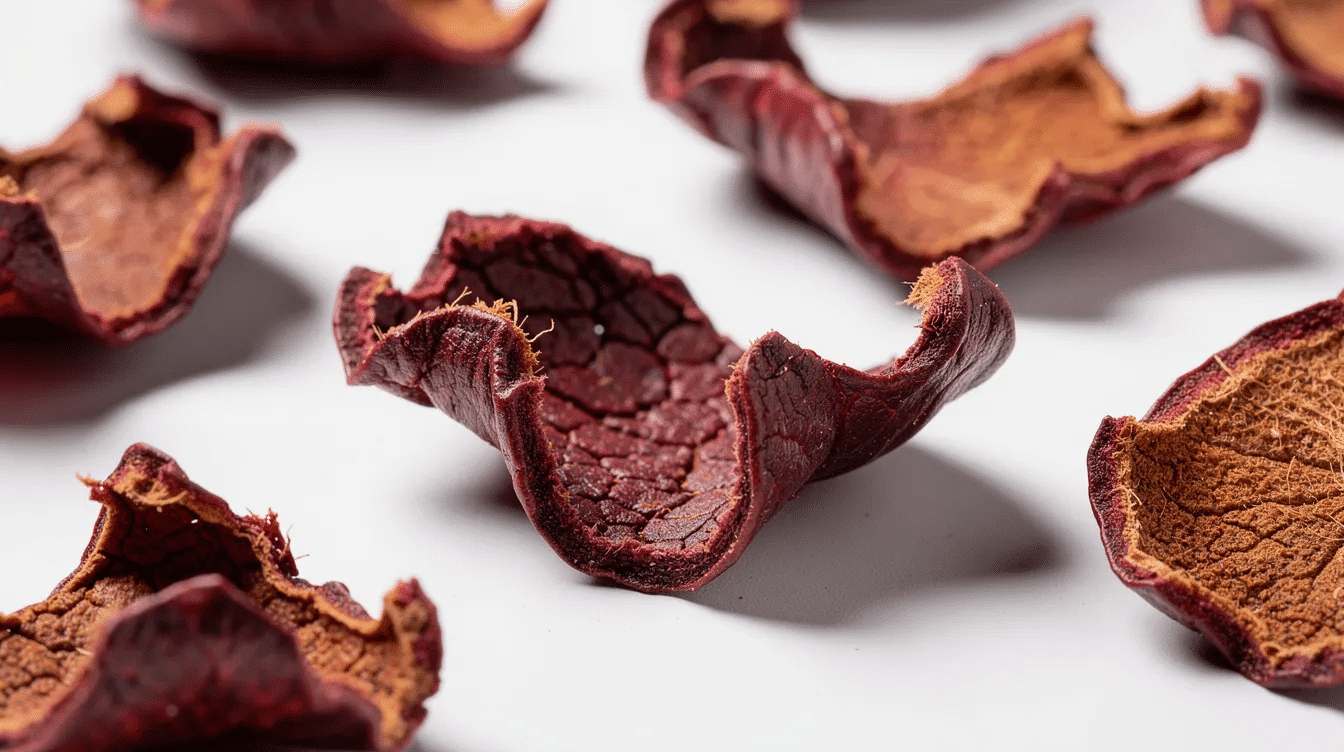
Dryness test: Peels should be hard, brittle, and snap cleanly with no soft spots or visible moisture.
Finishing:
Cool completely before grinding in a coffee grinder or blender to a fine powder
Transfer to a labeled, airtight container and store in a cool cupboard
Expect 1–3 months shelf life for tea and food use, up to 6 months for cosmetic or dye applications
Safety note: Choose organic fruit when possible. Consult a healthcare professional before consuming large amounts regularly.
The pomegranate peel is the thick outer rind of Punica granatum, typically discarded after you remove the juice-filled arils. What most people don’t notice is that this skin accounts for roughly half the fruit’s total weight—and it’s packed with beneficial compounds.
Fresh peel contains high levels of tannins, polyphenols like punicalagin and ellagic acid, and natural pigments. These compounds give dried peel its therapeutic and crafting value. Historically, Mediterranean, Middle Eastern, and Ayurvedic traditions used dried peel for herbal teas, digestive remedies, and fabric dyeing.
Why bother drying?
Extends shelf life from days to months
Concentrates flavor and active compounds
Creates a multi-purpose ingredient for tea, spice blends, skincare, and natural dye
Preparing Pomegranate Peels for Drying
Careful preparation improves the flavor, color, and cleanliness of your final powder.
Start by rinsing whole fruits thoroughly under cool water, using a produce brush if available. This removes soil, waxes, and any residue from handling.
Cut off the top crown with a sharp knife to expose the segment lines without slicing too deep into the arils. Score the skin lightly along these natural ridges, then gently pull the fruit apart over a bowl.
Tap the back of each segment with a wooden spoon to release the arils—you can eat these fresh, add to salads, save for juice, or turn them into dehydrated pomegranate seeds. Strip away the bitter white pith from the colored peel, keeping only the firm outer rind where most of the beneficial compounds concentrate.
Cut the prepared peel into small, even-sized strips (about 1–2 cm wide) so they dehydrate at a consistent rate. Pat pieces dry with a lint-free towel to remove surface moisture before spreading on your drying surface.
Methods for Drying Pomegranate Peel
Three main approaches work well for home drying: air/sun drying, oven drying, and dehydrator drying. Each has trade-offs between speed, energy use, and preservation of antioxidants, and many of the same principles apply when choosing the best fruits for sun-drying. Regardless of method, always spread peels in a single layer without overlapping.
Air Drying
Spread peel strips on a clean mesh tray or rack in a warm, dry room—ideally near a window with indirect sunlight. Avoid direct sunlight, which can scorch the peels. Cover with cheesecloth or fine mesh to protect from insects and dust.
Flip pieces once daily. Drying takes 3–7 days depending on humidity levels. Low-humidity environments (below 60% RH) produce faster results.
Oven Drying
Set your oven to its lowest setting, ideally 95–120°F (35–50°C). Many home ovens bottom out at 170°F, so prop the door open 2–4 inches with a wooden spoon to allow heat and moisture to escape.
Arrange peels on a parchment-lined baking sheet. Dry for 2–4 hours, checking and rotating trays every 30–45 minutes to prevent browning.
Dehydrator Drying
Set your electric food dehydrator to 95–115°F (35–46°C). Place peel strips on trays with small gaps between pieces for airflow, just as you would when drying peppers in a dehydrator. Expect drying to complete in 4–8 hours depending on strip thickness and your machine model.
For all methods: Peels are ready when they feel very light, rigid, and brittle—they should snap cleanly with no flexibility. Cool completely on the tray before transferring to storage to prevent condensation.
Common Drying Mistakes to Avoid
Small errors during drying can lead to mold or off-flavors. Watch out for these issues:
Overcrowding trays – Creates uneven drying with hidden moist spots
Using excessive heat – Temperatures above 50°C can darken peels and degrade polyphenols by up to 25%
Storing while warm – Leads to condensation inside the jar and mold growth
Drying in humid rooms – Without good airflow, drying time extends to 7+ days and mold risk increases
Leaving white pith attached – Adds unwanted bitterness to your powder
If in doubt, dry 30–60 minutes longer at low heat. It’s easier to fix under-dried peel than to salvage moldy powder.
Grinding, Testing, and Storing Dried Pomegranate Peel
Once your peels are fully dehydrated, you can store them whole or grind into pomegranate peel powder depending on intended use.
Grinding:
Use a clean coffee grinder, spice grinder, or high-speed blender, similar to the process for making homemade ginger powder
Pulse in 10–20 second bursts until a uniform fine powder forms
Sift through a fine mesh strainer for smoother texture (useful for skincare or tea bags)
Dryness test: Place a small amount of powder in a glass jar and seal for 24 hours. If clumps or condensation appear, re-dry in a low oven before grinding again.
Storage checklist:
Use airtight containers, preferably dark glass, to block UV degradation
Label with contents and date (e.g., “Pomegranate Powder – April 2026”)
Store away from light, heat, and moisture in a pantry cupboard, following the same long-term storage principles you’d use for DIY apple fruit powder
Shelf life: 1–3 months for best taste in tea and food; up to 6–12 months for dyeing or external applications
Discard immediately if you notice mold, musty odors, or any sign of pantry pests.
How to Use Dried Pomegranate Peel
Dried pomegranate peel works as a culinary accent, skincare additive, and natural dye source. Here’s how to put your powder to work.
For Tea and Drinks
Add 1/2–1 teaspoon of powder per cup of hot water and steep 5–10 minutes. Strain if needed using paper or mesh. The taste is tart and tannic—similar to strong black tea but richer. Blend with ginger, cinnamon, or honey for a more delicious combination.
For Cooking
Use pomegranate powder as a souring spice in marinades, meat rubs, or chutneys, or pair it with other homemade dried fruits such as dehydrated plums. The flavor profile resembles anardana (dried pomegranate seeds) but with more bitterness, making it suitable for bold dishes like lentil dal or slow-cooked stews.
For Skincare
Mix powder with yogurt, honey, or aloe to create a simple mask or exfoliating paste. The texture and natural compounds may help treat acne and support skin renewal, much like the skin-loving antioxidants found in dehydrated citrus fruits. Always do a patch test first—stop applying if irritation occurs.
For Natural Dye and Crafting
The powder works as both a dye and mordant for fabric. It produces yellow to green-yellow hues on cotton, silk, and other cellulose or protein fibers. Adding iron as a modifier shifts shades toward olive and grey. This makes it valuable for eco-printing and botanical dye projects where you want to preserve natural color without synthetic chemicals, especially when combined with other zero-waste ingredients like dehydrated pumpkin seeds in your kitchen routine.
Moderation reminder: Avoid large internal doses, especially during pregnancy or when on medications, without professional guidance. Excessive tannins (above 5g daily) may cause digestive issues or affect iron absorption.
Health and Sustainability Notes
Turning kitchen scraps into useful powder connects ancient wellness traditions with modern zero-waste habits.
Research shows pomegranate peel contains 5–10x higher antioxidants than the liquid juice alone, similar to how dehydrated citrus slices concentrate flavor and beneficial compounds. Compounds like punicalagin have shown promise in early studies for supporting heart health, blood sugar balance, and reducing inflammation—though robust human clinical trials remain limited. Homemade dried peel delivers milder doses than standardized supplements, so expect gentle, gradual effects rather than dramatic results.
From a sustainability perspective, each medium pomegranate (about 300g) yields roughly 40–50g of dried powder. That’s half the fruit’s weight diverted from landfills and transformed into something useful. Your homemade powder can replace packaged teas, commercial scrubs, and synthetic dyes when used thoughtfully—saving money while reducing waste, just as learning to dehydrate raspberries at home can turn surplus berries into long-lasting pantry staples.
Key takeaways:
Treat pomegranate peel as a supportive ingredient, not a standalone medical treatment
Properly dried powder retains 80–90% of beneficial compounds after 6 months
Consult a healthcare professional before regular therapeutic use, especially with existing conditions
Start with your next pomegranate and see how easily you can create this versatile, long-lasting powder at home.
DannyContent Writer
Hey there, since 2016, my mission has been to provide you with the information and guides you need to make food dehydrating simple and fun. Whether you're a newbie or a seasoned pro, my site offers helpful guides, reviews, and recipes to enhance your dehydrating experience. I take pride in only recommending products I believe in, ensuring my readers' trust. As an affiliate of various programs, including Amazon Associates, your support helps me continue providing quality content. Thanks for stopping by, and happy dehydrating!