We earn a commission if you make a purchase, at no additional cost to you.
09/22/2026 04:39 pm GMT
🍊 Dehydrated Food Info Finder — Temperatures & Drying Times
Choose a category, then pick a food to see its drying temperature and time.
⚠️ Safety Disclaimer: Drying times are estimates and vary based on slice thickness, food moisture content, humidity, and your dehydrator model. Always check for doneness before storing — food should feel dry, leathery, or brittle with no moist spots. Improperly dried food can harbour mould and bacteria. For meat and poultry, follow USDA safe internal temperature guidelines: beef and pork to 160°F (71°C), poultry to 165°F (74°C). Use a food thermometer when in doubt. Store all dehydrated foods in airtight containers in a cool, dark place and discard anything showing moisture, mould, or off odours.
Dehydrated food storage tips help you maximize shelf life by using airtight containers or vacuum sealing, keeping food in cool, dark, dry conditions, and adding oxygen absorbers or desiccants to limit moisture and spoilage. For home cooks and food preservation enthusiasts drying fruits, vegetables, herbs, jerky, and other foods, proper storage protects flavor, texture, nutrients, and food safety while reducing waste.
This guide walks through the full process: preparing food for dehydration, choosing and using a dehydrator, packaging dried foods, maintaining the right storage conditions, checking for problems during storage, rehydrating and cooking with dehydrated ingredients, and avoiding common mistakes. You’ll learn how to keep your dried ingredients fresh for longer with practical best practices for dehydrated food storage.
Understanding Dehydration and Its Benefits for Long-Term Storage
Dehydration is a food preservation method that involves removing water from food. This process significantly reduces the weight of the food, making it easier to store and transport.
Longevity: Dehydrated food can last for months or even years when stored properly. This makes it an excellent option for long-term storage.
Nutrition: Dehydration helps retain the nutritional value of food. Unlike other preservation methods, it does not require the addition of preservatives or sugar.
Versatility: Dehydrated food can be used in a variety of dishes. It can be rehydrated and used as a substitute for fresh ingredients in recipes.
However, the success of food dehydration largely depends on the storage conditions. Temperature, humidity, and light can all affect the quality and shelf life of dehydrated food.
In the following sections, we’ll delve into the best practices for preparing, dehydrating, and storing food to ensure optimal quality and longevity.
Preparing Your Food for Dehydration
Before you start dehydrating, it’s crucial to prepare your food correctly. This step can significantly impact the quality and how long dehydrated food will last and the overall shelf life of your dehydrated goods.
Firstly, ensure your food is fresh and ripe. Overripe or spoiled food may not dehydrate well and can affect the taste and texture of the final product.
Next, cut your food into uniform pieces. This ensures even drying and prevents some pieces from becoming too dry while others are still moist.
Lastly, consider pretreating your food. Methods like blanching can help retain color and nutrients during the dehydration process.
Selecting the Right Food Dehydrator
Choosing the right food dehydrator is crucial for successful dehydration.
Look for a dehydrator with adjustable temperature settings. This allows you to tailor the dehydration process to different types of food.
Also, consider the size and capacity of the dehydrator. Make sure it fits your needs and the space available in your kitchen.
Monitor the process closely. Check the food regularly to prevent over-drying. Properly dried food should reach safe moisture levels, generally about 5% to 20% depending on the food.
Finally, let the dehydrated food cool completely before packaging, then condition dried food for about 10 days before long-term storage to check for even remaining moisture and help prevent condensation that can lead to mold growth.
Packaging plays a crucial role in maintaining the quality of your dehydrated food. It protects the food from moisture, light, and pests, all of which can degrade the food and shorten its shelf life.
Use airtight containers: These prevent moisture and air from reaching the food.
Consider vacuum sealing: This removes air from the package, further extending the shelf life.
Use food-grade materials: These are safe for food storage and won’t leach harmful chemicals into your food.
Choosing the Right Containers for Storage
The type of container you choose for storing your dehydrated food can make a big difference in its shelf life.
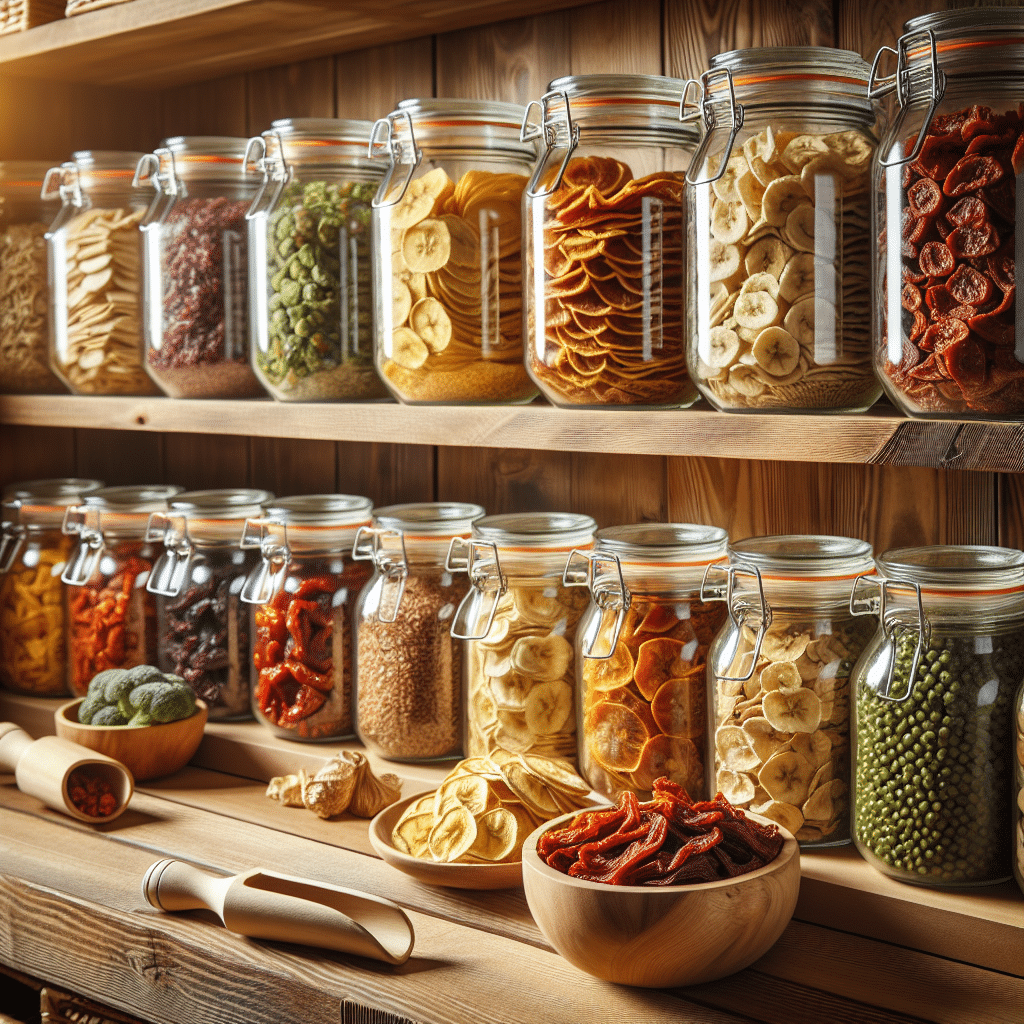
Glass jars are a popular choice. Mason jars are ideal for storing dehydrated foods because they’re reusable, easy to clean, and seal well with a tight fitting lid; canning jars work just as well. When possible, store items in smaller quantities or use smaller jars to reduce air exposure after opening.
Plastic bags, especially vacuum-sealed ones, are also a good option. freezer bags can work well too because they’re durable and take up less space than jars.
For long-term storage, consider using Mylar bags. They’re durable, block light, and can be sealed for airtight storage, and a food grade bucket can serve as an outer container for bulk storage when individual packages are kept inside.
The Role of Oxygen Absorbers and Desiccants
Oxygen absorbers can extend the shelf life of dehydrated foods, especially for long term food storage.
Oxygen absorbers remove oxygen from the package, preventing oxidation and the growth of bacteria and mold. They’re especially useful for foods with high fat content, as fat can go rancid in the presence of oxygen. Use oxygen absorbers for long-term storage of dehydrated foods rather than short term storage, where plain jars are often enough.
Desiccants, on the other hand, absorb moisture. They help keep the environment inside the package dry, preventing the rehydration of the food, but only food safe products intended for food packaging should be used.
Remember, these should only be used with airtight containers. Otherwise, they’ll absorb oxygen and moisture from the outside air, becoming ineffective. As a sizing example, a 50-cc absorber is suitable for a half-pint jar.
Maintaining Optimal Storage Conditions
Once your dehydrated food is packaged, it’s time for storing dehydrated food correctly.
The conditions in which you store your dehydrated food can significantly impact its shelf life.
The key is to keep the storage environment cool, dark, and dry. For dried foods, cool temperatures between 50°F and 70°F are ideal for preserving quality. Temperature fluctuations can create condensation or introduce moisture, which shortens shelf life.
Each of these factors plays a role in preserving the quality of your food and preventing spoilage.
Temperature and Humidity Control
Temperature and humidity are two critical factors in food storage.
High temperatures can cause the food to deteriorate faster, so keep the storage temperature as steady and low as practical.
On the other hand, high humidity can introduce moisture into the package, leading to rehydration and potential mold growth.
Therefore, it’s best to store your dehydrated food in a cool place with stable humidity, and avoid humid areas because excess moisture can trigger mold growth.
Light and Airflow Considerations
Light and airflow also play a role in food storage, so keep containers in a dark place within the storage area, away from direct light and unnecessary airflow.
On the other hand, a dry setup with limited air movement is the best way to store dried foods.
However, make sure the food is stored in airtight containers to prevent it from absorbing moisture from the air.
Monitoring and Using Your Dehydrated Food Supply
Once your dehydrated food is stored, it’s not a “set and forget” situation.
Regular monitoring is crucial to ensure the food remains in good condition.
Check stored food periodically for signs of moisture, mold, or insects, as well as off-odors or changes in color or texture.
Also, remember to rotate your food supply, using older items first and adding new ones at the back, and label containers with the food type and date dried so you can track storage time more easily.
The rehydration time will depend on the type of food and its size.
Once rehydrated, the food can be used as if it were fresh. Lightweight options also work well for backpacking trips and camping trips when you add boiling water for rehydration.
Detecting and Preventing Spoilage
Even with proper storage, dehydrated food can spoil if it was not completely dry before storage.
Always handle the food with clean hands and utensils to prevent contamination.
If you notice any signs of spoilage, discard the food immediately; if a batch feels soft, shows moisture, or develops odor, it likely did not dry fully, and if a package closure or vacuum seal fails, air can get back in and speed spoilage.
Remember, it’s better to be safe than sorry when it comes to food safety.
Common Mistakes and Troubleshooting
Storing dehydrated food can be a learning process, and mistakes are common.
One common error is not allowing the food to cool before packaging, since packing warm food too soon can create condensation.
This can lead to condensation inside the container, promoting mold growth.
Another mistake is storing food in a humid area, where excess moisture in the environment can undo proper drying, rehydrate the food, and cause spoilage.
Check vacuum sealed bags or reusable plastic bags for puncture holes and make sure they have a good seal before storage.
If you’re having trouble with your dehydrated food storage, don’t hesitate to seek advice from experienced preservers or online communities.
Conclusion and Additional Resources
Dehydrating and storing food can be a rewarding process. It allows you to preserve seasonal produce, reduce food waste, and have a ready supply of nutritious food.
Hey there, since 2016, my mission has been to provide you with the information and guides you need to make food dehydrating simple and fun. Whether you're a newbie or a seasoned pro, my site offers helpful guides, reviews, and recipes to enhance your dehydrating experience. I take pride in only recommending products I believe in, ensuring my readers' trust. As an affiliate of various programs, including Amazon Associates, your support helps me continue providing quality content. Thanks for stopping by, and happy dehydrating!