We earn a commission if you make a purchase, at no additional cost to you.
09/22/2026 04:39 pm GMT
🍊 Dehydrated Food Info Finder — Temperatures & Drying Times
Choose a category, then pick a food to see its drying temperature and time.
⚠️ Safety Disclaimer: Drying times are estimates and vary based on slice thickness, food moisture content, humidity, and your dehydrator model. Always check for doneness before storing — food should feel dry, leathery, or brittle with no moist spots. Improperly dried food can harbour mould and bacteria. For meat and poultry, follow USDA safe internal temperature guidelines: beef and pork to 160°F (71°C), poultry to 165°F (74°C). Use a food thermometer when in doubt. Store all dehydrated foods in airtight containers in a cool, dark place and discard anything showing moisture, mould, or off odours.
Canning Spinach Recipes: Safe, Simple Ways to Preserve Your Greens
Home canners in 2026 continue to rely on pressure canning spinach for shelf-stable nutrition that doesn’t depend on freezer space or electricity. Whether you’re stocking up for soups, casseroles, or quick weeknight sides, canned spinach delivers vitamins like iron and folate straight from your pantry.
Spinach is a low acid food with a pH above 4.6, which means it must be processed in a pressure canner—never a water bath. This article covers canning spinach from start to finish, including selecting freshly harvested greens, washing, blanching, tested processing times, and practical ways to use your jars all year. The same principles apply to other greens like swiss chard, beet tops, kale, collards, turnip greens, and mustard greens, and you can also preserve many of these using a hanging dehydrator for fruits and vegetables.
Fresh spinach cooks down dramatically, which surprises many first-time canners. That massive colander of greens wilts into a fraction of its original volume once heat is applied.
Plan on roughly 28 pounds of fresh spinach for a canner load of 7 quarts, or about 18 pounds for a load of 9 pints. One bushel of spinach weighs approximately 18 pounds and yields 3 to 9 quarts depending on leaf size and packing efficiency. As a general rule, expect about 4 pounds of raw spinach per quart jar.
For practical planning, remember that 1 pound of fresh spinach reduces to about 1 to 1½ cups cooked. If you want 7 pints, plan on at least 14 pounds of raw spinach, accounting for waste from tough stems and insect damaged leaves.
Safety Basics: Why Spinach Must Be Pressure Canned
Spinach and all leafy greens are low-acid foods that must always go through pressure canning to prevent botulism. There is no safe water bath method for vegetables like spinach.
Water bath canning cannot reach temperatures high enough to destroy Clostridium botulinum spores. These spores survive boiling at 212°F and require the 240-250°F temperatures only achievable with a pressure canner. The National Center for Home Food Preservation and USDA guidelines provide the tested processing times used in this article.
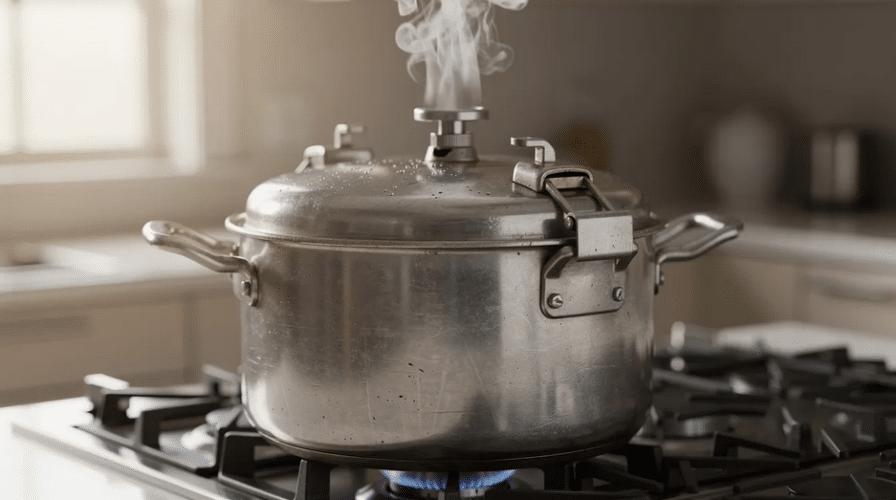
Use a true pressure canner—either weighted gauge or dial gauge—that holds at least 4 quart jars. Pressure cookers lack the capacity and calibration for safe home canning. Always adjust pressure for your altitude: add 1 PSI per 1,000 feet above sea level for a dial gauge pressure canner, or switch to a 15-pound weight for weighted gauge models above 1,000 feet.
Selecting and Washing Spinach
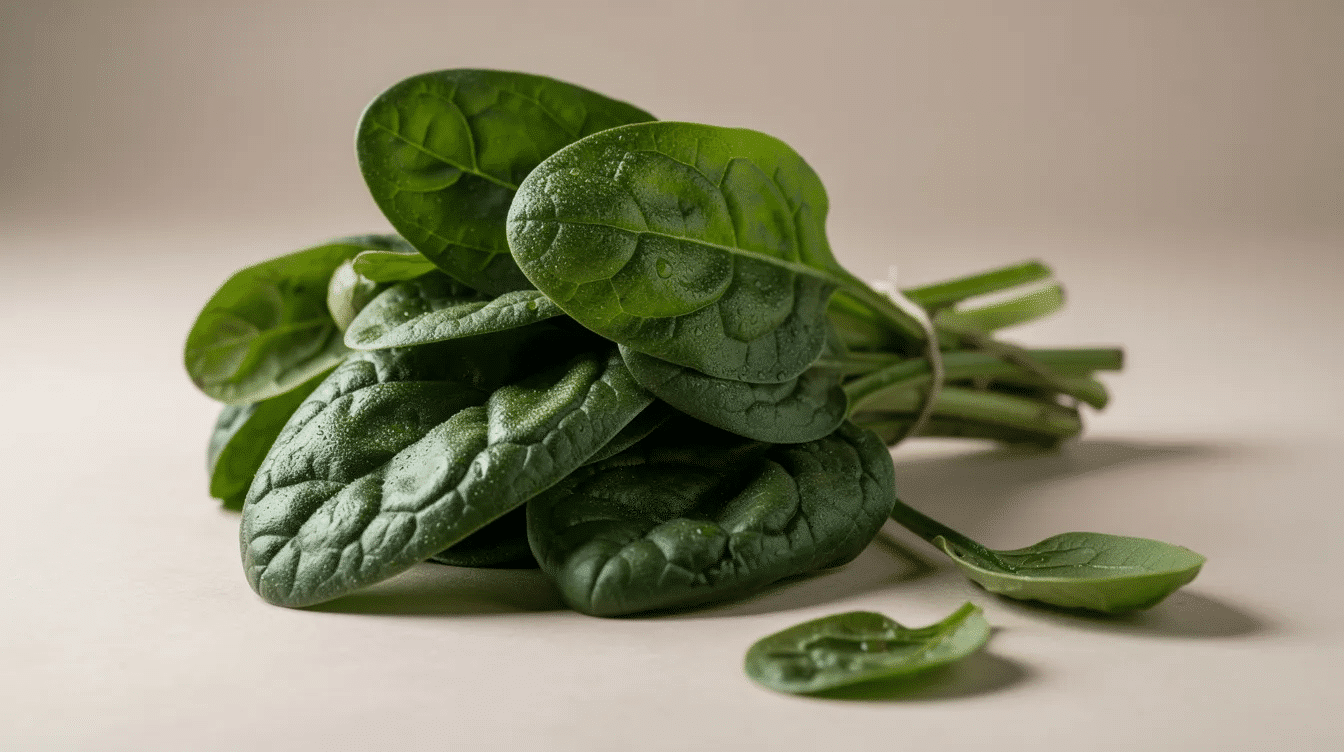
Choose spinach with tender, vibrant green leaves and no yellowing, wilting, sliminess, or insect damage. Home gardeners should harvest in the cool morning hours during spring or fall for best quality.
Remove thick, fibrous stems from older flat-leaf spinach, keeping only the tender leaf portions and thin stems. Discard any beet tops or other mixed greens that snuck into your harvest.
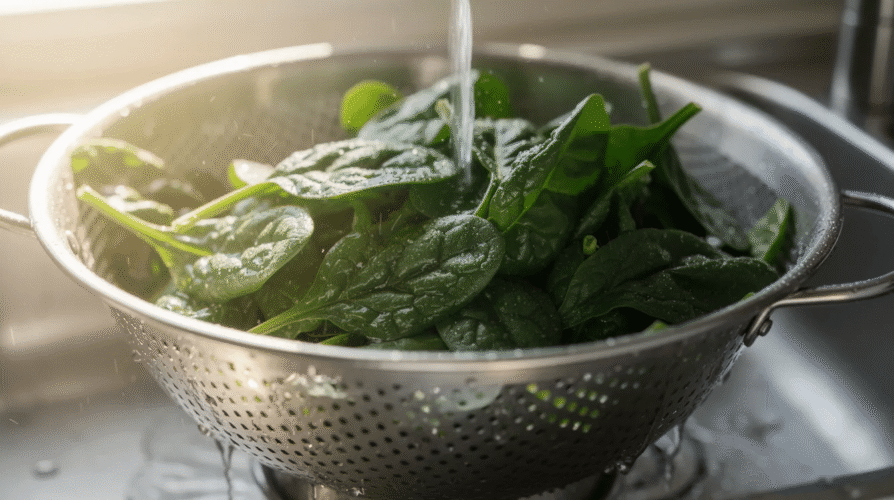
Wash spinach carefully in small amounts to remove grit. Fill a large basin with cold water, submerge the leaves, swish well, then lift the spinach out and drain water. Continue rinsing 2-3 times until no sediment remains at the bottom. Curly or savoyed spinach traps more soil in its crinkles and may need 4-5 rinses. Use a salad spinner or clean towels to remove excess water before blanching, or set some greens aside if you also plan on dehydrating spinach for shelf-stable storage.
Prepping Spinach for the Jars
How you prepare spinach before it goes into jars affects texture, flavor, and packing efficiency. A few minutes of prep work pays off during processing.
Rough chop leaves into 1-2 inch pieces for more even packing and easier serving—pieces small enough to fit easily on a fork work well. Some canners prefer leaving whole baby leaves for nicer appearance, which works fine for tender young spinach. Sort baby spinach separately from large, tougher leaves if you want more control over blanching time, or simply mix them together for a uniform batch. Remove and discard all non-leafy stems, roots, and damaged parts before proceeding.
Blanching Spinach Before Canning
Blanching wilts spinach for denser packing, stops enzyme activity that causes color loss, and helps maintain better flavor in the jars. This step is essential for quality results.
For steam blanching, place 1-pound batches in a cheesecloth bag or blancher basket over boiling water for 3-5 minutes until fully wilted. Alternatively, use hot water blanching: bring a large pot to a rolling boil, add spinach in manageable batches, and stir constantly until leaves are completely wilted—about 1-3 minutes for baby spinach, 3 minutes for mature leaves.
Immediately plunge the wilted spinach into ice water to stop cooking, then drain very well. Press gently against a colander or use clean hands to remove excess liquid without squeezing the greens into a paste. Properly blanched spinach should be fully limp and bright green, not dull or mushy.
Packing Jars and Processing in a Pressure Canner
Preheat clean jars and keep them in hot water until ready to fill. Prepare lids according to manufacturer instructions—modern lids typically need only a hot water simmer, not boiling.
This is a hot pack method: blanched, hot spinach goes into hot jars for best quality. If freezer space is tight, you might also consider dehydrating frozen vegetables for long-lasting flavor alongside your canned goods. Fill jars loosely with wilted spinach using a canning funnel, tapping gently to settle greens without crushing. Leave 1 inch of headspace in each pint jar or quart jar.
Add fresh boiling water to cover the spinach, maintaining that 1-inch headspace. Add ½ teaspoon salt per pint or 1 teaspoon per quart if desired—this is for taste only, not safety. Remove air bubbles with a plastic utensil, then wipe rims with a clean damp cloth. Place lids on jars and adjust lids to fingertip tight.
Process pints for 70 minutes and quarts for 90 minutes. Use 10 pounds pressure with a weighted gauge or 11 pounds with a dial gauge at altitudes up to 1,000 feet. Increase pressure for higher elevations according to USDA charts.
Load jars into a preheated pressure canner with 3-4 inches of water. Vent steam for 10 minutes before closing the vent, then bring to pressure and maintain steady heat throughout processing. Allow a full natural cool-down—30 to 90 minutes depending on your canner—before removing the lid. Consult your canner manual for model-specific guidance.
Do Canned Spinach Recipes Actually Taste Good?
Canned spinach has a softer texture than fresh or frozen, and not everyone loves it straight from the jar. That’s the honest truth about home food preservation of leafy greens.
Where canned spinach shines is in cooked dishes. It works beautifully in creamy spinach, lasagna layers, quiches, egg bakes, dips, and soups. Sauté drained canned spinach with garlic and olive oil for a 5-minute side dish, stir it into one-pot pasta, or mix with ricotta and herbs for stuffed shells. Many home canners prefer canned spinach over kale or chard because its milder flavor blends easily into recipes, and pairing jars with pantry staples like dehydrated green onions for cooking makes flavoring fast.
Only certain ingredients can safely join spinach using standard processing times. Never add meats, bacon, or dairy to jars before processing with this basic vegetable recipe—those require separately tested protocols.
Acidic ingredients like lemon juice or vinegar work better added when you open the jar rather than during canning, preserving both texture and flavor. For strongly seasoned dishes like garlicky sautéed spinach or Indian-inspired palak recipes, can plain spinach and season at serving time for best results.
Frequently Asked Questions About Canning Spinach
Are pints or quarts better for canned spinach? Pints work better for most households because they provide 1-2 servings and get used quickly after opening. A pint jar should be consumed within 5-7 days once refrigerated. Quarts suit large families or batch cooking for soups.
Why is my canned spinach so soft? Over-blanching beyond 5 minutes, using over-mature leaves, or processing longer than recommended all contribute to mushy texture. Harvest tender young greens and follow blanching times carefully for better results.
Can I can spinach with bacon or ham? No. Mixed low-acid foods require separately tested recipes with different processing times. Use plain canned spinach and add bacon when you open the jar for cooking, and consider dehydrating canned corn for versatile use as another way to stock your pantry with quick ingredients.
How long does canned spinach last? Properly processed jars stored in a cool, dark place maintain peak quality for 12-18 months. Spinach may remain safe longer if the seal is intact and the contents look and smell normal, but flavor and nutrients decline over time. Never use jars with broken seals, bulging lids, or off odors.
Should I freeze or can spinach? Freezing usually preserves firmer texture and fresher flavor, but canning excels when you have limited freezer space or live in areas prone to power outages. Both methods work—choose based on your storage situation.
Easy Ways to Use Home-Canned Spinach All Year
The real value of canned spinach is how quickly it transforms everyday ingredients into hearty, vegetable-rich meals. Pour off the liquid from a pint, and you’re ready to cook in seconds.
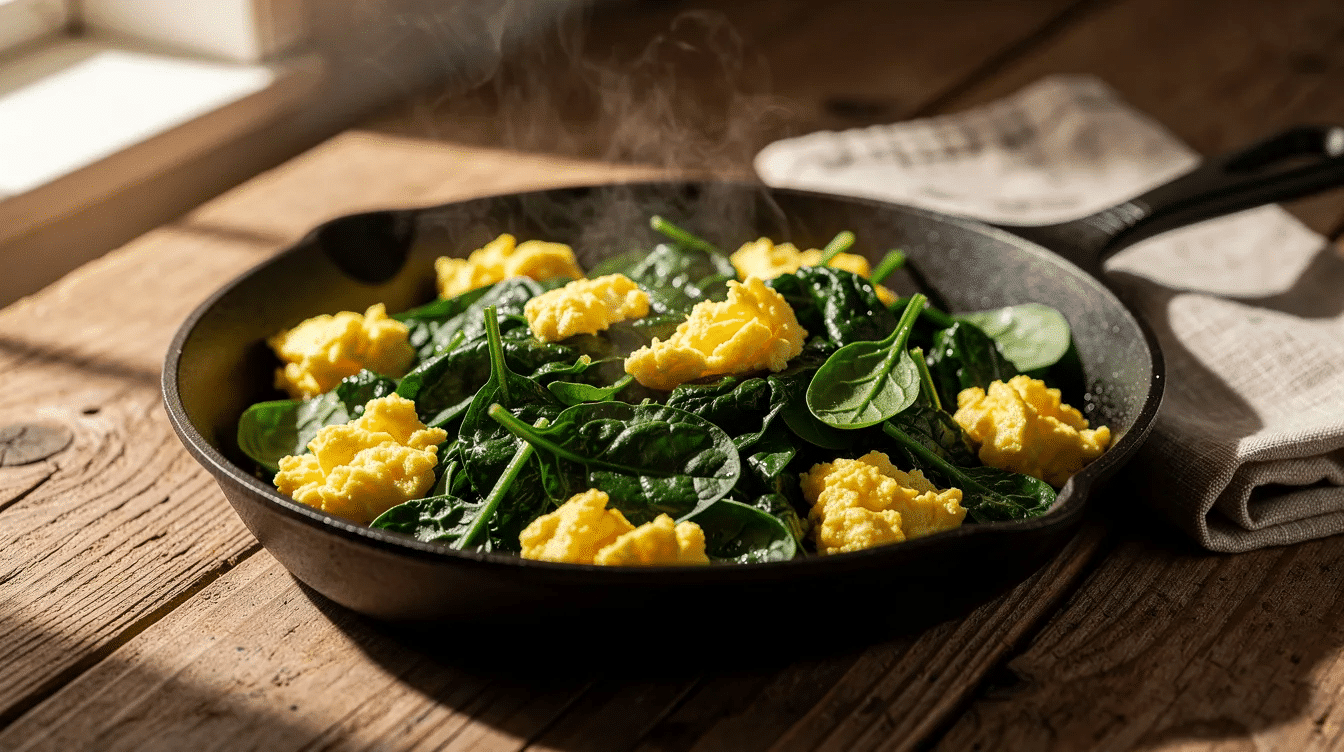
Toss drained spinach into scrambled eggs for a protein-packed breakfast. Add it to instant ramen or rice bowls with soy sauce and garlic. Stir a jar into marinara for quick vegetable lasagna, or blend with broth and potatoes for creamy spinach soup. One pint of canned spinach replaces a standard 10-ounce frozen box in most cooked recipes—just reduce added liquid slightly since canned spinach is already soft.
For busy weeknights, canned spinach delivers 20-minute skillet dinners without the washing, chopping, or wilting that fresh greens require. Try a small canner load of 9 pints this season to see how home-canned spinach fits your regular cooking routine. Your pantry—and your future self—will appreciate the convenience.
DannyContent Writer
Hey there, since 2016, my mission has been to provide you with the information and guides you need to make food dehydrating simple and fun. Whether you're a newbie or a seasoned pro, my site offers helpful guides, reviews, and recipes to enhance your dehydrating experience. I take pride in only recommending products I believe in, ensuring my readers' trust. As an affiliate of various programs, including Amazon Associates, your support helps me continue providing quality content. Thanks for stopping by, and happy dehydrating!