We earn a commission if you make a purchase, at no additional cost to you.
09/22/2026 04:39 pm GMT
🍊 Dehydrated Food Info Finder — Temperatures & Drying Times
Choose a category, then pick a food to see its drying temperature and time.
⚠️ Safety Disclaimer: Drying times are estimates and vary based on slice thickness, food moisture content, humidity, and your dehydrator model. Always check for doneness before storing — food should feel dry, leathery, or brittle with no moist spots. Improperly dried food can harbour mould and bacteria. For meat and poultry, follow USDA safe internal temperature guidelines: beef and pork to 160°F (71°C), poultry to 165°F (74°C). Use a food thermometer when in doubt. Store all dehydrated foods in airtight containers in a cool, dark place and discard anything showing moisture, mould, or off odours.
Candied fruits have been a delicious way to preserve seasonal harvests for centuries. Whether you’re preparing for holiday baking or simply want a sweet treat to eat, understanding how to make these preserved gems opens up a world of culinary possibilities.
Candied fruits are fresh fruits, fruit pieces, or peels that have been slowly soaked in heated sugar syrup until the moisture inside the fruit is replaced with sugar. This process creates a glossy, sweet product with a soft interior and a slightly sticky exterior that can last for months when stored properly.
The key distinction lies between traditional candied fruit and modern hard-shell styles. Traditional European candying produces a soft, syrupy texture where the fruit becomes translucent and chewy over several days of progressive syrup absorption. In contrast, the Chinese tanghulu style creates a crisp, glass-like coating that shatters when bitten, leaving the fresh fruit interior mostly unchanged.
The history of fruit candying stretches back to 14th century Europe, where it served as a preservation method for extending the usability of seasonal fruits through winter. Meanwhile, in China, tanghulu emerged during the Song dynasty around the 12th century, becoming a beloved street snack that has recently experienced a viral burst of popularity on social media.
Quick overview:
Traditional soft candied fruits: preserved in syrup, chewy, long shelf life
Classic applications: Christmas fruitcakes, panettone, stollen, and Lunar New Year treats
Key Ingredients for Candying Fruit
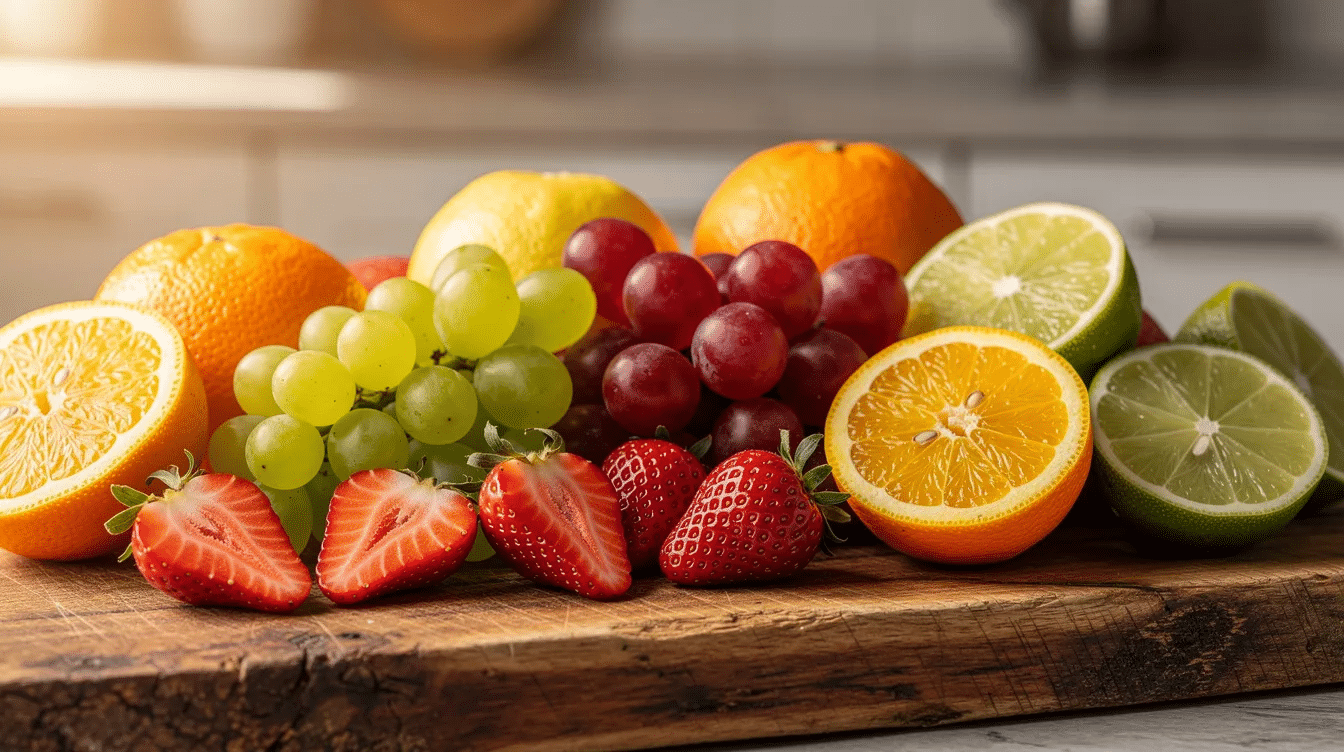
The foundation of any candied fruit recipe starts with three essential components: granulated sugar, water, and firm, fresh fruits. Your fruit selection matters enormously—choose pineapple, citrus peel, candied cherries, strawberries, grapes, or kiwi with good structure that can withstand the candying process.
Invert sugars play a crucial role in preventing crystallization. Adding light corn syrup, golden syrup, or glucose at roughly 10-20% of your sugar weight keeps the texture tender and glossy rather than grainy. This prevents the sugar concentration from forming unwanted crystals as the syrup cools.
Must-have ingredients:
Granulated sugar (white for clarity)
Fresh water
Firm, unblemished fruit
Optional flavor additions:
Vanilla bean or whole spices (cinnamon stick, star anise, cloves)
Citrus zest for brightness
A pinch of lemon juice or cream of tartar to help invert the sugar
Liqueurs like Grand Marnier for adult versions
Use acidity sparingly—too much lemon juice or cream of tartar can create a grainy texture rather than the smooth, glossy finish you’re after.
Best Fruits to Candy
Structure, skin thickness, and water content determine how well a fruit candies. Dense, fibrous fruits with moderate water content excel in traditional syrup methods, while firm-skinned options hold their shape throughout the process.
Soft berries like raspberries and blackberries (85-90% water content causes them to collapse)
Melons (excessive moisture dilutes the syrup)
Bananas (enzymatic browning and soft texture)
Overripe stone fruit (disintegrates under heat)
How to Make Traditional Syrup-Candied Fruit (Soft Style)
Traditional candying relies on a slow osmosis process that gradually increases sugar concentration over 3-7 days. This method produces superior colour, texture, and a shelf life extending up to 12 months when done correctly, quite different from dehydrating a broad range of fruits into shelf-stable snacks.
The process works through daily cycles of heating and resting. Start by blanching your fruit in simmering fresh water to soften the outer layer and open the cells. Then immerse the fruit in a light syrup and let it rest overnight. Each day, strengthen the syrup by adding more sugar or reheating to a higher concentration, allowing the sugar molecules to slowly replace the fruit’s natural moisture.
Step-by-step process:
Wash, peel, and simply cut fruit into uniform pieces
Blanch in boiling water for 3-15 minutes depending on density
Prepare initial syrup (roughly 30-35% sugar)
Add drained fruit, simmer gently for 5-10 minutes
Rest overnight covered at room temperature
Add more sugar daily, reheating to 180-200°F
Repeat until fruit appears glassy and translucent (Brix 70-75%)
Drain and dry if desired
Example: Candying Pineapple Rings
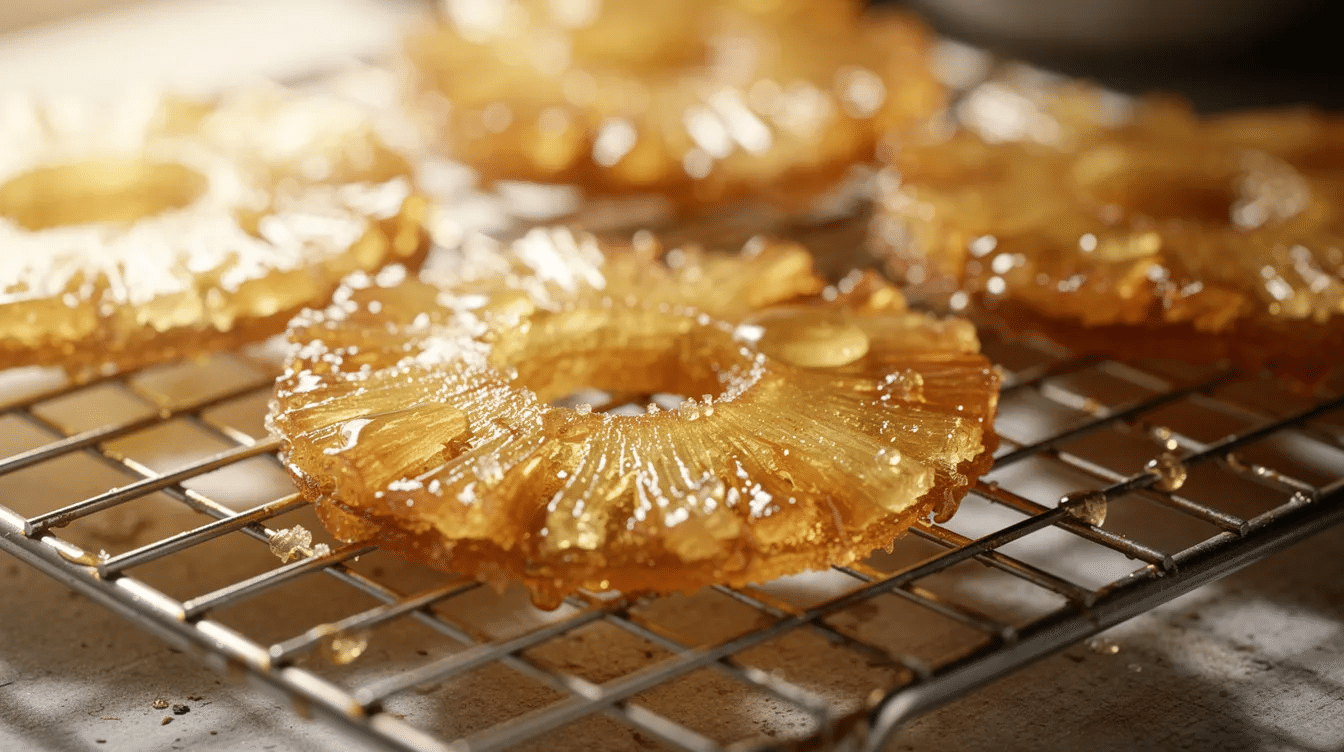
Select a ripe but firm pineapple. Core and slice into 1.25 cm (½ inch) rings, trimming the tough rind completely. Blanch the slices in plain water for about 15 minutes to soften fibers and help the syrup penetrate evenly.
Day-by-day schedule:
Day 1: Light syrup (300g sugar to 500ml water, roughly 30% concentration). Simmer rings 10 minutes at medium heat, then rest 24 hours.
Day 2: Add 200g sugar to reach approximately 50% concentration. Gentle simmer for 8 minutes.
Day 3: Add 150g sugar for 65% concentration. Cook until edges turn slightly amber.
Day 4: Incorporate 50g corn syrup, heat to 230°F until fully translucent.
Visual signs of completion: the fruit develops a glassy sheen, takes on a light amber tint, and the syrup coats the back of a spoon. The finished pineapple will have gained roughly 70% of its original weight from absorbed sugar.
Shorter, “Quick” Candying Method
For home bakers short on time, a 1-2 day approach works well for smaller pieces. Use a more concentrated syrup starting at 60-65% sugar (equal parts sugar and water by weight).
Simmer fruit pieces for 30-60 minutes until nearly translucent, then rest overnight in the liquid. Drain and dry on racks at room temperature for 12-24 hours, or use a low oven (140°F) for 4-6 hours until tack-free.
This method produces slightly chewier dried fruit with a firmer buttery texture. Shelf life is shorter—expect 1-3 months rather than a full year. It works best for candied peel strips, diced mixed peel, or small chunks packed into fruitcakes rather than whole fruits meant for display, whereas sun-drying fruits like apples, apricots, and bananas relies solely on warmth and airflow instead of syrup.
How to Make Hard-Shell Candied Fruit (Tanghulu Style)
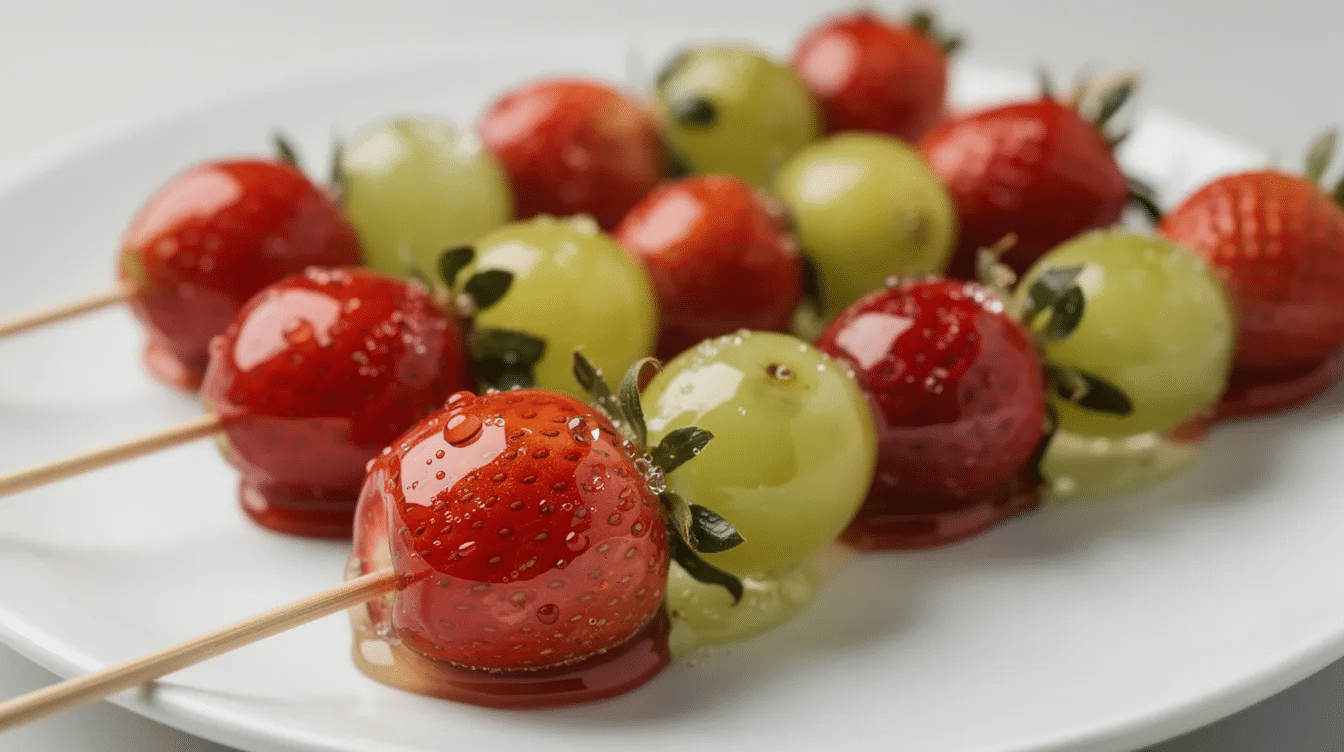
Tanghulu originated as a Northern Chinese street snack and has recently gone viral across social media platforms. Unlike traditional candying where sugar replaces moisture inside the fruit, tanghulu creates a thin, brittle candy shell that snaps with each bite while keeping the fruity interior fresh and juicy.
The basic syrup formula combines sugar and water at a 2:1 ratio, heated without stirring to hard-crack stage (300°F / 150°C). Some recipes add ¼ cup light corn syrup for stability, though this is optional if you monitor temperature closely with a candy thermometer.
Preparing the Fruit for Hard Candy Coating
Preparation is critical for tanghulu success. Wash your fruit thoroughly, then pat dry with paper towels for 10-15 minutes. Any residual moisture will prevent the candy shell from adhering properly.
Prep checklist:
Hull strawberries and select only firm, unblemished pieces
Pat all fruit completely dry (this is non-negotiable)
Thread 3-5 pieces per bamboo skewer depending on size
Stage skewers on a parchment-lined tray next to your stove
Only prepare as many skewers as you can dip in one quick batch
Cooking the Syrup to Hard-Crack Stage
Combine 2 cups sugar and 1 cup cold water in a small, heavy-bottomed saucepan. Cook over medium heat without stirring—agitation causes crystallization. Use a wet pastry brush to wash down any sugar crystals on the pan sides.
Temperature milestones:
Begin testing around 275°F (135°C)
Target 300°F (150°C) for hard-crack stage
Approximate time: 8-12 minutes on medium heat
To test without a candy thermometer, pour a small amount of syrup into ice water. At hard-crack stage, it forms brittle threads that break cleanly. Trust your temperature reading or test results rather than the clock.
Safety warning: Sugar at 300°F causes severe burns immediately on contact. Keep children and pets away from the stove and have a bowl of cool water nearby for emergencies.
Dipping and Setting the Hard Candy Shell
Once hard-crack stage is reached, reduce heat slightly to maintain temperature without scorching. Tilt the pan to pool the syrup on one side, then dip each skewer and rotate for an even, thin coat. Allow excess to drip back into the pot.
Place coated skewers onto a silicone mat, oiled parchment, or lightly greased tray. The shell hardens within 5-20 seconds to a glassy, attractive finish. Work quickly—you have roughly 30 seconds before the syrup begins to thicken.
Serve tanghulu immediately for maximum crunch. High humidity will soften the shell within 1-2 hours, so these are free to enjoy right away but don’t store well.
Finishing, Drying, and Storing Candied Fruits
Soft candied fruits can be finished two ways: stored in their syrup or dried for a chewy, gummy texture.
Dry at room temperature 24-72 hours, or use a dehydrator at 135°F for 4-8 hours
Fruit is ready when tack-free to touch
For a sugary sparkle, roll nearly-dried pieces in granulated sugar or a mixture of sugar with citric acid. This adds brightness and helps prevent sticking.
Hard-shell tanghulu does not store well. Moisture migration softens the candy coating within hours, especially above 50% humidity. Consider tanghulu a same-day treat—make it, serve it immediately, and enjoy the combination of crisp shell and fresh fruit.
Serving Ideas and Recipe Uses
Candied fruits shine beyond simple snacking. Here’s where to use your homemade creations:
Classic holiday baking:
Traditional fruitcake loaves (20% candied fruit by weight)
Panettone and stollen
Biscotti and Christmas cookies
Mixed peel in hot cross buns
Modern desserts:
Ice cream topper for texture contrast
Cheesecake garnish
Folded into fudge or brownies
Quick bread add-ins
Breakfast applications:
Stirred into yogurt or oatmeal
Mixed with granola
Dip in dark chocolate for gift boxes
Drink ideas:
Leftover honey-infused syrup sweetens cocktails and mocktails
Candied orange slices as drink garnishes
Syrup added to tea for fruity sweetness
Don’t discard your leftover syrup—it’s packed with flavour and works beautifully in beverages or drizzled over pancakes as a glaze. Pair your candied creations with dehydrated apple slices made from the best apple varieties for drying for a contrasting chewy-crisp snack board.
Safety Tips and Troubleshooting
Working with hot sugar demands respect. Always use long-handled tools, keep a bowl of ice water nearby, and never let children near the stove during candy making.
Start with a simple batch of candied citrus peel this weekend, or try your hand at trendy tanghulu for an impressive snack. Either way, these techniques will help you create professional-quality candied fruits right in your own kitchen.
DannyContent Writer
Hey there, since 2016, my mission has been to provide you with the information and guides you need to make food dehydrating simple and fun. Whether you're a newbie or a seasoned pro, my site offers helpful guides, reviews, and recipes to enhance your dehydrating experience. I take pride in only recommending products I believe in, ensuring my readers' trust. As an affiliate of various programs, including Amazon Associates, your support helps me continue providing quality content. Thanks for stopping by, and happy dehydrating!