We earn a commission if you make a purchase, at no additional cost to you.
09/22/2026 04:39 pm GMT
🍊 Dehydrated Food Info Finder — Temperatures & Drying Times
Choose a category, then pick a food to see its drying temperature and time.
⚠️ Safety Disclaimer: Drying times are estimates and vary based on slice thickness, food moisture content, humidity, and your dehydrator model. Always check for doneness before storing — food should feel dry, leathery, or brittle with no moist spots. Improperly dried food can harbour mould and bacteria. For meat and poultry, follow USDA safe internal temperature guidelines: beef and pork to 160°F (71°C), poultry to 165°F (74°C). Use a food thermometer when in doubt. Store all dehydrated foods in airtight containers in a cool, dark place and discard anything showing moisture, mould, or off odours.
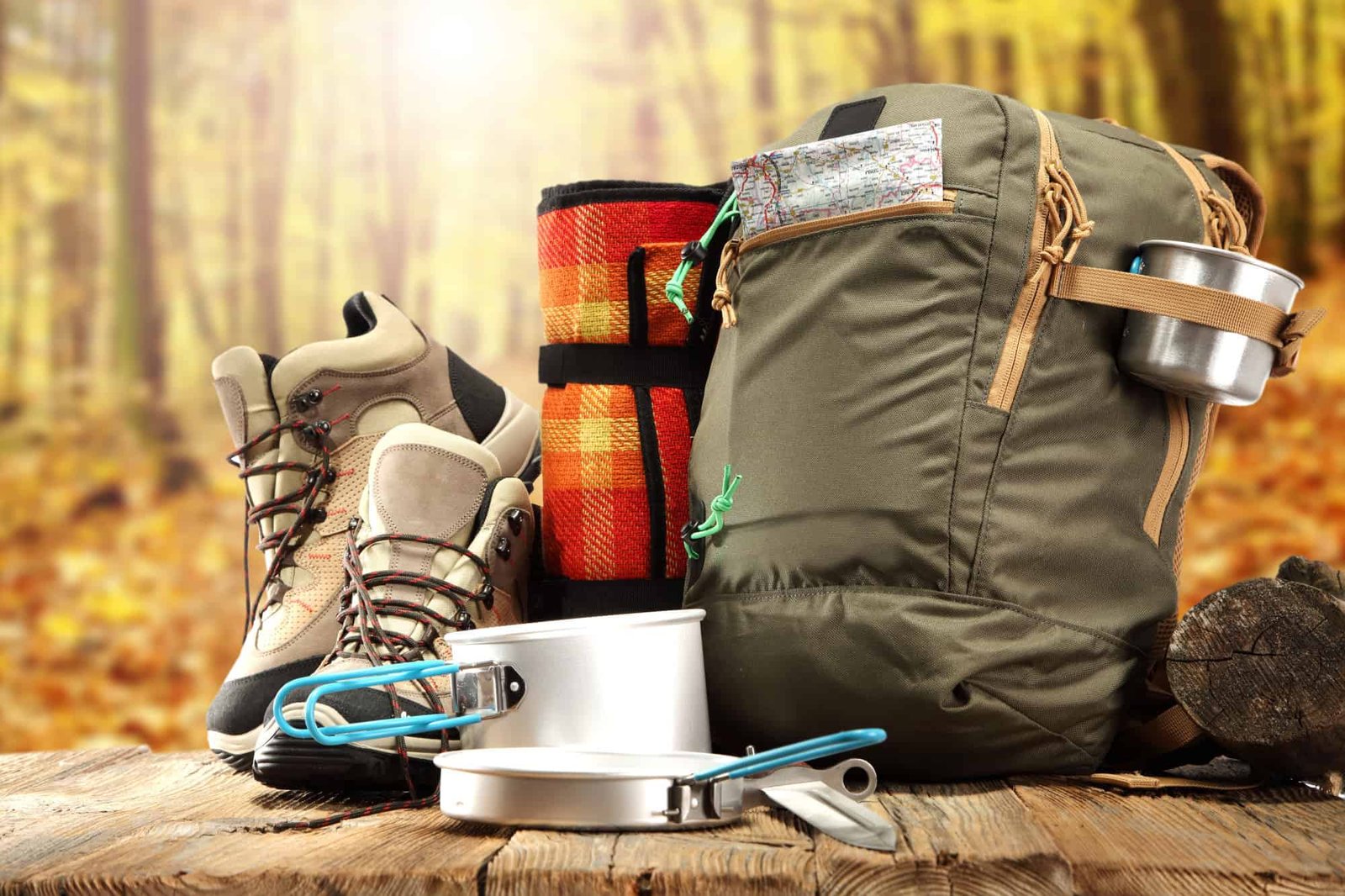
Dehydrated Foodz camping gear setup with backpack, boots, and cooking essentials.
The best dehydrated foods for camping are lightweight, calorie-dense, and quick to prepare. When you’ve just made it to camp after a long and grueling hike, the first thing on your mind is undoubtedly rest, then food. Thanks to the advent of dehydrated or freeze-dried foods, your meal can be ready in under 5-minutes flat. This guide is for campers, backpackers, and outdoor enthusiasts looking for the best dehydrated food options, including commercial brands, homemade meals, storage tips, and preparation advice. We’ll cover both commercial and homemade options, storage, preparation, and buying tips to help you make the best choices for your next adventure.
With the high-tech dehydrating equipment we have today, you can dehydrate just about any type of food or meal. Commercially available dehydrated meals are popular for their convenience and only require water to prepare. No longer do hikers and campers have to survive on canned beef and dry bread for days on end.
Looking for inspiration on the best dehydrated food for camping? Dehydrated and freeze-dried meals have evolved to offer high-calorie, nutrient-dense options that taste better than traditional trail food. This blog highlights a few good options to consider, as well as the food you can dehydrate yourself, to help you find the best meals for your camping adventures.
Introduction to Dehydrated Meals
Dehydration is the process of removing water from food to inhibit the growth of bacteria, yeasts, and molds. Dehydrated meals have become a staple for backpackers and outdoor enthusiasts due to their convenience, lightweight nature, and long shelf life. These meals are created by removing the water content from food, either through freeze-drying or dehydrating, which helps preserve the nutrients and flavor. For those embarking on backpacking trips, dehydrated meals are an excellent option as they are easy to prepare, require minimal equipment, and can be stored for extended periods without spoiling. Whether you’re planning a weekend hike or a multi-day adventure, having a variety of dehydrated meals in your pack ensures you stay nourished and energized throughout your journey.
Transition: Next, let’s explore the different types of dehydrated meals available and how they compare.
Types of Dehydrated Meals
When it comes to dehydrated meals, there are two primary types to consider: freeze-dried and dehydrated. Each type has its own unique process and benefits, making them suitable for different needs and preferences.
Freeze-dried meals are made by freezing the food and then removing the water content through a vacuum process. This method helps to preserve the nutrients and flavor of the food, resulting in a lightweight and compact meal. Freeze-dried meals are generally lighter and offer fast rehydration compared to dehydrated meals, which often have a more robust texture and flavor. Freeze-dried meals are often more expensive than their dehydrated counterparts, but they offer a longer shelf life and better retention of nutrients. Brands like Mountain House and Backpacker’s Pantry are well-known for their high-quality freeze-dried meals, making them a popular choice among backpackers and campers. Whether you’re looking for a hearty stew or a sweet dessert, freeze-dried meals provide a convenient and tasty option for your outdoor adventures.
Now that you know the main types of dehydrated meals, let’s look at the essentials for planning your camping food.
Camping Food Essentials
When it comes to camping food essentials, the goal is to pack backpacking meals that are lightweight, nutritious, and easy to prepare after a long day on the trail.
Popular Dehydrated Meal Options
Dehydrated meals like chicken coconut curry and beef stroganoff are favorites among backpackers for their rich flavors and satisfying portions. These meals make a reliable backpacking dinner after a long day and can be prepared quickly with just boiling water, making them perfect for backpacking trips where convenience is key.
Customizing Your Meals
It’s important to consider your calorie needs and personal preference when selecting camping food. Many brands now offer gluten free and vegan options, so everyone can find something that suits their dietary requirements. You can also customize your meals by adding extras like tortilla chips for crunch or a dash of hot sauce for extra flavor. Whether you’re looking for a hearty dinner or a quick lunch, having a variety of dehydrated meals in your pack ensures you’ll have a delicious and filling meal ready whenever hunger strikes.
Canned meats, such as shelf-stable chicken and pouched tuna, are also practical and valuable protein sources for camping. These options are easy to pack, require no refrigeration, and can be added to meals for extra protein.
Transition: With the basics covered, let’s dive into the top brands and specific meal recommendations for your next trip.
Dehydrated Food for Camping: The Top Brands to Try
Back in the day, campers and hikers were limited between a choice of good food or quick and easy food. After a long day on your feet, easy food is often the first choice, but today, you don’t have to forgo taste or nutrition, for that matter.
With so many options on the market today, you can choose from rich stews, cheesy pasta dishes, and even puddings. Here are some of the best freeze-dried food brands worth trying:
1. Good To-Go
This brand is well-known for its incredibly tasty meals. The only downside is that they don’t offer a huge selection of dishes to choose from. However, their dehydrated backpacking meals are convenient and lightweight, requiring minimal preparation—typically just adding water and letting them steep.
This being said, Good To-Go is founded by an experienced hiker and backpacker, who was also an Iron Chef contestant. Some of their most popular meals include chili, Thai curry, and penne marinara.
Good To-Go prides itself on simple and nutritious meals — if this is your thing, then this is a good brand to try.
2. Mountain House
While Mountain House may be a little pricier than other brands, they offer a great selection of meals and have thought about vegans and those with gluten sensitivities, too.
This brand is owned and operated by Oregon Freeze Dry and has a history of successful operation for more than five decades. As such, their reputation precedes them when it comes to nutritious, tasty, and popular freeze dried backpacking meals, which are practical for campers and hikers.
3. MaryJane’s Farm
If you’re looking for a more organically-friendly option, then MaryJane’s Farm is your go-to. This brand stands out from the rest due to its naturally-derived, delicious meals that are packed with nutrients – synthetics not included!
These dishes are the closest that you’ll get to homecooked within the dehydrated and freeze-dried food industry. All ingredients are organically grown, too, rather than being laboratory-produced.
You can also choose from single-serving or bulk options to stock up before a long trek.
4. Alpine Aire
This brand is on the more high-end side of dehydrated/freeze-dried foods. You’ll be able to tell just by their packaging.
While some people think their meals can be a little bland, they are all about natural, wholesome ingredients and being transparent about what’s in each dish.
If calories and satiety are important to you (and they should be when camping/hiking), you can determine the nutritional value of each dish from their website.
This way, you know exactly what you’ll be consuming and know exactly what to pack based on your energy needs.
5. Backpacker’s Pantry
One of the best things about purchasing Backpacker’s Pantry products is that part of the proceeds go to Defenders of Wildlife and Polar Bear Adoption.
While some hikers highlight the heavy sodium content of their meals, Backpacker’s Pantry is ideal for long-haul hiking. These meals are specifically designed to be lightweight so they don’t weigh down your pack. They also typically run about $9.99 to $12.99 per meal.
The portability of their meals is important to them, so you can expect a maximum amount of calories and flavor in small packages. Some hikers who want higher-calorie real-food-style meals also compare Pinnacle Foods, which typically falls in the 690–850 calorie range.
An added bonus is that you only need boiling water to rehydrate each meal and the pouches double as an easy-to-use bowl.
Transition: Now that you know the top brands, let’s look at specific meal recommendations that are highly rated by campers and backpackers.
Top Recommended Dehydrated Meals and Brands
Peak Refuel meals are noted for their flavor, and they’re a favorite among hikers who want enough calories and high protein on the trail.
Mountain House Beef Stew is a gluten-free meal praised for its rich and savory flavor, featuring tender beef and vegetables.
Good To-Go Thai Yellow Curry is recognized for its gourmet flavor and natural ingredients, despite having lower protein content per serving.
Peak Refuel Beef Stroganoff is a favorite among backpackers for its creamy texture and flavor, providing a satisfying and hearty meal after a long day.
Backpacker’s Pantry meals are often praised for their flavor and variety, offering enough variety to break up other meals on longer trips. Their Mushroom Stroganoff is highly rated for its strong mushroom flavor.
AlpineAire Foods is recognized for adding a variety of vegetables to their meals, enhancing both flavor and nutrition.
Transition: With these top meal recommendations in mind, let’s discuss the key considerations for choosing the best backpacking meals for your needs.
Key Considerations for Backpacking Meals
Selecting the right dehydrated meals for your backpacking trip involves several key considerations to ensure you stay fueled and satisfied on the trail:
Calorie Density: Backpackers require a high caloric intake to maintain energy levels during physically demanding activities. Look for meals with a high calorie-to-weight ratio to maximize your energy without adding extra bulk to your pack. For dinner meals, especially on long hikes, aim for 600–900+ calories per pouch to ensure adequate energy.
Protein Content: Protein is essential for muscle repair and recovery, especially after a long day of hiking. Choose meals with a balanced protein content to support your body’s needs. Aim for at least 20-30g of protein per meal for muscle recovery. The American College of Sports Medicine recommends consuming 0.5 to 0.8 grams of protein per pound of body weight each day for active individuals.
Ease of Preparation: Dehydrated meals should be easy to prepare, requiring only boiling water. This simplicity allows you to enjoy a hot meal quickly without the need for extensive cooking equipment. Also, pay attention to serving size and portion size, as these impact meal satisfaction, caloric intake, and convenience on the trail.
Shelf Life: Consider the shelf life of the meal, particularly if you plan to store them for extended periods. Meals with a longer shelf life ensure you have reliable food options for future trips.
Sustainability: Opt for meals with eco-friendly packaging and sustainable ingredients to minimize your environmental impact. Brands that prioritize sustainability help protect the natural landscapes you love to explore. When planning meals for hiking, it’s also important to consider dietary restrictions such as gluten-free or vegetarian options.
By keeping these factors in mind, you can select dehydrated meals that meet your nutritional needs and enhance your backpacking experience. For active days, the ideal calorie count is 2,600 to 3,000 calories for men and 2,000 to 2,400 calories for women.
Transition: Once you’ve considered these factors, it’s time to plan your meals for your backpacking trip.
Meal Planning for Backpacking Trips
Effective meal planning for backpacking trips starts with considering how many days you’ll be on the trail, your daily calorie needs, and the intensity of your activities. Most backpackers aim for 2,500 to 4,500 calories per person per day, depending on the terrain and weather. Dehydrated backpacking meals are a smart choice because they’re lightweight, easy to pack, help with saving weight, and can be rehydrated with boiling water in minutes.
Popular Dehydrated Meal Options
Popular options for backpacking meals include chicken pesto pasta, Peak Refuel’s butternut dal bhat, and Backpacker’s Pantry pad thai. These meals offer a good balance of protein, carbs, and flavor for longer days outside, and many have a long shelf life—perfect for extended trips or resupplying on the go.
Customizing Your Meals
When planning your food, take into account any dietary restrictions and personal preferences to ensure every meal is enjoyable. Trying a new meal or two can also help prevent menu fatigue on longer trips. By packing a variety of dehydrated backpacking meals, you’ll stay energized and satisfied throughout your adventure.
Transition: Now that you know how to plan your meals, let’s look at where you can buy dehydrated food for camping.
Where to Buy Dehydrated Food for Camping
Outdoor Retailers
Outdoor retailers are a reliable source for purchasing dehydrated food for camping. Stores like REI, Cabela’s, and Bass Pro Shops specialize in outdoor gear and supplies, including a range of dehydrated meal options. These retailers often carry reputable brands known for quality and taste, such as Mountain House, Backpacker’s Pantry, and AlpineAire.
Online Marketplaces for Freeze Dried Meals
Online marketplaces like Amazon offer a vast selection of dehydrated foods. Shopping online provides the convenience of home delivery and the ability to read reviews from other campers. Additionally, you can often find bulk purchase options and subscription services that can save money in the long run.
Specialty Food Stores
Specialty food stores and health food shops frequently carry dehydrated and freeze-dried foods. Stores like Whole Foods and Trader Joe’s have sections dedicated to camping and hiking foods, including organic and gluten-free options, as well as instant rice for quick and convenient meal options for backpackers.
Direct from Manufacturers
Many manufacturers sell their products directly to consumers through their websites. Brands like Harmony House and Augason Farms offer a wide range of dehydrated foods and often provide detailed information about their products, including nutritional content and preparation instructions.
Local Farmers’ Markets
In some regions, a local grocery store or farmers’ markets may offer dehydrated fruits and vegetables. These products are often locally sourced and organically grown, providing a fresh and sustainable option for your camping meals.
Military Surplus Stores
Military surplus stores sometimes carry MREs (Meals Ready-to-Eat) and other dehydrated food options. While these meals are designed for military use, they are also well-suited for camping due to their durability and ease of preparation.
Transition: If you prefer to make your own meals, the next section will guide you through dehydrating food at home.
Foods You Can Dehydrate Yourself
If you’d prefer to create your own meals so you know exactly what you’re putting in your body, then it’s best to dehydrate your own food. Making your own backpacking food gives you control over ingredients, allows for customization to dietary needs, and lets you tailor flavors to your preference.
Dried vegetables and lean meats can be dehydrated at home to create custom meals, giving you even more control over your own backpacking food.
Tips for Dehydrating at Home
Just bear in mind that most vegetables and meats must be pre-cooked before you can dehydrate them. Fruit, on the other hand, can simply be sliced and dehydrated right away. Thinner slices and smaller pieces of food dry faster than thick, large chunks.
Once you have dehydrated your food items, package each element into its own bag, then assemble them as full meals, as needed.
Alternatively, you can dehydrate entire meals, as is, and then prepare them with hot water. Simple meals to dehydrate include risotto, soups, and some pasta dishes. Homemade dehydrated meals can be made from a variety of dishes, including vegetarian options with lots of vegetables and grains.
In order to save yourself time, try to dehydrate each food item for each meal at the same time. This way, you know what goes together. This is only possible if each food item requires the same drying temperature, though.
You can also dehydrate sauces as well as grains, pasta, and legumes. Try dehydrating rice, pasta, beans, or quinoa in advance, and then combine them with your dehydrated meat and vegetables for a full, nutritious meal.
Transition: Once your meals are dehydrated and stored, it’s important to know how to rehydrate them properly for the best taste and texture.
Tips for Rehydrating Your Dried Food with Boiling Water
Once you’ve prepared your dehydrated food items, you’ll need to know how to prepare them so that they’re not only edible but tasty, too.
Follow these steps for optimal rehydration:
Place your dehydrated food items into the pot and let them soak for 5 minutes.
Bring the mixture to a boil.
Turn down the heat, and let it simmer for another 10-15 minutes until your food is tender and the water has been absorbed.
Rehydrating dehydrated meals typically involves adding boiling water and letting it sit for 5-15 minutes.
Keep in mind that dehydrated meals require equal parts of water to food. Rehydration time is an important factor—most meals require 10-20 minutes to fully rehydrate.
It’s a good idea to invest in an insulating pot sleeve that holds in the heat as your food reconstitutes.
Don’t forget to pack a small container of salt and black pepper so you can adjust the flavor after rehydration. Adding salt to dehydrated meals can significantly improve their taste, as many meals are low in sodium.
Dehydrated meals can also be made more filling by adding extra ingredients like vegetables or protein sources.
Transition: Proper storage is just as important as preparation—let’s look at how to keep your meals fresh and safe.
Dehydrated Food Storage
Proper dehydrated food storage is essential for keeping your backpacking meals fresh, safe, and easy to access on the trail. Store your dehydrated meals in airtight containers or sturdy ziplock bags to protect them from moisture and preserve their flavor. It’s best to keep your food in a dedicated food bag or a backpacking container designed specifically for meal storage, which helps keep everything organized and prevents cross-contamination with other gear.
To further extend the shelf life of your meals, store them away from direct sunlight and heat sources. Adding silica gel packets or desiccants to your storage containers can help absorb any excess moisture and keep your food in top condition. With the right storage methods, your dehydrated meals will be ready to eat whenever you need them, making meal prep on the trail a breeze.
Transition: Safe food handling is crucial when preparing and eating meals outdoors—here are some important guidelines.
Food Safety Guidelines
Following food safety guidelines is crucial when preparing and eating backpacking meals in the outdoors. Always wash your hands thoroughly before handling food, and keep all cooking utensils and surfaces clean to prevent contamination. When rehydrating dehydrated meals, use boiling water to ensure your food is safe to eat and any potential bacteria are eliminated.
If you have leftovers, store them properly in sealed containers or bags, and dispose of any uneaten food responsibly to avoid attracting wildlife. It’s also important to use a reliable water filter or purification tablets to ensure your drinking and cooking water is safe. By practicing good food safety habits, you’ll reduce the risk of foodborne illness and enjoy your meals with peace of mind on every backpacking trip.
Transition: Now, let’s review why dehydrated food is such a smart choice for camping and backpacking.
Why Choose Dehydrated Food for Camping?
Convenience and Portability
Dehydrated foods are lightweight and compact, making them an excellent choice for camping. The dehydration process removes the majority of the water content, resulting in a significant reduction in weight and size. This makes packing easier and more efficient, allowing you to carry more food without adding extra bulk.
Long Shelf Life
Dehydrated foods have a long shelf life, often lasting several months to years without refrigeration. This makes them ideal for extended camping trips or for those who prefer to stock up on supplies in advance.
Dehydrated foods come in a wide variety of options, from fruits and vegetables to full meals like soups, stews, and pasta dishes. Mountain House meals are particularly reliable and practical for emergency preparedness. This versatility ensures that you won’t get bored with your meal choices, no matter how long your trip lasts.
Transition: With so many options, you can get creative with your backpacking meal ideas.
Backpacking Meal Ideas
There’s no shortage of creative backpacking meal ideas to keep your taste buds happy on the trail. Classic dehydrated meals like chicken and rice are always a hit, but you can also try more adventurous recipes such as beef stroganoff, chicken coconut curry, chicken alfredo, or chicken pesto pasta. For a vegetarian twist, Backpacker’s Pantry pad thai or Peak Refuel’s butternut dal bhat are both delicious and satisfying.
Don’t be afraid to customize your meals—add tortilla chips for crunch, a splash of hot sauce for heat, or a little olive oil to boost flavor and calories. A sprinkle of cheese can add extra richness to meals that handle dairy well. Mixing in extra vegetables or spices can boost both nutrition and flavor. When choosing your backpacking meals, consider your calorie needs, dietary restrictions, and personal preference to ensure every meal is both tasty and nourishing. A flour tortilla can also make skillet-style or saucy meals easier to eat on the go. With a little planning and creativity, you’ll look forward to every bite on your next adventure.
Transition: Dehydrated meals are also a smart addition to your emergency preparedness kit.
Sustainability and Emergency Preparedness
Dehydrated meals are not only convenient for backpacking but also play a crucial role in emergency preparedness. In the event of a natural disaster or power outage, dehydrated meals can provide a reliable source of nutrition. When selecting dehydrated meals for emergency preparedness, consider the following:
Long Shelf Life: Choose meals with a long shelf life to ensure they remain edible during extended storage. This is particularly important for emergency situations where fresh food may not be readily available.
High Calorie Density: Emergency situations often require a high caloric intake to maintain energy levels. Opt for meals that offer a substantial amount of calories in a compact package.
Ease of Preparation: Dehydrated meals should be easy to prepare, even in the absence of modern cooking facilities. Meals that only require boiling water are ideal for emergency scenarios.
Sustainable Packaging: Opt for meals with eco-friendly packaging to minimize waste and environmental impact. Sustainable packaging ensures that your emergency preparedness efforts are also environmentally conscious.
By considering these factors, you can select dehydrated meals that meet your backpacking and emergency preparedness needs while minimizing your environmental footprint. Whether you’re on a backpacking trip or preparing for unforeseen emergencies, having a stock of dehydrated meals ensures you stay nourished and ready for any situation.
Transition: Ready to start making your own dehydrated meals? Here’s how to get started.
Invest in Your Own Food Dehydrator Today
If you’re looking to make your own dehydrated food for camping, or perhaps preserve some of your own food at home, it’s time to invest in the right equipment.
Hey there, since 2016, my mission has been to provide you with the information and guides you need to make food dehydrating simple and fun. Whether you're a newbie or a seasoned pro, my site offers helpful guides, reviews, and recipes to enhance your dehydrating experience. I take pride in only recommending products I believe in, ensuring my readers' trust. As an affiliate of various programs, including Amazon Associates, your support helps me continue providing quality content. Thanks for stopping by, and happy dehydrating!