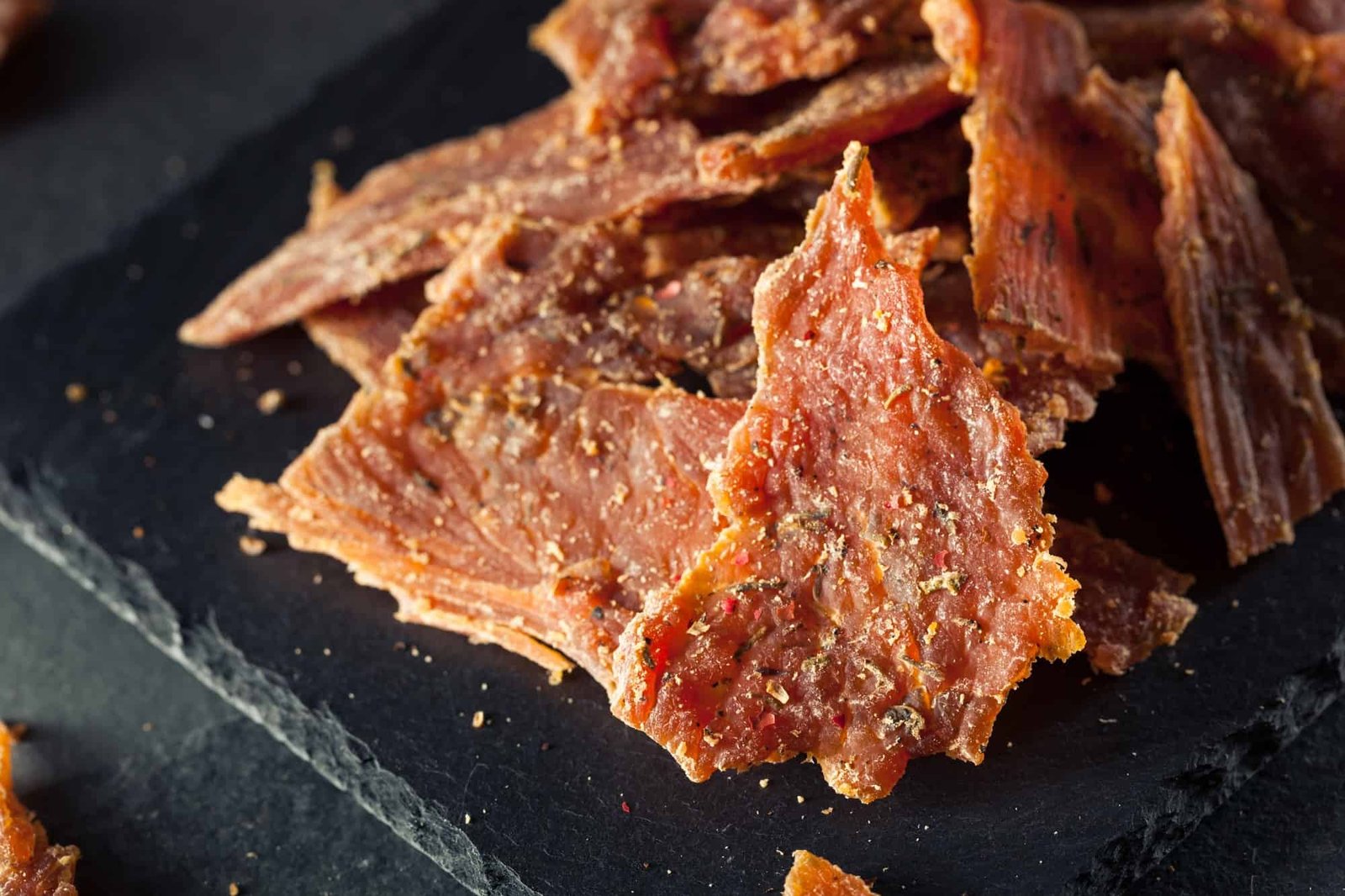
How to dehydrate meat is a skill that can save you money, preserve food, and open up new culinary possibilities. This guide is for home cooks, backpackers, and anyone interested in food preservation, and will walk you through equipment, safety, step-by-step dehydration, and storage tips.
Dehydration is the process of removing moisture from meat to preserve it and prevent bacterial growth. Dehydrating meat concentrates protein, vitamins, and minerals, while making it shelf-stable and versatile for storage or recipes. You can dehydrate meat using a food dehydrator, oven, or smoker, depending on what you have available.
Essential equipment for dehydrating meat includes:
Food dehydrator or oven
Sharp knives
Thermometer
You can dehydrate a variety of meats, such as:
Beef
Turkey
Venison
Pork
Poultry (with special attention to safety)
Fish (with special attention to safety)
Once you understand the basics, you’ll be ready to explore the benefits of dehydrating your own meat.
Recipe: Homemade Beef Jerky
Ingredients
Lean beef (eye of round, top round, or flank)
2 lbs
Soy sauce
½ cup
Worcestershire sauce
¼ cup
Brown sugar
2 tbsp
Liquid smoke
1 tsp
Garlic powder
1 tsp
Onion powder
1 tsp
Cayenne pepper (optional)
½ tsp
Salt
1 tsp
Equipment
Food dehydrator or oven
Sharp knife
Instant-read thermometer
Cutting board
Storage containers
Prep Time
1-2 hours (including marinating)
Cook Time
6-18 hours (dehydration time)
Total Time
7-20 hours
Instructions
1. Trim visible fat from the beef.
2. Partially freeze beef for 1-2 hours for easier slicing.
3. Slice beef into ¼-inch strips, against the grain for tenderness.
4. In a bowl, mix soy sauce, Worcestershire sauce, brown sugar, liquid smoke, garlic powder, onion powder, cayenne pepper, and salt.
5. Marinate beef strips in the mixture for 6-24 hours in the refrigerator.
6. Preheat dehydrator or oven to 145°F (63°C).
7. Arrange meat strips in a single layer on drying racks or trays.
8. Heat meat to an internal temperature of 160°F (71°C) before drying for safety.
9. Dehydrate meat for 6-18 hours, checking regularly and blotting off any oil.
10. Test jerky by bending; it should crack but not break.
11. Allow jerky to cool completely before storing.
Storage Tips
Store in airtight containers in a cool, dark place.
Refrigerate for up to 1 month or freeze for up to 6 months.
The Benefits of Dehydrating
Dehydrating meat extends its shelf life, allowing you to enjoy your favorite snacks for months without spoilage. It’s a great way to reduce food waste and make the most of bulk purchases or hunting hauls.
Dehydrated meat is lightweight and easy to pack, making it ideal for camping, backpacking, or road trips. When you make your own jerky, you control every ingredient, from the type of lean cut to the seasonings and flavors.
This means you can tailor your jerky to your taste and dietary needs, ensuring every bite is packed with flavor and nutrition. Now that you know the benefits, let’s look at how to choose the best cut of meat for dehydrating.
Choosing the Best Cut
Selecting the right cut of meat is key to making delicious beef jerky. For the best results, choose a lean cut with as little fat as possible, such as:
Eye of round
Top round
Flank steak
Fat can spoil and shorten the shelf life of your jerky, so be sure to trim away any visible fat before you start. If you prefer ground beef, opt for extra lean ground beef to keep your jerky tender and flavorful without excess grease.
For uniform results, use a food processor or sharp knife to slice your meat into even strips. Lay the strips out on a cookie sheet lined with parchment paper for easy handling.
Once you’ve selected and prepared your meat, it’s time to gather your ingredients and start the dehydration process.
Safety Considerations
Food safety is crucial when dehydrating meat. Always handle raw meat with care and follow these guidelines:
The USDA recommends heating meat to an internal temperature of 160°F before dehydrating it to ensure safety. Cooking beef to this temperature is essential for food safety before dehydrating.
Use an instant-read thermometer to check that your meat has reached the proper temperature.
Dehydrate the beef jerky at a temperature of at least 145°F to ensure safety.
To prevent case hardening, avoid drying at overly high temperatures initially.
Arrange meat strips in a single layer on drying racks to allow for good air circulation and even drying.
Avoid overcrowding the racks, as this can lead to uneven drying and increase the risk of foodborne illness.
Proper cooking of meat, especially beef, is necessary to eliminate harmful bacteria, as dehydration alone may not be sufficient for food safety.
By following these safety steps, you’ll ensure your homemade jerky is not only tasty but also safe to eat. With safety in mind, you’re ready to begin the step-by-step dehydration process.
Understanding Dried Meat
Dried meat, like beef jerky, is created by removing moisture from meat using controlled heat and air circulation. This process not only preserves the meat but also intensifies its flavor, making it a favorite snack for many. When making homemade beef jerky or other types of homemade jerky, selecting the right cut is crucial—round steak is a popular choice because it contains as little fat as possible, which helps prevent spoilage and ensures a better texture. By reducing the fat and moisture content, you create dried meat that is both flavorful and shelf-stable. Whether you’re working with beef or another type of meat, focusing on lean cuts and proper drying techniques will result in jerky that’s delicious, safe, and long-lasting.
Prep Time and Dehydrating Time
When planning to make beef jerky or any homemade jerky, it’s important to factor in both prep time and dehydrating time. Prep time includes slicing the meat into uniform strips, marinating it for enhanced flavor, and setting up your dehydrator or oven. Depending on your recipe and the thickness of your meat strips, prep time can range from 30 minutes to a couple of hours, especially if you partially freeze the meat for easier slicing. The actual dehydrating time varies based on the method you use: a dehydrator typically takes 3 to 6 hours, while the oven method can take up to 6 hours or more. Temperature settings and the thickness of your strips will also impact how long it takes for your jerky to reach the perfect texture. Monitoring the drying process ensures your jerky is neither under- nor over-dried, resulting in a chewy, flavorful snack every time.
Step-by-Step Dehydration Process
Here’s a clear, step-by-step summary of the dehydration process:
Equipment: Use a food dehydrator, oven, or smoker. Electric dehydrators and smokers are equipped with a built-in heating element, which ensures even and reliable heat distribution for drying meat. A dehydrator is generally more effective at drying meat than most conventional ovens. Smokers can also provide a traditional smoked flavor to jerky while dehydrating it.
Preparation: Trim fat from the meat and slice it into thin, even pieces. To ensure the quality of dehydrated meat, it is essential to slice uniformly and maintain low temperatures during the drying process.
Marinate (optional): Marinate the meat for added flavor and tenderness.
Preheat: Pre heat your oven, dehydrator, or smoker to the recommended temperature before starting. Preheating is important to ensure even and effective dehydration of the meat.
Arrange Meat: Place strips of meat on the racks or trays, making sure to leave enough space between each piece for proper air flow and even drying.
Drying: Dry the meat at a low temperature until it reaches the desired texture and dryness.
Step 1: Gather Ingredients and Equipment
Select your preferred type of meat (beef, turkey, venison, pork, poultry, or fish).
Choose a lean cut and trim away all visible fat.
Gather seasonings, marinades, or dry rubs as desired.
Essential equipment: food dehydrator or oven, sharp knives, thermometer, cutting board, and storage containers.
Step 2: Prepare and Trim the Meat
For easier, uniform slices, chill the meat in the freezer for a short period (about 1-2 hours).
Slice the chilled meat into thin, even strips to create sliced meat, cutting against the grain for tenderness or with the grain for a chewier texture.
Remove all fat, skin, and bones to prevent spoilage. It is important to remove as much fat as possible, including trimming off the fat cap and any other visible fat.
Step 3: Marinate or Season the Meat
Prepare a marinade or dry rub with your choice of ingredients (e.g., soy sauce, Worcestershire sauce, garlic, paprika, brown sugar, cayenne pepper, liquid smoke).
Coat the meat evenly and marinate in the refrigerator for several hours, ideally 6 to 24 hours, for better flavor. After marinating, drain and pat dry the jerky strips to remove excess marinade before dehydrating.
For ground meat, use lean or extra-lean options and consider adding breadcrumbs to help with rehydration.
Step 4: Preheat and Heat the Meat
Pre heat your oven or dehydrator before starting the dehydration process.
Cooking the meat to the recommended internal temperature is essential for food safety. The USDA recommends cooking beef to an internal temperature of 160°F before dehydrating to ensure pathogens are eliminated.
Use a thermometer to verify the internal temperature.
When using an oven, it is recommended to prop the door open to allow moisture to escape during the dehydration process.
Step 5: Dehydrate the Meat
Place strips of meat in a single layer on dehydrator trays, oven racks, or smoker grates, ensuring proper spacing for optimal air flow and even drying.
Set the dehydrator or oven to at least 145°F.
Dehydrate for 6 to 18 hours, depending on the thickness of the meat.
Move the meat around and blot off oil droplets with a paper towel during the process.
Check often to avoid over-drying. Once dehydrated, meat can be stored in vacuum-sealed bags to extend its shelf life.
Step 6: Test for Doneness
Properly dried jerky should bend and crack but not break in half.
Ensure the meat is fully dried before storing to prevent spoilage.
With your jerky dried and ready, the next step is to store it properly to maintain freshness and safety.
Making Homemade Jerky
Making homemade jerky is a rewarding process that lets you customize flavors and control ingredients. Start by choosing a lean cut of meat, such as beef or turkey, and slice it into thin, even strips. Marinate the meat strips in a blend of your favorite seasonings—soy sauce, brown sugar, and a touch of liquid smoke are classic choices for adding depth and sweetness. Once marinated, arrange the strips in a single layer on your dehydrator or oven trays, ensuring they don’t overlap for even drying. Set your dehydrator or oven to the recommended temperature, usually around 160°F, and let the meat dehydrate until it reaches your desired level of dryness. Always follow safe food handling practices to prevent food poisoning, and enjoy the satisfaction of creating your own flavorful, preservative-free jerky at home.
Dehydrating Ground Beef
Dehydrating ground beef is a great way to create lightweight, protein-rich snacks or meal additions for camping and hiking. For best results, use extra lean ground beef to minimize fat, which can cause spoilage. Mix in dry ingredients like breadcrumbs or oats to help the ground meat rehydrate more easily later. Cook the ground beef thoroughly, breaking it into small, even pieces as it browns. Once cooked, spread the beef in a thin, even layer on your dehydrator tray or a baking sheet if using the oven. Set the temperature to around 145°F and dehydrate until the meat is completely dry and crumbly. Keep an eye on the temperature and drying time to ensure your ground beef is safe, shelf-stable, and ready for your next adventure.
Tips for Making Jerky
To achieve the best results when making jerky, keep these expert tips in mind. Always use a meat thermometer or temperature probe to ensure the internal temperature of your meat reaches at least 160°F for safety. Slice your meat against the grain for a tender, chewy texture, and arrange the strips in a single layer on drying racks to promote even air flow and drying. Avoid overcrowding the trays, as this can lead to unevenly dried jerky. Once dried, store your jerky in airtight containers to maximize shelf life and maintain freshness. Experiment with dry rubs or marinades to add unique flavors—think cayenne pepper for heat or brown sugar for sweetness. By following these tips, you’ll be making beef jerky and other homemade jerky that’s flavorful, safe, and perfect for snacking anytime.
Proper Storage of Dehydrated Meat
Storing your finished jerky correctly is essential for maintaining quality and extending shelf life. Here’s how to do it:
Cooling and Packaging
Allow the jerky to cool completely before packaging to prevent moisture buildup.
Pat down any oily surfaces with a paper towel.
Storage Methods
Store jerky in airtight containers such as:
Freezer bags
Reusable storage bags
Vacuum-sealed bags with oxygen absorbers
Glass jars with oxygen absorbers
Shelf Life
Properly dried and stored jerky can last for a month in an airtight container in the refrigerator.
For longer storage, keep jerky in the freezer for up to six months.
Vacuum-sealed and frozen dried meat can last up to a year without freezer burn.
By following these storage tips, you’ll ensure your dehydrated meat stays fresh and safe for whenever you need it. Now you’re ready to enjoy your homemade jerky or take it on your next adventure!
Ready To Learn How To Dehydrate Meat?
The process of how to dehydrate meat is straightforward when you follow these steps. With some practice, you can be drying your own food for backpacking trips or simply for the enjoyment of trying something new.
You can also use sliced roast beef as an alternative to ham for dehydrating, which, although more expensive, adds variety to your recipes.
Check out some of our eBooks for more kitchen secrets and dehydration tips.
DannyContent Writer
Hey there, since 2016, my mission has been to provide you with the information and guides you need to make food dehydrating simple and fun. Whether you're a newbie or a seasoned pro, my site offers helpful guides, reviews, and recipes to enhance your dehydrating experience. I take pride in only recommending products I believe in, ensuring my readers' trust. As an affiliate of various programs, including Amazon Associates, your support helps me continue providing quality content. Thanks for stopping by, and happy dehydrating!