We earn a commission if you make a purchase, at no additional cost to you.
09/22/2026 04:39 pm GMT
🍊 Dehydrated Food Info Finder — Temperatures & Drying Times
Choose a category, then pick a food to see its drying temperature and time.
⚠️ Safety Disclaimer: Drying times are estimates and vary based on slice thickness, food moisture content, humidity, and your dehydrator model. Always check for doneness before storing — food should feel dry, leathery, or brittle with no moist spots. Improperly dried food can harbour mould and bacteria. For meat and poultry, follow USDA safe internal temperature guidelines: beef and pork to 160°F (71°C), poultry to 165°F (74°C). Use a food thermometer when in doubt. Store all dehydrated foods in airtight containers in a cool, dark place and discard anything showing moisture, mould, or off odours.
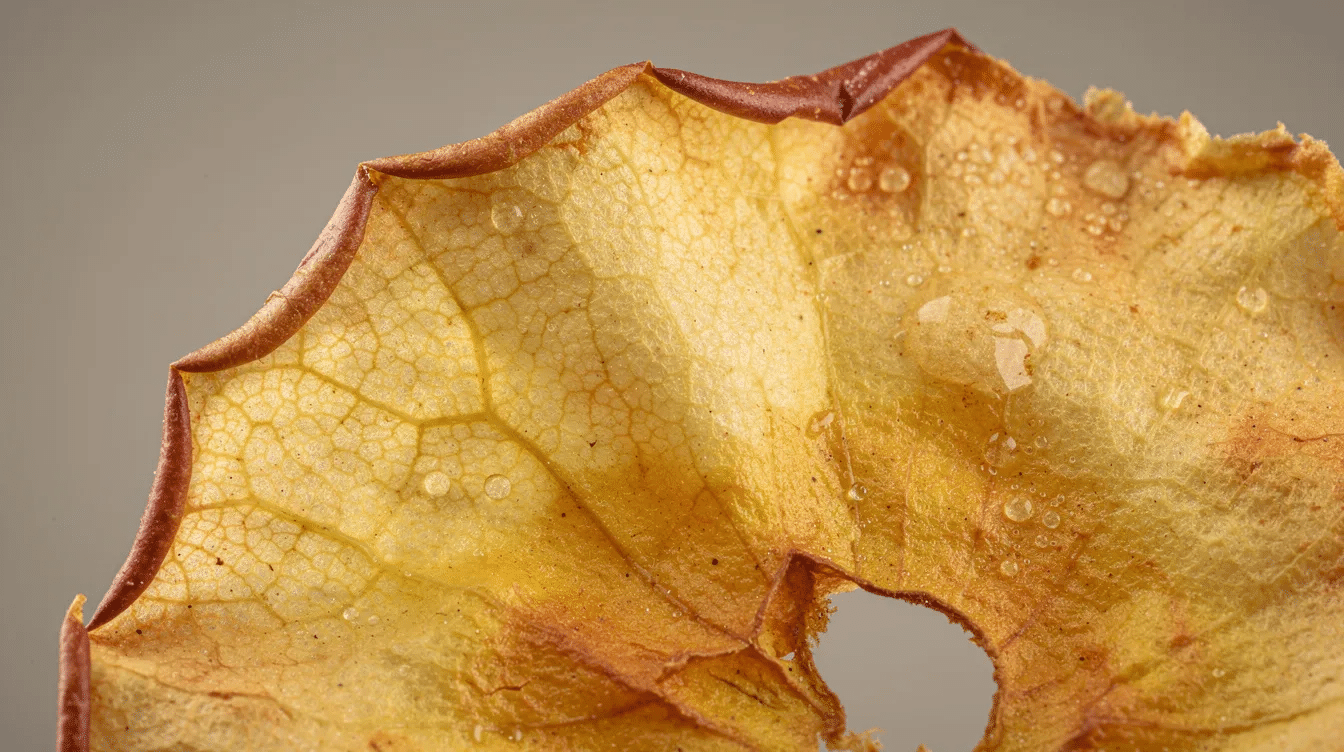
Fruit chips are thin slices of real fruit processed into crispy, portable snacks that retain fiber, minerals, and natural sweetness. Whether you’re stocking your pantry with apple chips for daily snacking or exploring freeze dried fruit crisps made from dragon fruit, this guide covers the types available, what separates a quality product from a sugary imitation, and how to pick the right option for your needs.
Types of Fruit Chips
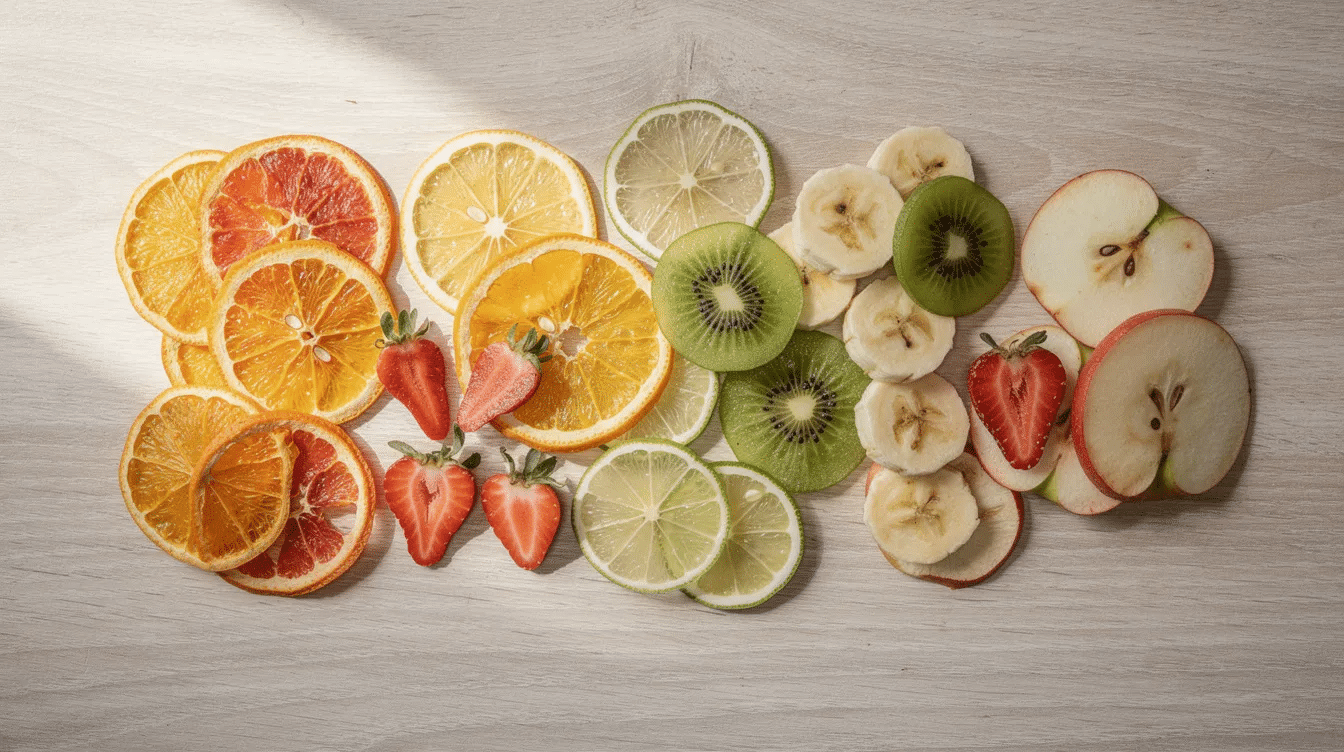
Fruit chips are often made from apples, bananas, mangoes, and strawberries, but the range extends well beyond those staples. Here’s how the major varieties break down.
Apple Chips
Apple chips are the most widely available fruit crisps in the U.S. and Europe. Crispy Green sells 100% freeze-dried apple chips with just one ingredient: apple. Tart varieties like Granny Smith and other top apples for dehydrating hold their shape well when sliced thin (1–3 mm) and dried, while sweeter cultivars like Gala produce a more caramelized flavor profile when dehydrated. Apple chips contain no added sugar or preservatives, making them a simple, gluten free snack suitable for kids’ lunch boxes and adult meal prep alike. High in dietary fiber (particularly pectin), they work as an everyday crisp that pairs well with nut butters or breakfast granola.
Banana Chips
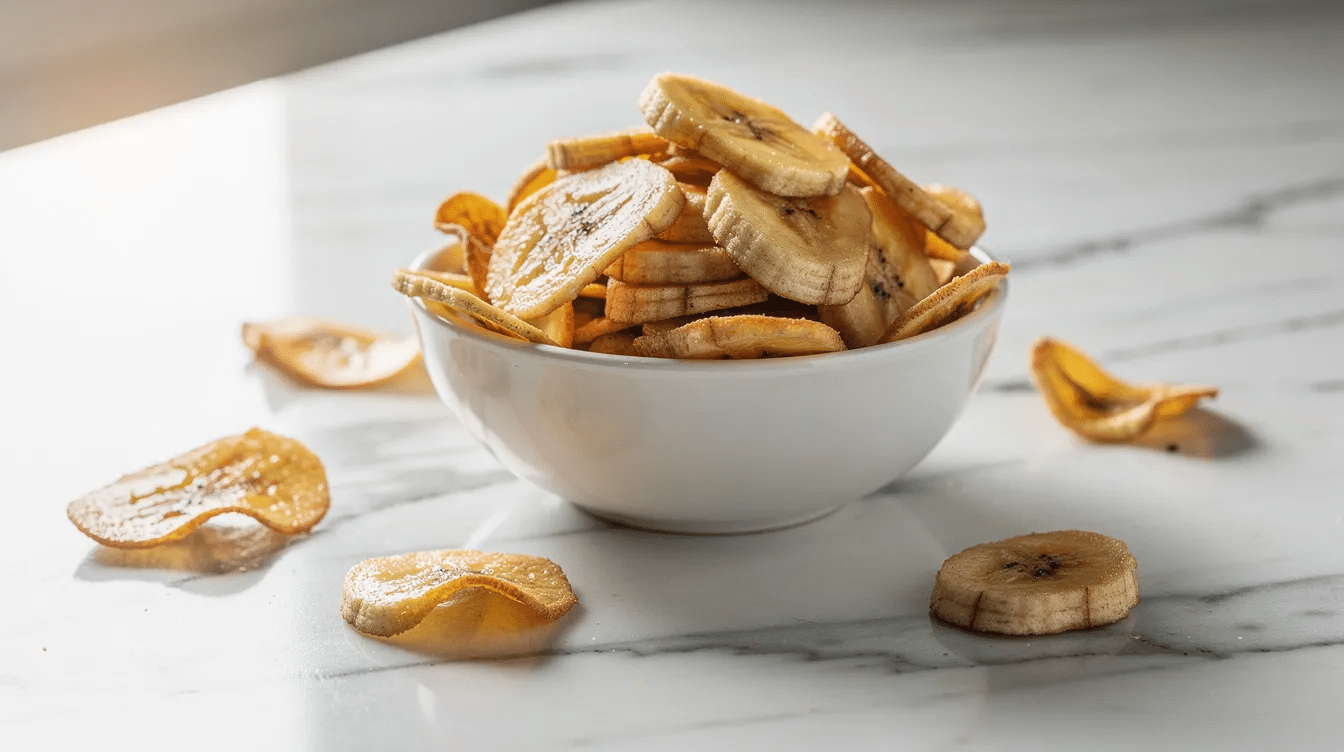
Banana fruit crisps deliver a rich, satisfying flavor with natural potassium. The processing method matters here more than with most fruits. Fried banana chips can contain 30–35 g of fat per 100 g serving, with saturated fat reaching 28.9 g in some preparations. Dehydrated and freeze-dried fruit chips preserve fiber and nutrients better than fried varieties, so check the ingredients list before adding a bag to your cart, or consider making your own dehydrated banana chips at home. Air-dried banana chips tend toward a chewier texture; freeze-dried versions offer a light, airy crunch that dissolves on the tongue, and an air fryer can be an efficient way to dry bananas into crisp chips with minimal added fat.
Mixed Fruit Chips
Variety packs combine strawberry, pineapple, mango, banana, and other tropical fruits into a single bag. Brothers All Natural offers freeze-dried fruit crisps in mixed assortments that give you several flavors to explore without committing to a full bag of each. One technical challenge with mixed chips: different fruits dry at different rates and temperatures, so texture consistency across the assortment is a sign of careful production. Look for brands that use uniform processing to keep every piece crisp.
Exotic Fruit Chips
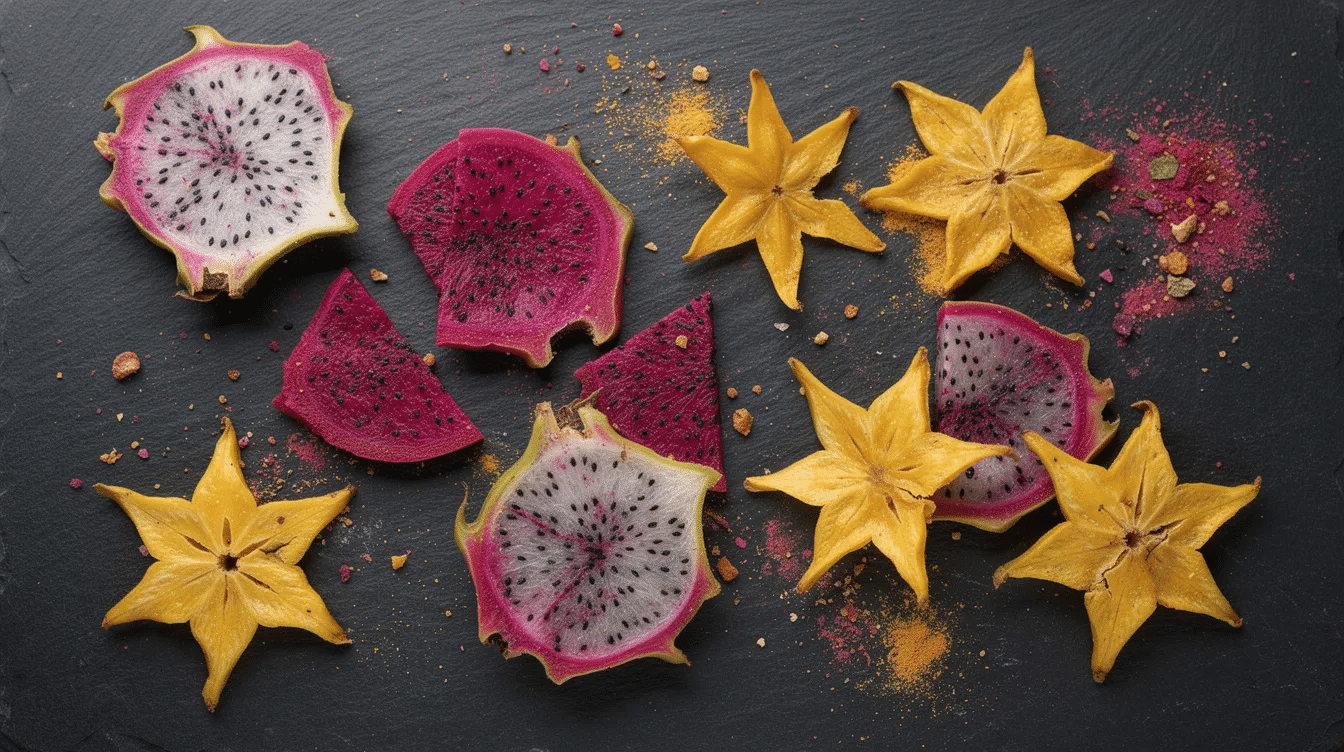
Dragon fruit, rambutan, jackfruit, and starfruit chips cater to adventurous palates. NOKKI FARM offers freeze-dried rambutan crisps that preserve the fruit’s delicate perfume and translucent appearance. Freeze-drying works well for exotic fruits because it retains volatile aromas and vibrant colors (dragon fruit’s magenta flesh, for instance) that heat drying would destroy. These are seasonal picks; stock up when they’re available, because supply depends on tropical harvest dates.
What to Look For in Fruit Chips
The gap between a nutrient-dense fruit crisp and a sugar-coated snack comes down to three measurable attributes.
Processing Method
Common methods to produce fruit chips include dehydration, freeze-drying, and vacuum frying. Dehydration uses warm air to evaporate moisture over several hours, typically at 55–65°C; dehydrating times for apple slices vary by humidity and temperature. The results retain fiber but reduce heat-sensitive nutrients like vitamin C by 25–40%, and overall nutrient loss in dehydrated fruits depends on time, temperature, and storage conditions. Freeze-drying involves freezing fruit and removing ice in a vacuum chamber to preserve nutrients; studies show roughly 97% nutrient retention versus 60–75% for heat-dehydrated fruit, which is why many people choose top freeze-dried fruits for healthy snacking instead of traditional chips. Vacuum frying lowers the boiling point of water to reduce oil absorption, producing a crunchier chip than standard frying with less fat. Fried fruit chips generally contain more fat and calories due to oil absorption, so the label will tell you which method was used.
Ingredient Purity
Many commercial fruit chips include added sugars, syrups, or oils during processing. Health recommendations suggest choosing fruit chips that are minimally processed with simple ingredient lists. The best products list just one ingredient: the fruit itself. They preserve the natural flavor and sweetness of the fruit without help from corn syrup or coconut oil. Check for sulfites too; some brands use them to preserve color, which matters if you have sensitivities. Fruit chips can be made gluten free and vegan, but verify certifications (kosher, non GMO, organic) on the packaging rather than trusting front-of-bag marketing.
Texture and Crispiness
A properly processed fruit chip snaps cleanly when you break it. Soggy spots or a leathery, bendable texture indicate residual moisture above 10%, which shortens shelf life and invites microbial growth. Freeze-dried chips typically land below 5% moisture; dehydrated chips sit around 8–10%. Uniform slice thickness (1–3 mm) is another quality sign, because uneven slices dry at different rates, leaving some pieces overdone and others underdone.
How to Choose the Right Fruit Chips
Dietary needs – Fruit chips made without added sugars or oils retain more nutrients and fiber. If you need gluten free, vegan, or kosher options, look for third-party certifications rather than unverified claims. Fiber content in fruit chips can vary based on processing methods, so review the nutrition panel.
Intended use – Single-serve packs (typically 10–15 g) fit lunch boxes and on-the-go snacking. Larger resealable bags (100–150 g) suit home use, recipes, and breakfast toppings. Crispy fruit chips can be a nutrient-dense alternative to traditional potato chips at any meal, and once you’re comfortable with the basics you can branch into homemade dehydrated beet chips in a dehydrator or even crisp pickle chips made in a food dehydrator for more savory options.
Flavor preference – Start with familiar fruits like apple or banana before branching into exotic varieties. Mixed packs are a fun, low-commitment way to sample new flavors.
Budget – Freeze dried fruit crisps cost more per ounce than dehydrated options because the equipment and energy demands are higher. Compare price per ounce across brands and order larger sizes if you find a variety you love; many stores offer shipping discounts on bulk purchases.
Frequently Asked Questions
Are fruit chips as healthy as fresh fruit?
Fruit chips retain fiber, minerals (potassium, iron, magnesium), and some vitamins from the original fruit. The tradeoff: removing water concentrates natural sugars. A 100 g serving of fresh apple contains about 10 g of sugar; the same weight of dried fruit contains roughly 57 g. Portion control matters. A 15 g single-serve bag of freeze dried fruit crisps corresponds to about 60–80 g of fresh fruit, so the nutrient density is real, but so is the calorie density.
How long do fruit chips stay fresh?
Properly packaged freeze-dried fruit can last 25–30 years under ideal storage conditions (cool, dry, dark), making it one of the best dried fruit options for long term storage. Heat-dehydrated fruit chips typically stay fresh for 1–2 years. Once opened, reseal the bag tightly or transfer chips to an airtight container; freeze-dried products absorb ambient moisture fast and lose their crisp within hours if left exposed.
Can I make fruit chips at home?
Almost any fruit can be dehydrated at home. Use a dehydrator or oven set to 130–150°F (55–65°C), slice fruits uniformly to 2–3 mm, and pre-treat with lemon juice to slow browning. Apple slices take 6–10 hours depending on thickness and humidity. Home freeze-drying requires a dedicated machine ($2,000–$5,000), but it produces results closer to commercial freeze dried fruit crisps in texture and nutrient retention.
What’s the difference between freeze-dried and dehydrated fruit chips?
Dehydration applies heat over several hours to evaporate water, leaving chips at 8–10% moisture with a denser, sometimes chewy texture. Freeze-drying freezes the fruit first, then sublimates ice under vacuum, dropping moisture below 5%. The result: a lighter, more brittle crisp that retains more vitamins, phenolic compounds, and aroma. Freeze-dried chips cost more but last longer and preserve nutrients at a higher rate.
Shop Our Fruit Chip Collection
Explore our selection of simple, clean-label fruit chips made from real, sliced fruits with no added sugar or preservatives. From classic apple chips to exotic rambutan crisps, there’s a flavor and texture for every snacker. Fruit chips are available in various flavors like strawberry and banana; check our full range to find your favorites.
DannyContent Writer
Hey there, since 2016, my mission has been to provide you with the information and guides you need to make food dehydrating simple and fun. Whether you're a newbie or a seasoned pro, my site offers helpful guides, reviews, and recipes to enhance your dehydrating experience. I take pride in only recommending products I believe in, ensuring my readers' trust. As an affiliate of various programs, including Amazon Associates, your support helps me continue providing quality content. Thanks for stopping by, and happy dehydrating!