Looking for quality jerky, biltong, or cured meats without leaving your couch? You’re not alone. The US jerky market hit $4.1 billion in 2025, with e-commerce capturing nearly 45% of those sales. Whether you want a convenient high-protein snack or premium charcuterie shipped to your door, this guide breaks down exactly where to find dry meat online and how to shop smart.
Quick Guide: Best Places to Buy Dry Meat Online
Let’s cut straight to what you came for: where to actually buy dry meat online right now.
Here are the main categories of online sellers worth exploring, along with their trade-offs:
Large Marketplaces (Amazon, Walmart.com)
Pros: Huge selection (500+ jerky flavors on Amazon alone), fast shipping, easy returns, customer reviews
Cons: Quality varies wildly between brands, harder to verify sourcing, some budget options loaded with sugar
Best for: Trying multiple brands at once or stocking up on trusted favorites
Specialty Jerky Stores (Jerky.com, similar aggregators)
Pros: Unique options like kangaroo, alligator, bison, and venison jerky
Cons: Premium prices ($15-20 for 4-8 oz), limited reviews for obscure products
Best for: Adventurous eaters and hunters looking to try game meats year-round
When evaluating any seller, prioritize shops with clear ingredient lists, visible customer reviews from the past 12-18 months, and responsive customer service. A quick scroll through recent feedback often reveals shipping issues or quality problems faster than anything else.
When people search for “dry meat” online, they’re usually looking for one of five main categories. Understanding the differences helps you find exactly what you want—and avoid ordering something that doesn’t match your expectations.
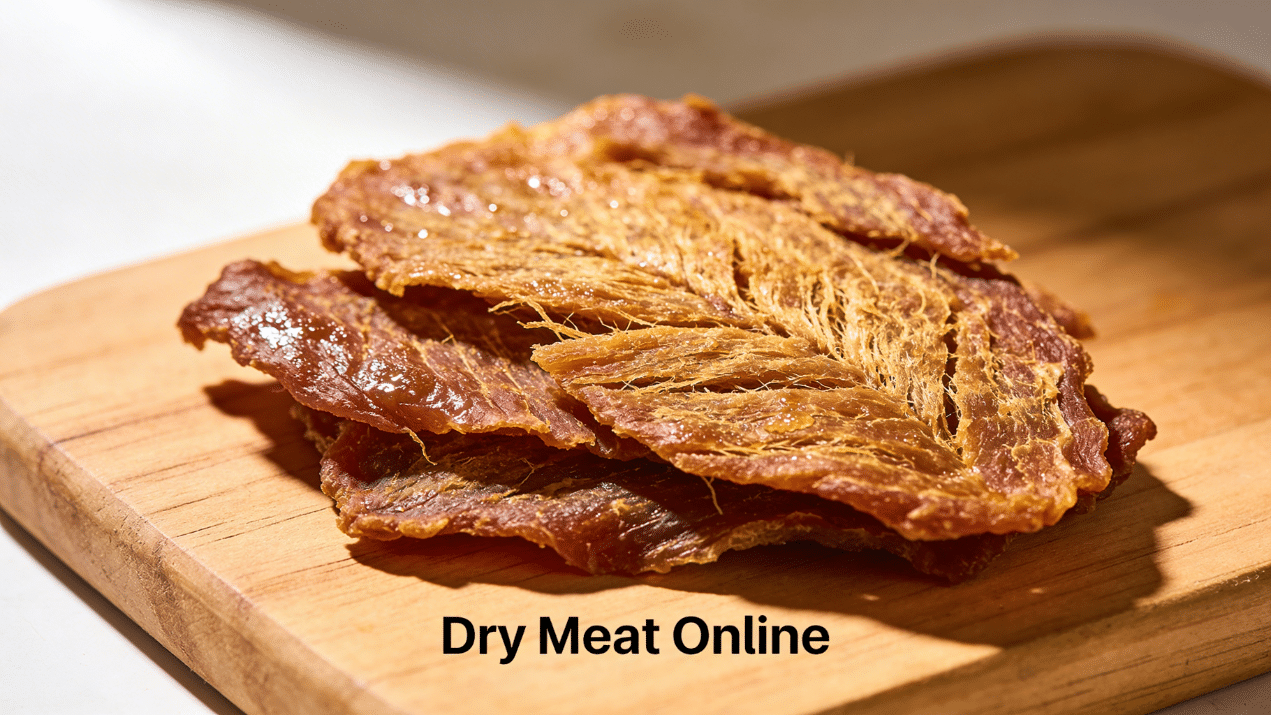
The most widely available option. Jerky is sliced thin (typically ¼ inch), marinated in seasonings, and dehydrated at 140-150°F until shelf-stable. You’ll find it everywhere from Amazon to gas station websites, usually sold in 2-12 oz pouches. Popular brands like Jack Link’s deliver about 10g protein per 1 oz serving, though sodium and sugar levels vary significantly by flavor.
Biltong
South African-style air-dried beef that’s thicker than jerky and cured with vinegar rather than heat-dried. The result is a chewier texture with higher protein retention—roughly 50g per 100g of dry weight. Biltong typically contains less sugar (and therefore fewer carbs) than American jerky, making it popular with keto and paleo crowds. Expect to find it in 4-16 oz bags from niche e-commerce shops.
Cured Whole-Muscle Meats
Think prosciutto, coppa, bresaola, and lonza. These are larger cuts of pork or beef that are dry-cured with salt over weeks or months, then sliced thin for serving. Online, you’ll find them sold as:
Deli-sliced vacuum packs (3-8 oz)
Small whole pieces for slicing at home
Premium gift boxes with multiple varieties
Heritage food sites and Italian specialty stores are your best bet for quality options.
Dry Sausages
Salami, chorizo, pepperoni sticks, and similar products fall into this category. Some are fully shelf-stable; others require refrigeration. Artisan butchers and European specialty stores offer the best selection online, from mild Genoa salami to spicy Spanish chorizo. Snack sticks—essentially mini salamis—are also widely available and perfect for on-the-go eating.
Exotic and Game Dry Meats
For those wanting something beyond beef and pork, specialty US producers ship nationwide with options like:
These typically cost more ($15-25 for 4-8 oz) but offer unique flavor profiles and often come from sustainably sourced animals.
How to Choose a Trustworthy Online Dry Meat Seller
Not every website selling jerky or cured meats is worth your money. This section helps you spot reliable sellers and avoid wasting time on low-quality or questionable products.
Key Trust Indicators to Check
Clear business address (US or EU) listed on the website, not just a PO box
Detailed product pages with ingredient lists, nutrition facts, and production information
Recent customer reviews (within the last 6-12 months) with photos when possible
Transparent contact information including email, phone, and response time estimates
Professional website design—typos and broken links are red flags
Production and Freshness Details
Before adding anything to your cart, look for:
Production or “best by” dates visible in product photos or descriptions
Information about whether products are made in small batches or mass-produced
Clear statements about where the meat is sourced (country of origin, specific farms)
Explanations of the drying or curing process used
Sites that explain their process—whether it’s traditional air-drying or modern dehydration—typically produce higher quality products.
Storage and Handling Information
Trustworthy sellers tell you exactly how to handle their products:
Whether to refrigerate immediately or store in a pantry
Expected shelf life before and after opening
Any special handling instructions for sliced vs. whole pieces
Security and Payment
Look for HTTPS in the URL (the padlock icon)
Stick to well-known payment processors like Stripe, PayPal, or major credit cards
Check for a clear privacy policy and return/refund information
Start Small
When trying a new seller for the first time, order a sampler pack or single item rather than committing to bulk quantities. This lets you evaluate:
Flavor and texture quality
Shipping speed and packaging
Accuracy of the product description
Customer service responsiveness if issues arise
Finding Dry Meat That Matches Your Diet & Preferences
Dry meat can fit almost any diet—keto, paleo, high-protein, low-sugar—if you know what to look for on product pages. Here’s how to filter for exactly what you need:
For Low-Carb and Keto Diets
Search for “no added sugar,” “low sugar,” or “unsweetened” in product titles or filters
Check nutrition labels: traditional jerky can have 7-10g sugar per serving from marinades
Biltong is often a better choice—most varieties contain under 2g sugar per serving
Avoid teriyaki and honey-glazed flavors, which typically have the highest sugar content
For Sodium-Conscious Buyers
Typical jerky contains 500-1000mg sodium per 1 oz serving (roughly 25% of daily value)
Biltong tends to run lower, around 300mg per serving
Look for “low sodium” options if monitoring blood pressure
Whole-muscle cured meats like prosciutto are naturally high in salt—account for this in your daily intake
For Minimally Processed Preferences
Short ingredient lists (under 10 items) usually indicate cleaner products
Look for recognizable ingredients: beef, salt, pepper, garlic, vinegar
Avoid artificial colors, preservatives, and MSG unless you don’t mind them
“Grass-fed” and “pasture-raised” labels indicate higher quality sourcing (expect a 20% price premium)
Common Allergens to Watch For
Soy sauce in marinades (contains both soy and wheat/gluten)
Gluten in certain seasonings and coatings
Dairy in some snack sticks and processed meat products
Mustard, celery, and other less common allergens in spice blends
Most e-commerce sites let you filter by “gluten-free,” “soy-free,” or “dairy-free”—use these filters to narrow your options quickly.
Build Your Favorites List
Once you find brands matching your dietary preferences, bookmark them or create an account to save favorites. This saves time on future orders and ensures you don’t have to re-check every label each time you want to subscribe or reorder.
Comparing Prices, Shipping, and Subscriptions
The same style of jerky can cost anywhere from $1.80 to $4.00 per ounce online depending on brand, quantity, and how you buy it. Here’s how to get the best value:
Comparing Price Per Ounce
Always calculate price per ounce (or per pound) when comparing products
A 2 oz snack pack at $6 ($3/oz) costs far more than a 1 lb bulk bag at $25 ($1.56/oz)
Premium brands like People’s Choice or artisan biltong run $2.50-3.50/oz
Budget options and bulk purchases can drop to $1.50-2.00/oz
Shipping Considerations
Most sites offer free shipping above a threshold ($35-75 is common)
Combining multiple items into one order almost always saves money
Cold-packed shipments for cured meats like prosciutto add $5-15 to shipping costs
Check delivery time estimates—jerky is shelf-stable, but you don’t want it sitting in a hot warehouse
Subscription Options
Many online dry meat sellers offer subscription programs worth considering:
Typical frequencies: every 2, 4, or 8 weeks
Discounts usually range from 5-15% off regular prices
Curated subscription boxes (like JerkyGent’s monthly boxes at $25-50) offer variety with 1-2 lbs of assorted products
Most subscriptions let you skip or cancel at any time without penalty
Before committing to a subscription, honestly assess how much jerky or cured meat you actually eat. A monthly pound of jerky sounds great until it starts piling up in your pantry.
Seasonal Sales to Watch
Black Friday and Cyber Monday typically offer 20-30% off bundles
Memorial Day and Labor Day sales are common for American jerky brands
Holiday gift box promotions (November-December) often include free shipping
Subscribe-and-save deals sometimes stack with holiday promotions for maximum savings
Storing and Enjoying Dry Meat Purchased Online
Once your order arrives, proper storage protects both flavor and food safety. Different products have different requirements, so pay attention to what you bought.
Unopened Storage Guidelines
Sealed jerky and vacuum-packed cured meats can usually stay in a cool, dark pantry until the “best by” date
Vacuum-packed products stored at room temperature remain stable for 12-18 months when moisture content is below 10%
Keep away from direct sunlight and heat sources (not above the stove or near windows)
Jerky: refrigerate and consume within 1-2 months (some brands specify 3-7 days for perfect texture)
Hard salami and dry sausages: refrigerate and use within 2-3 weeks
Sliced prosciutto and similar: refrigerate and eat within 5-7 days
Always follow the specific storage instructions printed on the label—processes differ between producers
Practical Storage Tips
Transfer partially used portions to airtight containers or resealable bags
This prevents further drying out and keeps products from absorbing fridge odors
Label containers with the date opened so you remember when to use them up
For long-term storage, some jerky can be frozen for up to 6 months (thaw in refrigerator)
Curious about dehydrating beef jerky and how long it should take? Check out this helpful video guide.
Serving Ideas
Dry meat isn’t just for snacking straight from the bag. Here are ways to enjoy your purchases:
High-protein snack: Keep individual jerky portions in your bag, desk, or car for convenient energy
Charcuterie boards: Arrange sliced salami, prosciutto, and coppa with cheese, crackers, and olives
Cooking ingredient: Chop biltong or jerky into salads, omelets, or fried rice for added protein and flavor
Trail mix addition: Combine small jerky pieces with nuts and dried fruit for a savory-sweet hiking snack
Party appetizers: Wrap prosciutto around melon, figs, or breadsticks for an elegant and perfect appetizer
The beauty of ordering dry meat online is the variety you simply can’t find at local stores. With hundreds of brands, flavors, and styles available, there’s never been a better time to explore. Start with a sampler from a reputable seller, dial in your preferences, and you’ll have a reliable source of quality protein snacks for years to come.
Your next order of perfectly aged jerky or artisan-sliced salami is just a few clicks away.
DannyContent Writer
Hey there, since 2016, my mission has been to provide you with the information and guides you need to make food dehydrating simple and fun. Whether you're a newbie or a seasoned pro, my site offers helpful guides, reviews, and recipes to enhance your dehydrating experience. I take pride in only recommending products I believe in, ensuring my readers' trust. As an affiliate of various programs, including Amazon Associates, your support helps me continue providing quality content. Thanks for stopping by, and happy dehydrating!