We earn a commission if you make a purchase, at no additional cost to you.
09/22/2026 04:39 pm GMT
🍊 Dehydrated Food Info Finder — Temperatures & Drying Times
Choose a category, then pick a food to see its drying temperature and time.
⚠️ Safety Disclaimer: Drying times are estimates and vary based on slice thickness, food moisture content, humidity, and your dehydrator model. Always check for doneness before storing — food should feel dry, leathery, or brittle with no moist spots. Improperly dried food can harbour mould and bacteria. For meat and poultry, follow USDA safe internal temperature guidelines: beef and pork to 160°F (71°C), poultry to 165°F (74°C). Use a food thermometer when in doubt. Store all dehydrated foods in airtight containers in a cool, dark place and discard anything showing moisture, mould, or off odours.
Top 5 Dehydrator Tray Liners for Effortless Drying and Easy Cleanup
Dehydrator tray liners are your new best friend when it comes to dehydrating food. They keep your food from sticking to the trays, making cleanup super easy. Whether you’re drying fruits, veggies, or even making jerky, these liners have got your back. With a variety of materials like silicone, parchment paper, and non-stick Teflon, there’s a liner for every need. Plus, they fit different dehydrator models, including popular ones like Excalibur. So, if you’re tired of scraping dried bits off your trays, it’s time to switch to these handy liners. Let’s keep dehydrating fun and hassle-free!
Excalibur models like the 2500, 3500, 2900, or 3900. These sheets can be made from materials like non-stick Teflon, silicone, or good old parchment paper. They’re great at stopping food from sticking to the trays and make cleaning up a piece of cake.
Benefits of Using Dehydrator Tray Liners
When you use dehydrator tray liners, you keep your food from sticking to the trays. This makes cleaning up a breeze. You can easily take food off the trays without breaking it. These liners work great for all sorts of dehydrating tasks, like making fruit leather or snacks. They are reusable and simple to clean, so you save money over time. Most liners fit with many food dehydrators, including popular models like Excalibur and Cosori. This means you’re set for any dehydrating job you want to tackle.
Choosing the Right Dehydrator Tray Liner
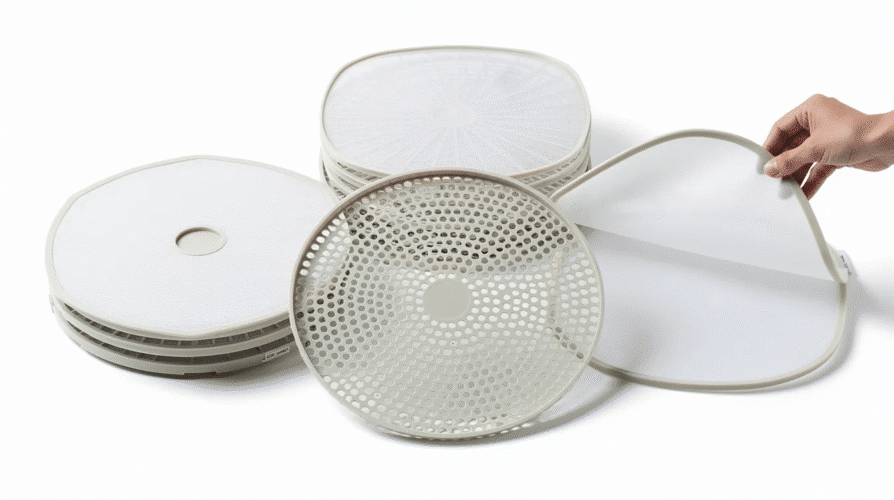
When you’re picking out dehydrator tray liners, choose the right size and shape for your trays, and only use food-safe liners designed to be trimmed so they can be cut to fit specific models, including trays with a middle opening. Non-stick Teflon or silicone sheets are great because PTFE sheets are extremely slick, cheap, and durable for non-stick applications, making it easy to take food off without a fuss. Make sure the liners match your food dehydrator model so you won’t have any surprises, and double-check that any replacement dehydrator trays you buy are compatible with your unit.
Check out the material and how long the liners last. Good options include BPA-free plastic or silicone, which are safe and reliable, but plastic craft canvas is not rated for food use. If you use natural fabric alternatives, finish the edges to prevent fraying. Before you buy, take a look at what other folks are saying in reviews and ratings. This can give you a good idea if the liners will do the job you need them to do.
Top 5 Silicone Dehydrator Sheets and Tray Liners
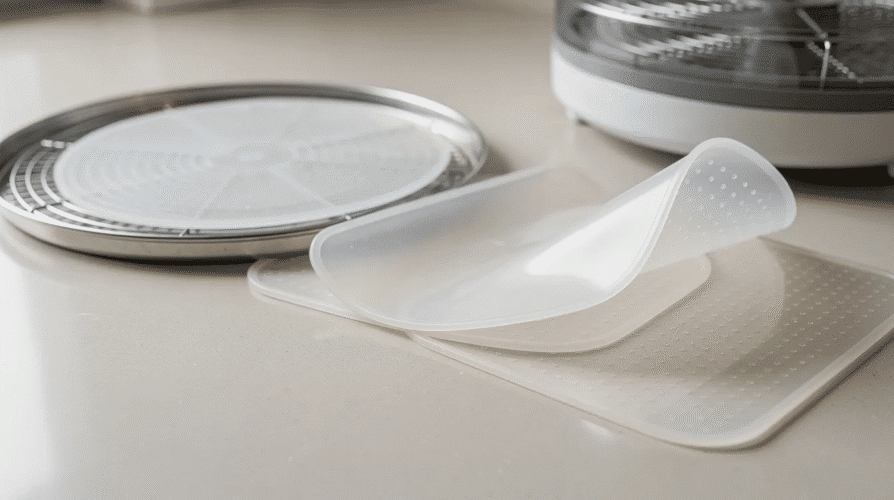
Silicone mesh liners are great because they last a long time, and food-grade silicone mesh liners are reusable and excellent for airflow during drying. You can count on them for all your dehydrating needs, and a pack often contains 6 to 12 silicone sheets.
Parchment paper liners are super easy to use and make the whole process simple and quick. They’re perfect for those who want convenience.
Non-stick Teflon liners make food release easy. You won’t have to worry about food sticking, which makes cleanup a snap.
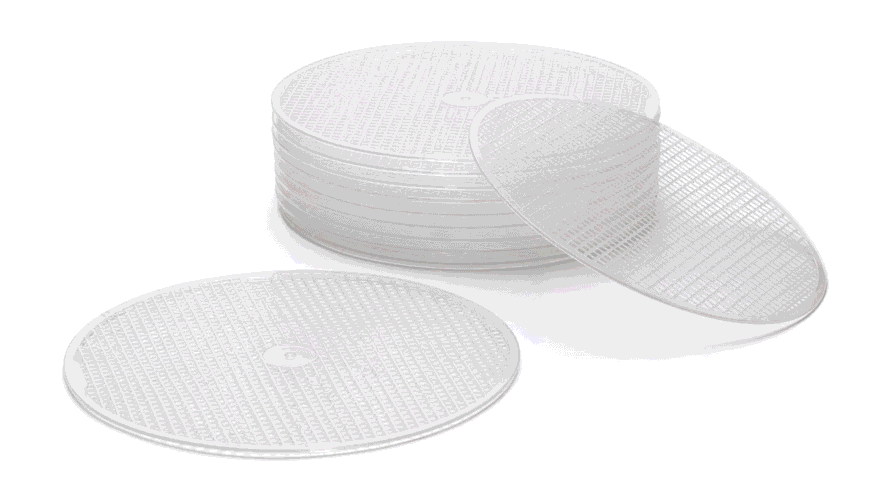
Dehydrator sheets with small, tight mesh holes are awesome because they allow maximum airflow while preventing small items from falling through. These are perfect for small items like herbs or berries.
Reusable silicone tray liners with a rim are handy for spreading pureed foods. Solid liners are best for liquids and purees when making fruit leathers.
First, think about the material. Silicone is popular because it’s long-lasting and handles heat well. Parchment paper is a simple and quick option, perfect for those who want an easy cleanup. Non-stick Teflon is another great choice, as it makes removing food a piece of cake. BPA-free plastic is safe and reliable, too.
Look at the mesh holes, too. Small, tight holes are important if you’re drying tiny items like herbs or berries. They stop little bits from falling through.
Non-stick coating is a must-have for easy food release. It means you won’t have to struggle with food sticking to the liner.
Finally, think about reusability. A liner that can be washed and used again saves you money and is better for the planet.
By knowing what to look for, you can pick the right dehydrator tray liner for your needs. Whether you’re drying fruits, veggies, or making jerky, the right liner makes it all go smoothly.
Using Dehydrator Tray Liners for Fruit Leather with Your Food Dehydrator
First, lay the liner flat on your dehydrator tray before you start adding your food. This helps keep everything neat and tidy. Make sure the liner fits with your dehydrator model, so you don’t run into any surprises while drying.
These liners are super versatile. You can use them for all kinds of dehydrating tasks, from making fruit leather to drying out snacks and dried fruits. If reusable liners aren’t available, parchment paper works as a disposable, non-stick option. Just note that solid liners can slightly increase drying time because they reduce airflow. They keep your food from sticking and make it easy to lift off when you’re done.
After you’re finished dehydrating, give your liner a good clean. Wash it thoroughly after each use to keep it fresh and free from any unwanted germs. This way, you can use it over and over again without any worries.
Tips for Easy Cleanup
Give your liner a good wash with soap and water each time you use it. This keeps it clean and ready for next time.
Make sure to dry the liner all the way to stop any germs from growing.
Got some food stuck on there? A soft brush can help get it off without scratching.
Stay away from harsh cleaners or scrubbers. They can mess up your liner and make it wear out faster.
Common Mistakes to Avoid
Forgetting to clean your liner after each use can lead to germs growing. It’s like leaving dishes in the sink for days—never a good idea!
Using rough cleaners or scrubbers can scratch up your liner. Treat it gently, like you would your favorite non-stick pan.
Make sure your liner fits your dehydrator model. It’s like trying to fit a square peg in a round hole. Check before you start drying.
Don’t limit your liner to just one type of food. These liners are great for all kinds of drying tasks. From fruit to jerky, they can handle it all, and they help prevent small foods from falling through standard trays when you’re drying little items.
A silicone sheet package often includes 12 sheets, so check the count before ordering replacements on amazon, and verify the temperature range too—many are rated from -40℃ to 220℃.
Dehydrator tray liners are must-haves for anyone using a food dehydrator. They make cleaning up a snap, stop food from sticking, and let you take food off the trays with no hassle. When you pick the right liner and use it the way it should be, drying food becomes a breeze. These liners are your trusty sidekick in the kitchen, perfect for drying fruits, veggies, or even jerky. So, let’s keep it simple and stress-free with these handy helpers.
DannyContent Writer
Hey there, since 2016, my mission has been to provide you with the information and guides you need to make food dehydrating simple and fun. Whether you're a newbie or a seasoned pro, my site offers helpful guides, reviews, and recipes to enhance your dehydrating experience. I take pride in only recommending products I believe in, ensuring my readers' trust. As an affiliate of various programs, including Amazon Associates, your support helps me continue providing quality content. Thanks for stopping by, and happy dehydrating!