This dehydrated pineapple recipe is a great way to enjoy the sweet tropical fruit in a whole new way. With this recipe, you’ll learn how to make your own dehydrated pineapple slices at home! This guide is perfect for home cooks, snack enthusiasts, and anyone looking to preserve pineapple in a healthy, delicious way. Dehydrated pineapple is a nutritious, shelf-stable snack that retains the fruit’s natural sweetness and is free from added sugars. Using canned pineapple for dehydration is particularly convenient as it is pre-peeled and pre-cored. Canned pineapple rings are especially useful because their uniform thickness ensures even drying and consistent results. Eating dehydrated pineapple is an easy, delicious and subtly sweet alternative to fresh pineapple. It also provides many health benefits due to its high levels of fiber, vitamins, minerals and antioxidants. Homemade dehydrated pineapple is free from all the refined sugar found in commercially dried pineapple. You can use fresh, canned, or frozen pineapple for dehydrating. To dehydrate pineapple, you will need a dehydrator or an oven set to a low temperature. It’s quick and easy, and you’ll be enjoying the sweet and crunchy snacks in no time.
Step-by-Step Dehydrated Pineapple Recipe
1. Use fresh, canned, or frozen pineapple. 2. Cut into 1/4-inch slices. 3. Arrange on trays with space between pieces. 4. Dehydrate at 135–140°F for 10–18 hours. 5. If using oven, set to lowest temp (140–170°F) for 6–10 hours. 6. Use silicone mats or parchment to prevent sticking. 7. Pineapple is done when leathery but pliable. 8. Cool, then condition in a sealed jar for 7 days, shaking daily. 9. Store in airtight containers in a cool, dark place.
Dehydrated food is just as it sounds: food that has had the water taken out of it. This is usually due to a dehydrator machine but the practice dates back thousands of years. Dehydrating food makes it last it longer, it takes up less space, and it can also taste delicious. Dehydrated pineapple tastes incredibly sweet, almost like candy, making it a favorite snack. A fan favorite is dried fruit such as mango, banana, and apricot. Some people would consider dehydrated pineapple the most scrumptious of all dried fruits. Dried pineapple is a delicious snack, a perfect shelf-stable tropical treat, and dehydrated pineapple is vegan, gluten-free, and Whole 30 friendly.
The Wonders of Dehydrated Food
Lots of folks turn to dehydrated food for long trips because it makes for a handy snack that is both delicious and nutritious. Throw some dried fruit together with some nuts and that’s a nice homemade trail mix for a plane ride or hiking adventure. Dehydrated fruit is particularly great because it’s a healthier way to get a sweet fix without consuming loads of added sugars and candy.
Now that you know the benefits of dehydrated foods, let’s focus on why pineapple is a top choice.
Why Use a Dehydrator?
Dehydrators are very useful in all kitchens, especially in vegan kitchens, for making various dried snacks including pineapple and other recipes. Many people use dehydrators not only for dehydrated pineapple but also for preparing other recipes like dried fruit mixes and vegan snacks, highlighting the versatility of the appliance.
Of course, the process of dehydrating food requires some machinery. Dehydrators range in price and a decent one will cost around $60. Depending on the make and model, it might take some monkeying around to get a feel for how the device operates. Some test batches might be necessary to gauge some variables such as how thick to slice the fruit, which settings work best, etc.
If purchasing a food dehydrator isn’t feasible, the process also works in an oven. Usually, 145 degrees Fahrenheit is a good starting point for drying out fruits but it will take some playing around to find the perfect temperature. An oven takes much longer than a dehydrator; it can take about six to eight hours.
These food items can last for months in plastic baggies or Tupperware as well as metal and glass containers. Keep in mind that dried fruit should have its own container. In other words, don’t mix dehydrated veggies, fish, meat, and fruit all together.
Ready to get started? First, let’s talk about how to choose the best pineapple for dehydrating.
Choosing the Right Fresh Pineapple
Choosing the right ripe pineapple is crucial for achieving perfect dehydration, as a fully ripe pineapple ensures optimal sweetness and quality in your dehydrated pineapple recipe. Here are some tips to help you select the best pineapple for dehydrating:
Pineapples are non-climacteric fruits and do not continue to ripen after being harvested, so it’s important to choose a ripe one at the store.
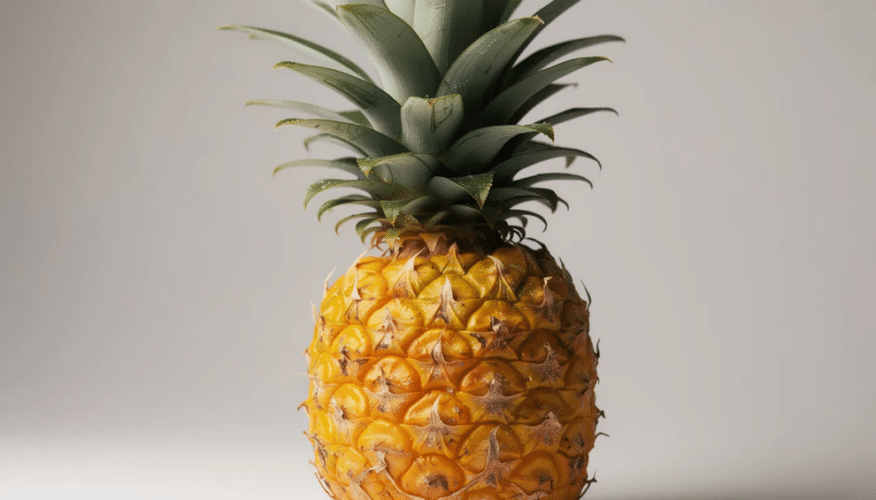
Look for a pineapple that is golden yellow and light brown with some green for ripeness.
The leaves of a ripe pineapple should be rigid and not wilted.
A ripe pineapple will smell fruity and sweet near the base.
Squeeze the pineapple gently; it should give just a little when ripe.
Avoid pineapples that are on the darker brown side, as they are likely overripe.
Additionally, choose a pineapple with a sturdy stem. This not only indicates freshness but also makes it easier to handle during the dehydration process.
By selecting the right pineapple, you’ll set the stage for delicious, homemade dehydrated pineapple.
Now that you know how to pick the perfect pineapple, let’s explore why dehydrated pineapple is such a great snack.
Why Dehydrated Pineapple?
Fruit is one of the most popular items to pop into a dehydrator. The possibilities are endless and the result is flavorful dried fruit with a delightfully sweet taste. Dehydrated pineapple is a total crowd-pleaser and hits the spot when running into a sluggish part of a long day.
For the best results when dehydrating, it is important to start with ripe, sweet fresh fruit. The tropical flavor is an instant pick-me-up and this fruit tends to be sweet without inciting a sugar high. Be sure not to use pineapples that are too ripe or else they’ll be super acidic. Also, try to load up on pineapple when it’s on sale since dehydrated fruit can last for months.
Read on to learn how to dehydrate pineapple. For more ideas, see our guide on what fruit can I dehydrate.
Next, let’s look at how you can use canned pineapple for an even easier dehydrating process.
Using Canned Pineapple for Dehydration
If you’re looking for a shortcut to delicious dried pineapple, using canned pineapple is a fantastic option. Canned pineapple comes already peeled, cored, and cut into convenient chunks or classic pineapple rings, which means you can skip the messy prep work and get straight to dehydrating. Simply drain the canned pineapple to remove any excess liquid, then arrange the pineapple chunks or rings in a single layer on your dehydrator trays. Make sure the pieces aren’t overlapping so they dry evenly.
Set your dehydrator to 135°F (57°C) and let the pineapple dehydrate for about 10-12 hours. You’ll know it’s ready when the pieces are dry to the touch but still a bit chewy. For an extra burst of tropical flavor, try tossing the pineapple in a splash of pineapple juice before dehydrating. This simple method makes it super easy to dehydrate canned pineapple and enjoy a delicious snack anytime. Whether you’re making dried pineapple for trail mix, granola, or just to satisfy your sweet cravings, canned pineapple is a convenient and tasty choice.
Now, let’s walk through the process of preparing your pineapple for dehydration.
How to Make Dehydrated Pineapple Recipe | Easy and Delicious
Preparing the Pineapple
Prepping the pineapple in dehydrator is one of the most important things because it sets the stage for how the fruit will turn out. First of all, the pineapple needs to be cleaned and patted dry. Be sure to use cold water to rinse the fruit and use a paper towel or dish towel to pat it dry.
You can use fresh, canned, or frozen pineapple for dehydrating. To dehydrate pineapple, you will need a dehydrator or an oven set to a low temperature.
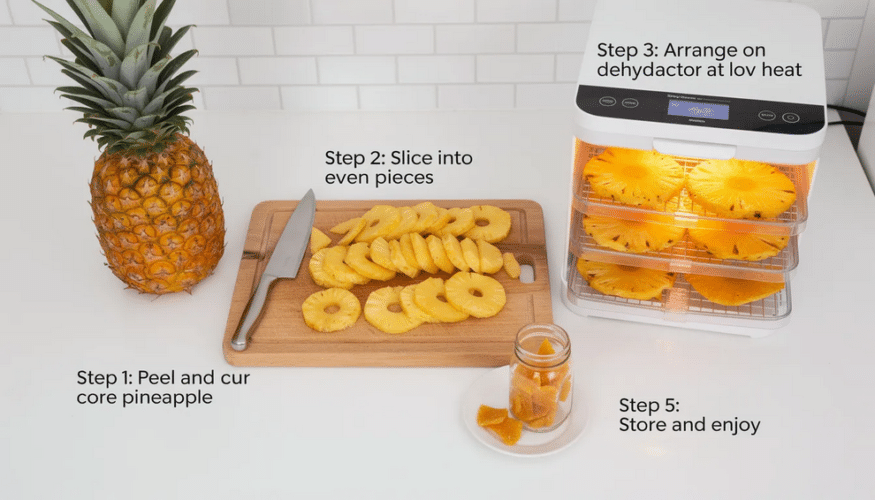
Then it’s time to slice the pineapple. Use a butcher knife to cut off the leafy top and the base of the pineapple. Place the fruit on its base and carefully slice from the top down to the bottom to remove the bumpy skin. Next, start at the top and cut the pineapple into quarters so there are four long pieces of fruit. There will be one edge on each piece that is hard and rough; this is the core. Use the knife to slice this portion off of the fruit pieces. Finally, take each piece and cut them into half-inch slices. Depending on personal preference, they may be thinner or thicker.
Cut pineapple into uniform pieces of 1/4-inch thickness for even drying. Pineapple should be cut into thin slices or chunks before dehydrating.
At this point, the pineapple chunks are ready to go into the dehydrator (or oven). Most dehydrators do a good job with pineapple at 135 degrees Fahrenheit for 12 to 16 hours. Or, you could do 145 degrees Fahrenheit in the oven for eight hours. Either way, flip the slices halfway through.
To ensure the quality of your dehydrated pineapple chunks, store them in airtight containers such as glass jars or vacuum-sealed bags. This helps prevent moisture buildup and keeps the fruit dry and free from mold.
Once your pineapple is prepped, it’s time to set the right temperature for dehydration.
What Temperature to Dehydrate Pineapple
To dehydrate pineapple, you’d want to set your dehydrator to a temperature of around 135 to 140 degrees Fahrenheit (57 to 60 degrees Celsius). This seems to be the consensus among various sources I’ve looked at. It’s worth noting that the process usually takes about 12 to 16 hours.
Dehydrating pineapple temperature isn’t the only factor you need to consider. You also want to ensure that you’re prepping your pineapple correctly before dehydrating it and storing it in an airtight container once it’s done. This will help ensure that your pineapple stays fresh-tasting for as long as possible.
Remember that every dehydrator is a bit different, so it’s always a good idea to consult your device’s manual for specific instructions. If you’re using an oven, you may need to adjust the time and temperature accordingly. For instance, you might need to use the lowest temperature setting and extend the dehydration time.
In summary, 135 to 140 degrees F is the general guideline, but be sure to adjust as needed based on your specific dehydrating method.
With your pineapple sliced and your dehydrator set, let’s go over some tips to ensure perfect results.
Tips for Achieving Perfect Dehydration
Achieving perfect dehydration requires attention to detail and a few simple tips. Here are some tips to help you achieve perfectly dehydrated pineapple:
Slice the pineapple into thin, uniform pieces to ensure even dehydration. Consistency in thickness helps the pineapple pieces dry at the same rate, preventing some from becoming too dry while others remain moist.
Before placing the pineapple pieces in the dehydrator, remove any excess moisture by patting them dry with a paper towel. This step is crucial to prevent steaming, which can hinder the dehydration process.
Use a dehydrator with adjustable temperature settings to maintain the perfect temperature for dehydration.
Monitor the pineapple pieces throughout the process to ensure they don’t over-dry or under-dry.
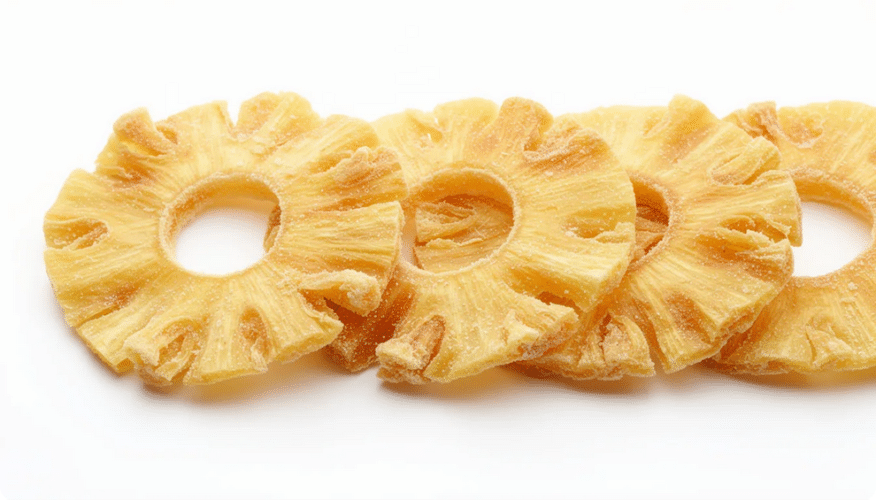
Pineapple should be dried until it is leathery but still pliable, with no sticky or spongy areas. Avoid over-drying, as this can make the pineapple hard and crispy, which is not desirable.
With these tips, you’ll achieve perfectly dehydrated pineapple every time.
Once your pineapple is dried to perfection, it’s important to store it properly to maintain freshness.
Storing Homemade Dehydrated Pineapple
Proper storage is essential to maintain the quality and freshness of homemade dehydrated pineapple. Here are some tips for storing your dehydrated pineapple:
After cooling, condition the pineapple by placing it in a sealed jar for 7 days, shaking the jar daily to distribute any remaining moisture evenly.
Store dried pineapple in an airtight container to prevent moisture from entering.
For best results, keep the container in a cool, dark place, away from direct sunlight, as exposure to sunlight can degrade quality and cause spoilage.
For long term storage, use vacuum sealing, oxygen absorbers, and airtight containers to protect against moisture and oxidation. This is especially important if you want to extend the shelf life beyond a few months.
If you have dehydrated pineapple rings, store them in airtight containers or vacuum-sealed bags to maximize freshness and prevent moisture absorption.
When stored properly, homemade dehydrated pineapple can last for up to 6 months, providing a delicious and convenient snack.
If you want to use your dried pineapple in recipes, you may want to rehydrate it first.
Rehydrating Dehydrated Pineapple
If you ever want to bring your dried pineapple back to a softer, juicier state, rehydrating is quick and easy. Just place your dehydrated pineapple pieces in a bowl and cover them with cold water or pineapple juice. Let them soak for 30 minutes to an hour, depending on how plump you want them. For a touch of extra sweetness, you can add a spoonful of sugar or a drizzle of honey to the soaking liquid.
Once rehydrated, your pineapple will be softer and ready to use in a variety of recipes. While it won’t have the exact texture of fresh pineapple, it will still deliver that signature tropical flavor and natural sweetness. Rehydrated pineapple is perfect for adding to smoothies, tossing into fruit salads, or mixing into your favorite desserts. It’s a great way to enjoy the taste of pineapple year-round, no matter how you like to eat it!
Now, let’s explore the health benefits of enjoying dehydrated pineapple as a snack.
Health Benefits of Dehydrated Pineapple
Dehydrated pineapple is a nutritious and healthy snack option that offers several health benefits. Dehydrated pineapple is rich in bromelain, manganese, and dietary fiber, making it a great choice for supporting digestion, bone health, and overall wellness.
Rich in Vitamins and Minerals
Dehydrated pineapple is a good source of vitamin A, vitamin C, potassium, and manganese. The high vitamin C content in dehydrated pineapple provides immune-boosting benefits and acts as a powerful antioxidant, helping to protect the body from free radicals and oxidative stress. These essential vitamins and minerals are important for maintaining overall health and well-being.
High in Antioxidants
Dehydrated pineapple is also high in antioxidants, which help protect the body from free radicals and oxidative stress. This can support overall health and reduce the risk of chronic diseases.
Good Source of Dietary Fiber
Additionally, dehydrated pineapple contains dietary fiber, which supports digestive health and helps prevent constipation. As a low-calorie snack option, dehydrated pineapple is perfect for those watching their weight while still enjoying a naturally sweet treat.
With all these health benefits, you can feel good about making dehydrated pineapple a regular part of your snack routine.
If you want to add even more flavor, try some of these seasoning ideas.
Seasoning Ideas for Dehydrated Pineapple
Dehydrated pineapple can be seasoned with a variety of spices and herbs to enhance its flavor. Here are some seasoning ideas for dehydrated pineapple:
Sweet and Spicy: Mix cinnamon and sugar with your dehydrated pineapple. This combination adds a delightful warmth and sweetness to the fruit.
Tangy and Refreshing: Try mixing grated ginger and lemon zest with your dehydrated pineapple. The zing of ginger and the citrusy notes of lemon create a unique and invigorating flavor.
Tropical Twist: Mix shredded coconut flakes with your dehydrated pineapple. This combination brings out the natural sweetness of the pineapple and adds a delightful texture.
Warm and Aromatic: Mix ground nutmeg and cardamom with your dehydrated pineapple. These spices add a rich, complex flavor that pairs beautifully with the sweetness of the pineapple.
With these seasoning ideas, you can enjoy dehydrated pineapple in a variety of delicious ways.
Now that you have your seasoned pineapple, let’s see how you can use it in recipes.
Dried Pineapple Recipes
Dried pineapple is one of my favorite fruits for snacking and recipes. Dehydrated pineapple rings are delicious on their own, and they work great in a variety of recipes. Dehydrated pineapple adds a sweet and tropical flavor to meals like Hawaiian Shrimp & Rice. The possibilities are endless and with a little imagination, dried pineapple can go in so many different recipes! Try adding it to pizza, in cookies, as part of a homemade trail mix (it’s perfect for this!), or in chicken salad. You can also rehydrate dried pineapple and use it in muffins, carrot cake, oatmeal, or curries. Dehydrated pineapple is also fantastic for making granola bars and clusters. Sprinkle some sugar on top after it comes out of the dehydrator to add more sweetness or add some cayenne to give it a kick. There are plenty of ways to have dehydrated pineapple suit any taste.
If you try this dehydrated pineapple recipe, please leave a recipe rating to let us know how it turned out!
Check out our other delicious recipes here!
DannyContent Writer
Hey there, since 2016, my mission has been to provide you with the information and guides you need to make food dehydrating simple and fun. Whether you're a newbie or a seasoned pro, my site offers helpful guides, reviews, and recipes to enhance your dehydrating experience. I take pride in only recommending products I believe in, ensuring my readers' trust. As an affiliate of various programs, including Amazon Associates, your support helps me continue providing quality content. Thanks for stopping by, and happy dehydrating!