Dehydrated fruit companies specialize in removing moisture from fresh fruit to create shelf-stable products that customers can enjoy year-round. These businesses range from family-owned orchards that grow and dry their own crops to large-scale processors that supply millions of pounds of dried fruit to food manufacturers worldwide. What sets dehydrated fruit companies apart from freeze dried fruit specialists is their primary drying method: warm-air circulation that creates a chewy, dense texture rather than the crispy, airy quality you find in freeze dried strawberries or other sublimation-processed snacks.
The product selection from these companies typically includes dehydrated apples, mangoes, berries, tropical mixes, and even vegetable blends. Common uses span everyday snacking, baking, hiking provisions, and emergency food storage. You’ll find these products in trail mixes, granola bars, breakfast cereals, and standalone snack pouches at grocery stores, specialty retailers, and direct-to-consumer websites.
Since around 2010, dehydrated fruit has grown in popularity for several compelling reasons. The extended shelf life of 12 to 24 months reduces food waste significantly compared to fresh produce. Health-conscious consumers love the concentrated nutritional value and portability. And the convenience factor—no refrigeration required, lightweight for travel, ready to eat straight from the bag—has made dried fruit a go-to choice for busy families and outdoor enthusiasts alike.
The rest of this article will profile notable dehydrated fruit companies, compare them to freeze dried specialists, and give you practical tips on evaluating suppliers whether you’re a consumer looking to stock your pantry or a small food business searching for quality ingredients.
How Dehydrated Fruit Differs from Freeze-Dried Snacks
Understanding the difference between “dehydrated,” “dried,” and “freeze dried fruit” helps you make better purchase decisions. Many companies now offer more than one drying method, so knowing what you’re buying matters for both flavor expectations and price considerations.
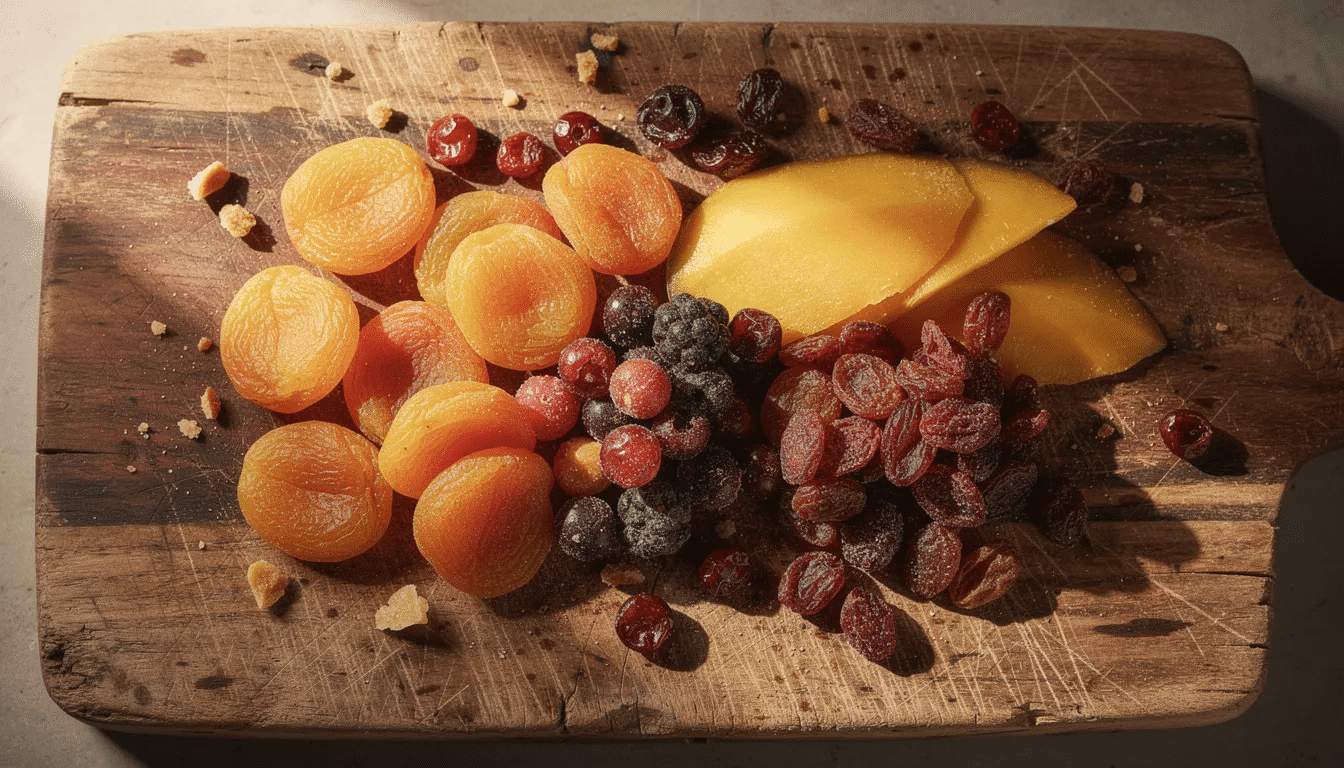
Dehydration involves warm-air drying at controlled temperatures, typically between 50–70°C (120–160°F). This process reduces water activity while maintaining a chewy, dense texture. Think of the classic raisin or dried apricot—pliable, sweet, and satisfying to chew.
Freeze-drying, by contrast, freezes fruit under vacuum and removes water through sublimation. This creates a crispy, lightweight texture that retains up to 90-95% of the original nutrients and preserves color exceptionally well. Brands like Crispy Green have built their entire business around this premium method.
Here’s how the two approaches typically compare:
Texture: Dehydrated fruit is chewy and dense; freeze dried fruit is crispy and airy
Shelf life: Both last 12-24 months when properly stored, though freeze dried may edge out slightly longer
Price: Freeze dried commands the highest price—often 2-3 times more than conventionally dehydrated fruit due to energy-intensive processing
Nutrient retention: Freeze drying preserves up to 80% of vitamin C versus around 50% for sun-drying; air-drying falls somewhere in between
Many dehydrated fruit companies now also offer natural, organic, and no-sugar-added lines to compete with freeze dried “clean label” options, which pair well with dehydrated fruit recipes for delicious snacks. This means you can find high quality dried fruit without added sugars or preservatives regardless of which drying method you prefer.
Types of Dehydrated Fruit Companies in the Market
Dehydrated fruit companies range from small orchard-based producers to large bulk suppliers serving industrial food manufacturers. Understanding these different business models helps you find the right source for your needs.
Orchard-Based Brands
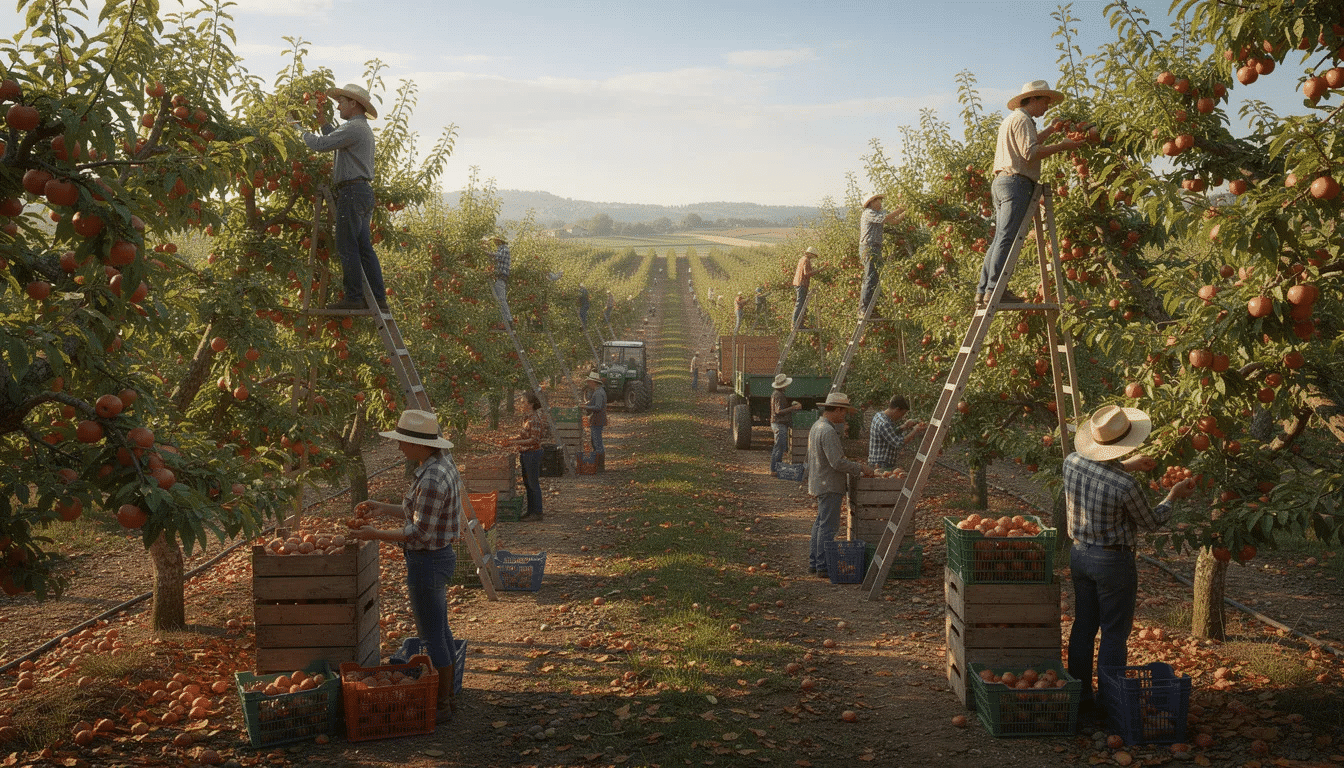
These are typically family farms, often located in California’s Central Valley or other prime growing regions, that control the entire process from tree to package. They grow their own fruit, dry it on-site, pack it, and ship directly to customers. This vertical integration allows them to ensure quality at every step while maintaining close relationships with growers who know the land intimately. These brands often emphasize their heritage, sometimes spanning multiple generations of farming expertise.
Vertically Integrated Processors
Larger operations buy fruit from multiple growers across different regions and focus on industrial-scale dehydration. Companies like Olam International exemplify this model, achieving 15-20% cost reductions by eliminating intermediaries. These processors often specialize in private-label production, supplying dried fruit ingredients to major food brands, cereal manufacturers, and snack companies.
Specialty Snack Brands
A wave of clean-label, plant-based, or kid-friendly dehydrated fruit snack brands launched after 2010 to ride the healthy snack trend. These companies emphasize transparency, minimal ingredients, and delicious flavor profiles designed to appeal to health-conscious parents and fitness enthusiasts. Many have built strong followings through Instagram marketing and direct-to-consumer sales.
Bulk and Prepper-Oriented Suppliers
Companies like Mother Earth Products and North Bay Trading Co. sell larger dehydrated and freeze dried packs designed for long-term storage. These suppliers cater to emergency preparedness communities, backpackers, and budget-conscious families who prefer buying in bulk to save money over time.
Key Product Categories Offered by Dehydrated Fruit Companies
Most companies segment their product lines by texture, processing style, and farming practices rather than organizing solely by individual fruit type. Here’s what you’ll typically find when you search their catalogs.
Traditional Dehydrated Fruit
This category includes the classics: raisins, apricots, apples, peaches, pears, pineapples, cherries, and tropical mixes. These products are chewy, sometimes lightly sweetened, and designed for mainstream consumers. Raisin-based trail mixes alone comprise roughly 30% of market volume in the snack segment.
Natural Dehydrated Fruit
For those avoiding additives, natural lines feature no added sugar, no sulfites, and no artificial flavors. These products appeal to customers who want pure fruit flavor without sweeteners or preservatives, especially when choosing dehydrated strawberries that are safe to eat. Tart cherries, dehydrated bananas, and unsweetened berries are popular selections in this category.
Organic Dehydrated Fruit
Certified organic options have expanded significantly since 2010 as more acreage converted from conventional to organic farming, and some consumers now rely on dried fruit subscription boxes to receive a steady supply of these snacks. Organic dried fruit commands premium pricing—typically 20-50% higher than conventional—but satisfies customers willing to pay more for pesticide-free, sustainably grown produce.
Specialty Cuts and Formats
Beyond whole pieces, companies offer:
Slices and rings (popular for cooking and baking)
Dices and bits (used as an ingredient in cereals, granola, and snack bars)
Powders (ideal for smoothies and beverage applications, especially when made from dehydrated citrus fruits)
Ingredient-grade products designed for food manufacturers who may also dehydrate vegetables, meats, and grains as part of a broader food dehydration strategy
Complementary Products
Many dehydrated fruit companies also stock nuts, seeds, and trail mixes. This allows customers to purchase complete snacking solutions from a single source, creating one-stop shopping convenience for families and businesses alike, whether they buy ready-made products or follow guides on how to dehydrate fruit using a food dehydrator at home.
Quality, Technology, and Sustainability Practices
Modern dehydrated fruit companies compete fiercely on quality standards, drying technology, and environmental responsibility. These factors increasingly influence customer loyalty and purchasing decisions.
Dehydration Technologies
The highest quality dried fruit comes from companies investing in advanced drying systems:
Tunnel dryers: Hot air circulation at controlled temperatures ensures uniform moisture removal
Solar-assisted dryers: Harness renewable energy to reduce costs and environmental impact
Hybrid systems: Combine multiple approaches to optimize color, flavor, and antioxidants retention
HACCP (Hazard Analysis Critical Control Points) food safety plans
Third-party audits from organizations like SQF or BRC
Compliance with FDA or EU regulations for moisture content and microbiological limits
Regular lab testing to ensure products meet specifications
Sustainability Initiatives
Environmental consciousness has become a major differentiator in the market. Leading companies now:
Source cosmetically imperfect fruit that would otherwise contribute to food waste
Use recyclable or compostable packaging (many introduced recyclable pouches around 2022)
Install solar power systems for drying operations, cutting energy costs by up to 40%
Implement water conservation practices in growing operations
Freeze dried brands like Crispy Green have promoted “food as a force for good” messaging, and similar values now influence dehydrated producers who want to reach environmentally conscious customers.
How to Choose the Right Dehydrated Fruit Company for Your Needs
Whether you’re a consumer shopping for your family or a small food business sourcing ingredients, selecting the right dehydrated fruit company requires evaluating several key factors.
Check the Ingredient List
Start by reading labels carefully. Look for:
Sugar content: Avoid products with added sugars if you want pure fruit
Preservatives: Sulfur dioxide (capped at 2000 ppm by regulations) extends shelf life but concerns some customers, particularly those with asthma
Additives: The cleanest products contain only fruit
Allergen information: Important if you’re producing food for others
Evaluate Farming Methods
Decide whether conventional or organic matters for your use case. Organic certification ensures no synthetic pesticides, but conventional fruit from reputable growers can still deliver excellent nutritional value at a lower price point.
Consider Texture and Intended Use
Chewy dehydrated fruit: Best for snacks, trail mixes, and baking
Crispy freeze dried fruit: Ideal for cereals, smoothies, and lightweight backpacking meals
Powdered form: Perfect for beverages and as a natural ingredient in recipes
Compare Packaging Formats
Format
Best For
Typical Shelf Life
Small snack packs
Lunchboxes, on-the-go
12 months
Resealable pouches
Home pantry use
12-18 months
Bulk cases
B2B buyers, preppers
18-24 months
Verify Sourcing and Certifications
For bulk and B2B buyers especially, request:
Certificates of analysis and lab test documentation
Information about where fruit is grown
Details on processing facility certifications
Traceability documentation
Look for Transparent Communication
The best companies make it easy to contact them with questions. Check their website for clear contact information, and don’t hesitate to reach out before making a large purchase. Many offer samples so you can select the right products before committing to larger orders.
Looking ahead, dehydrated fruit companies will likely continue innovating in flavor combinations, sustainability practices, and nutritional transparency over the next 5-10 years. The market is projected to reach $15-16 billion by the early 2030s, driven by organic demand, e-commerce growth, and integration into functional foods. Whether you love classic raisins or want to enjoy exotic jackfruit, there’s never been a better time to explore what these companies offer. Start your search by identifying your priorities, then add a few promising options to your cart and discover the difference that quality dried fruit makes in your cooking, baking, and everyday snacking.
DannyContent Writer
Hey there, since 2016, my mission has been to provide you with the information and guides you need to make food dehydrating simple and fun. Whether you're a newbie or a seasoned pro, my site offers helpful guides, reviews, and recipes to enhance your dehydrating experience. I take pride in only recommending products I believe in, ensuring my readers' trust. As an affiliate of various programs, including Amazon Associates, your support helps me continue providing quality content. Thanks for stopping by, and happy dehydrating!