We earn a commission if you make a purchase, at no additional cost to you.
09/22/2026 04:39 pm GMT
🍊 Dehydrated Food Info Finder — Temperatures & Drying Times
Choose a category, then pick a food to see its drying temperature and time.
⚠️ Safety Disclaimer: Drying times are estimates and vary based on slice thickness, food moisture content, humidity, and your dehydrator model. Always check for doneness before storing — food should feel dry, leathery, or brittle with no moist spots. Improperly dried food can harbour mould and bacteria. For meat and poultry, follow USDA safe internal temperature guidelines: beef and pork to 160°F (71°C), poultry to 165°F (74°C). Use a food thermometer when in doubt. Store all dehydrated foods in airtight containers in a cool, dark place and discard anything showing moisture, mould, or off odours.
Crunchy vegetable snacks are a healthy and delicious alternative to store-bought chips. They’re easy to make at home, especially with the help of a food dehydrator, and perfect to munch on whenever you crave a satisfying crunch.
In this article, we’ll explore the world of homemade veggie crisps. We’ll delve into the process of dehydrating vegetables, the benefits of these nutritious snacks, and how to choose the right food dehydrator.
A food dehydrator is a kitchen appliance that removes moisture from food. It uses a heat source and air flow to reduce the water content in food.
This process of dehydration not only makes food lightweight and convenient for storage, but also preserves it. By removing water, it inhibits the growth of bacteria, yeast, and mold.
Food dehydrators are versatile and a great tool for home cooking, making it easy to prepare wholesome snacks. They can be used to dehydrate a variety of foods, including fruits, vegetables, meats, and herbs. For our purpose, we’ll focus on using them to create crunchy vegetable snacks.
Understanding how a food dehydrator works is the first step towards making your own healthy veggie snacks at home. In the following sections, we’ll guide you through the process so you can enjoy or serve your finished crunchy vegetable snacks as a delicious dish.
Unlike many commercial snacks, homemade veggie crisps are free from added sugars, preservatives, and unhealthy fats. You have full control over what goes into your snacks.
Dehydrated vegetables are also a great source of dietary fiber. This aids digestion and can help you feel full, making them a good choice for weight management.
Incorporating dehydrated into your diet is a tasty way to increase your daily intake of veggies. It’s a win-win for both your taste buds and your health.
Crunchy vegetable snacks are typically high in fiber, antioxidants, and nutrients, while being lower in sodium and unhealthy fats compared to traditional snacks.
Selecting the Best Vegetables for Dehydration
When it comes to dehydrating, not all vegetables are created equal. Some vegetables dehydrate better than others due to their water content and texture.
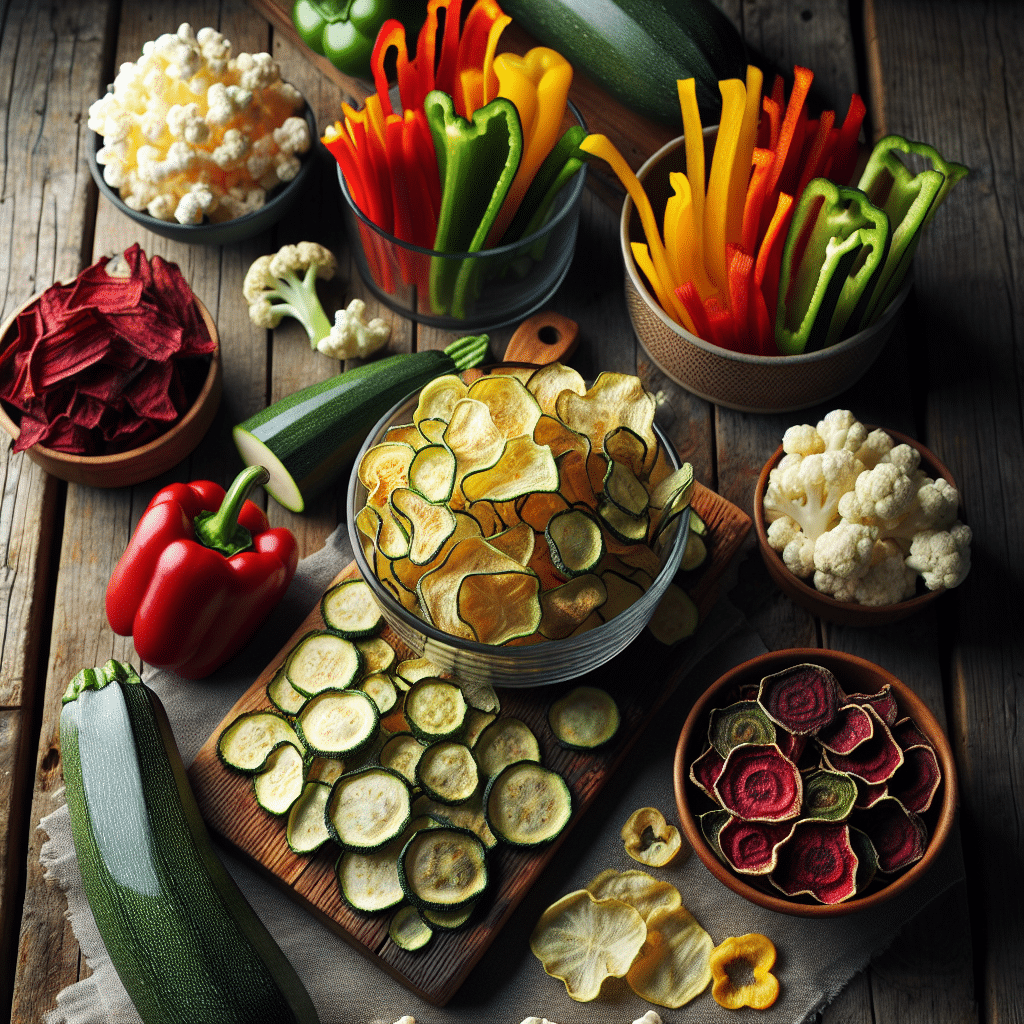
Root vegetables like carrots, beets, and sweet potatoes make excellent crunchy snacks. They have a naturally sweet flavor that intensifies during dehydration. You can also create a colorful mix of different vegetables for a more interesting and flavorful snack.
Green vegetables such as kale, spinach, and zucchini are also great choices. They become incredibly crispy and can be seasoned to your liking.
Here are some vegetables that dehydrate well:
Carrots
Beets
Sweet potatoes
Kale
Spinach
Zucchini
Bell peppers
Tomatoes
Onions
Mushrooms
Radishes
Root vegetables such as sweet potatoes, beets, parsnips, and carrots can also be sliced thin and baked or air-fried into chips for a crunchy snack option.
Preparing Vegetables for Dehydration
Before dehydrating, vegetables need to be cleaned and prepped. This involves washing them thoroughly to remove any dirt or pesticides.
Next, you’ll need to slice your vegetables. For the best crunchy texture, slice your vegetables thin, as thin slices result in crispier snacks and a more delicate texture. The thickness of your slices will affect the dehydration time and the crunchiness of your snacks. Using a mandoline slicer ensures uniform thinness, which helps achieve even cooking and consistent crispiness.
Some vegetables, like potatoes and carrots, may benefit from blanching before dehydrating. This step can help to preserve color and nutrients
Seasoning is a crucial step in making your crunchy vegetable snacks flavorful. You can keep it simple with just a sprinkle of salt for a classic salty taste, or experiment with different herbs and spices to achieve tangy or zesty flavor profiles.
For a spicy kick, try adding chili powder or cayenne pepper. For a savory touch, consider garlic powder or onion powder. Baked vegetable chips are often seasoned with spices like garlic powder or smoked paprika for added flavor. Remember, the flavors will intensify during dehydration, so a little goes a long way.
If you prefer sweet snacks, cinnamon and nutmeg can be great choices for vegetables like sweet potatoes. Alternatively, a light drizzle of honey before dehydrating can add a touch of natural sweetness.
Remember to season your vegetables evenly for a consistent flavor throughout. A good way to do this is by placing the slices in a bag, adding the seasonings, and shaking it gently to distribute the flavors.
Dehydration Process: Temperature and Timing
The dehydration process involves removing moisture from the vegetables at a low temperature. This slow, gentle process helps to preserve the nutrients while creating a crunchy, crisp texture. For the best results, bake your chips until they are golden-brown and crisp. To make crispy vegetable chips, vegetables with high water content, like zucchini and beets, should be salted to release moisture before baking, while low water content vegetables, like sweet potatoes, can be baked directly after a light oil coating.
Different vegetables require different temperatures for optimal dehydration. As a general rule, leafy greens and herbs dehydrate well at lower temperatures, around 95°F to 115°F. Root vegetables and fruits, on the other hand, need higher temperatures, typically between 125°F and 135°F.
Here’s a quick guide to help you get started:
Leafy greens and herbs: 95°F – 115°F
Root vegetables: 125°F – 135°F
Fruits: 125°F – 135°F
The dehydration time will depend on the thickness of your slices and the water content of the vegetable. Most vegetables will take between 6 to 12 hours to fully dehydrate. It’s important to check your vegetables regularly to prevent them from becoming too dry or brittle.
Storing Your Crunchy Vegetable Snacks
Once your vegetables are dehydrated, it’s crucial to store them properly to maintain their crunchiness. Airtight containers or zip-lock bags are ideal for this purpose, and keeping your snacks in the fridge can help keep them fresh longer.
Proper storage of homemade veggie snacks in an airtight container helps maintain their quality for a few days.
Store your crunchy vegetable snacks in a cool, dark place. Exposure to heat, light, or moisture can reduce their shelf life and affect their texture.
Gluten-Free Choices
If you’re searching for gluten-free snacks, vegetable snacks are a fantastic option that doesn’t compromise on crunch or flavor. Many veggie chips and snack brands now offer gluten free varieties, making it easy to find delicious options for every palate. Sweet potato chips, carrot sticks dipped in creamy hummus, and cucumber slices drizzled with avocado oil are just a few naturally gluten free snacks that are both healthy and satisfying. When shopping for veggie chips or other vegetable snacks, always check the ingredient label to ensure they’re truly gluten free and free from unwanted additives. With so many flavorful and crunchy gluten free choices available, you can enjoy snacking on chips, carrot sticks, and cucumber slices without worry—perfect for lunch boxes, meal prep, or a quick bite on the go.
Sweet Potato Snacks
Sweet potatoes are a superstar when it comes to vegetable snacks. Their natural sweetness and vibrant color make them a favorite for both kids and adults. Sweet potato chips are a delicious, crispy snack that can be baked or fried to perfection, offering a satisfying crunch with every bite. You can also slice sweet potatoes into fries, toss them with herbs and spices, and bake them for a healthy, flavorful treat. Packed with fiber, vitamins, and minerals, sweet potato snacks are as nutritious as they are tasty. Whether you enjoy them seasoned with sea salt, a sprinkle of cinnamon, or a dash of savory spices, sweet potatoes deliver a wholesome snack that’s both healthy and delicious.
Creative Uses for Dehydrated Vegetables
Dehydrated vegetables are not just for snacking. They can be used in a variety of creative ways in your daily meals. For instance, you can add them to soups, stews, or casseroles to enhance flavor and nutrition.
You can also grind them into a powder. This vegetable powder can be used to season dishes or to thicken sauces. It’s a great way to sneak in extra nutrients without altering the taste of your meals significantly.
Dehydrated vegetables can also be rehydrated by soaking them in water. Once rehydrated, they can be used just like fresh vegetables in your recipes.
Lastly, consider using your dehydrated vegetables as a healthy topping for salads, pizzas, or baked potatoes, or served as a crunchy side dish. They add a delightful crunch and a burst of flavor, and can even be included in sandwiches for extra texture and taste.
Vegetable Snack Brands
With so many veggie chips and vegetable snack brands on the market, finding the right one for your taste and dietary needs is easier than ever. Brands like Harvest Snaps, DJ&A, and TERRA offer a wide variety of chips and snacks made from real vegetables, with options that are gluten free, vegan, and non GMO. When choosing a vegetable snack brand, look for products that use natural ingredients, keep salt and added sugars to a minimum, and offer bold, delicious flavors. Many brands now cater to different preferences, so you can find everything from classic sea salt chips to unique, flavorful blends. By selecting reputable brands that prioritize healthy, wholesome ingredients, you can enjoy crunchy, tasty snacks that fit your lifestyle and support your well-being.
Choosing the Right Food Dehydrator
Choosing the right food dehydrator can seem daunting, but it doesn’t have to be. Start by considering the size of the dehydrator. If you plan to dehydrate large batches of vegetables, you’ll need a larger model. For smaller batches, a compact model will suffice.
Next, consider the features of the dehydrator. Look for a model with adjustable temperature settings and a timer for convenience. A transparent door is also useful for monitoring the dehydration process.
Also, consider the ease of cleaning and maintenance. Removable trays and a dishwasher-safe design can make cleanup a breeze.
Lastly, don’t forget to read product reviews and comparisons before making your purchase. They can provide valuable insights into the performance and reliability of different models.
Now that you’re equipped with the knowledge of how to use a food dehydrator, let’s dive into some delicious recipes. These crunchy vegetable snacks are not only tasty but also packed with nutrients. Both an air fryer and oven are great tools for making crispy vegetable snacks, offering quick, easy, and healthier options with less oil. Olive oil can be used to enhance flavor and crispiness, while lemon juice, soy sauce, and cheese can add extra zest and savory notes. For added protein, try snacks made from peas or lentils. Greek yogurt makes a nutritious dip, and popcorn is a classic crunchy, healthy snack alternative. These snacks are perfect for a healthy snack on the go or as a unique addition to your meals.
Dehydrated Kale Chips – Massage kale leaves with olive oil and sea salt before baking for extra crispiness. Kale is the most common leafy green for chips, but spinach and Brussels sprout leaves also crisp up well.
Crunchy Beetroot Crisps
Sweet Potato Chips
Zucchini Chips – Make baked zucchini chips by thinly slicing zucchini, tossing with salt, pepper, soy sauce, chili sauce, and sesame seeds, and cooking in an air fryer for 7-10 minutes until crispy.
Crispy Broccoli Florets – Toss broccoli florets in lemon juice and spices, then air fry for a crunchy, nutrient-rich snack.
Dehydrated Brussels Sprouts
Crunchy Cucumber Chips – Try cucumber sticks as a crunchy snack, or pair carrot and cucumber sticks with hummus for a healthy, fiber-rich option.
Bell Pepper Crisps
Raw vegetable options like baby carrots, sugar snap peas, and bell pepper strips make for healthy, crunchy snacks with no preparation required. Cheese can be added as a topping for extra flavor, and Greek yogurt works well as a dip. For store-bought options, Harvest Snaps offers baked vegetable crisps made from peas and lentils in flavors like Lightly Salted and Tomato Basil, TERRA produces Mediterranean-style root vegetable chips in flavors such as Garlic & Herbs and Sea Salt, and DJ&A provides a range of wholesome veggie crisps, including original and lightly seasoned varieties.
Remember, the key to perfecting these snacks is patience and practice. Don’t be discouraged if your first few batches aren’t perfect. Keep experimenting with different vegetables and seasonings, and you’ll soon be a pro at making homemade veggie crisps.
DannyContent Writer
Hey there, since 2016, my mission has been to provide you with the information and guides you need to make food dehydrating simple and fun. Whether you're a newbie or a seasoned pro, my site offers helpful guides, reviews, and recipes to enhance your dehydrating experience. I take pride in only recommending products I believe in, ensuring my readers' trust. As an affiliate of various programs, including Amazon Associates, your support helps me continue providing quality content. Thanks for stopping by, and happy dehydrating!