We earn a commission if you make a purchase, at no additional cost to you.
09/22/2026 04:39 pm GMT
🍊 Dehydrated Food Info Finder — Temperatures & Drying Times
Choose a category, then pick a food to see its drying temperature and time.
⚠️ Safety Disclaimer: Drying times are estimates and vary based on slice thickness, food moisture content, humidity, and your dehydrator model. Always check for doneness before storing — food should feel dry, leathery, or brittle with no moist spots. Improperly dried food can harbour mould and bacteria. For meat and poultry, follow USDA safe internal temperature guidelines: beef and pork to 160°F (71°C), poultry to 165°F (74°C). Use a food thermometer when in doubt. Store all dehydrated foods in airtight containers in a cool, dark place and discard anything showing moisture, mould, or off odours.
Can You Fry Dehydrated Squash? (Plus How To Turn Dried Squash Into Crispy Chips)
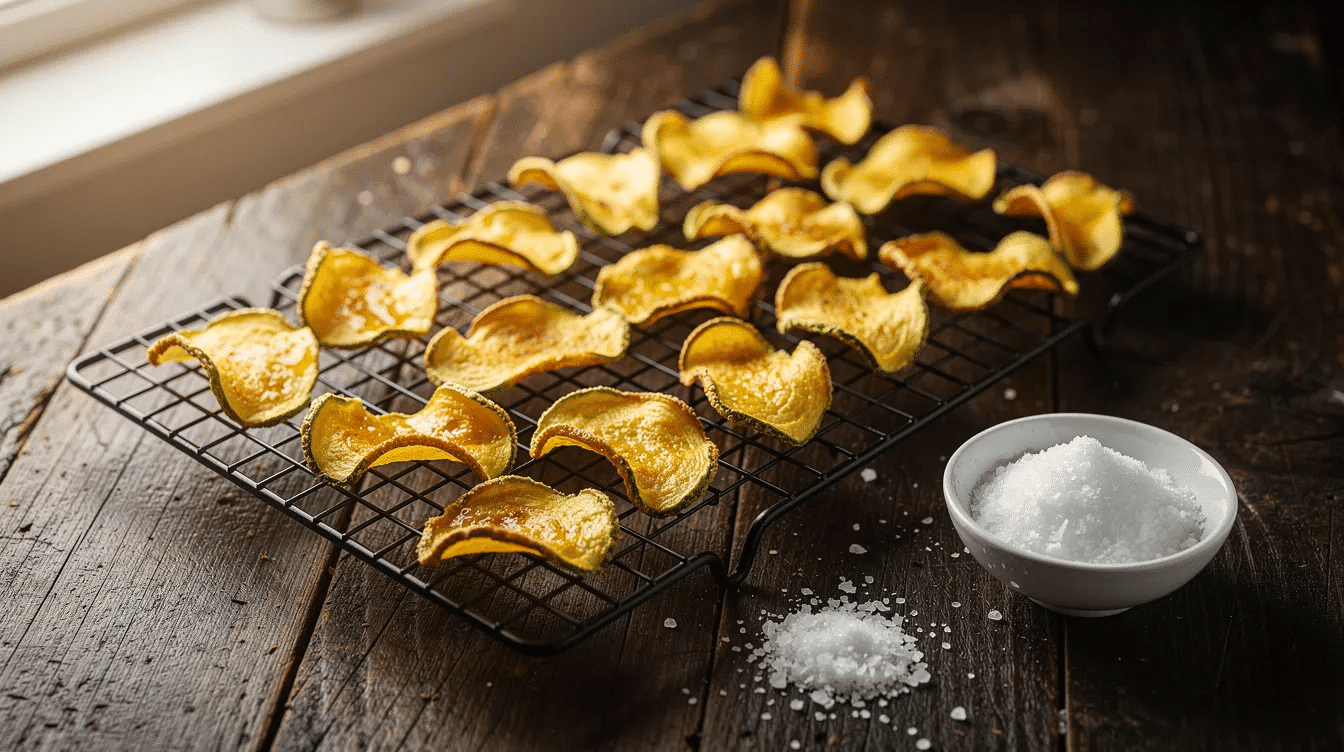
If you have jars of dehydrated squash sitting in your pantry, you already own one of the fastest snack ingredients in your kitchen. Frying dried squash turns brittle slices into golden, crispy chips in under three minutes. Here is how to do it right.
Key Takeaways
Yes, you can fry dehydrated squash. Hot oil rehydrates and crisps the slices at the same time, producing chips that cook faster and absorb less oil than fresh squash.
Dehydrated summer squash, yellow squash, and zucchini all work. Thin slices (⅛ inch) produce the crunchiest squash chips; thicker pieces stay chewier inside unless soaked first.
The basic method: soak briefly (optional), pat very dry, season or dredge, then shallow-fry in oil at 350°F until golden. Serve as a snack, over soups, or on casseroles.
Dehydrated squash is a healthy pantry staple that saves storage space. Ten pounds of fresh summer squash dries down to about 0.75 pounds.
Fried dehydrated squash can be crispy when correctly rehydrated and coated with a sturdy breading or seasoned flour.
Can You Fry Dehydrated Squash? (Short, Direct Answer)
Yes, you can fry dehydrated squash. Whether you have dried squash rounds, zucchini slices, or mixed dehydrated summer squash, they all perform well in hot oil. Crispy chips can be made from thin dehydrated squash without rehydrating at all; just drop brittle slices into a hot skillet and they brown in about 60 seconds per side.
For thicker pieces, frying dehydrated squash requires rehydration before frying to avoid a leathery center. A 5-to-10-minute soak in warm water softens the interior so the heat can crisp the outside without charring it.
The texture differs from fresh fried squash. Raw zucchini or fresh cut zucchini slices have a juicy, soft interior after frying; dried slices lean toward a chip-like crunch with a more concentrated squash flavor. Cook time drops as well. Fresh squash slices need about 3-4 minutes per side at 350°F, while dehydrated slices of the same thickness finish in 1-2 minutes total because the moisture is already gone.
Best Types of Dehydrated Squash to Fry
Most dehydrated squash varieties fry well, but shape and thickness matter more than the variety itself.
Yellow squash coins, sliced thin, produce squash chips with a slightly sweet taste and fast browning. The natural sugars caramelize quickly, so watch the heat.
Zucchini rounds are denser and greener in flavor. A medium sized zucchini, sliced into ⅛-inch coins before dehydrating, yields zucchini chips that hold their shape through frying and carry a subtle, earthy crunch.
Mixed summer squash batches (yellow and green together) give you color contrast and two flavor profiles in the same bowl. The yellow pieces brown a few seconds sooner, so pull them first if frying a combined batch.
For shapes, thin slices (⅛ inch or thinner) crisp completely. Cubes or thick pieces will have a crispy surface but a chewy center unless fully rehydrated. Winter squash varieties like butternut or acorn need extra soak time because the flesh is denser. Commercially dried or home-dehydrated chips both work, as long as they were stored in a cool, dark place and contain no residual moisture pockets.
Prepping Dehydrated Squash for Frying
Preparation ranges from zero-effort to full dredge, depending on the texture you want.
Quick-soak method: Rehydrate dehydrated squash by soaking for 15-30 minutes in warm water or light salt brine. For thin slices, 5-10 minutes is enough. The pieces should feel pliable but not mushy. This step is best for thicker slices or cubes that would burn on the outside before the center softens.
No-soak method: For ultra-crisp results, fry completely dry, brittle slices at a slightly lower heat (around 325°F) so they brown evenly without charring. This method produces a texture closer to potato chips.
After soaking, drain and pat the squash very dry with clean towels. Removing excess moisture is critical to prevent oil splatters when frying and to help any coating stick.
For pre-seasoning, toss hydrated or dry slices with a small amount of oil, salt, garlic powder, onion powder, or smoked paprika. If pieces are very thick, soak them until uniformly soft inside, then fry briefly to brown and crisp the surface.
How to Fry Dehydrated Squash: Step-By-Step
This section walks through a simple shallow-frying method; no deep-fryer needed.
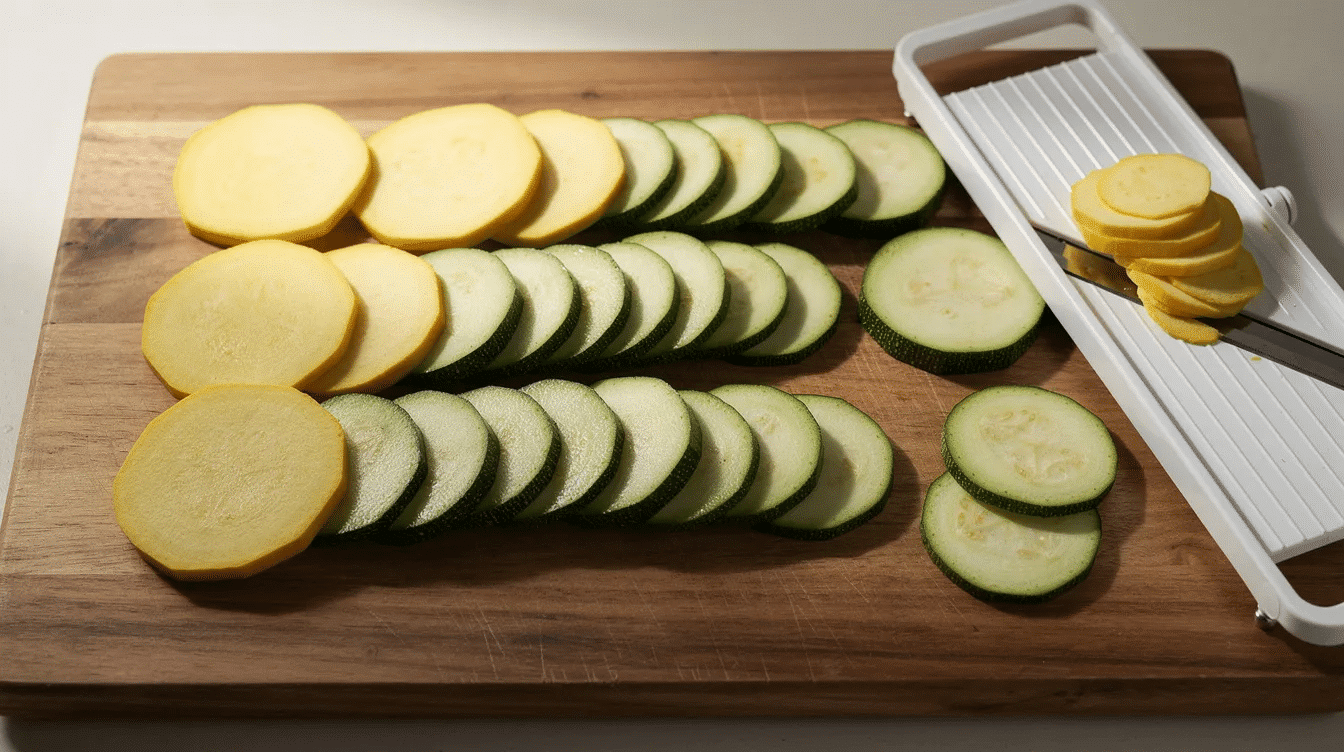
Slice size: Use dehydrated slices that were originally cut ⅛-¼ inch thick. If dehydrating fresh squash for future frying, a mandoline produces even chips every time.
Optional dredge: Dust hydrated slices in flour or cornstarch, dip in beaten egg (or plant-based milk), then coat in seasoned crumbs like panko or crushed cornflakes. A sturdy breading helps adhere to the rehydrated squash during frying. Seasoning the flour coating can enhance the flavor; try adding pepper, herbs, or a sprinkle of spicy cayenne to the mix.
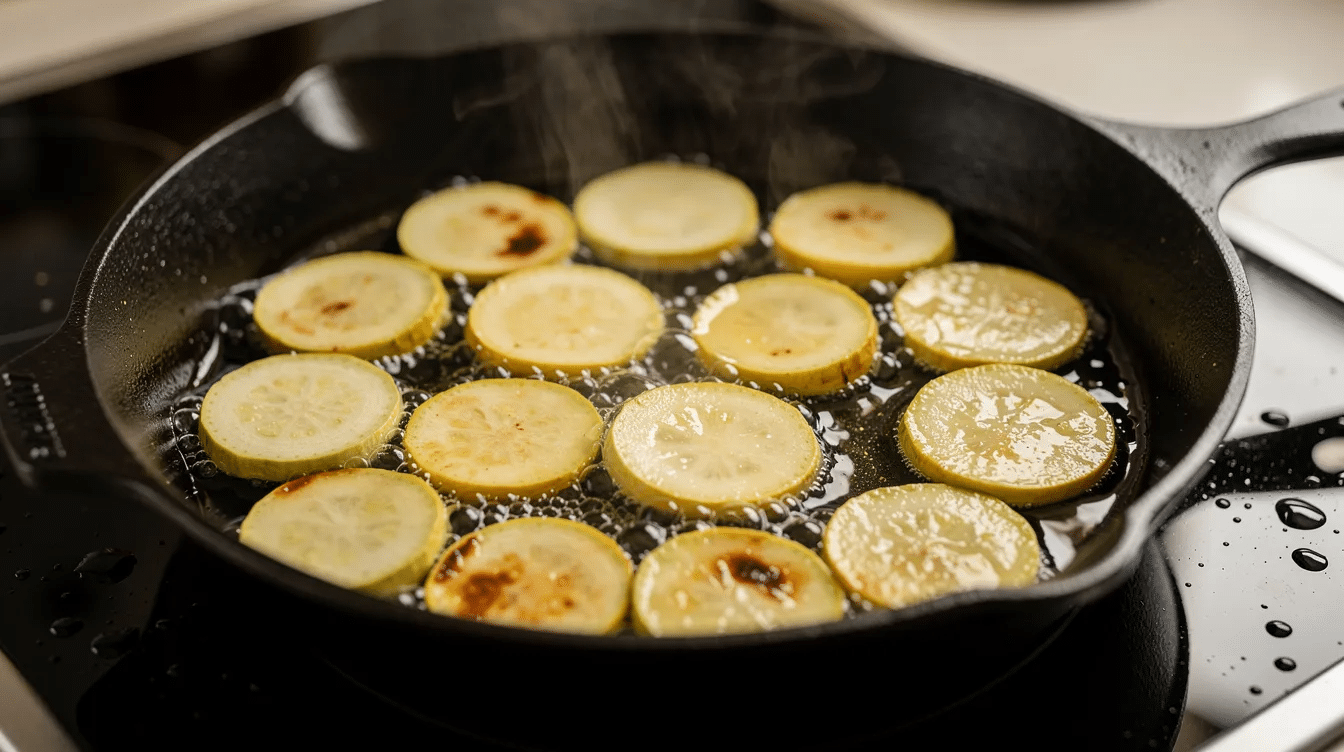
Pan setup: Heat a heavy skillet with about ¼-½ inch of high-smoke-point oil (avocado, canola, or refined olive oil) to around 350°F to 365°F. A test crumb should sizzle on contact.
Frying: Lay squash in a single layer without crowding. Cook 1-3 minutes per side depending on thickness. Flip once the edges turn golden brown. Dehydrated slices brown faster than fresh, so stay close.
Draining: Transfer fried squash to a rack or paper-towel-lined plate. Fried squash should be drained on paper towels to maintain crispness. Sprinkle immediately with fine salt or flavored seasonings while the oil is still tacky.
Un-breaded version: Toss hydrated slices in seasoned oil and fry over medium heat until edges darken. This lighter method skips the crunch but keeps the food cooked through and tasty.
Keeping the Coating Crispy (and Avoiding Soggy Fried Squash)
Soggy chips usually come from three sources: too much surface moisture, oil that is too cool, or overcrowding.
Moisture control: Pat soaked pieces dry, lightly coat in flour before egg so the breading clings, and avoid thick batters that trap steam underneath the crust.
Oil temperature: Medium to medium-high heat, around 325-350°F (165-175°C), is ideal. Below 300°F, slices absorb more oil and turn greasy. Above 375°F, the coat burns before the center warms. A study on oil absorption in fried vegetables confirms that coatings reduce oil uptake by forming a barrier against capillary penetration.
Batch size: Work in small batches so the oil stays at temperature. If the sizzling sound fades when you add slices, the pan is too crowded.
Breading adhesion: Press coating firmly onto both sides, let coated slices rest 5-10 minutes before frying, and flip only once.
Re-crisping: Leftover fried chips soften within a few hours. Place them on a baking sheet in a 250°F oven for 5-8 minutes and let them cool before serving again.
Flavor Ideas and Serving Suggestions
Fried dehydrated squash takes on seasonings well because its low moisture concentrates flavors on the surface. Here are four profiles to try:
Classic: salt and pepper, nothing more.
Salt and vinegar: toss hot chips with a splash of malt or apple cider vinegar and fine salt. Salt and vinegar dehydrated zucchini chips take about 12 hours to prepare (including dehydration time) and deliver a tangy, warm crunch.
Garlic-parmesan: dust with garlic powder and finely grated cheese while chips are still oily.
Smoky chili-lime: mix chili powder, lime zest, and a pinch of cayenne for a spicy kick.
Serving ideas: swap fried squash chips for potato chips alongside sandwiches; crumble them over creamy soups or onion gratins; pack them as a portable snack; or add them to a bowl of greens for texture. Backpackers can rehydrate and pan-fry dried squash over a camp stove to add crunch to dehydrated meals, taking advantage of the lightweight, space-saving benefits of dehydrated food. Experiment with whatever is in your pantry: taco seasoning, curry powder, ranch mix. Review recipe notes after each batch so you remember what worked.
Dehydrating Squash Specifically for Future Frying
If you plan to fry later, optimize the dehydration step now.
Thickness: Slice squash into ¼ inch thick pieces for even drying. For ultra-crisp chips, go thinner (⅛ inch). Use a mandoline to keep every piece uniform. Wash and dry the squash first, then cut zucchini or yellow squash into rounds or half-moons.
**Method: Use 10 cups of sliced summer squash per batch. Lightly salt the fresh slices, let them sit a few minutes to draw out moisture, then arrange in a single layer on dehydrator trays. If you don’t have a dehydrator, you can follow a method for dehydrating vegetables in the oven for snacks and apply the same steps to squash. Dehydrate squash at 135°F for 8-12 hours until brittle. Blanching squash before loading the dehydrator trays shortens dehydrating time by a couple of hours. Dehydrating vegetables like squash, kale, and sweet potatoes requires minimal hands-on time; the food dehydrator does the work while you handle other meals.
Conditioning: Condition dried squash by shaking it daily in a sealed container for a week. This redistributes any remaining moisture and prevents mold.
Storage: Once fully cool, store dehydrated squash in airtight jars or vacuum-sealed bags. Use an airtight container and place it in a cool, dark pantry. Dried squash can last up to a year if stored properly. Dehydrated zucchini chips last about a week once exposed to air, so keep bags sealed until you are ready to fry. Label each container with the variety, slice thickness, and date. Dehydrating vegetables also saves storage space; those 10 cups of fresh slices fit into a single jar after the dehydration process, while still offering the health and convenience benefits of dehydrated vegetables.
Safety Tips, Oil Choices, and Gluten-Free Options
Frying dehydrated squash is straightforward, but a few precautions help.
Oil choices: Neutral, high-smoke-point oils (canola, avocado, peanut, or refined olive oil) keep flavors clean and handle the heat without breaking down. Extra-virgin olive oil works for shallow frying at slightly lower temperatures.
Safety reminders:
Add squash gently to the skillet to avoid splashes.
Dehydrated pieces cook in under two minutes; never leave hot oil unattended.
Keep a lid nearby in case oil pops.
Gluten-free dredging: Replace wheat flour with cornstarch, rice flour, or a GF all-purpose blend. Use crushed cornflakes or GF cereal as the outer coat. An un-breaded version (just seasoned and fried) is naturally gluten-free and still gives a pleasant crisp texture.
Nutrition note:Dehydrating vegetables retains more nutrients than many cooking methods because lower temperatures preserve vitamins and minerals. Dehydrated vegetables nutrition shows that they can last for months or years when stored correctly, making them reliable ingredients for long term storage planning and supporting overall health. To understand broadly how dehydration affects the nutritional value of foods, it helps to consider which vitamins are heat-sensitive and how storage impacts quality. People managing sodium or oil intake can use a nonstick skillet with a thin film of oil for a pan-crisped result with less fat. A blender can also turn leftover dried squash into a powder for soups or seasoning mixes.
FAQ: Frying and Using Dehydrated Squash
Below are answers to common questions not fully covered above.
Do I have to rehydrate dehydrated squash before frying it?
Not always. Very thin, fully dried slices go straight into hot oil to make extra-crunchy squash chips. A short soak (5-10 minutes for thin slices, up to 30 minutes for cubes) is helpful for thicker pieces, giving a more tender interior and reducing the risk of burning. Try half a batch each way and decide which texture you prefer.
Can I air-fry dehydrated squash instead of pan-frying?
Air-frying works well. Lightly oil and season zucchini chips or yellow squash chips, then air-fry at about 350°F. Air-fried dried squash absorbs less oil than pan-fried but still turns crisp and browned at the edges. Shake the basket every few minutes, because dehydrated slices shift from pale to dark in seconds.
How long does fried dehydrated squash stay crispy?
Fried dehydrated squash is at its best within the first 15-30 minutes. Pieces soften within a few hours if left in an unsealed bowl. Re-crisp cooled chips in a 250°F oven or a 145°F dehydrator for 5-10 minutes, then let them cool on a rack before serving.
Can I use dehydrated squash in recipes that call for fresh fried zucchini?
You can substitute in most cases. Rehydrate slices first and fry gently so they do not over-brown before heating through. Rehydrated, fried squash works in layered casseroles, pasta bakes, and gratins. For recipes relying on very soft, raw interiors, like batter-dipped fried zucchini planks, fresh squash still gives a more classic result.
What is the difference between frying dehydrated squash and frying fresh squash?
Dehydrated squash browns faster, so lower-medium heat and close attention matter more. Dried slices start with less water and become crispier, with a more concentrated flavor. Fresh squash slices have a softer, juicier interior after frying, while fried dried squash leans toward a firm, chip-like texture. Post-fry, the dried version holds its crunch longer because less internal moisture migrates outward to soften the crust.
DannyContent Writer
Hey there, since 2016, my mission has been to provide you with the information and guides you need to make food dehydrating simple and fun. Whether you're a newbie or a seasoned pro, my site offers helpful guides, reviews, and recipes to enhance your dehydrating experience. I take pride in only recommending products I believe in, ensuring my readers' trust. As an affiliate of various programs, including Amazon Associates, your support helps me continue providing quality content. Thanks for stopping by, and happy dehydrating!