We earn a commission if you make a purchase, at no additional cost to you.
09/22/2026 04:39 pm GMT
🍊 Dehydrated Food Info Finder — Temperatures & Drying Times
Choose a category, then pick a food to see its drying temperature and time.
⚠️ Safety Disclaimer: Drying times are estimates and vary based on slice thickness, food moisture content, humidity, and your dehydrator model. Always check for doneness before storing — food should feel dry, leathery, or brittle with no moist spots. Improperly dried food can harbour mould and bacteria. For meat and poultry, follow USDA safe internal temperature guidelines: beef and pork to 160°F (71°C), poultry to 165°F (74°C). Use a food thermometer when in doubt. Store all dehydrated foods in airtight containers in a cool, dark place and discard anything showing moisture, mould, or off odours.
Can You Dehydrate Frozen Fruit? (Yes-Here’s Exactly How)
Dehydrating frozen fruit is one of the easiest ways to make healthy snacks, stock your pantry year round, and rescue those half-forgotten bags from the back of the freezer. Whether you’re working with frozen strawberries, a bulk bag of blueberries, or mixed berries you scored on sale, the process is straightforward once you understand a few key steps. This guide walks you through everything-from thawing to storing-so you can dehydrate frozen fruit with confidence.
Key Takeaways
Yes, you can dehydrate frozen fruit safely and effectively, and in many cases it actually dries faster than fresh because freezing damages cell walls, releasing moisture more readily.
Always thaw and drain frozen fruit before drying to remove excess moisture and liquid, or you’ll end up with sticky, unevenly dried pieces.
Use a food dehydrator set around 125–135°F (52–57°C) for most fruits; keep pieces in a single layer with no overlap for even drying.
Properly dehydrated fruit should feel leathery yet pliable (not wet). Condition it in jars for 5–7 days, then store it airtight in a cool, dark place.
Dehydrated fruit from frozen is perfect for snacks, baking, backpacking meals, trail mix, and favorite recipes where you’d otherwise use raisins or other dried fruit.
Can You Dehydrate Frozen Fruit? (Fast Answer)
Yes-you can absolutely dehydrate frozen fruit, and the results are often just as good as starting with fresh fruit. Store-bought bags of frozen berries, mango chunks, peach slices, and mixed fruit blends all work well in a standard food dehydrator, an oven, or a freeze dryer (though each method produces different results).
Here’s why many home preservers actually prefer starting from frozen:
Faster drying. Freezing creates ice crystals that puncture cell walls, which means moisture escapes more easily during dehydrating. Research published in Trends in Food Science & Technology confirms that freezing compromises cell membrane integrity, reducing the fruit’s water-binding capacity.
Budget-friendly. Frozen fruit is often cheaper than fresh, especially outside peak season, and you can buy in bulk year round.
Less waste. Turning freezer-burned or aging frozen food into dried fruit gives it a second life.
The key catch: you must thaw and drain off extra liquid before loading dehydrator trays, or drying times can double and texture suffers. Avoid using frozen fruit packed with sugar or syrup when dehydrating-stick to plain, unsweetened bags for best results.
Dehydrating frozen fruit is different from freeze-drying, which requires specialized equipment and produces a crispy, ultra-light texture. This article focuses on regular dehydrating at home.
Why Dehydrate Frozen Fruit Instead of Fresh?
There are three solid reasons people choose frozen over fresh berries and other fruits for dehydrating: cost, convenience, and waste reduction.
Cost and availability. Frozen blueberries, raspberries, cherries, strawberries, peaches, and pineapple are available year round use at virtually any grocery store. During winter months, frozen fruit can cost 30–50% less per pound than fresh equivalents.
Time and prep advantages. Frozen fruit can be easier to dehydrate because it’s often pre-prepared-washed, peeled, pitted, and sliced before freezing. That means less knife work for you. Even slightly frosty or freezer-burned fruit is perfectly fine for dehydrating food.
Faster drying. When ice crystals form inside fruit, they puncture cellular structure. A 2025 study on strawberries found that freezing increased cell leakage by roughly 40% and boosted the proportion of free water by about 4%. That structural damage helps frozen fruit dry faster than fresh fruit with intact skins-no extra “checking” needed for most berries.
Nutrition and storage. Dehydrated fruit retains most vitamins and minerals, plus all of the fiber. It’s also lightweight and easy to store, turning bulky frozen bags into compact shelf stable snacks that last 6–12+ months on the pantry shelf instead of taking up freezer space, and you can experiment with dehydrating many different kinds of fruit at home.
Best Types of Frozen Fruit to Dehydrate
Most frozen fruit can be dehydrated, but some varieties are easier and give better results than others.
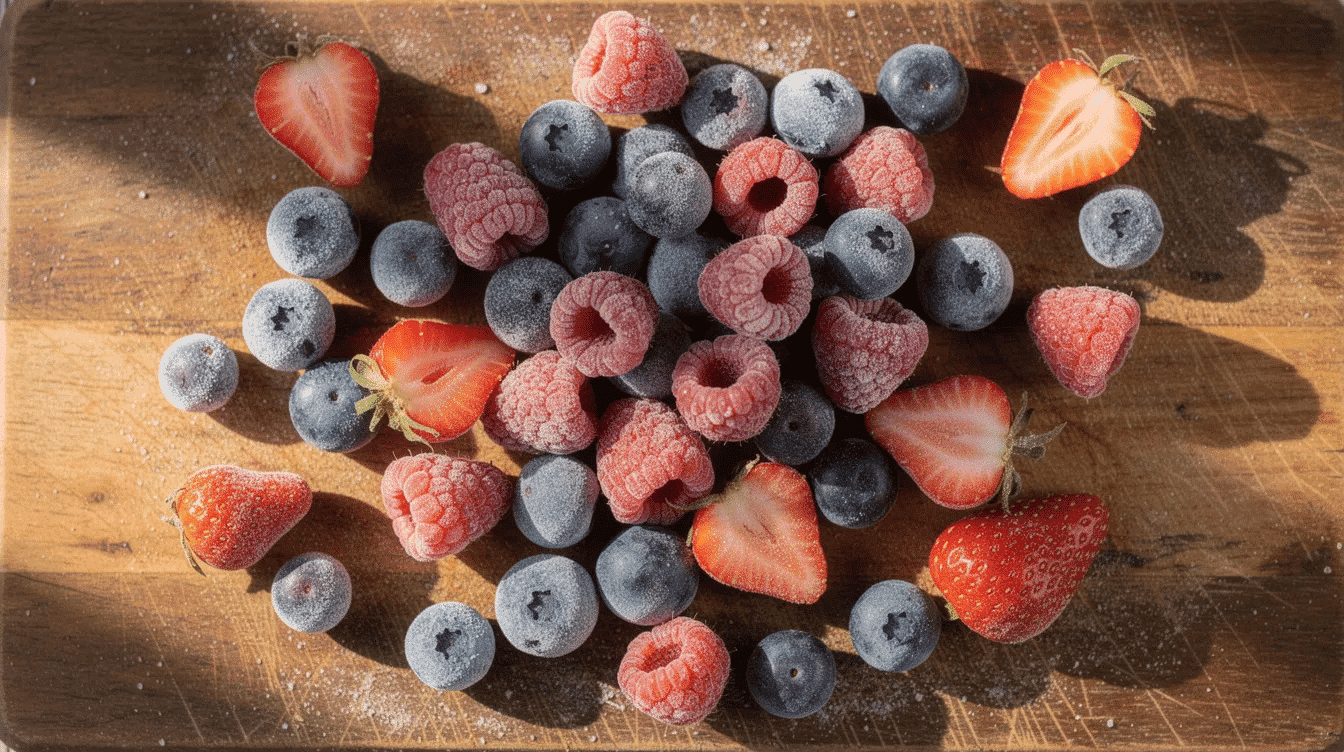
Berries (ideal for beginners) Blueberries, raspberries, blackberries, and strawberries are top choices. Dehydrating berries from frozen is especially efficient because freezing already “checks” the skins, letting moisture escape without extra scoring. Frozen blueberries dehydrate faster than fresh ones for this reason. The flavor is intense-slightly tart, concentrated-and perfect for trail mix, granola, or snacking. Fresh strawberries and fresh berries work too, but require more prep.
Stone fruits and cherries Frozen cherries (pitted and halved), peaches, nectarines, and apricots all produce chewy, almost candy-like dried fruit. Dehydrating cherries from frozen is especially rewarding because the hard work of pitting is already done.
Bananas and tropical fruit Pre-sliced frozen bananas make great chips or chewy rounds. Pineapple and mango chunks yield sweet, leathery pieces but need extra draining. You can also dehydrate bananas from fresh if you prefer and turn them into delicious dehydrated fruit snacks.
Firmer fruits Apples and pears in frozen slices dry into flexible, leathery pieces-classic dried apples are a crowd favorite for baking and snacking.
Fruits to treat with caution Very high-water fruits like watermelon, grapes, and melon shrink dramatically and often taste bland after drying. Other fruits with moderate water content tend to give a better payoff.
Equipment You’ll Need (Dehydrator, Oven, or Freeze Dryer)
A food dehydrator is the most reliable option, but there are alternatives if you don’t own one.
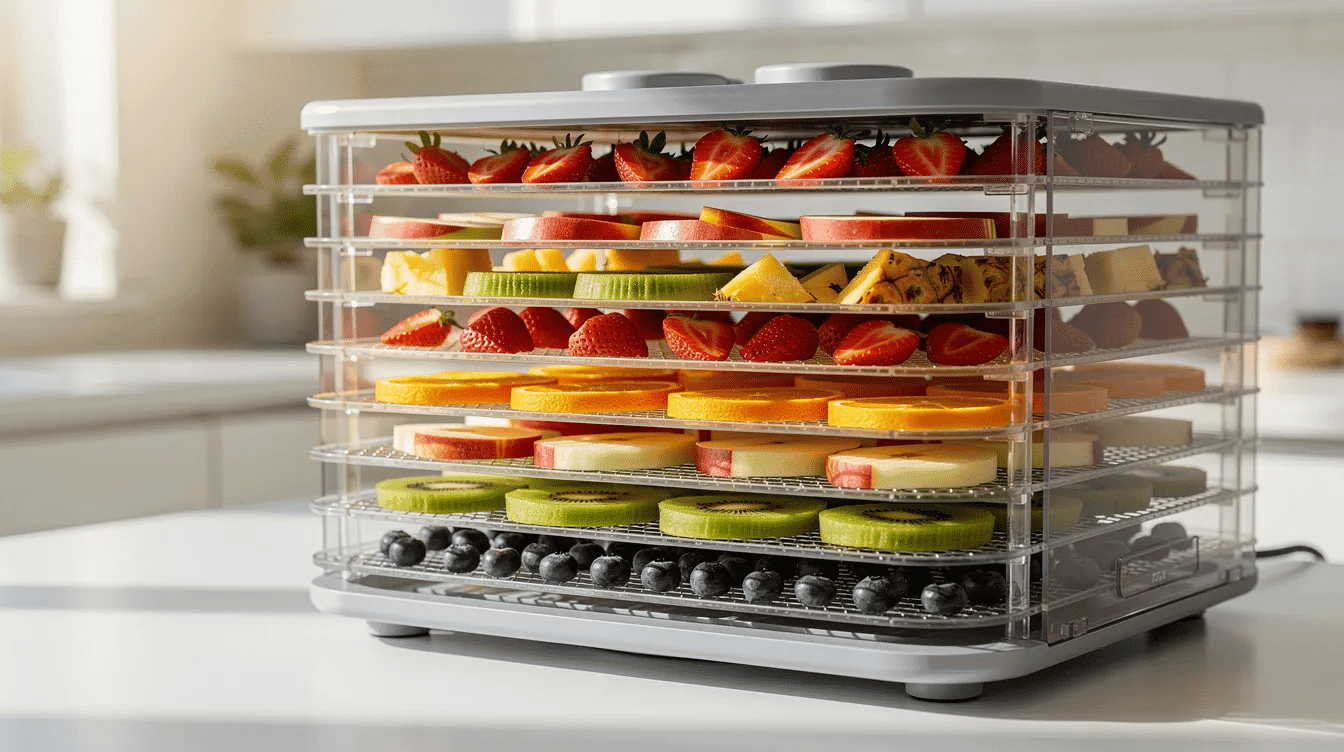
Food dehydrator (recommended) A dehydrator temperature of 125 to 135°F is optimal for drying fruits. Good airflow is essential for even drying when using a dehydrator, and most models are designed exactly for this. Stackable and box-style models both work; box-style models typically offer more consistent airflow. Using mesh liners prevents thawed fruit from sticking to dehydrator trays, especially with small berries, and a step-by-step fruit dehydrator guide can help you dial in best practices.
Oven dehydrating Ovens can work if they reach as low as 170°F (75°C). Prop the door open slightly with a wooden spoon for circulation and line trays with parchment paper. Edges tend to dry faster, so rotate trays every 1–2 hours. Plan on close monitoring.
Freeze dryer (for comparison) A freeze dryer uses sublimation to pull water out at low temperatures and vacuum pressure, creating ultra-crispy freeze dried fruit with a potential shelf life of 10–20+ years. It produces a very different texture from classic chewy dehydrated fruit and costs significantly more.
Basic accessories
Parchment paper or silicone mats
Clean kitchen towels for patting fruit dry
Colander or sieve
Mason jars, glass containers, or Mylar bags
Labels with date and fruit type
Step-by-Step: How to Dehydrate Frozen Fruit (General Method)
This is the master process for dehydrating frozen fruit. Fruit-specific adjustments follow in the next section.
Step 1 – Thaw Thaw frozen fruit in a sieve or colander set over a large bowl. Let it sit in the refrigerator for 4–8 hours, or at room temperature for 1–2 hours until no hard ice bits remain. You can also run cold water briefly over the fruit to speed thawing.
Step 2 – Drain and pat dry Let excess juice drip into the bowl below (save it for smoothies or juice). Gently pat sliced fruit or whole berries with paper towels or a clean tea towel to remove surface moisture. Don’t crush delicate pieces. Use fruit leather trays if thawed fruits become too soft during the drying process-they’ll keep mushy pieces from falling through.
Step 3 – Slice or size fruit Cut fruit into ⅛-inch to ¼-inch thick slices for even drying. Small berries can stay whole. Larger strawberries should be halved or cut into thin slices; for more detail, see how to dehydrate strawberries in a dehydrator.
Step 4 – Arrange on trays Arranging fruit in a single layer maximizes airflow during drying. Leave space between pieces-no overlapping. Use mesh inserts for berries and nonstick sheets for sticky fruit like mango.
Step 5 – Dehydrate Use a dehydrator set to 135°F for most fruits. General time window: 8–16 hours depending on fruit size, water content, and your dehydrator model.
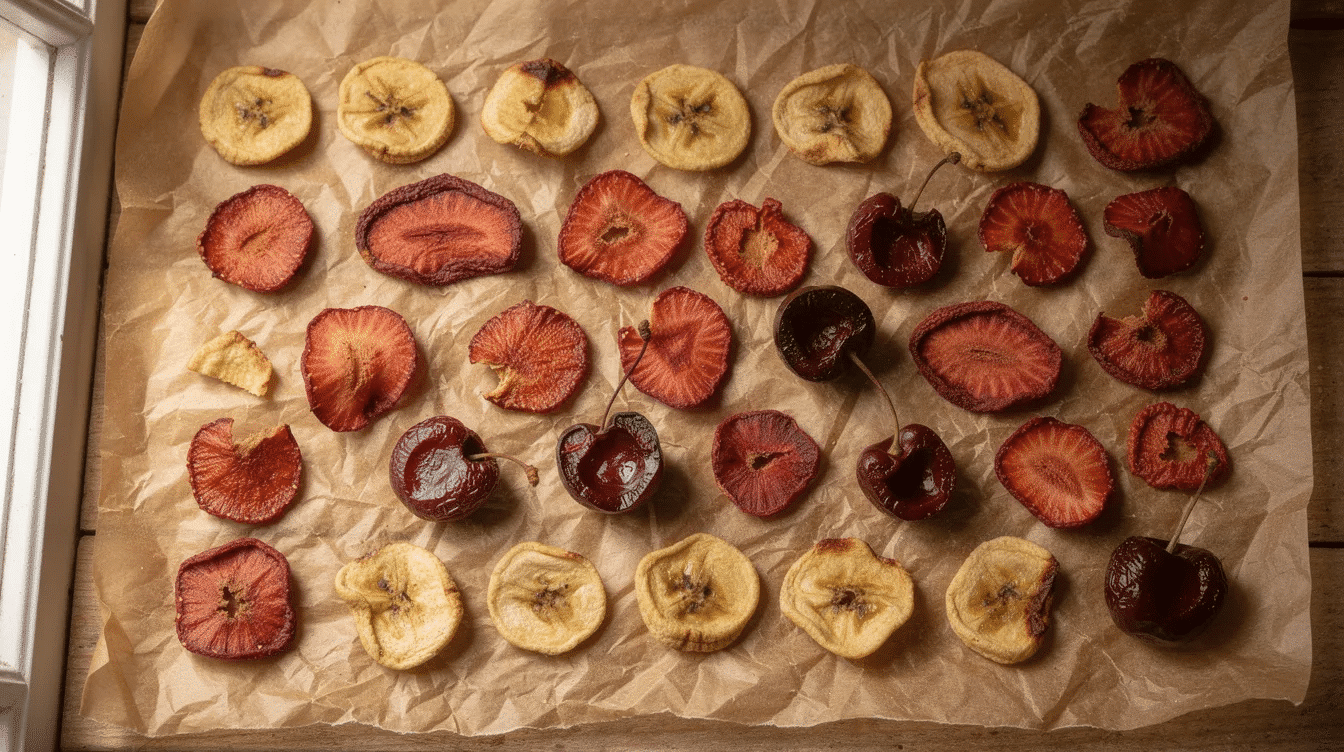
Step 6 – Test for doneness Check several pieces from the center and edges. Dehydrated fruit should feel leathery yet pliable when done-no visible moisture when you tear a piece open. If pieces still feel tacky or wet, continue drying in 1–2 hour increments.
Fruit-Specific Tips: Berries, Bananas, Cherries & Mixed Fruit
Here’s how to tailor the general method for the most popular frozen fruits.
Berries (blueberries, raspberries, blackberries, strawberries) Commercially frozen berries are already “checked” by ice crystal damage, so they usually dry in 8–14 hours at 135°F. To dehydrate blueberries, you can also check berries by piercing their skin to speed up drying if some skins are still intact. Dehydrate strawberries at 135°F for 6–8 hours when cut into thin slices. Raspberries and blackberries become light, seedy, and crunchy if dried longer-ideal for crumbling into yogurt or granola, especially when you draw on comprehensive dehydrator fruit recipes for inspiration.
Bananas Use frozen banana slices about ¼ inch thick. A quick dip in lemon juice (about 1 tablespoon per cup of water) slows browning. Similarly, dip apples and pears in lemon juice to prevent browning. Shorter drying gives chewy “banana bites”; longer drying produces crisp chips. You can also soak fruit in ascorbic acid or citric acid solution to reduce oxidation on any light-colored fruit.
Cherries Use pitted, halved frozen cherries. Blot them well-they hold more juice than most fruit. Expect 10–18 hours at 135°F. The final texture is chewy and jewel-like.
Mixed fruit blends Keep similarly sized pieces on the same tray for even drying. Separate small berries (like blueberries) from larger peach or pineapple chunks to avoid over- or under-drying some pieces.
Optional flavor boosts Toss thawed fruit lightly with a bit of sugar, cinnamon, or lemon zest before drying for special snack mixes. Note that added sugar can make pieces stickier.
Drying Temperatures, Times, and How to Know It’s Done
Time is only a guideline when dehydrating frozen fruit-texture tests are always more reliable.
Recommended temperature rangeDehydrate fruit at 135°F (57°C) for optimal results. Going much hotter risks case-hardening, where the outside dries into a crust while the inside stays wet. Penn State Extension warns that high temperatures also darken fruit and degrade flavor.
Typical drying time ranges
Fruit Type
Approximate Time
Small berries (blueberries, raspberries)
8–14 hours
Sliced strawberries, peaches, mango
8–16 hours
Bananas, cherries
10–18 hours
Apple/pear slices
6–12 hours
Dehydration time varies from 6 to 24 hours depending on fruit type and size. Well-drained fruit finishes sooner; crowded trays or very juicy fruit takes longer.
Doneness tests Bend a cooled slice-it should be leathery or pliable, not snap like a cracker (unless you want very dry chips). Cut a thick piece in half and squeeze lightly; no beads of moisture should appear.
Cool before judging Warm fruit always feels softer than it actually is. Cool samples completely for 10–15 minutes before deciding whether they’re completely dry. Always cool fruit completely before storing to prevent moisture buildup.
Signs fruit needs more time Slight tackiness, visible wet spots, or pieces that stick firmly together when pressed all mean you should continue drying in 1–2 hour increments.
Conditioning and Storing Dehydrated Frozen Fruit Safely
Even perfectly dried fruit can have uneven moisture between pieces, so conditioning and proper storage are essential to prevent mold.
Conditioning (moisture equalization) Conditioning dried fruit by shaking it in a jar can help redistribute moisture evenly. Place cooled dehydrated fruit loosely in mason jars about two-thirds full. Shake the jars once daily for 5–7 days, checking for clumping or condensation. If condensation appears, return fruit to the dehydrator for another few hours.
Short- vs. long-term storage Store dehydrated fruit in an airtight container for daily snacking. For long term storage, use vacuum sealing or pack in Mylar bags with oxygen absorbers. Mason jars are ideal for storing dehydrated fruit in moderate quantities. You can also use glass containers for visibility.
Keep everything in an air tight container in a dark, cool place-a pantry shelf, cupboard, or root cellar works well. Dehydrated fruit lasts up to one year when stored properly at room temperature. Refrigerating or freezing sealed bags can extend shelf life to 1–2 years, while selecting the best dried fruit for long term storage lets you build an emergency-ready pantry.
Labeling Mark every container with fruit type and dehydration date (e.g., “Frozen Blueberry – Dehydrated Sept 2026”).
Food safety Discard any fruit immediately if you see mold, off smells, or slimy texture. Don’t taste questionable pieces.
How Dehydrated Frozen Fruit Compares to Fresh-Dried & Freeze-Dried
Three preservation paths produce noticeably different results. Here’s how they stack up.
Flavor and texture Dehydrating frozen fruit often produces slightly softer, more collapsed pieces because cell walls are already broken. Fresh-dried fruit can have marginally brighter flavor, but the quality of the original fruit matters more than whether it was fresh or frozen. Freeze dried fruit is ultra-crispy and airy-a completely different eat experience.
Nutrients Dehydrated fruit-from fresh or frozen-retains most fiber and minerals. Vitamin C content decreases during dehydration due to heat, regardless of starting point. Freeze-dried fruit typically retains the highest percentage of delicate vitamins. Overall nutrition remains strong across methods, and understanding which nutrients are lost in dehydrated fruits can help you plan balanced snacks.
Shelf life comparison
Method
Pantry Shelf Life
With Oxygen Absorbers
Dehydrated (frozen or fresh)
~1 year
1–2 years
Freeze-dried
5+ years
10–20+ years
Practicality and cost Using frozen berries or mixed fruit from warehouse stores is budget-friendly. A basic dehydrator costs $40–$100, while a home freeze dryer runs $2,000–$5,000+.
Use cases Classic dehydrated fruit shines in trail mix, baking, and backpacking meals. Freeze-dried fruit works best in cereals, ice cream toppings, and emergency food storage. Both count as dried foods worth keeping in your pantry.
Ways to Use Dehydrated Fruit from Frozen in Everyday Cooking
Dehydrated fruit from frozen is a versatile pantry staple for everyday meals and favorite recipes alike. Dried fruit is nutrient-dense and provides long-lasting energy, making it ideal for active lifestyles.
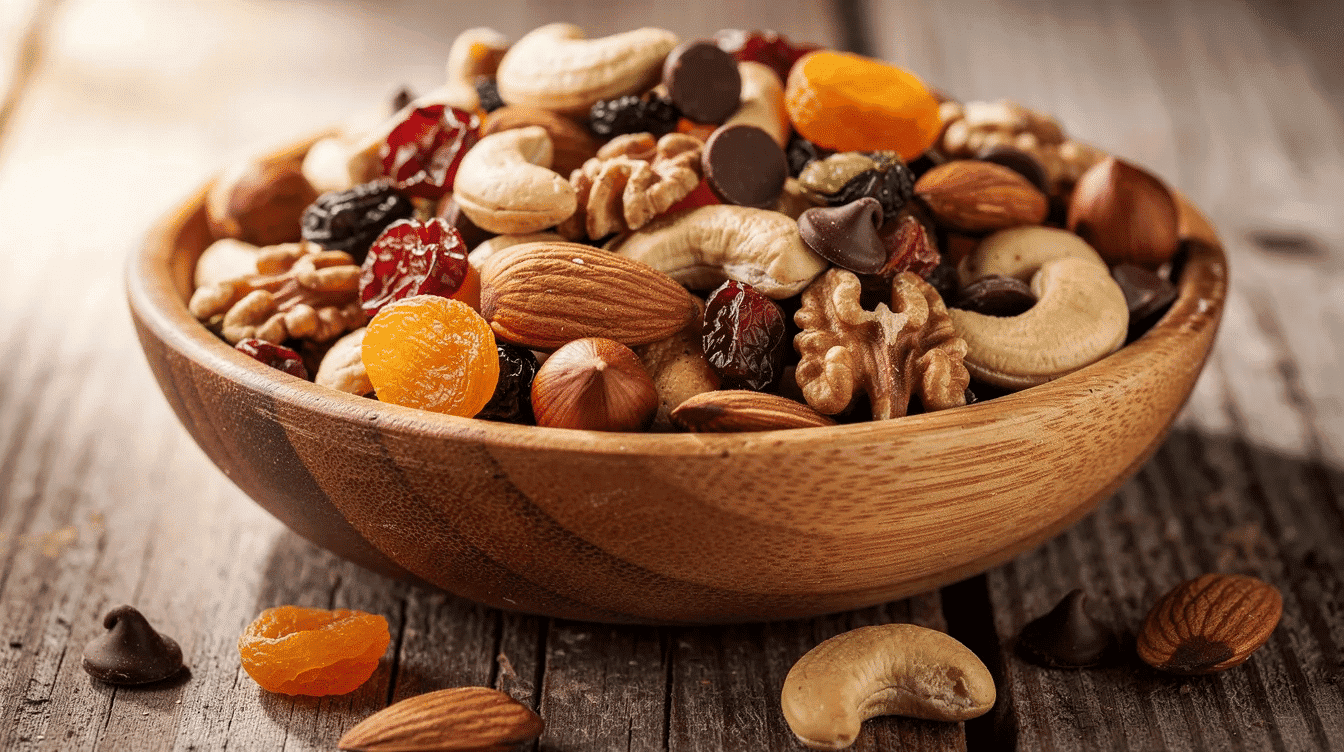
Snacks and trail food Eat dried fruit straight out of the jar, mix it with nuts and dark chocolate for trail mix, or pack it in kids’ lunchboxes. Dehydrated berries and bananas are perfect for hiking, and similar methods work wonderfully when dehydrating frozen vegetables for long‑lasting flavor to round out trail meals.
Baking and breakfast Stir dried fruit into oatmeal, overnight oats, yogurt, or cottage cheese. Use it in muffins, quick breads, granola, and homemade energy bars. Pre-soak pieces in warm water for 10–30 minutes if you want softer texture.
Savory dishes Add chopped dried cherries or apricots to grain salads, pilafs, or stuffing. Dried apples or pears work beautifully in pork or poultry dishes for a sweet contrast. You can also make fruit leathers from pureed dehydrated fruit blended with a little boiling water.
Rehydrating for recipes Soak dried fruit in warm water, juice, or even wine for 10–30 minutes before using in sauces, compotes, or sangria-style drinks.
Pantry planning Cycle through your jars by using older batches first. Build a small variety of dehydrated fruit and vegetables so you’re always ready for last-minute cooking.
Troubleshooting Common Issues When Dehydrating Frozen Fruit
Minor issues are common when you first dehydrate frozen fruit. Most are easy to fix.
Fruit won’t dry or takes very long Likely causes: not fully thawed, not well drained, trays overcrowded, temperature too low, or poor air circulation. Solutions: drain more thoroughly, cut into thinner slices, leave more space between pieces, rotate trays, and confirm your dehydrator temperature with a separate thermometer, referring to tips for common issues with food dehydrators if problems persist.
Fruit is sticky even after many hours Some stickiness is normal for very sweet fruits like mango and pineapple, but visible wet spots are not. Extend drying time at the same temperature and ensure pieces aren’t touching. Use parchment paper under sticky cut fruit.
Uneven drying Edge pieces often finish first. Rotate trays top-to-bottom, move inner pieces outward, and keep similarly sized sliced fruit on the same tray.
Fruit turns too dark or tastes “cooked” This happens when temperature is too high. Lower your setting to 125–135°F and be patient. For light-colored fruits like peaches and bananas, a citric acid or lemon juice pre-dip helps preserve color.
Mold after storage This means the fruit wasn’t completely dry or you skipped conditioning. Discard the affected batch entirely. Next time, be stricter about dryness tests and always condition in jars before committing to long term storage.
FAQ: Dehydrating Frozen Fruit
These frequently asked questions cover details not fully addressed in the sections above. Check out more posts on food preservation for additional techniques.
Do I have to thaw frozen fruit before dehydrating it?
Thawing is strongly recommended because it lets you drain off melted ice and excess moisture, which speeds drying and improves texture. Placing rock-hard frozen fruit directly in the dehydrator is possible, but it can dramatically extend drying times and cause pools of liquid on trays as the fruit thaws in place.
Should I pre-treat frozen fruit with lemon juice or other solutions?
Most commercially frozen fruit has already been treated or blanched before freezing, so additional pre-treatment is usually optional. For light-colored fruits like apples, pears, and bananas, a quick lemon-water dip (about 1 tablespoon lemon juice per cup of cold water) helps minimize browning. An ascorbic acid soak works similarly.
Can I dehydrate frozen fruit without a dehydrator?
Yes. An oven on its lowest setting works if the door is propped slightly open and trays are rotated frequently. However, air fryers and countertop grills run too hot and concentrated, leading to cooked or burnt fruit rather than evenly dried fruit. A dedicated dehydrator remains the most consistent tool.
Is dehydrated fruit from frozen as healthy as fresh fruit?
Dehydrating fruit concentrates calories and nutrients into a smaller package. Most fiber and minerals survive the process intact, though some heat-sensitive vitamins like vitamin C are partly lost. Overall, dehydrated fruit is still a nutrient-dense option with solid nutrition compared to candy or heavily processed snacks, especially when you understand the nutritional value of dehydrated foods and how processing affects vitamins and minerals.
How do I convert dehydrated fruit amounts back to “fresh” for recipes?
A simple rule of thumb: 1 cup of dried fruit often equals about 2–3 cups of the original fresh fruit once rehydrated, depending on the type. Test on a small scale by soaking ½ cup of dried fruit in warm water in a large bowl, measuring the rehydrated volume, then scaling up for your favorite recipes.
DannyContent Writer
Hey there, since 2016, my mission has been to provide you with the information and guides you need to make food dehydrating simple and fun. Whether you're a newbie or a seasoned pro, my site offers helpful guides, reviews, and recipes to enhance your dehydrating experience. I take pride in only recommending products I believe in, ensuring my readers' trust. As an affiliate of various programs, including Amazon Associates, your support helps me continue providing quality content. Thanks for stopping by, and happy dehydrating!