We earn a commission if you make a purchase, at no additional cost to you.
09/22/2026 04:39 pm GMT
🍊 Dehydrated Food Info Finder — Temperatures & Drying Times
Choose a category, then pick a food to see its drying temperature and time.
⚠️ Safety Disclaimer: Drying times are estimates and vary based on slice thickness, food moisture content, humidity, and your dehydrator model. Always check for doneness before storing — food should feel dry, leathery, or brittle with no moist spots. Improperly dried food can harbour mould and bacteria. For meat and poultry, follow USDA safe internal temperature guidelines: beef and pork to 160°F (71°C), poultry to 165°F (74°C). Use a food thermometer when in doubt. Store all dehydrated foods in airtight containers in a cool, dark place and discard anything showing moisture, mould, or off odours.
Vegetables by Season: A Month‑by‑Month Guide to Seasonal Produce
Knowing which vegetables are at their peak each month is one of the simplest ways to eat better, spend less, and cook more interesting meals. This guide breaks down seasonal produce across winter, spring, summer, and fall so you can shop smarter no matter the time of year.
Key Takeaways
Seasonal vegetables are often fresher and more flavorful because they are harvested close to consumption, which improves vegetable quality.
Buying local seasonal produce is often cheaper than imported options and supports local farmers while reducing environmental impact.
Key crops like winter squash, summer squash, sweet potatoes, green beans, and brussels sprouts each have specific peak months but can overlap across seasons.
This guide combines a month‑by‑month vegetable list with broader seasonal groupings to help with shopping and meal planning.
Examples assume temperate North America and Europe in 2026, but seasonal availability varies by climate and region.
Why Seasonal Vegetables Matter
Seasonal produce refers to vegetables grown and harvested at their natural time locally-field‑grown rather than forced in heated greenhouses or shipped across continents. Vegetables grow best during specific times of the year, and eating them in that window makes a real difference.
Flavor and nutrition: Seasonal produce retains more nutrients than out‑of‑season options. Eating seasonal produce can enhance flavor and taste because crops picked at peak ripeness accumulate more sugars and vitamins. According to the American Heart Association, in‑season produce tends to have higher antioxidant content and less nutrient degradation.
Cost and sustainability: Prices drop when supply is abundant, and fewer food miles mean lower energy costs for transport and storage.
Year‑round staples still have a peak: Vegetables like carrots, cabbage, and potatoes are available much of the year, but they still have a true harvest window when quality is highest.
This guide focuses on vegetables, but fruits like strawberries, peaches, and apples get brief mentions where they pair naturally with seasonal cooking.
How to Use a Month‑by‑Month Vegetable Calendar
You can skim to the season you’re in right now, or use the full calendar as a planning tool for upcoming months.
Weather in a given year-a cold spring, a hot autumn-can shift harvest dates by a few weeks. Keep an eye on local conditions rather than treating any calendar as absolute.
This calendar assumes a temperate climate (Mid‑Atlantic US, Midwest, or Western Europe). Readers in warmer zones will see longer warm‑season harvests.
Many vegetables can be found for much of the year due to staggered growing regions. Green beans, for example, might appear as early as May in warmer areas but peak June through August in most regions.
Plan to preserve during peak months: blanch and freeze excess green beans, roast and freeze winter squash puree, or cure sweet potatoes for long storage, using reliable vegetable dehydrator machines when you want compact, shelf‑stable ingredients.
Winter Vegetables (December–February)
Winter vegetables are hearty, calorie‑dense, and built for storage. This is the season of roots, brassicas, and long‑keeping crops.
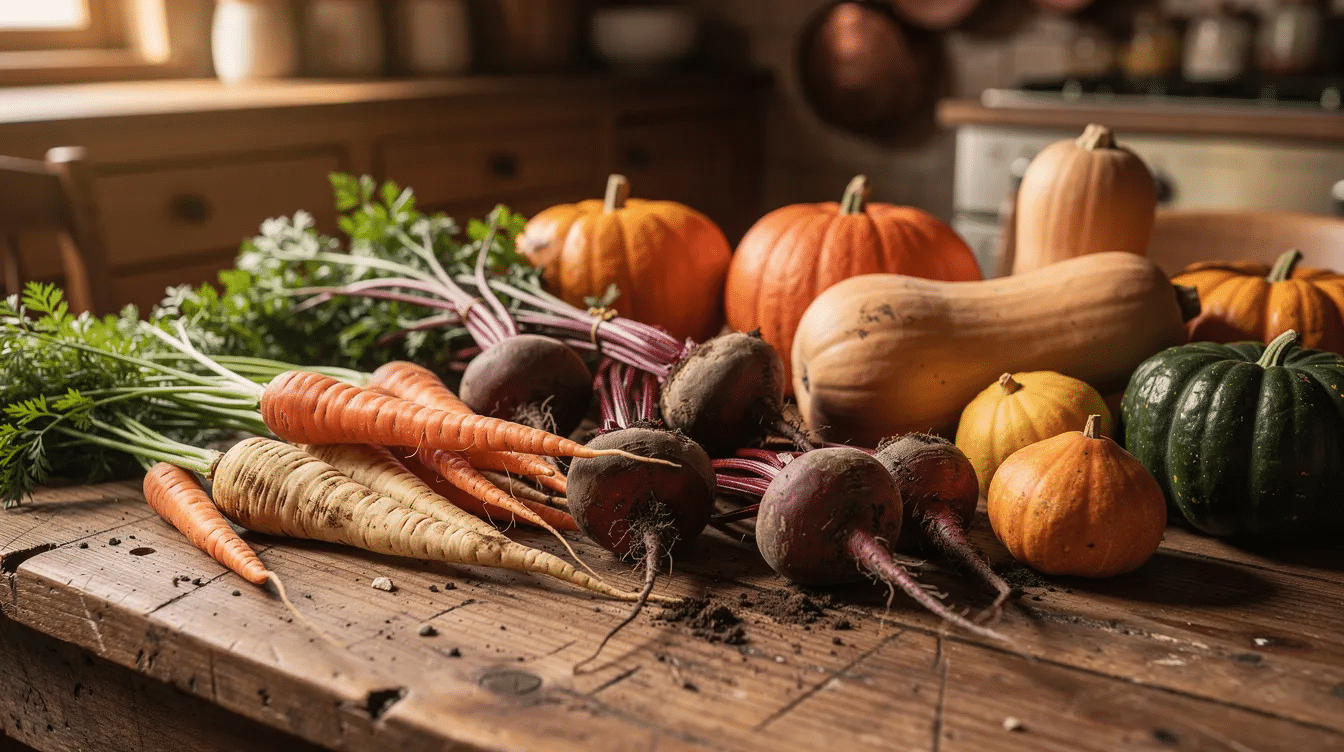
Roots and tubers: Winter squash (butternut, acorn, kabocha, spaghetti) is available from november to december onward. Sweet potatoes, carrots, beets, parsnips, turnips, rutabaga, celeriac, and regular potatoes round out the pantry.
Cruciferous vegetables and greens: Kale, collard greens, brussels sprouts, cabbage, leeks, onions, and stored garlic dominate. Brussels sprouts are in season during january and february, often at their sweetest because frost can improve some vegetables by converting starches into sugars. Cool weather makes greens sweet and crisp, not bitter. A 2026 study in Nature confirmed that frost exposure before harvest increased vitamin levels in cabbage and carrots.
Storage reality: Storage crops can remain available for months after harvest. Many winter vegetables are actually harvested in late fall but held under controlled conditions-yet still taste fully in season all winter.
Serving ideas: Roasted sheet pans of brussels sprouts and carrots, mashed sweet potatoes with a touch of cream and ginger, or savory soups with winter squash and leeks. Pair with chestnuts or honey for a rich finish. Oranges and pears make bright accompaniments at the winter table, and incorporating dehydrated vegetables nutrition into pantry staples can help you keep winter cooking both convenient and wholesome.
Spring Vegetables (March–May)
Spring is the reawakening-tender, fast‑growing vegetables replace the heavy roots of winter.
March: First flush of leafy greens arrives: spinach, Swiss chard, arugula, and lettuce mixes, plus early asparagus, radishes, spring onions, rhubarb, and overwintered kale. Spring vegetables include asparagus and radishes in april and beyond.
April: Peas (snap peas, snow peas, shelling peas) come on strong alongside more robust asparagus, baby carrots and beets, and early herbs like parsley, chives, and cilantro. Cherries and strawberries start to appear on the fruit side.
May: The bridge into early summer brings small new potatoes, early green beans in warmer zones, tender broccoli and cauliflower, and the first young summer squash in mild climates. Mushrooms and celery fill market stalls.
Cooking approach: Quick sautéed asparagus, raw shredded cabbage and radish salads with a tangy dressing, and lightly steamed peas with herbs keep spring meals refreshing and delicious; you can also preserve spring flavors like rhubarb by learning how to dehydrate rhubarb for use later in the year.
Summer Vegetables (June–August)
Summer is peak abundance. Hot sun builds high natural sugars in summer crops, and warm growing conditions push harvests into overdrive. Summer offers warm‑weather vine crops alongside classic garden staples.
June: Green beans hit their stride, joined by broccoli, cucumbers, early tomatoes, fresh garlic, baby beets, and carrots. The Penn State harvest calendar shows beans arriving by late june across temperate zones. Raspberries and berries start the fruit season.
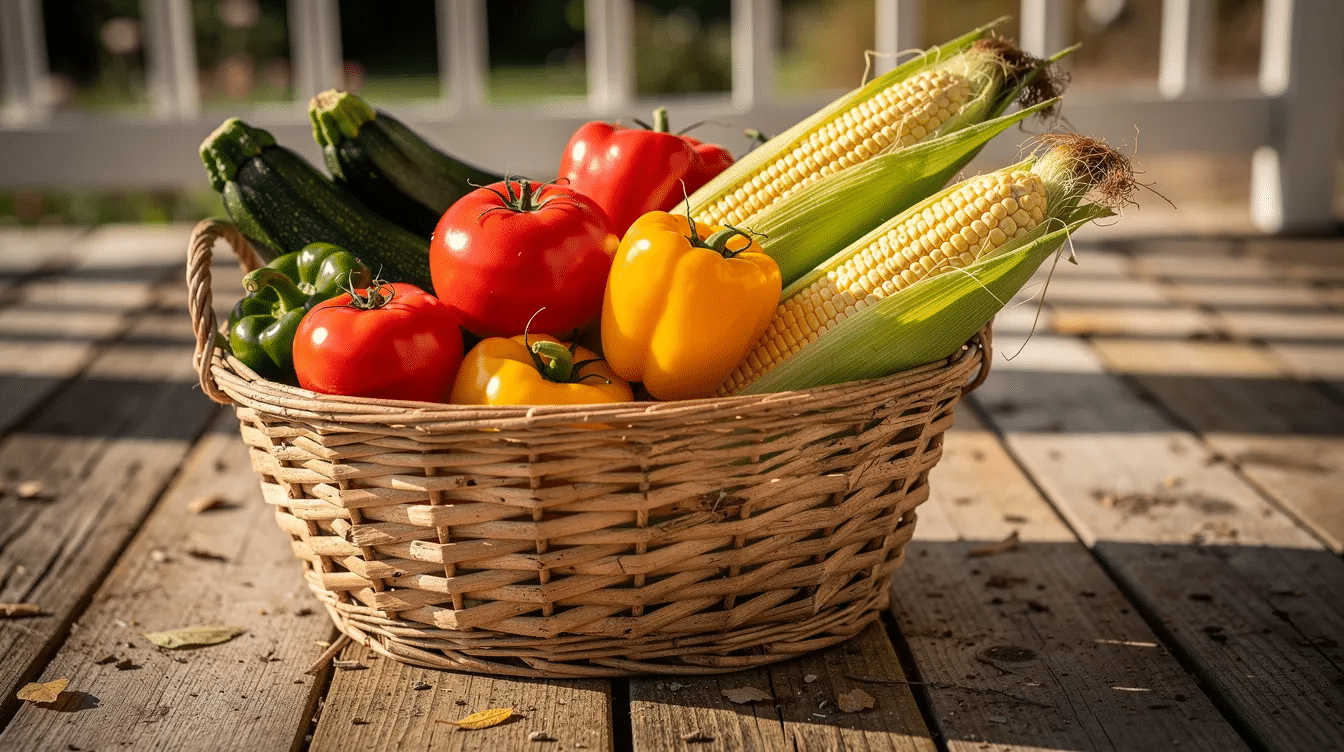
July: The classic summer season lineup: tomatoes of all kinds, bell peppers and chili peppers, sweet corn, eggplant, okra, and multiple types of summer squash (zucchini, yellow squash, pattypan). Summer vegetables like zucchini and corn peak in july. Watermelon, melons, peaches, plums, and grapes are the fruits of the moment.
August: Summer squash, green beans, cucumbers, and tomatoes are at full flood. Warm nights intensify flavor in peppers and eggplant.
Summer vs. winter squash: Summer squash have thin, edible skins and are eaten fresh, while winter squash are matured longer with hard rinds designed for storage.
Meal ideas: Grilled zucchini and peppers, bright green bean salads, ratatouille, and corn and tomato salsa-minimal cooking preserves the fresh, delicious taste, while the best vegetables for food dehydration can be turned into lightweight snacks or soup starters for later seasons.
Fall Vegetables (September–November)
Fall is the crossover season where late‑summer produce overlaps with storage crops and winter roots. Abrupt temperature changes can affect vegetable sweetness and bitterness, often for the better in cold‑hardy crops.
September: Winter squash season begins (acorn, delicata, spaghetti squash) while tomatoes, green beans, and summer squash may still arrive strong. Fall vegetables include pumpkins and kale in september. Apples and pears dominate the fruit side.
October: The shift toward heartier vegetables: more winter squash varieties, sweet potatoes dug in late september through october, potatoes, cabbage, cauliflower, and the first good brussels sprouts.
November: Full cool‑season harvests of leeks, parsnips, rutabaga, turnips, stored onions, and garlic. Winter squash is available from november to december and beyond.
Storage window: Fall is the ideal time to buy and cure sweet potatoes, cellar winter squash, and stock up on onions for winter soups, or dehydrate frozen surplus using the best ways to dehydrate frozen vegetables so they stay shelf‑stable well past their fresh season.
Recipe directions: Sheet‑pan dinners with brussels sprouts and sweet potatoes, stuffed winter squash, and hearty vegetable stews with a savory, rich depth.
Month‑by‑Month Highlights for Key Vegetables
Here’s a quick‑reference table for five commonly asked‑about vegetables and their typical availability in temperate zones.
Vegetable
First Harvest
Peak Months
Storage/Last Available
Winter squash
September
September–October
Stores through March
Summer squash
Late May–June
June–August
Early September
Sweet potatoes
Late September
October–November
Through winter if cured
Green beans
Late May–June
June–August
Fall crop possible in mild zones
Brussels sprouts
October
October–December
Through January–February
Harvesting close to consumption improves vegetable quality, so buying these crops near their peak months delivers the best results.
Practical Tips for Shopping, Storing, and Cooking Seasonal Vegetables
Turning seasonal knowledge into everyday decisions starts at the market.
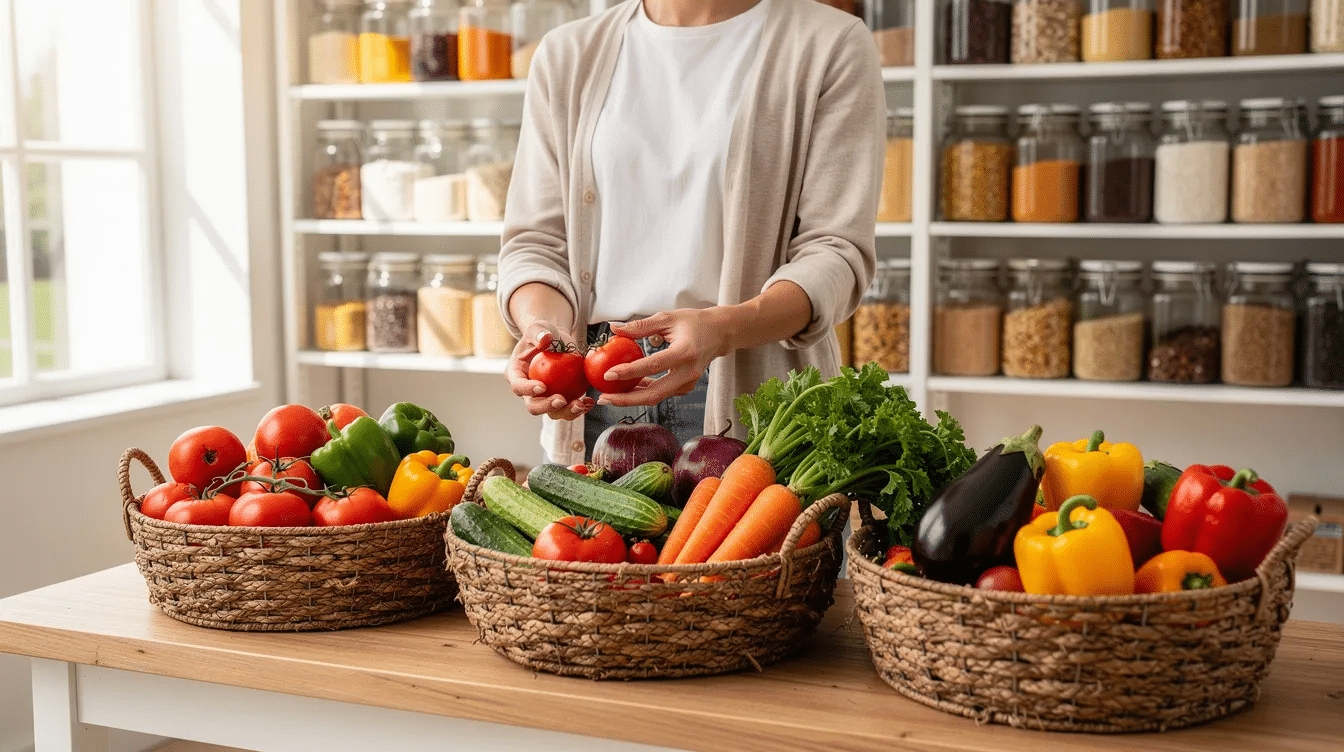
Shopping cues: Look for firm, heavy winter squash with intact skin; crisp, bright green beans that snap cleanly; and compact brussels sprouts without yellowing leaves. Avoid sweet potatoes with cracks or soft spots.
Storage basics: Keep winter squash, potatoes, and sweet potatoes in cool, dark, dry places (55–60°F). Store leafy greens in perforated bags in the fridge. Use summer squash within a few days due to its high water content.
Batch cooking: Roast big trays of mixed fall and winter vegetables, blanch and freeze excess green beans or summer squash, and make purees from roasted winter squash and sweet potatoes for later use; pairing these with the best dried fruit for long term storage helps build a well‑rounded, seasonally stocked pantry.
Budget strategy: Buy more of what’s abundant and cheap that month, then build weekly menus around those vegetables. Seasonal eating is the simplest path to both better produce and a lighter grocery bill.
FAQ: Common Questions About Vegetables by Season
Below are answers to questions that come up often when people start paying closer attention to seasonal eating.
Are “local” seasonal vegetables always better than imported ones?
Local, in‑season vegetables are usually fresher and lower‑impact, but quality varies. A well‑handled imported tomato in december may still beat a poorly stored local one. Supporting nearby farms keeps regional food systems resilient, yet it’s perfectly fine to rely on imports for variety outside peak months.
How do greenhouses and controlled environments change the seasons?
Heated greenhouses, hoop houses, and hydroponic systems can offer tomatoes, leafy greens, and herbs almost year‑round, blurring traditional seasons. This guide focuses on field‑grown timing, but greenhouse produce can serve as a useful bridge in early spring or deep winter when outdoor harvests are thin.
Can I still eat “out‑of‑season” vegetables if I care about sustainability?
Sustainability is a spectrum. Choosing mostly seasonal, local vegetables and supplementing with a few out‑of‑season items is still a major improvement. Frozen vegetables like green beans, peas, or sweet corn packed at peak season are a lower‑waste alternative to fresh air‑freighted produce.
What’s the best way to learn my exact local seasons?
Check regional agricultural extension charts, visit local farmers markets, and look up state or provincial agriculture websites for location‑specific calendars. Pay attention over a full year to when items first appear and disappear at your market-that pattern is your real‑world seasonal guide.
DannyContent Writer
Hey there, since 2016, my mission has been to provide you with the information and guides you need to make food dehydrating simple and fun. Whether you're a newbie or a seasoned pro, my site offers helpful guides, reviews, and recipes to enhance your dehydrating experience. I take pride in only recommending products I believe in, ensuring my readers' trust. As an affiliate of various programs, including Amazon Associates, your support helps me continue providing quality content. Thanks for stopping by, and happy dehydrating!