
How to Dehydrate Blueberries: The Only Guide You’ll Need

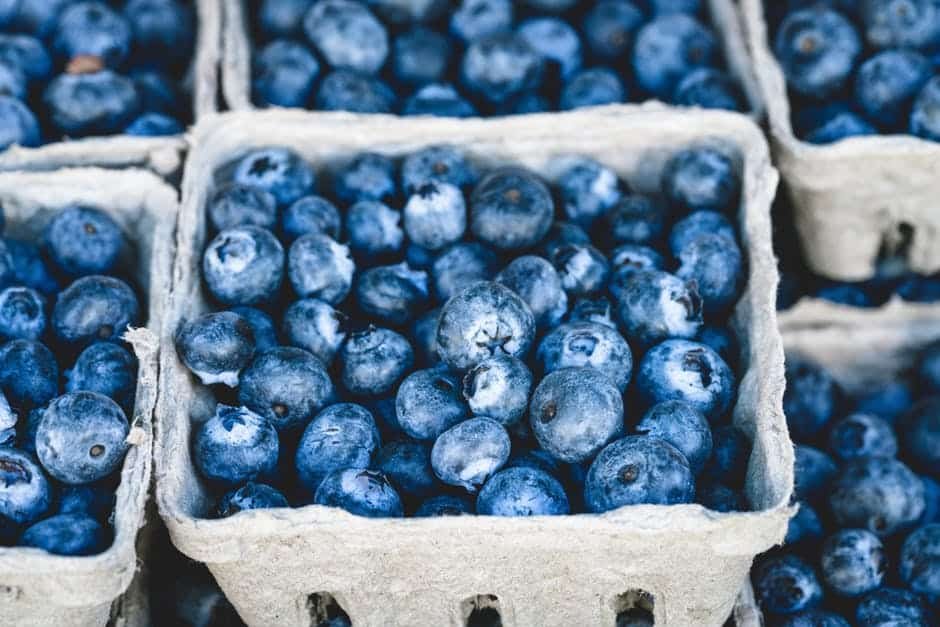
Blueberries are a tasty fruit that many look forward to purchasing in midsummer. Find out how to dehydrate blueberries in this article, as well as how to store them and what to use them in. This guide is for home cooks and anyone interested in preserving blueberries for year-round use.
Not only are they delicious, but they also have several health benefits, such as help with blood pressure and heart health. They’re also packed with vitamin C and K, which are great for your immune system and blood clotting.
But even though fresh blueberries are delicious, you may have some issues. Either you miss their taste during the offseason, or you can’t eat them quickly enough when they’re in season, leaving you with rotten fruit.
A solution? Fruit dehydration
By dehydrating your blueberries, you can make them last much longer than when fresh. Dehydrated blueberries are a great example of dehydrated foods, which are preserved by removing moisture to extend shelf life and prevent spoilage. This is because all the moisture is taken out of the fruit, which significantly slows down the rate of deterioration.
You can dehydrate them in three ways: by using a dehydrator, oven, or sun. Here are the three different ways to dry blueberries and the steps involved. For the oven method, use a baking sheet lined with parchment paper to evenly spread the berries before drying.
| Recipe Name | Dehydrated Blueberries |
|---|---|
| Ingredients | Fresh or frozen blueberries |
| Preparation | 1. Wash blueberries thoroughly with cold water. |
| 2. Remove unwanted berries and stems. | |
| 3. Blanch in boiling water for 30-60 seconds to crack skins. | |
| 4. Pat dry with paper towels. | |
| Method | Dehydrator: |
| – Spread blueberries in a single layer on dehydrator trays. | |
| – Set temperature to 135°F (57°C). | |
| – Dehydrate for 8-18 hours until leathery and slightly pliable. | |
| Oven: | |
| – Spread blueberries on a baking sheet lined with parchment paper. | |
| – Set oven to lowest temperature (140-150°F). | |
| – Keep oven door slightly ajar for air circulation. | |
| – Dehydrate for 10-15 hours, checking regularly. | |
| Sun drying: | |
| – Spread blueberries under direct sunlight in a protected area. | |
| – Dry for 3-4 days, bringing inside at night. | |
| Storage | – Let blueberries cool completely to room temperature. |
| – Store in airtight container (e.g., glass canning jar). | |
| – Keep in a cool, dark place away from direct sunlight. | |
| – Shake jar occasionally during storage to prevent clumping. | |
| Uses | – Snack on as is. |
| – Add to granola, trail mix, cereals, baked goods (muffins, pancakes). | |
| – Use in sauces, dressings, or blueberry powder. | |
| Shelf Life | Up to 6 months when stored properly. |
- Why Dehydrate Fresh Blueberries?
- Choosing the Right Blueberries
- Preparing Blueberries for Dehydration
- Dehydrating Methods
- Dehydration Time and Temperature
- How to Store Dehydrated Blueberries in an Airtight Container
- How Long Will My Dehydrated Blueberries Last?
- Health Benefits of Dehydrated Blueberries
- How to Use Dehydrated Blueberries
- Making Blueberry Powder from Dehydrated Blueberries
- Common Mistakes to Avoid When Dehydrating Blueberries
- Troubleshooting Dehydration Issues
- Use My Dehydrated Blueberries Recipe for Delicious Treats
Why Dehydrate Fresh Blueberries?

Dehydrating fresh blueberries is a fantastic way to preserve their nutritional value and delicious flavor for an extended period. Fresh blueberries are highly perishable and have a short shelf life, which can be frustrating if you can’t consume them quickly enough. By dehydrating blueberries, you can enjoy their sweet taste and health benefits all year round. Dehydrated blueberries can be stored for up to six months in an airtight container, making them a convenient addition to your pantry. Plus, the dehydration process concentrates their flavor and nutrients, turning them into a healthier and more intense snack option.
Choosing the Right Blueberries
When it comes to dehydrating blueberries, selecting the right ones is crucial for the best results. Look for fresh, plump, and firm blueberries without any signs of mold or spoilage. Remove any unwanted berries, such as those that are damaged or spoiled, to ensure only the best quality berries are used. These qualities ensure that your dehydrated blueberries will have the best texture and flavor. While you can also use frozen blueberries for dehydration, fresh blueberries are generally preferred because they tend to retain a better texture. If you decide to use frozen blueberries, make sure to thaw them completely before starting the dehydration process to ensure even drying.
Preparing Blueberries for Dehydration

Proper preparation is key to successful dehydration. Start by gently washing blueberries with cold water to remove any dirt or debris. After washing, pat them dry with a clean towel or paper towels to eliminate excess moisture. Blueberries have a tough, waxy skin that traps moisture inside, so cracking the skin by blanching or freezing helps ensure even dehydration. To address this, blanch the blueberries by briefly immersing them in boiling water for 30–60 seconds. Blanching helps to crack their waxy skin, allowing for better moisture removal during dehydration. This step is similar to how cranberries are prepared for drying—both fruits benefit from washing, blanching, and drying until leathery for preservation.
Essential preparation steps for dehydrating blueberries include washing, blanching to crack skins, and drying for 10–18 hours until leathery. Proper preparation ensures quick, even drying without losing nutritional value.
Once your blueberries are clean and prepped, you’re ready to choose a dehydration method.
Dehydrating Methods
There are several methods to dehydrate blueberries, each with its own advantages. Using a dehydrator is the most convenient and efficient method, as it allows for even drying and precise temperature control. If you don’t have a dehydrator, you can use your oven set to the lowest temperature or an air fryer on a low setting. Both alternatives can effectively dehydrate blueberries, though they may require more frequent monitoring to prevent over-drying or burning. Regardless of the method you choose, ensure that the blueberries are spread out in a single layer for even dehydration.
Using a Dehydrator Tray

The dehydrator is the best method for drying blueberries, since it is specifically made for this purpose.
First, thoroughly wash all your blueberries. You can skip drying them, but this will make the entire process take longer. We suggest taking the extra step to dry each blueberry off.
You can make the dehydrating process even quicker if you poke holes in each blueberry. Or, you can dip them into boiling water so they crack.
Before you set your blueberries in the dehydrator trays, go through each one and remove any stems. You can do this while drying them off.
Do note that if you’re using frozen blueberries, you won’t have to do any of the above since they’re ready to go.
Make sure all the blueberries are in single layers on the trays. It’s ok if some of them are touching. Use the solid trays so none of the fruit falls through when they shrivel up.
Set your dehydrator’s temperature on 115 degrees Fahrenheit, then let it do its job for anywhere between 8 to 18 hours.
Start checking their “doneness” around 8 hours. You’ll know the blueberries are fully dehydrated when you can barely squeeze them. You can also taste a few along the way to see if there’s any moisture left inside.
Using an Oven
If you don’t have a dehydrator, you can still make dehydrated blueberries. To make them using an oven, you’ll follow all the steps above.
However, when you get to the tray part, use a baking pan with parchment paper on top. Using a baking sheet ensures even drying and prevents the blueberries from sticking. Set your oven to 225 degrees Fahrenheit and put the blueberries in for about 3 hours. A conventional oven should be set to its lowest temperature, typically 140-150°F, for dehydrating blueberries. Air circulation is important during the dehydration process, so keep the oven door slightly ajar to help promote even drying.
Once they’re leathery, take the tray out and leave them to cool. Then, you can store the blueberries.
Note that while this method is faster than using a dehydrator, it has its flaws. For one, your blueberries can quickly burn if you don’t watch them closely enough. Also, you can’t go straight to storing them; wait a bit for them to cool down.
Using the Sun
This method doesn’t cost you any money, but it takes the longest to do out of all three methods.
Prepare your blueberries, then set them out in the sun. You’ll need at least 100-degree heat for 3 to 4 days in a row.
In addition, you need to keep an eye out for greedy birds. A good way to protect your berries is to use netting.
Bring in your blueberries during the night, then set them back out when you wake.
Dehydration Time and Temperature
The time and temperature needed for dehydrating blueberries will vary depending on the method you choose. Here are some general guidelines to follow:
- Food Dehydrator: A
food dehydrator operates most efficiently at 130-135°F (54°C – 57°C). Dehydrate for 12-18 hours. - Oven: Set the temperature between 150°F and 200°F (65°C – 90°C) and dehydrate for 10-15 hours.
- Air Fryer: Set the temperature between 135°F and 155°F (57°C – 68°C) and dehydrate for 6-12 hours.
It’s essential to monitor the blueberries’ dryness and adjust the time and temperature as needed. You can check for dryness by cutting into a blueberry; if it’s still moist inside, it needs more drying time. This helps assess the water content and ensures the berries are fully dehydrated. Berries should be leathery, shriveled, and not sticky when fully dehydrated. This careful monitoring ensures that your dehydrated blueberries are perfectly preserved and ready to enjoy.
How to Store Dehydrated Blueberries in an Airtight Container
Once you’re done dehydrating your blueberries, take the tray out and let the berries cool completely to room temperature before packing them into storage containers. This step is important to prevent condensation and spoilage.
Conditioning
Conditioning dried blueberries involves storing them in a too-large container and shaking it daily to check for moisture. This process helps distribute any remaining moisture and allows you to check for signs of moisture. Conditioning involves checking the stored berries for any signs of moisture for a week after dehydrating.
Checking for Moisture
Watch the sealed containers for the first few days for any sign of condensation. If condensation occurs, dehydrate the berries a bit more. If you begin to see moisture on the berries or jar, put them back into the dehydrator to dry more.
Storage Tips
For proper storage, use a tightly sealed container, such as a Mason jar, to prevent moisture ingress and prolong the shelf life of your dehydrated blueberries. An alternative is a ziplock bag, but those may allow for some oxygen to get in, which may contribute to quicker deterioration. Label the jar with the name of the product and the date.
If possible, place them in the refrigerator and/or freezer. This will help them stay good for longer.
How Long Will My Dehydrated Blueberries Last?
When it comes to dehydrated blueberries, if you store them in the right conditions, they can last for years. The key is to make sure the container is airtight and there’s as little moisture as inside.
You’ll get the best results by using a dehydrator. Stretch out the shelf life by freezing them, as low temperatures will help with preservation.
As you can see, dehydrating blueberries can be a cost-effective way of always having blueberries on hand. This is especially beneficial if you always find yourself rotting blueberries in the fridge when you buy them fresh.
This way, you can stretch one basket of blueberries over a long span of time, which ensures you get every penny’s worth out of it.
Health Benefits of Dehydrated Blueberries
Dehydrated blueberries are more than just a tasty treat—they’re a powerhouse of nutrition that you can enjoy any time of year. When you dehydrate fresh blueberries, you’re preserving their natural antioxidants, fiber, and essential vitamins and minerals, making them a fantastic way to boost your diet. The dehydration process helps lock in these nutrients, so you can snack on blueberries that are just as beneficial as their fresh counterparts. Regularly eating dehydrated blueberries may help support heart health, reduce the risk of chronic diseases, and aid in digestion thanks to their high fiber content. Plus, they’re low in calories, making them a smart choice for anyone looking to maintain a healthy lifestyle. For the best results, always store your dried blueberries in an airtight container in a cool, dark place—this helps preserve their nutrients and keeps them fresh for months. Whether you eat them on their own or add them to your favorite recipes, dehydrated blueberries are a delicious and healthy snack you’ll want to keep on hand. If you enjoy other dried fruits, you may also be interested in learning are dehydrated strawberries safe to eat?
How to Use Dehydrated Blueberries
Once the blueberries are dehydrated, you can use them in several ways:
- Nibble on them as snacks in their dried form.
- Use dehydrated blueberries as you would raisins in various recipes.
- Throw them into granola bars or trail mix for a sweet but natural kick.
- Mix dehydrated blueberries into cereals and granola for a tasty snack.
- Add them to salads for extra flavor and nutrition.
- Use in sauces such as blueberry vinaigrette or blueberry butter.
- Top pancakes or waffles with dehydrated blueberries for added sweetness.
Dehydrated blueberries are lightweight, easy to store, and have a concentrated flavor, making them perfect for snacking, baking, and adding to cereals and trail mixes.
You can also choose to rehydrate them. To do this, just place your blueberries in a bowl of water and they’ll soak up the water to become plump again.
Once you’ve rehydrated the blueberries, you can also snack on just them alone. Or you can put them into breads, muffins, scones, bagels, pies, and more baked goods.
Making Blueberry Powder from Dehydrated Blueberries
Transforming your dehydrated blueberries into blueberry powder is a simple and versatile way to add a burst of flavor and nutrition to your favorite recipes. Start by washing your fresh or frozen blueberries thoroughly, then dehydrate them until they are completely dry and just slightly pliable. Once cooled, place the dried blueberries in a high-powered blender or food processor and blend until you achieve a fine, even powder. For an extra-smooth result, sift the powder through a fine-mesh sieve or cheesecloth to remove any seeds or debris. Store your homemade blueberry powder in a glass jar with a tight-fitting lid, and keep it in a cool, dark place to preserve its vibrant flavor and nutrients. Blueberry powder is perfect for stirring into granola, trail mixes, baked goods, or even smoothies—making it a convenient way to enjoy the benefits of blueberries in various recipes all year long.
Common Mistakes to Avoid When Dehydrating Blueberries
To get the best results when you dehydrate blueberries, it’s important to avoid a few common mistakes. First, always wash your blueberries thoroughly to remove any debris or bacteria—skipping this step can lead to unwanted particles in your finished product. Another key step is blanching your berries in boiling water before dehydrating; this helps crack the skin and prevents the berries from becoming sticky during the drying process. Make sure to set your dehydrator to the correct temperature, ideally 135°F (57°C), to ensure even drying without overcooking or under-drying the fruit. Improper storage is another pitfall—always use an airtight container to keep moisture out and extend the shelf life of your dried blueberries. Finally, remember to shake the jar occasionally during storage to prevent the berries from clumping together and to maintain their texture. By following these tips, you’ll enjoy perfectly dried blueberries every time.
Troubleshooting Dehydration Issues
Even with careful preparation, you might encounter a few hiccups when dehydrating blueberries. If your dried blueberries turn out sticky or moist, it usually means they need more drying time or a slightly higher temperature in the dehydrator. Simply return them to the dehydrator and continue drying until they reach the right texture. On the other hand, if your blueberries are too dry or brittle, they may have been over-dried. You can easily rehydrate them by soaking in water or stirring them into yogurt for a chewy, flavorful snack. If you ever spot mold or mildew on your dehydrated blueberries, it’s best to discard them and start over, as this means moisture was present during storage. To prevent these issues, always store your dried blueberries in an airtight container, such as a glass jar, and keep them in a cool, dark place. Give the jar a gentle shake every so often to keep the berries from sticking together and to ensure they stay fresh. With these troubleshooting tips, you’ll be able to enjoy healthy, homemade dehydrated blueberries for months to come.
Use My Dehydrated Blueberries Recipe for Delicious Treats
Now that you know how to dehydrate blueberries and have a great dehydrated blueberries recipe to work off of, you can add these fruits to several treats. Not only can you eat them by themselves as a snack, but you can also put them in anything from yogurt to pies. You can even use dehydrated blueberries in blueberry bread and blueberry muffins to enhance flavors and create delicious baked goods.
The possibilities are endless for dehydrated blueberries, so put your thinking cap on and try out many ideas!
Want to know how to dehydrate fruit and the best ones to use? Then check out this blog article now.