Whether you’ve misplaced your original documentation or simply want a clearer reference, this comprehensive guide covers everything you need to know about operating your Game Winner 5 tray dehydrator. From first-time setup to advanced jerky-making techniques, you’ll find the answer to every question about this popular unit.
Quick Start: Using Your Game Winner 5‑Tray Round Dehydrator Today
This section is for readers who want to start dehydrating immediately. If you’re eager to load your first batch, follow these steps—but make sure to read the safety and maintenance sections before leaving the unit running overnight.
Unpack and Prepare:
Remove the dehydrator and all parts from the box
Take out all packaging materials and protective films
Wash the 5 trays (including the 2 mesh screens and 2 solid trays) in warm, soapy water
Dry all parts thoroughly before use
Position Your Unit: Place the dehydrator on a flat, heat-resistant countertop with at least 4 inches of clearance around all sides. This ample space ensures proper airflow and prevents overheating.
Make Your First Batch:
Plug the unit into a grounded 120V outlet
Turn the temperature dial to your desired setting
Slice food uniformly (about ¼ inch thick for fruits)
Load food in a single layer on trays, avoiding overlap
Stack trays on the base and start the motor
Approximate Drying Times: | Food Type | Temperature | Time Range | |———–|————-|————| | Fruits | 125–135°F | 6–10 hours | | Herbs | 95–115°F | 4–8 hours | | Jerky | 160–165°F | 6–15 hours |
Product Overview: Game Winner 5‑Tray Round Dehydrator (Model FSGWCO5008)
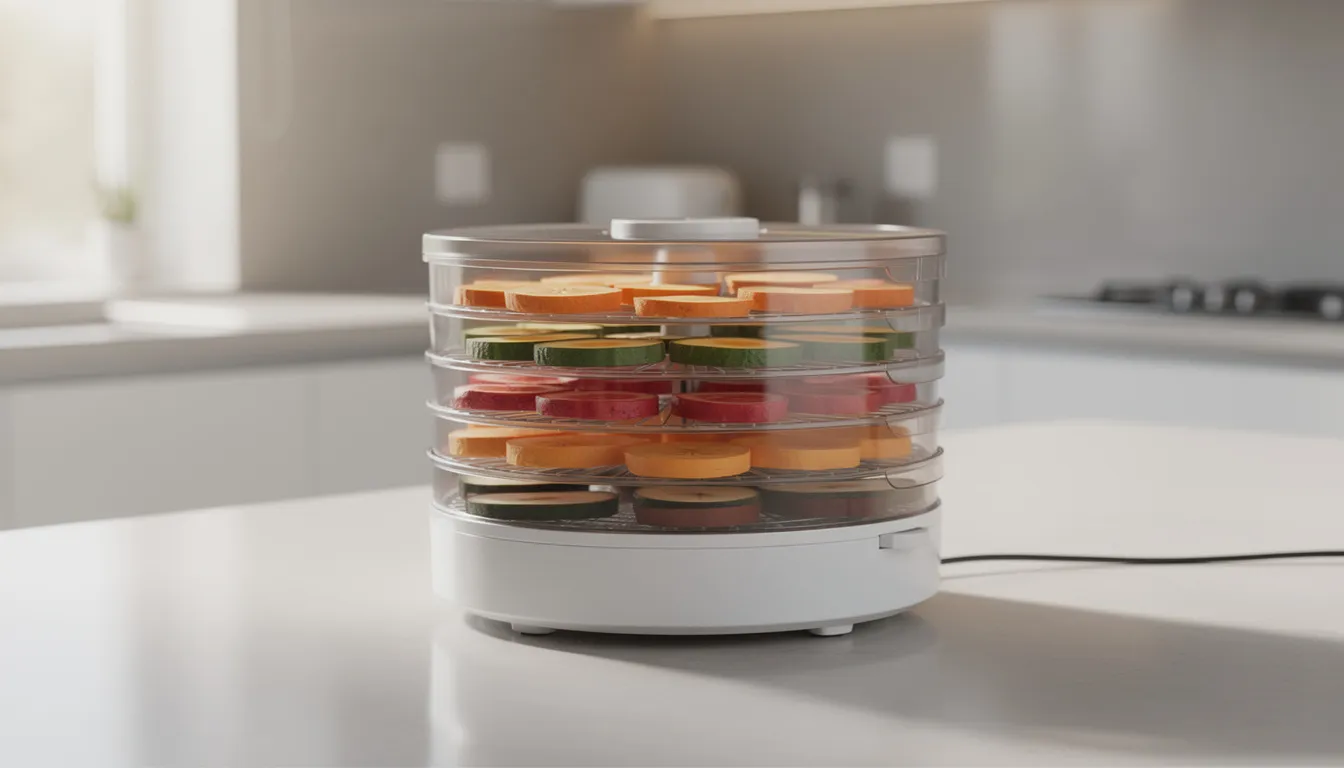
This manual covers the Game Winner 5-Tray Round Dehydrator, commonly sold under model number FSGWCO5008. This tray dehydrator has become popular among hunters, gardeners, and home cooks for preserving seasonal produce and making homemade jerky, and many users consider the Game Winner dehydrator a worthwhile option for affordable home food preservation.
Design Features:
5-tray round design with approximate diameter of 13–15 inches per tray
Stackable circular trays that nest securely on the base
Compact height suitable for most kitchen counters and easy storage
Included Components:
Base unit housing the 450-watt motor and heating element
5 total trays for food placement
2 mesh screens designed for small items like herbs and berries
2 solid trays for fruit leathers and marinated foods
Lid for enclosing the drying chamber
The transparent or semi-transparent tray construction allows you to monitor the drying process without removing the lid and disrupting airflow. This product makes jerky preparation straightforward for beginners while offering enough capacity for experienced users processing large batches of garden vegetables.
Specifications and Key Features
Understanding your dehydrator’s specifications helps you get the most from every batch. Here’s what powers your Game Winner unit:
Specification
Detail
Power Rating
450-watt quiet motor
Temperature Range
95°F–165°F (adjustable)
Dimensions
Approximately 13 x 13 x 10 inches
Capacity
4–10 pounds per batch
Construction
BPA-free plastic trays, durable housing
Operation
Designed for continuous use over many hours
Key Features Explained:
450-Watt Motor: Operates quietly during extended drying sessions, making overnight use practical
Adjustable Temperature: The range from 95°F to 165°F accommodates everything from delicate herbs to beef jerky
BPA-Free Materials: Food-grade plastic construction protects your food from chemical contamination
Airflow Design: The fan and heating element work together to circulate warm air evenly across all five trays, removing moisture consistently
The capacity allows you to dry anywhere from 4 to 6 pounds of sliced produce or 3 to 5 pounds of prepared jerky per batch, depending on how thin you slice your ingredients.
Controls and Indicator Layout
The control system on your Game Winner dehydrator is straightforward, designed for users at all cooking skills levels.
Power and Temperature Controls:
The power switch or control dial is located on the front of the base unit
Turn the dial clockwise to power on and set your desired temperature
The dial typically features temperature markings from 95°F to 165°F
Power Light: Illuminates when the unit is plugged in and turned on
Heating Indicator: Shows when the heating element is actively warming the chamber
Note that this model does not include digital buttons or a programmable timer. You’ll need to set an external timer or alarm if you want to check your food at specific intervals.
Assembly and First-Time Setup
Assembly is minimal but important for safe operation. Follow these steps before your first use.
Stacking the Trays:
Place the base unit on your countertop
Position the first tray directly on the base, aligning any tabs or notches
Stack remaining trays on top, ensuring each seats securely
Place the lid on the top tray
Using Mesh Screens vs. Solid Trays:
Mesh screens: Use for herbs, berries, and small pieces that might fall through regular tray openings
Solid trays: Use for fruit leathers, marinated foods, or anything with liquid that would drip
First-Time Cleaning:
Wash all removable parts (trays, mesh screens, solid trays, lid) in warm, soapy water
Dry everything completely before assembly
Never immerse the base unit in water—wipe with a damp cloth only
Initial Burn-Off: Run the dehydrator empty for 20–30 minutes on a medium temperature setting before your first food use. This helps eliminate any manufacturing residues or odors. Store this manual in a safe place for future reference.
Safety Instructions and Important Warnings
Your safety matters. Read this section carefully before operating your dehydrator.
Electrical Safety:
This dehydrator is for indoor, household use only
Plug into a properly grounded 120V outlet
Never use near water, sinks, or outdoors in wet conditions
Keep the cord away from hot surfaces
Always unplug by grasping the plug, not the cord
Ensure the unit is unplugged before cleaning or moving
When to Stop Using: Do not operate if the cord, plug, or housing shows any damage. Discontinue use immediately and contact customer service if you notice any issues.
Heat Safety:
Surfaces become hot during and after operation
Keep children and pets away from the operating unit
Use oven mitts when handling trays after drying
Allow the unit to cool completely before cleaning or storage
Food Safety Warnings:
Always use the recommended temperature of 160–165°F for meats to protect against bacteria, following best practices on what temperature to dehydrate jerky for food safety
Use only fresh ingredients; discard any spoiled or questionable food
Refrigerate or freeze dehydrated meat and high-risk foods if not fully dried
Marinated jerky should be kept refrigerated until ready to dry
Modifications, unauthorized repairs, or misuse may void the warranty and create safety hazards. This unit is designed for home use, not commercial applications.
How to Use: Step‑by‑Step Dehydrating Guide
This section is the core “how to dehydrate” guide for your 5-tray round unit. Following these steps will help reduce food waste and produce consistent results.
Step 1: Prepare Your Food
Wash all produce thoroughly
Trim fat from meats (fat does not dry well and can cause spoilage) and follow a step-by-step guide to dehydrating meat in a dehydrator for safe, long-lasting results
Remove bruised or spoiled spots from fruits and vegetables
Optionally pre-treat fruits with lemon juice or ascorbic acid to prevent browning
Step 2: Slice Uniformly Consistent thickness is the single most important thing for even drying:
Jerky: ⅛–¼ inch thick
Fruits: ¼ inch thick
Root vegetables and chips: Slightly thinner for crispness
Step 3: Arrange on Trays
Place food in a single layer
Avoid overlap—each piece needs airflow
Leave small gaps between pieces
Use mesh screens for herbs, carrots, berries, and small items
Use solid trays for fruit rolls and sticky mixtures
Step 4: Set Temperature and Start
Select the appropriate temperature for your food type
Place trays on the base and secure the lid
Turn the dial to start the drying process
Step 5: Monitor and Rotate
Check progress periodically
Rotate trays (swap top and bottom) halfway through for even results
Drying time varies based on thickness, food type, and humidity
Fruits: Leathery but not sticky; no moisture when squeezed
Herbs: Brittle and crumbly
Jerky: Firm and chewy with no visible moisture or pinkness; should bend without breaking
Food-Specific Guides and Recommended Settings
This section provides concrete examples for popular foods rather than an exhaustive cookbook. Use these as starting points and adjust based on your results, especially if you’re exploring the best foods to dehydrate for long-term storage.
Fruits
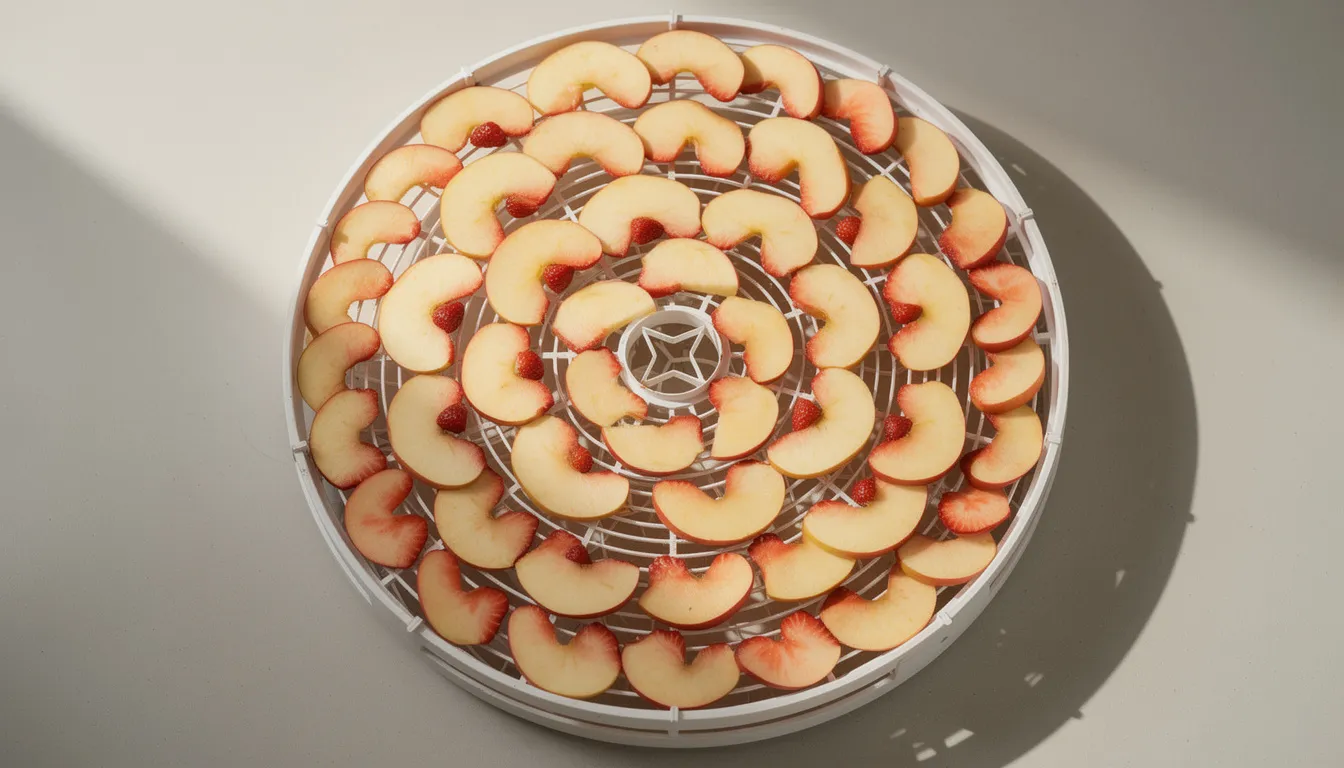
You can dehydrate fruits like apples, bananas, strawberries, and peaches with excellent results, especially if you follow a dedicated guide on how to dehydrate fruit from start to finish.
Temperature: 125–135°F
Time: 6–10 hours
Tips: Slice uniformly, remove cores and stems, and optionally dip in lemon juice to prevent browning
Optional flavorings: Cinnamon, honey drizzle, or a light sugar coating
Strawberries work particularly well sliced thin and dried until leathery, and a broader guide on what fruit you can dehydrate can help you branch out to new varieties.
Vegetables
Tomatoes, peppers, onions, zucchini, and carrots all dry beautifully.
Temperature: 125–135°F
Time: 6–12 hours
Tips: Blanching some vegetables before drying improves texture and color retention
Best practices: Cut into uniform pieces; remove seeds from peppers
Herbs
Preserve basil, parsley, thyme, and oregano at their peak freshness.
Tips: Remove leaves from stems; spread in thin layers on mesh screens
Storage: Crumble and store in airtight containers away from light
Jerky
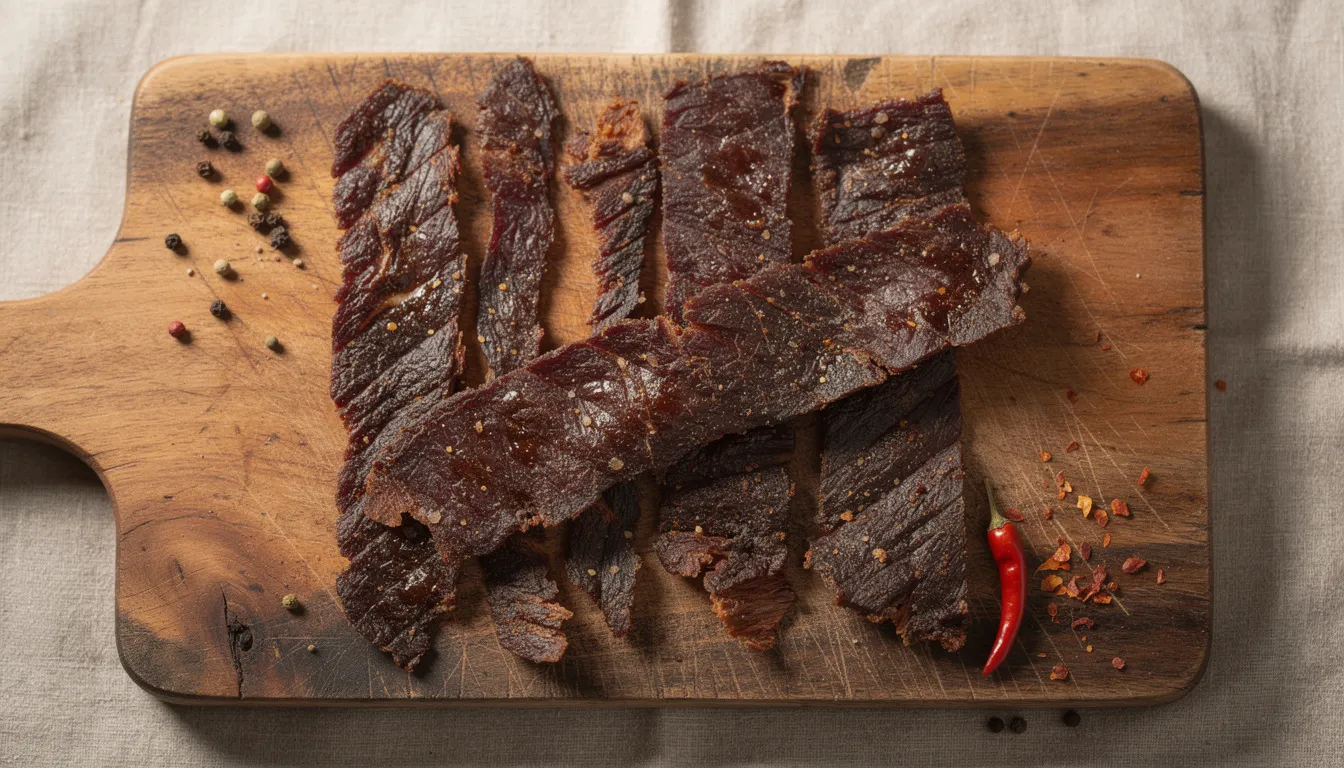
Whether you’re using beef, venison, fish, or turkey, proper preparation ensures safe, delicious results, and experimenting with homemade jerky recipes for meat lovers can help you find your favorite flavor combinations.
Temperature: 155–165°F
Time: 6–15 hours depending on thickness
Preparation: Trim all visible fat, slice ⅛–¼ inch thick against the grain; for more detail on technique, see a guide to slicing meat for jerky
Marinating: Refrigerate meat in marinade for 4–24 hours, then drain well before loading
Safety note: Some guidelines recommend finishing jerky in a 275°F oven for 10 minutes
Non-Food Items
You can dry flowers, citrus slices for crafts, or potpourri ingredients. However, use dedicated trays for these items and never mix with food to prevent contamination.
Pro Tip: Keep simple logs of your batches including date, thickness, temperature, and time. This helps you dial in perfect results and save money by avoiding failed batches.
Maintenance, Cleaning, and Storage
Regular cleaning extends the life of your dehydrator and keeps flavors pure between batches, so it’s worth following a thorough guide to cleaning a food dehydrator to prevent buildup and off-flavors.
Before Cleaning:
Always unplug the unit first
Let it cool completely before handling
Cleaning Trays and Accessories:
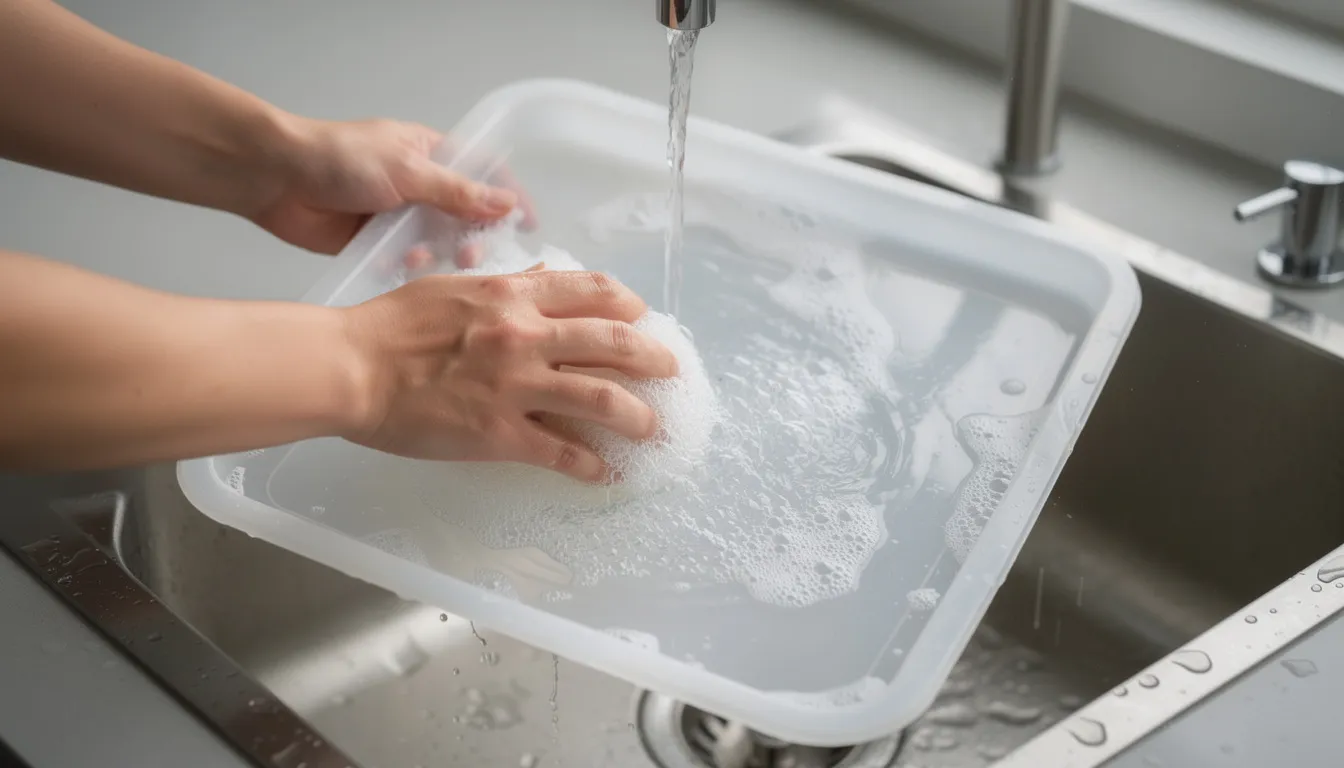
Wash trays, mesh screens, and solid trays after each use
Use warm, soapy water and a soft sponge
Rinse thoroughly to remove all soap residue
Dry completely before storing
Most trays are top-rack dishwasher safe, but check your product labeling to confirm
Cleaning the Base Unit:
Wipe the exterior with a damp cloth and mild detergent
Dry with a soft towel
Never immerse the base or allow water into vents
Periodically remove crumbs from vents and around the fan area
Odor Control: If strong aromas linger after drying fish or heavily seasoned jerky:
Wipe trays with a diluted vinegar solution
Dry a batch of neutral items like plain bread cubes to absorb odors
Storage Recommendations:
Store in a cool, dry place
Stack trays neatly on the base
Avoid placing heavy items on top
Keep the cord loosely coiled to prevent damage
Troubleshooting and Common Issues
Before contacting customer service, try these solutions for common problems.
Unit Not Powering On:
Verify the outlet works by testing with another appliance
Ensure the plug is firmly seated
Check for a tripped circuit breaker
Confirm the power switch or dial is in the ON position
Uneven Drying:
Rotate trays halfway through the drying process
Check for overcrowded food—pieces may be overlapping
Ensure room temperature isn’t extremely cold or humid
Verify vent openings aren’t blocked by walls or other objects
Overly Long Drying Times:
Slice food a bit thinner next time
Reduce batch size to avoid overloading
Raise temperature within safe limits for the food type
Check for excessive room humidity (use in climate-controlled space)
Off-Odors or Flavors:
Clean trays thoroughly between different food types
Avoid mixing strongly flavored foods in one batch
Don’t store trays with residual moisture
When to Contact Support: Persistent mechanical noises, burning smells, or smoke require immediate action. Turn off the unit, unplug it, and contact customer support. Do not attempt further troubleshooting for these issues.
Warranty, Customer Support, and Replacement Parts
Most Game Winner 5-Tray Round Dehydrators are covered by a limited manufacturer’s warranty of approximately one year from the purchase date.
What’s Typically Covered:
Defective motors
Control failures
Manufacturing defects in materials and workmanship
What’s Usually Excluded:
Damage from misuse or accidents
Commercial use
Damage from drops or improper handling
Unauthorized modifications or repairs
Before Contacting Support:
Keep your proof of purchase (dated sales receipt) with this manual
Have the model number FSGWCO5008 ready
Note your purchase date
Prepare a description of the issue
Customer Service: Support is typically available Monday through Friday, 9:00 AM to 4:00 PM CST. A contact number such as (888) 993-9243 may be listed on your packaging—check for the most current information.
Replacement Parts: Some parts including trays, mesh screens, solid trays, and lids may be available through customer service or the retailer where you purchased the unit.
Tips, Best Practices, and Storage of Dehydrated Foods
Get the most flavor, nutrition, and shelf life from your dehydrator with these proven practices.
Seasonal Batch Processing: Work in large batches when produce is in season—late summer and early fall for garden harvests, post-hunting seasons for game meats. This approach helps you build a pantry of shelf-stable foods while produce is at its peak and prices are lowest. It’s also a great way to meet various cooking needs throughout the year.
Proper Cooling: Always cool dried foods completely before sealing containers. Sealing warm food creates condensation that leads to mold.
Best Storage Methods: | Container Type | Best For | |—————-|———-| | Airtight glass jars | Fruits, vegetables, herbs | | Vacuum-sealed bags | Long-term storage, jerky | | Freezer-safe containers | Maximum shelf life |
Store containers in a cool, dark cupboard or freezer for best results.
Approximate Storage Times: For more detail on how conditions impact shelf life, see guidelines on how long dehydrated food can last.
Well-dried fruits and vegetables: Several months at room temperature
Properly dried jerky: 1–2 months at room temperature, longer refrigerated or frozen
All dried foods: Extended shelf life when frozen
Labeling System: Label every container with:
Food type
Drying date
Any seasonings used
Temperature and time (for future reference)
Experimentation Encouraged: Once you’ve mastered the basics, try custom seasoning blends for jerky, fruit spice mixes, or mixed vegetable chips. Record your temperatures and times so you can replicate successful batches. With practice, your cooking skills will grow and you’ll discover your own signature recipes.
Start with something simple—a batch of apple chips or dried herbs—and work your way up to more complex projects. Your Game Winner dehydrator is a versatile tool that, with proper care, will serve your food preservation needs for years to come.
DannyContent Writer
Hey there, since 2016, my mission has been to provide you with the information and guides you need to make food dehydrating simple and fun. Whether you're a newbie or a seasoned pro, my site offers helpful guides, reviews, and recipes to enhance your dehydrating experience. I take pride in only recommending products I believe in, ensuring my readers' trust. As an affiliate of various programs, including Amazon Associates, your support helps me continue providing quality content. Thanks for stopping by, and happy dehydrating!