🍊 Dehydrated Food Info Finder — Temperatures & Drying Times

Choose a category, then pick a food to see its drying temperature and time.
⚠️ Safety Disclaimer: Drying times are estimates and vary based on slice thickness, food moisture content, humidity, and your dehydrator model. Always check for doneness before storing — food should feel dry, leathery, or brittle with no moist spots. Improperly dried food can harbour mould and bacteria. For meat and poultry, follow USDA safe internal temperature guidelines: beef and pork to 160°F (71°C), poultry to 165°F (74°C). Use a food thermometer when in doubt. Store all dehydrated foods in airtight containers in a cool, dark place and discard anything showing moisture, mould, or off odours.

Quick and Easy Dehydrated Gluten-Free Recipes

Dehydrated gluten-free recipes offer a simple way to create healthy and convenient meals.

This cooking method preserves nutritional value while extending the shelf life of food.

In this article, you’ll learn about quick and easy dehydrated meals and snacks.

We will share tips to help you master your

Get ready to explore the delicious world of dehydrated gluten-free recipes!

Recipe TypeKey IngredientsPreparation Notes
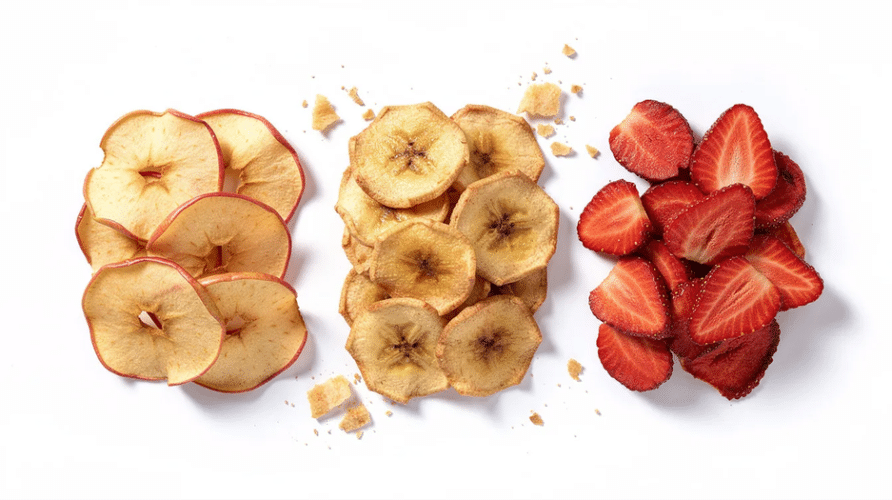
Fruit ChipsApples, bananas, strawberriesSlice thinly and dehydrate until crispy; great gluten-free snack
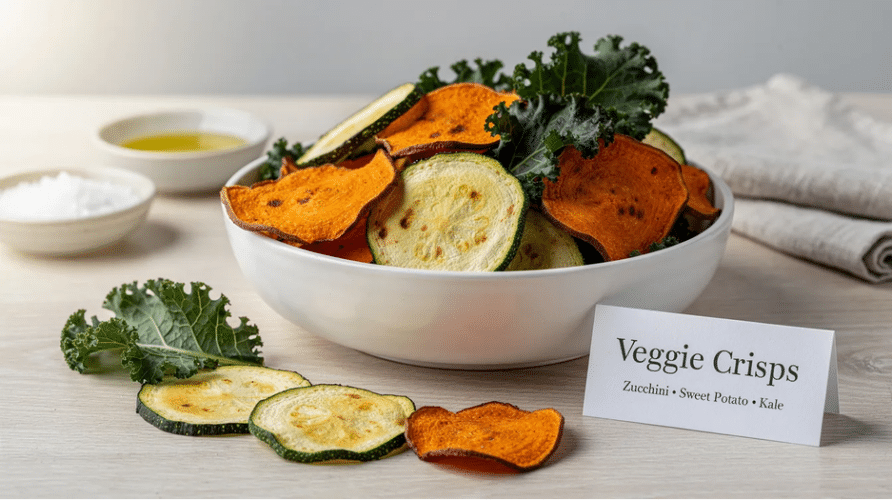
Veggie CrispsZucchini, sweet potatoes, kaleSlice thinly; dehydrate for crunchy texture; portable snack
Homemade JerkyLean meats or tofuTrim fat, slice thinly; dehydrate thoroughly for preservation
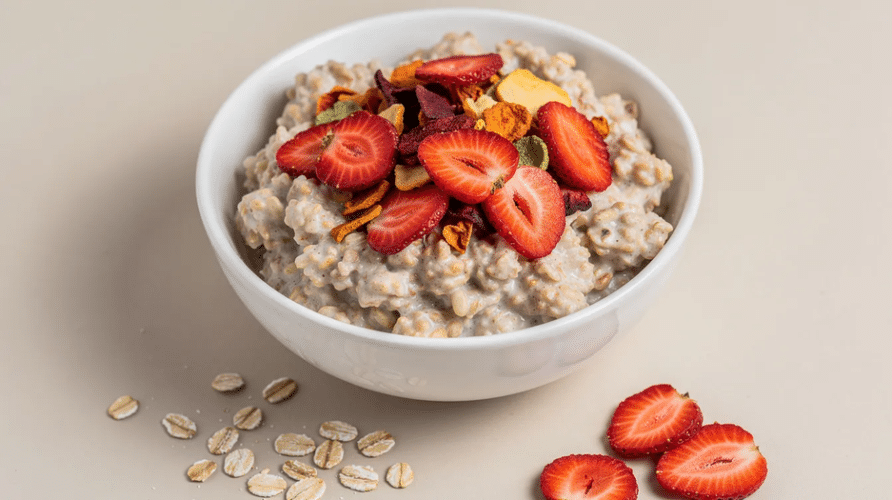
Gluten-Free OatmealOats, dehydrated fruits (e.g., strawberries)Add dehydrated fruits to oatmeal for added flavor and nutrition
Gluten-Free Soups or StewsDehydrated vegetablesRehydrate vegetables in soups or stews for enhanced flavor
Gluten-Free Pasta DishesDehydrated meats, gluten-free pastaUse rehydrated meats and pasta for quick, hearty meals
The image features a variety of colorful fruit chips, including vibrant apple, banana, and strawberry slices, showcasing their crispy texture and delicious flavor. These gluten-free snacks are perfect for on-the-go meals or as a healthy addition to your food planning.

or drag and drop an image here

Understanding Food Dehydrators and Gluten-Free Benefits

Food dehydrators are kitchen appliances designed to remove moisture from food.

This process of dehydration helps to preserve food, extending its shelf life significantly.

But how does it work?

Dehydrators use a heat source and air flow to reduce the water content in food, offering lightweight, space‑saving and nutrient‑preserving benefits that are especially useful for gluten-free meal prep.

This inhibits the growth of bacteria, yeast, and molds that cause food to spoil.

The result? Dehydrated meals that can last for months, even years, without refrigeration.

But there’s more to dehydrating than just preservation.

Dehydrated foods retain most of their nutritional value, making them a healthy choice.

Now, let’s talk about gluten-free benefits.

  • Gluten-free diets can be beneficial for people with celiac disease, gluten sensitivity, or wheat allergy.
  • They can also help reduce inflammation and improve digestive health.
  • Plus, many gluten-free foods are naturally rich in essential nutrients.

By combining the benefits of dehydration and a gluten-free diet, you can create meals that are not only long-lasting but also healthy and delicious.

Selecting the Right Food Dehydrator for Gluten-Free Recipes

Choosing the right food dehydrator can seem daunting.

But don’t worry, we’re here to help.

If you plan to take your dehydrated creations on the trail, understanding how to choose a backpacking dehydrator and make trail-ready meals can guide your purchasing decisions.

First, consider the size of the dehydrator.

If you plan to dehydrate large batches of food, you’ll need a larger model.

Next, look at the power and temperature range.

A good dehydrator should have a wide temperature range to accommodate different types of food.

Also, consider the type of dehydrator.

There are two main types: stackable tray models and shelf models.

Stackable models are great for beginners and small kitchens, while shelf models offer more space and flexibility.

Lastly, look for features like timers, adjustable thermostats, and auto shut-off for added convenience.

Remember, the best dehydrator for you depends on your specific needs and preferences.

The image features a colorful assortment of veggie crisps made from dehydrated zucchini, sweet potatoes, and kale, showcasing their crispy texture and vibrant colors. This gluten-free snack is perfect for those following a restricted diet, offering a delicious and nutritious option for meals or trail adventures.

Preparing Your Ingredients for Dehydration

Before dehydrating, you need to prepare your ingredients.

For fruits and vegetables, wash them thoroughly.

Then, cut them into thin, uniform slices; a beginner’s guide to using a food dehydrator can help you fine‑tune prep steps like slicing, pretreating, and arranging produce.

For meats, trim off any visible fat and slice thinly.

Remember, the thinner the slices, the quicker they will dehydrate.

Proper preparation ensures even dehydration and preserves the nutritional value of your food.

Step-by-Step Guide to Dehydrating Gluten-Free Foods

Dehydrating gluten-free foods is a simple process.

First, arrange your prepared ingredients on the dehydrator trays.

Ensure they are spread out evenly and not overlapping.

Next, set the temperature on your dehydrator; mastering dehydrator drying times and temperature settings will help you get consistently good results.

The temperature will depend on the type of food you are dehydrating.

Then, set the timer.

Dehydration times can vary from a few hours to over a day.

Check your food periodically to ensure it is dehydrating evenly.

Once done, allow the food to cool before storing.

With these steps, you can create a variety of dehydrated gluten-free meals and snacks.

Storing and Rehydrating Your Dehydrated Meals and Gluten-Free Meals

Storing dehydrated gluten-free meals is straightforward.

Ensure the food is completely cool before packing.

Use airtight containers or vacuum-sealed bags to maintain freshness, since dehydrated ingredients are easy to package for portability and simple meal prep.

Store in a cool, dark place for optimal shelf life.

To rehydrate, add boiling water or broth for a quick meal.

Proper rehydration is especially important for dried vegetables so they soften evenly in recipes.

The rehydration time will depend on the type of food and its size.

As an alternative, some meals can be cold soaked in cold water for at least 2 hours before eating.

Meals with rice are especially convenient for this method.

For better heat retention during rehydration, use mylar boil bags.

A bowl of gluten-free oatmeal is topped with colorful dehydrated fruits, including strawberries, providing a hearty meal option. This nutritious dish is perfect for those following a restricted diet and can easily be prepared by adding cold water or boiling water for a delicious, flavorful breakfast.

Delicious Dehydrated Gluten-Free Snack and Backpacking Meals Ideas

Dehydrated snacks are a healthy, gluten-free option.

Here are a few ideas:

  • Fruit chips made from apples, bananas, or strawberries.
  • Veggie crisps from zucchini, sweet potatoes, or kale.
  • Homemade jerky from lean meats or tofu.

These snacks are not only tasty but also portable.

They’re perfect for on-the-go snacking or packing in lunchboxes.

Incorporating Dehydrated Ingredients into Gluten-Free Meals

Dehydrated ingredients can add a unique twist to your gluten-free meals.

For instance, dehydrated fruits can be used in gluten-free oatmeal or yogurt.

Dehydrated vegetables can be added to gluten-free soups or stews.

Even dehydrated meats can be used in gluten-free pasta dishes.

The possibilities are endless, and the added texture and flavor can make your meals more exciting.

Tips and Tricks for Perfect Dehydrated Gluten-Free Recipes

When dehydrating gluten-free foods, it’s important to keep a few tips in mind.

For backpacking, meals often need enough energy, and a practical hiking target is at least 600 calories per meal; exploring the best dehydrated backpacking meals can give you ideas for high-calorie, trail-friendly gluten-free options.

Higher-fat dehydrated meals can also be useful because they provide more compact energy for the trail.

First, always ensure your food is evenly sliced for consistent drying.

Lastly, remember to store your dehydrated foods in a cool, dark place to maintain their freshness and flavor.

Conclusion and Encouragement to Experiment

In conclusion, dehydrating gluten-free foods can be a fun and rewarding process.

Don’t be afraid to experiment with different ingredients and flavors to create your own unique dehydrated gluten-free recipes. Happy dehydrating!

author avatar
Danny Content Writer
Hey there, since 2016, my mission has been to provide you with the information and guides you need to make food dehydrating simple and fun. Whether you're a newbie or a seasoned pro, my site offers helpful guides, reviews, and recipes to enhance your dehydrating experience. I take pride in only recommending products I believe in, ensuring my readers' trust. As an affiliate of various programs, including Amazon Associates, your support helps me continue providing quality content. Thanks for stopping by, and happy dehydrating!