We earn a commission if you make a purchase, at no additional cost to you.
09/22/2026 04:39 pm GMT
🍊 Dehydrated Food Info Finder — Temperatures & Drying Times
Choose a category, then pick a food to see its drying temperature and time.
⚠️ Safety Disclaimer: Drying times are estimates and vary based on slice thickness, food moisture content, humidity, and your dehydrator model. Always check for doneness before storing — food should feel dry, leathery, or brittle with no moist spots. Improperly dried food can harbour mould and bacteria. For meat and poultry, follow USDA safe internal temperature guidelines: beef and pork to 160°F (71°C), poultry to 165°F (74°C). Use a food thermometer when in doubt. Store all dehydrated foods in airtight containers in a cool, dark place and discard anything showing moisture, mould, or off odours.
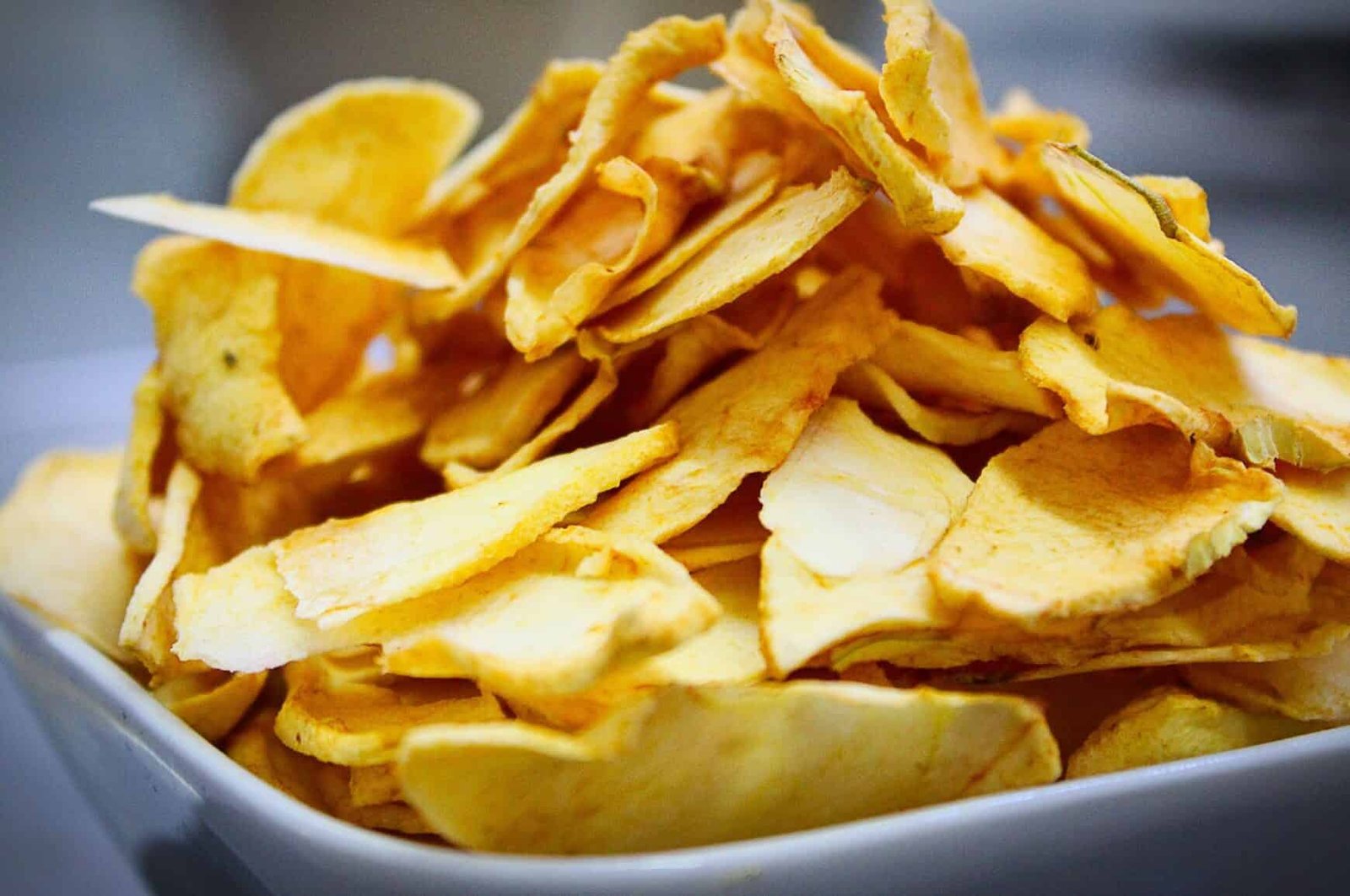
Dehydrated apple slices ready for snacking or cooking.
10 Interesting Foods to Put on Your List of Things to Dehydrate!
Things to dehydrate include fruits like bananas, apples, and watermelon, vegetables, herbs, lean meats for jerky, plus sauces, legumes, grains, pasta, yogurt, and even eggs. For home cooks and food preservation enthusiasts, dehydrating turns fresh ingredients into longer-lasting snacks, pantry staples, and meal components while helping reduce food waste and preserve nutrients. From simple ideas for fruits and veggies to tips for dehydrating herbs, meats, and other everyday foods, this guide shows you what to dehydrate, how to use those ingredients in breakfasts, dinners, snacks, and desserts, and how to get more from your food dehydrator for healthier, easier meals.
Get Creative with Our List of Fun Things to Dehydrate
As a practical form of food preservation, food dehydration works well for many foods and gives you a simple way to store seasonal ingredients and make shelf-stable snacks at home. The dehydration process removes about 80-95% of a food’s moisture content, which helps inhibit bacteria growth. In some cases, dehydrating can also preserve nutrients better than canning.
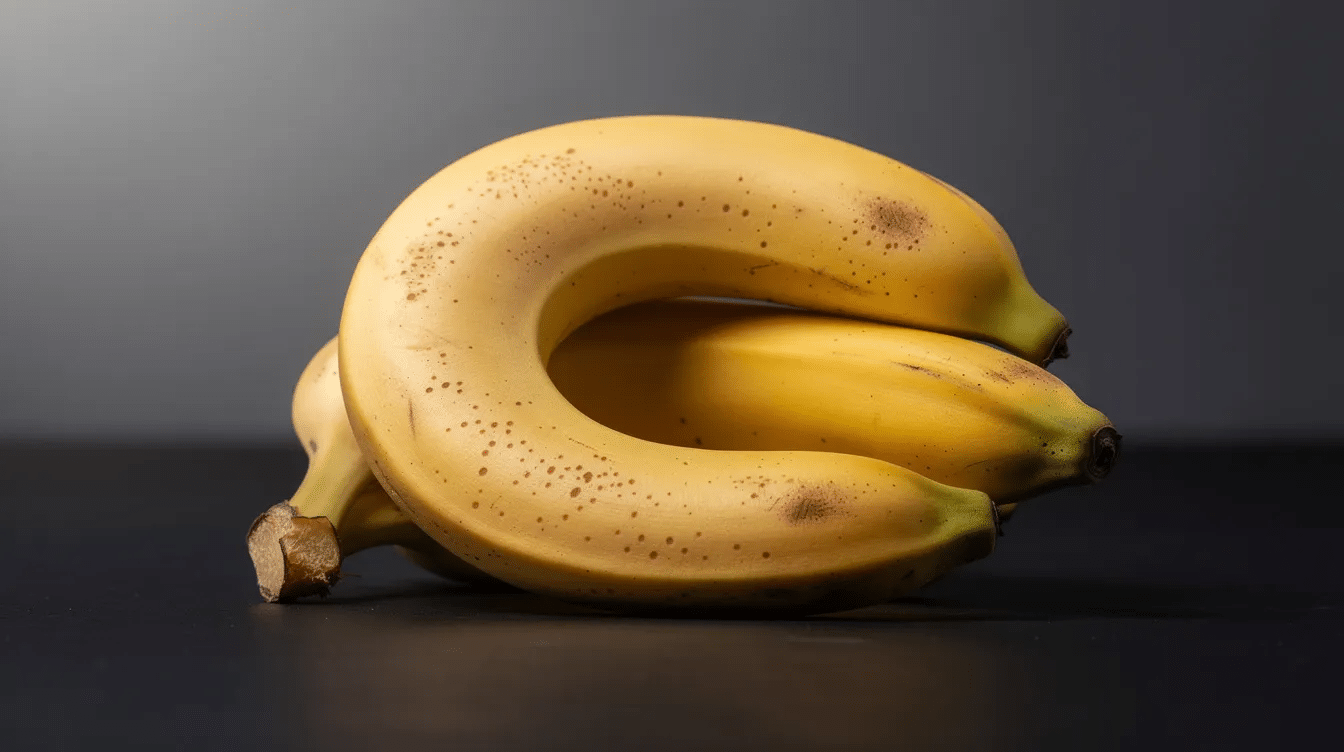
1. Bananas
Want a healthier alternative to potato chips? Make dehydrated banana chips instead!
Prep the bananas as sliced fruit, cutting them into even 1/4- to 1/2-inch pieces, then lay them out on a tray in your dehydrator. Set it to 135 F so the food dries evenly, then leave them to dry out for around 8 hours.
By this time, they should be leathery if you want them chewy. If you prefer them to be crunchy, let them dehydrate for a few extra hours.
Eat them on their own for a quick snack, or throw them into granola or oatmeal to add something extra to your breakfast.
Get yourself a lean cut of beef, and focus on proper preparation and safe handling before drying. Cut it into thin slices around a quarter of an inch thick, then marinate the beef in your choice of spices to give it some extra flavor. Any raw meat should be fully cooked first to safely dehydrate it; cook beef to 160°F and poultry to 165°F before drying. Thin slices work well for jerky, while ground beef is better for dehydrated meals if mixed with breadcrumbs for better rehydration.
It can be frustrating when you buy some fresh herbs only to find they’ve gone bad just a few days later. If you dehydrate them, you don’t have to let them go to waste, and common herbs like basil and thyme dry quickly and retain their flavor well.
Rinse your herbs under some cool water and shake off the excess moisture, since unlike air drying, they only need to be dehydrated for 2-4 hours, so when you can see the stems starting to break, take them out of the machine.
That way, you can keep them in powdered form, ready to use whenever you need them. This will save you lots of time, as well as refrigerator space. This kind of dried food, including tomato powder, is also handy for instant sauces or to flavor meals.
After making your sauces, spread them out in thin layers on parchment paper on a dehydrator tray, or use nonstick sheets for fruit leathers and sauces. Then, leave them to dry out for around 8 hours on a high setting.
All you have to do is wash, peel and core your apples, then cut even apple slices for drying. If you like, you can sprinkle them with cinnamon or spritz them with lemon juice. A quick soak in fruit juice, citric acid, or ascorbic acid can also help reduce browning.
Then, dehydrate them on a high setting for 6-8 hours. Before long-term storage, condition the dried fruit so any remaining moisture equalizes and mold risk drops.
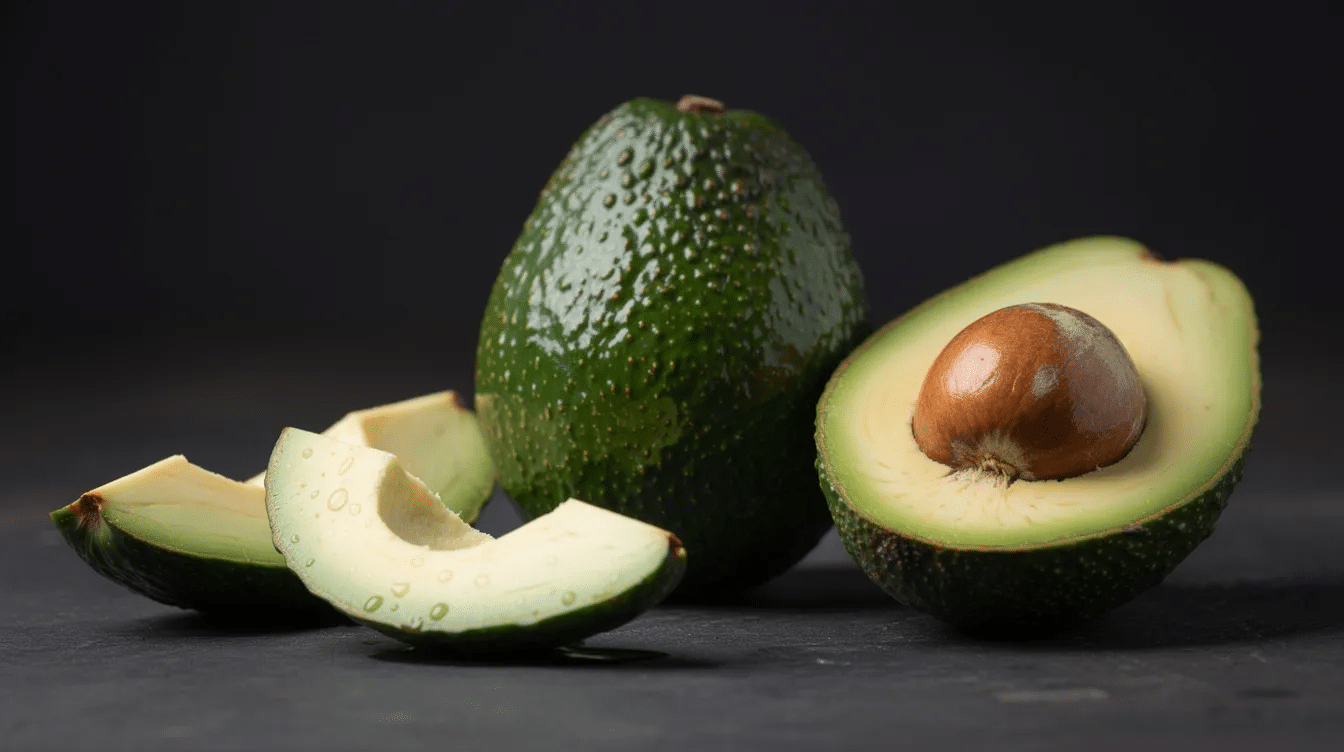
6. Avocados
Forget about ripening worries and enjoy avocados all year round. Dehydrated avocados offer a unique crunchy texture, packed with the same great nutrients and healthy fats. A new way to snack healthily is here!
7. Watermelon
Transform this summer delight into a year-round delicacy. Dehydrating watermelon concentrates its sweetness, giving it a candy-like texture that’s hard to resist. Since fruits with high water density are suitable for dehydration, watermelon loses too much moisture during drying while its natural sugar content becomes more pronounced rather than increased.
8. Chickpeas
Ditch the store-bought versions and make your own crispy chickpea snacks. Season them to your liking, dehydrate, and you’ve got a versatile addition to salads, soups, or as a standalone snack; canned beans are also a convenient option here because they rehydrate well after drying, showing how dehydrating food offers lightweight, space-saving benefits for both everyday meals and trail-ready snacks.
9. Yogurt
Yogurt in a dehydrator? Absolutely! Dehydrate it into chips or powder, and you’ve got a tasty, tangy ingredient for smoothies, baking, or as an interesting topping.
10. Eggs
Preserve eggs like never before. Dehydrated eggs are perfect for campers, hikers, or anyone in need of a quick, protein-packed meal, and they work especially well in backpacking meals and other dehydrated meals because they’re lightweight and easy to rehydrate. Use them in baking or rehydrate for a scramble.
What More to Dehydrate
Dehydrating food is a great way to preserve your own food, from fruits and vegetables to other foods, and enjoy your favorites all year round. Here’s a few more list of what to dehydrate and why:
Fruits: Dehydrated fruits like berries are healthy snacks. Easy to prepare and store, and proper preparation like cutting pieces evenly helps the drying process with no added sugars.
Veggies: Sweet potatoes and green beans are top picks for dehydrating vegetables. They retain nutritional value and work well in soups, stews, or as crunchy snacks. It often helps to blanch vegetables first, since blanching vegetables before drying preserves color and flavor, and frozen vegetables are a convenient shortcut because they’re usually pre-cut and blanched.
Legumes: Dried beans and lentils are perfect for long term storage. Rehydrate well and pair easily with spices and sauces for complete meals that work well on the trail or at home.
Grains and Rice: Dehydrating cooked grains and rice makes meal prep a breeze. You can also dehydrate grains for lightweight meal prep, then just rehydrate when you’re ready to eat to save time and effort in the kitchen.
Pasta: Cooked pasta can be dehydrated for easy quick meals. Just add boiling water and you’re good to go.
Low-Fat Meats and Seafood: Lean meats and fish like chicken and salmon can be dehydrated to make jerky, a protein packed snack for on-the-go eating.
Fruit Leathers: Making fruit leathers is a great way to enjoy dehydrated fruit. Puree your favorite fruits, spread the mixture on dehydrator trays and dry until leathery. No added sugars.
For storage, keep dehydrated food in airtight containers to prevent moisture, and consider vacuum sealing with oxygen absorbers for longer shelf life; properly stored dehydrated foods can last 1 to 5 years or more depending on temperature, humidity, and light exposure.
Start the day with a warm and comforting bowl of apple cinnamon quinoa porridge. Use dehydrated apples to save time. Just rehydrate them in hot water then add to cooked quinoa. Sprinkle with cinnamon for a deliciously spiced breakfast.
Strawberries and Cream Quinoa Porridge
Sweet and creamy breakfast with strawberries and cream quinoa porridge. Rehydrate dehydrated strawberries and mix into quinoa. Add a splash of cream or milk for a decadent start to the day.
For a tropical twist try raspberry and coconut quinoa porridge. Rehydrate raspberries and mix with quinoa. Add some shredded coconut for extra flavor and texture. Yum!
Spice up your oatmeal with blueberry coconut. Rehydrate dried blueberries and stir into your oatmeal. Add a sprinkle of shredded coconut for a healthy breakfast treat.
Dinner Ideas with Dehydrated Food
Tortilla Soup
Make a comforting bowl of tortilla soup with dehydrated veggies and spices. Rehydrate the ingredients in hot water, add chicken or veg broth and top with crispy tortilla strips for a meal that also works well in dehydrated meals for easy camp or trail dinners.
Make risotto easy by using dehydrated veggies. Rehydrate and stir into cooked risotto rice. Add grated cheese and herbs for a creamy and delicious dinner.
Red Lentil and Bean Chili
A hearty chili by combining dehydrated red lentils and beans with your favorite spices. Rehydrate the ingredients, simmer with tomato sauce, and if you want extra protein, canned chicken is a convenient addition because it is already pressure cooked and rehydrates well after drying. Serve hot for a healthy meal any day of the week.
Pasta Primavera
Make a quick pasta primavera by adding rehydrated veggies to your cooked pasta. Toss with olive oil, garlic and a sprinkle of Parmesan cheese for a light dinner.
Red Lentil Marinara
Add protein to your marinara sauce with dehydrated red lentils. Rehydrate the lentils, mix into the sauce and serve over your favorite pasta for a healthy meal.
Make a creamy sweet potato peanut stew by using dehydrated sweet potatoes. Rehydrate them and cook with peanut butter, spices and coconut milk for a tasty and comforting meal.
Minestrone Soup
Make a classic minestrone soup with dehydrated veggies and pasta. Rehydrate the ingredients in a pot with veg broth, add beans and season to taste for a healthy and tasty soup; combining vegetables, beans, pasta, and broth helps create complete meals with a balanced dehydrated dinner.
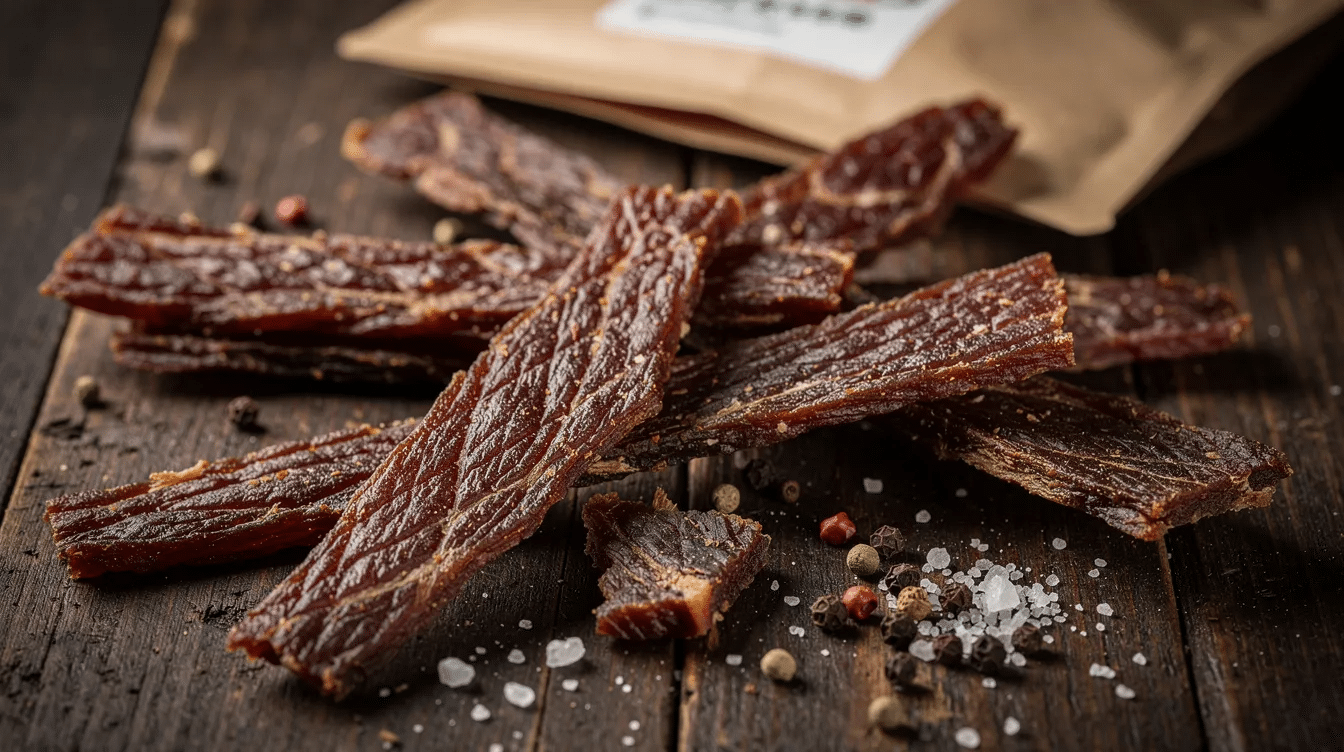
Making beef jerky at home is easy and fun. Start with a lean cut of beef, like sirloin or flank steak. Slice the meat thinly, about a quarter of an inch thick. Marinate the slices in your favorite spices, like garlic powder, onion powder and soy sauce for extra flavor. Once marinated, place the slices on the dehydrator trays and set your dehydrator to high. Let them dry for about 8 hours until chewy and fully dehydrated.
Make colorful and fun snacks with tie-dye fruit leather. Puree different fruits like strawberries, blueberries and mangoes separately. On a dehydrator tray, pour the purees in sections and swirl with a spoon to create a tie-dye effect. Spread the mixture evenly and dehydrate at low for about 6-8 hours until firm but pliable. Once done, cut into strips for a healthy snack.
Chili Spiced Fruit Leather
Give your fruit leather a spicy kick with chili spiced flavor. Puree your favorite fruits like mango or pineapple and add a pinch of chili powder or cayenne pepper for a kick. Spread the mixture on a dehydrator tray and dehydrate for about 6-8 hours at low; techniques similar to preparing apricot fruit leather in a food dehydrator help you get the ideal texture. The result is a sweet and spicy snack for those who like a little heat.
For a savoury snack try making teriyaki beef jerky. Use a lean cut of beef and slice thinly. Marinate the slices in teriyaki sauce, ginger and honey for a sweet and savory flavor. Place the marinated beef on the dehydrator trays and set the dehydrator to high. Let it dry for about 8 hours until it reaches your desired texture. Enjoy the teriyaki flavor in every bite.
Dessert Ideas with Dehydrated Food
Easy Apple Crisp Recipe
Apple crisps are a tasty and easy dessert you can make at home. Here’s a simple recipe to make a delicious apple crisp:
Gather Your Ingredients
You’ll need fresh apples, sugar, cinnamon, flour, oats, butter and a pinch of salt. These basic ingredients will make a sweet and crunchy topping for your apples.
Prepare the Apples
Peel and slice the apples thinly. This helps them cook evenly. Place the slices in a baking dish and sprinkle with a bit of sugar and cinnamon for extra flavor.
Make the Topping
In a bowl, mix together oats, flour, sugar and a pinch of salt. Cut in cold butter until the mixture is crumbly. This will be the crunchy topping everyone loves.
Assemble the Crisp
Spread the oat mixture evenly over the apples in the baking dish. Make sure all the apples are covered for a perfect crisp.
Bake Until Golden
Preheat oven to 350°F (175°C) and bake for about 30-40 minutes. It’s done when the top is golden and the apples are tender.
Serve
Let it cool for a few minutes before serving. Or with a scoop of vanilla ice cream.
Food dehydrators are incredibly versatile, and there are lots of other things you can do with these machines. When choosing one, pay attention to the fan and heating element, since their placement affects airflow and how evenly food dries, and remember dehydration temperatures vary from 95°F to 165°F depending on the food. Front-loading units usually dry more evenly than stackable models, while higher-capacity machines are better for large batches and some stackable designs can save storage space when not in use. Most home dehydrators cost between $30 and $1,000. You can make your own yogurt, dry out flowers, and even ferment your own tempeh.
To find out how, read our post on dehydrator uses you didn’t think about.
FAQ
What are the best foods to dehydrate?
As one of several food preservation methods, dehydrating supports long-term food preservation by removing moisture from a wide variety of ingredients. Some of the best foods to dehydrate include fruits like apples, bananas, and berries, and apples are a classic high-moisture fruit that dehydrates well when sliced evenly. Vegetables such as sweet potatoes, green beans, and bell peppers are also great choices, retaining their nutritional value and offering a longer shelf life, and carrots are another high-moisture option that dries well. Lean meats like beef and chicken can be turned into protein-packed jerky, perfect for on-the-go snacking, though beef should be fully cooked before drying if it is not being made into jerky. Additionally, herbs such as basil and parsley can be dehydrated to maintain their flavor year-round, while legumes like beans and lentils provide hearty options for soups and salads. Lastly, yogurt and sauces can be dehydrated into convenient chips or powders, making them easy to store and use in various recipes, though certain foods that are high in fat or oil are less suitable for drying. When stored properly, dehydrated foods can last several months to years.
DannyContent Writer
Hey there, since 2016, my mission has been to provide you with the information and guides you need to make food dehydrating simple and fun. Whether you're a newbie or a seasoned pro, my site offers helpful guides, reviews, and recipes to enhance your dehydrating experience. I take pride in only recommending products I believe in, ensuring my readers' trust. As an affiliate of various programs, including Amazon Associates, your support helps me continue providing quality content. Thanks for stopping by, and happy dehydrating!