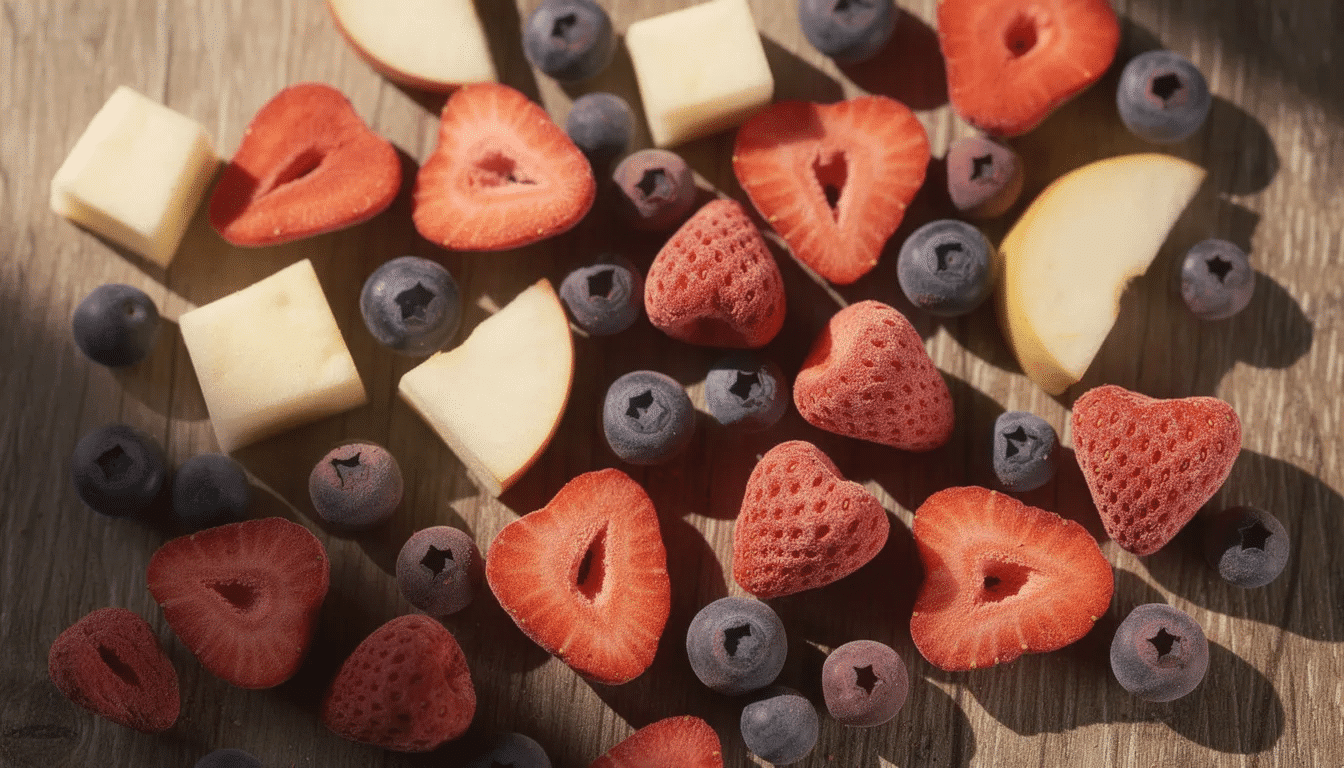
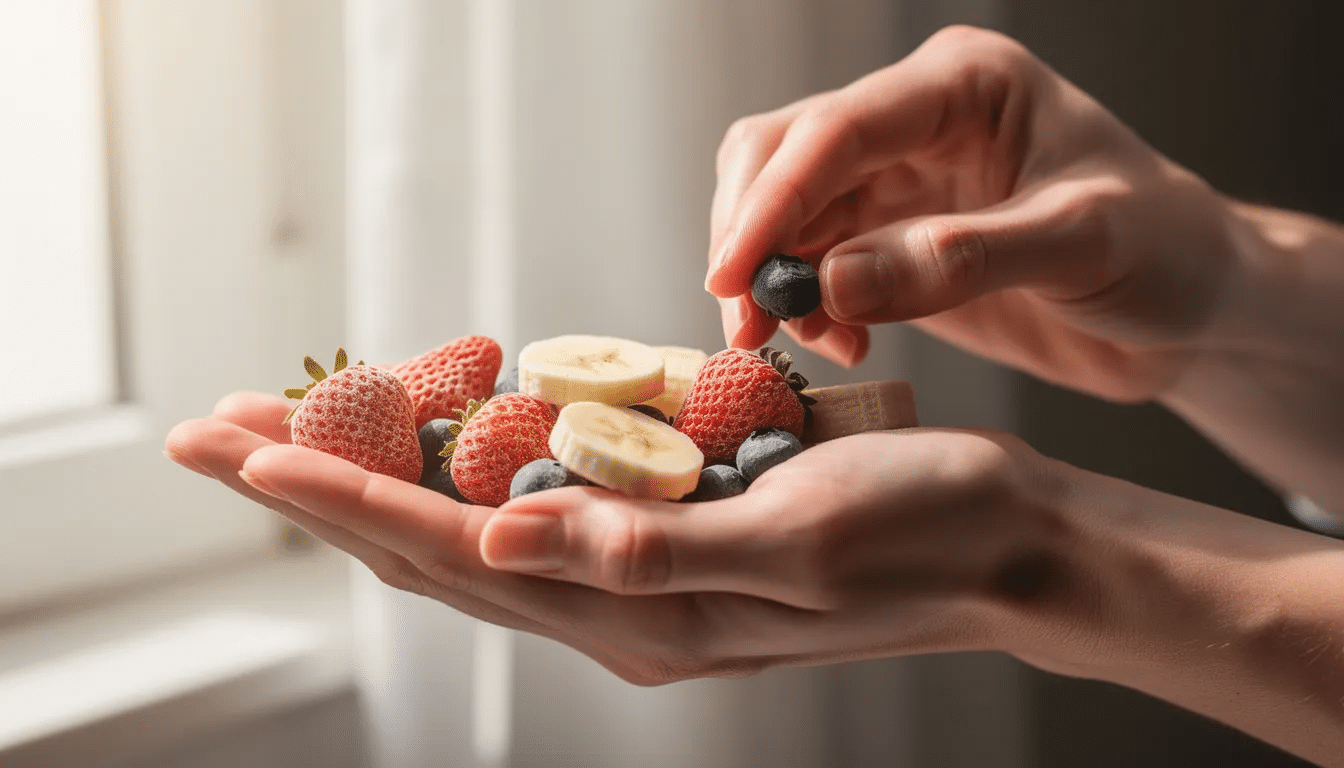
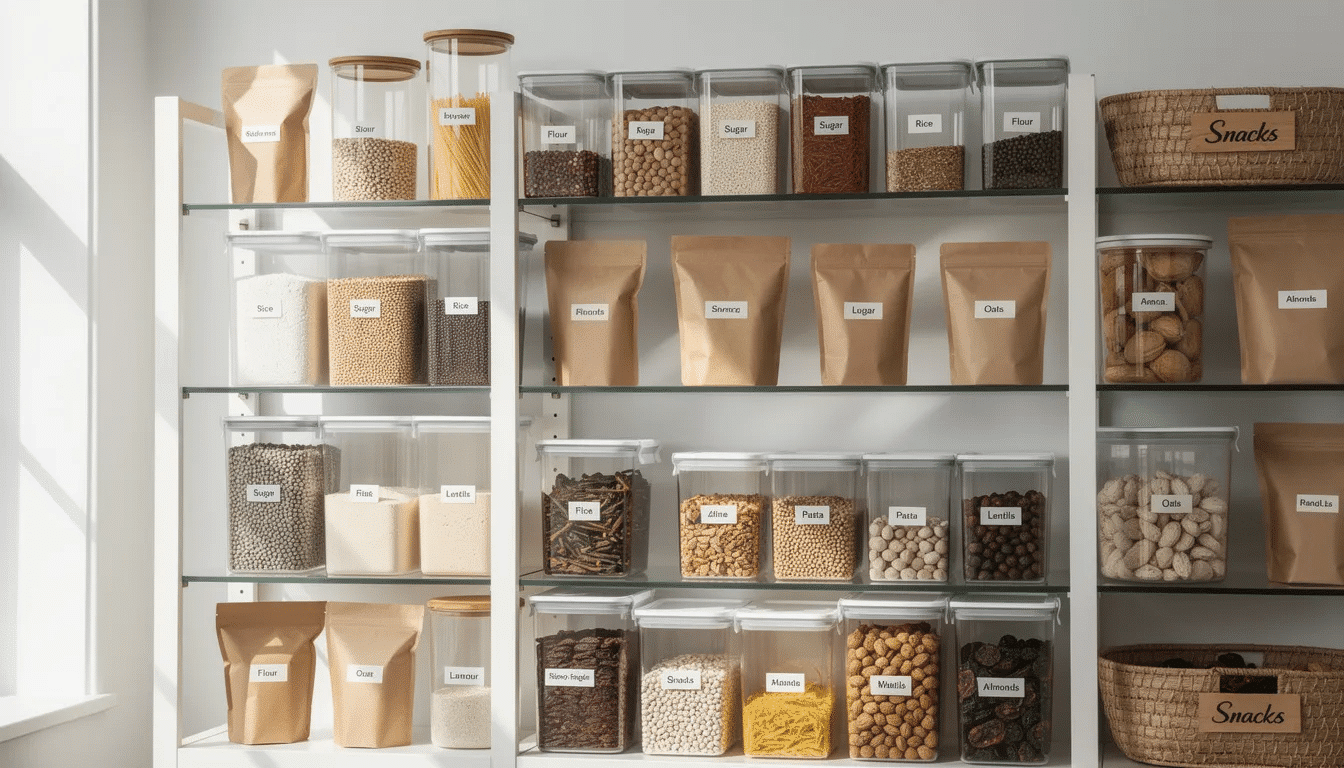
Freeze dried fruit has become a go-to healthy snack for hikers, a pantry staple for families, and a cornerstone of emergency food supply planning. The good news? Properly packaged freeze dried fruits generally last 15–25 years unopened at room temperature, with some low-moisture fruits like apples lasting up to 30 years. Once opened, most freeze dried foods maintain good quality for about 6–18 months depending on how well they’re sealed and stored.
In this guide, we’ll break down everything you need to know about the shelf life of freeze dried products—from the factors that affect how long they stay fresh to practical storage tips that can significantly extend their usability.
Quick reference for freeze dried fruit shelf life:
Unopened in long-term packaging (Mylar with oxygen absorbers): 15–25+ years
Unopened retail pouches: 2–5 years (labeled), often longer in practice
Under optimal conditions, freeze dried fruits achieve impressive longevity that puts other preservation methods to shame. When stored properly in quality packaging with oxygen absorbers and kept in a cool, dark place around 50–70°F (10–21°C), most freeze dried fruit can remain safe and palatable for decades.
Here are the realistic shelf life ranges you can expect:
Most mixed freeze dried fruit: 15–20 years when vacuum sealed or stored in Mylar bags with oxygen absorbers
Berries, stone fruits, and tropical fruits: About 10–20 years, with smaller berries often aging better than larger, juicier varieties
Apples and some pears: 20–30 years in long term storage packaging, thanks to their lower moisture content and firm texture
These timelines assume several conditions are met:
Oxygen absorbers are correctly sized for the container (typically 300–500cc for standard pouches)
Packaging is truly airtight and moisture-proof with no pinhole leaks
Storage temperature remains relatively stable and cool, away from light and heat sources
The freeze drying process was completed properly, reducing moisture to very low levels
It’s worth noting that “best by” dates on retail pouches (often 2–5 years) are conservative quality estimates, not hard safety cutoffs. Many home-stored fruits last significantly longer if kept truly dry and sealed. The expiration date is really about peak quality rather than safety.
Fruit Type and Its Impact on Freeze Dried Shelf Life
Not all fruits are created equal when it comes to long term food storage. Original sugar content, acidity, and pre-freeze-dry moisture level all influence how long fruits stay crisp, tasty, and safe to eat. Fruits with higher moisture content in their fresh state tend to have a shorter shelf life even after the freeze drying process.
Here’s what you can expect under good storage conditions:
Apples: 20–30 years. Their relatively low moisture and firm texture make them champions of long-term storage. The cellular structure holds up remarkably well over time.
Pears: 10–20 years. Slightly higher moisture content and softer flesh reduce their maximum storage life compared to apples, but they still last far longer than fresh fruits, and many of the same varieties also make excellent candidates when you’re sun-drying fruits like apples, apricots, or bananas.
Berries (strawberries, raspberries, blueberries, blackberries): 10–20 years. Smaller berries often age better because they dry more uniformly. Strawberries, with their higher residual sugars, may degrade slightly faster than blueberries.
Stone fruits (peaches, nectarines, cherries, plums): 10–20 years if pitted before freeze drying. Removing pits is essential—they can trap moisture and introduce off-flavors over time.
Tropical fruits (mango, pineapple, banana, papaya): Usually 10–15+ years. Flavor may fade before safety becomes an issue, with some sources noting that pineapple’s high-sugar content can cause uneven rehydration later. Popular options like strawberries can also be prepared specifically for long-term storage by freeze drying strawberries at home with a dedicated machine.
Citrus segments and slices (oranges, lemons, limes): 10–15+ years. Strong natural acids help preserve flavor, though citrus notes may dull by 20–40% after 15 years.
Fruits with naturally lower moisture and firm structure tend to keep their texture and flavor longer than very juicy varieties. While the safety window extends for decades, you may notice gradual declines in color, crunch, and taste several years before absolute spoilage occurs. The nutritional value also remains largely intact—freeze dried fruits can retain up to 97% of their original vitamins and antioxidants, similar to how careful storage helps preserve the flavor and texture of fresh and dried dates over time.
Storage Conditions: How Environment Changes Shelf Life
Once your fruit is freeze dried, temperature, light, and humidity often matter more than the exact fruit variety. Even the best quality freeze dried products will degrade quickly if stored in poor conditions.
Ideal storage targets:
Temperature: Cooler than 70°F (21°C), ideally around 50–60°F (10–15°C). Research shows that storage at 60°F maintains viability for years, while 80°F can cut shelf life in half. Every 20°F rise above 70°F roughly halves your expected storage time.
Humidity: Low to moderate, away from damp basements or unventilated garages. Humidity levels below 10% RH are optimal for preventing moisture absorption.
Light: Dark or dim environments, with no direct sunlight on pouches or glass jars. UV exposure fades color and degrades vitamins over time.
Heat speeds up fat oxidation and accelerates flavor loss through Maillard reactions that can brown and stale the fruit
Light fades natural colors and destroys heat-sensitive vitamins like vitamin C
Humidity allows the fruit to slowly reabsorb moisture, making pieces leathery or soft and creating conditions where mold can develop once packaging is compromised
Store your freeze dried food like you’d store fine wine—cool, dark, and undisturbed.
Packaging: The Difference Between 5 Years and 25 Years
Packaging is the primary reason some freeze dried fruits last only a few years while others remain viable for decades. The container you choose directly determines how well your food is protected from oxygen, moisture, and light—the three enemies of long-term food storage.
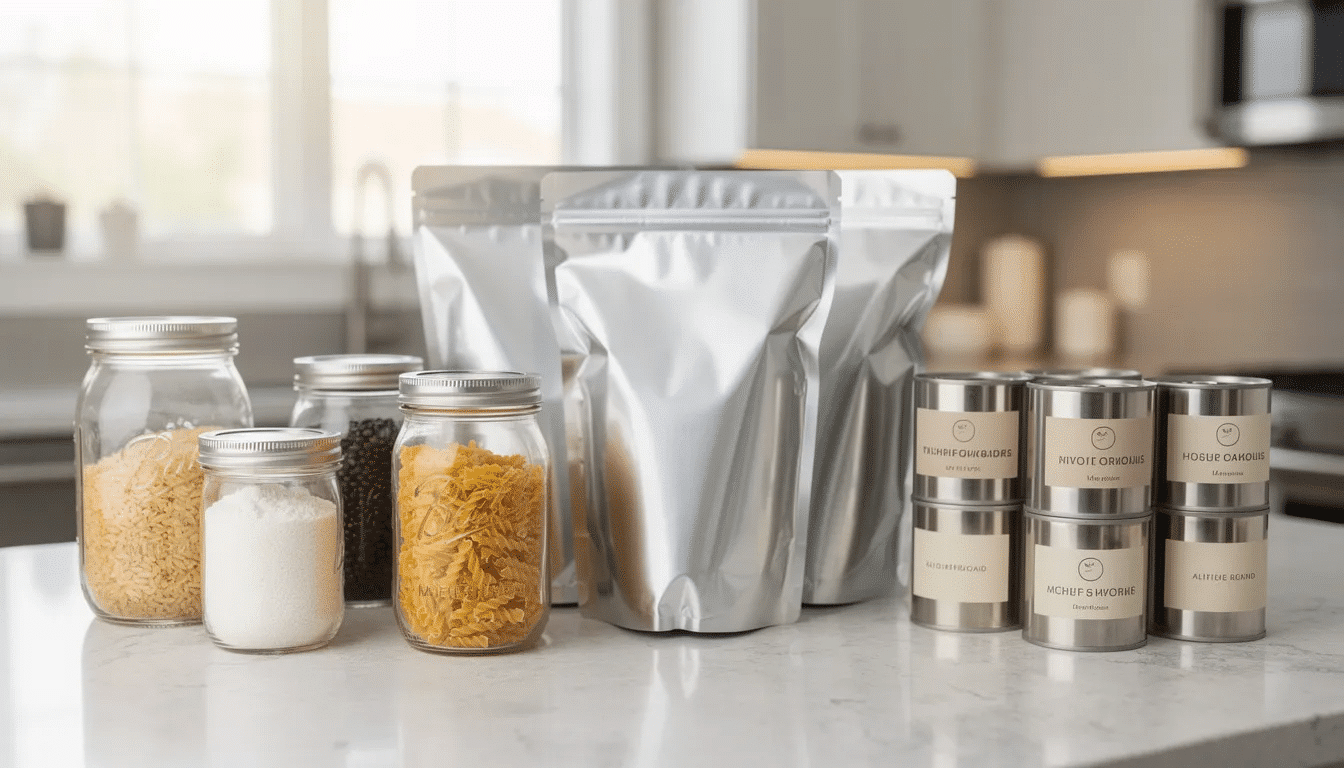
Common packaging options and their typical performance:
Mylar bags with oxygen absorbers: Best for 10–25+ years. The metalized film blocks light completely, and proper heat-sealing creates a true barrier against air and moisture. This is the most cost-effective option for serious long term storage.
#10 cans (steel cans with enamel lining and oxygen absorbers): Often rated 20–30 years for fruits like apples and peaches. These offer excellent pest protection and durability but require specialized sealing equipment costing $300 or more.
Mason jars (vacuum sealed if possible): Good for 5–15 years if kept in a dark place. Glass doesn’t block light, so storage in a dark cupboard is essential. Glass jars work well for medium-term pantry staples you plan to rotate through.
Retail foil pouches without long-term oxygen absorbers: Often labeled with 2–5 year best-by dates. Practical life can extend longer if unopened and stored in cool conditions, but these aren’t designed for true emergency preparedness storage.
Regular thin plastic bags or zip-top bags: Suitable only for short-term use (months to a couple of years). These materials allow slow air and moisture exchange through the plastic itself, even when sealed.
Understanding oxygen absorbers:
Oxygen absorbers are small packets that remove residual oxygen inside a sealed airtight container. They work by containing iron powder that oxidizes when exposed to air, scavenging up to 99% of available oxygen. This process:
Slows oxidation that causes rancidity and flavor degradation
Prevents most aerobic microbes from growing
Helps maintain the crisp texture of freeze dried products
However, oxygen absorbers do not remove moisture. If your fruit wasn’t fully freeze dried before packaging, no absorber can fix that problem. Always ensure fruit is completely dry (crisp and snaps when broken) before sealing for long-term storage.
Correct absorber sizing matters—a 300cc absorber works for a quart-sized container, while gallon containers need 500cc or more. If you’re new to this, a dedicated guide on how to use oxygen absorbers for food storage can help you calculate amounts and avoid common mistakes. Partially used absorbers should be sealed immediately in a mason jar or vacuum sealed bags to maintain effectiveness.
How Long Do Freeze Dried Fruits Last Once Opened?
The moment you open a long-term package, the clock essentially resets. Air and humidity immediately begin affecting the fruit, and you’ll need to take steps to maximize shelf life from that point forward. This is why proper storage after opening is just as important as your initial packaging choice.
Post-opening timelines (assuming room-temperature storage in a cool, dry kitchen):
In a well-sealed airtight container with minimal headspace: Typically 6–18 months of good quality. The less air space in the container, the better.
In the original pouch, rolled down tightly and clipped: About 3–12 months, depending on local humidity levels and how often you open the pouch.
In a loosely closed bag or open bowl: Quality may drop noticeably within weeks. The fruit will remain safe to eat for a while but quickly loses its signature crunch and vibrant flavor.
Best practices for opened packages:
Portion large packages into several smaller airtight jars or Mylar bags so you only open what you’ll consume in a month or two
Use fresh oxygen absorbers if you’ll store opened but resealed Mylar for more than a few weeks
Keep opened containers in the same cool, dark, dry places recommended for unopened food storage
Consider transferring opened products to vacuum sealed bags if you have a vacuum sealer
In very humid climates, opened freeze dried fruits may pick up moisture within days, becoming chewy or sticky rather than crisp. If you live somewhere humid, consume opened packages faster or store them with extra protection like a dehumidified pantry or tight vacuum seal.
How to Tell If Freeze Dried Fruit Has Gone Bad
Even though freeze dried fruits present low spoilage risk, they can eventually degrade in quality enough to warrant disposal. Knowing what to look for helps you avoid consuming compromised food while also preventing unnecessary waste of perfectly good products, just as you would with other specific dried fruits such as long-lasting dried cranberries.
Clear signs of spoilage to watch for:
Visible mold, fuzz, or unusual spots: Any black, green, white, or fuzzy growths indicate moisture contamination and bacterial or fungal activity
Significant discoloration: Changes that don’t match normal aging, such as strawberries turning almost black or brown furry patches appearing on any fruit
Texture changes: Pieces that were once crisp now feel damp, gummy, slimy, or sticky instead of just slightly chewy—this indicates moisture absorption
Off smells: Sour, rancid, “paint-like,” musty, or otherwise unpleasant odors when you open the container
Packaging failures: Swollen pouches (indicating gas-producing bacteria), rusted cans, visible pinholes in Mylar, or obviously compromised seals
Gradual loss of crunch or faded taste alone isn’t inherently dangerous. Fruit that’s past its peak quality but shows no spoilage signs may still be perfectly usable for baking, adding to smoothies, or rehydrating in various recipes where texture matters less.
When in doubt, throw it out. If you notice any questionable smell, odd color, or visible growth, discard the product rather than risk foodborne illness.
Freeze Dried Fruit vs. Other Preserved Fruits (Shelf Life Compared)
Understanding how freeze dried fruit stacks up against other preservation methods helps you make informed decisions about food storage strategies. The freeze drying process removes significantly more moisture than conventional methods, which is why it dramatically extends shelf life at room temperature compared with traditional food dehydrators that leave more residual moisture.
Comparison of preservation methods (unopened, properly stored):
Freeze dried fruit: 10–25+ years, with some apples reaching 30 years. Retains 90–97% of nutritional value and original flavor. No refrigeration needed.
Regular dehydrated fruit (air-dried or machine-dried): Usually 1–5 years depending on dryness and packaging. Retains 15–25% residual moisture, making it more susceptible to mold. Can lose up to 50% of vitamin C due to higher drying temperatures of 125–135°F. If you’re interested in this method, a detailed guide on what fruit you can dehydrate at home explains options, equipment, and storage.
Commercial dried fruit in retail packaging: Often labeled for 6–18 months of best quality. Can sometimes last 2–3 years in ideal conditions but quality declines faster.
Canned fruit: Typically 1–5 years at best quality. Safety may extend longer, but taste and texture decline sooner. Requires significant storage space and weight.
Frozen fruit: About 8–12 months for best quality, even though it may remain safe longer if kept at 0°F (−18°C) without thaw cycles. Requires continuous power supply.
For very long-term, no-power storage—whether for emergency preparedness, extended camping trips, or remote cabin supply—freeze dried fruit is usually the best option. It’s also three times lighter than canned alternatives, making it a popular choice for backpacking and situations where weight and space matter.
The main tradeoff is cost: freeze dried products typically run 5–10 times more expensive than traditionally dried fruit, and home freeze-drying equipment like Harvest Right machines costs $2,000 or more, which is why some people experiment with freeze drying food without a machine using low-tech, longer-term methods.
Best Practices to Maximize How Long Your Freeze Dried Fruits Last
Combining proper drying, smart packaging, and consistent storage habits is what delivers decades-long shelf life. Following these guidelines will help ensure your investment in freeze dried products pays off for years to come.
Your checklist for maximum shelf life:
Choose long-term packaging: Use Mylar bags or #10 cans with correctly sized oxygen absorbers for anything you plan to store 10+ years. This is non-negotiable for serious emergency food supply building.
Store smart: Keep all freeze dried fruits in cool (ideally 50–70°F / 10–21°C), dry, dark locations away from temperature swings and appliances that produce heat. Interior rooms tend to have more stable temperatures than exterior walls.
Limit oxygen exposure: Open large containers only when you can portion fruit into smaller airtight containers you’ll use within a few months. Every exposure introduces fresh oxygen and humidity.
Label everything: Write fruit type, packaging date, and estimated “best by” range (e.g., “Packed 2025 – Best before ~2040–2045”) on every container. This makes rotation simple and prevents guesswork.
Rotate stock: For home pantries and emergency stores, use the “first in, first out” principle to enjoy older fruit first and keep inventory fresh. Experts recommend consuming stored fruit within 10–12 years for best nutrition, even if safety extends much longer.
Inspect periodically: Check long-stored packages once or twice a year for damage, swelling, leaks, rust, or obvious spoilage. Catching problems early prevents surprises when you actually need the food.
Consider your climate: In humid regions, add extra desiccant packets to storage areas and prioritize airtight containers designed for dried fruits or vacuum sealed bags over simple clips for opened packages.
With these practices in place, your freeze dried fruits can provide convenient, nutritious snacks and versatile ingredients for meals that stay fresh, safe, and tasty for many years—whether you’re reaching for them on a weekday afternoon or during an emergency when other food options aren’t available. Start by reviewing your current storage setup and making small improvements today; even minor changes in temperature, light exposure, or container choice can significantly extend the useful life of your freeze dried products.
DannyContent Writer
Hey there, since 2016, my mission has been to provide you with the information and guides you need to make food dehydrating simple and fun. Whether you're a newbie or a seasoned pro, my site offers helpful guides, reviews, and recipes to enhance your dehydrating experience. I take pride in only recommending products I believe in, ensuring my readers' trust. As an affiliate of various programs, including Amazon Associates, your support helps me continue providing quality content. Thanks for stopping by, and happy dehydrating!