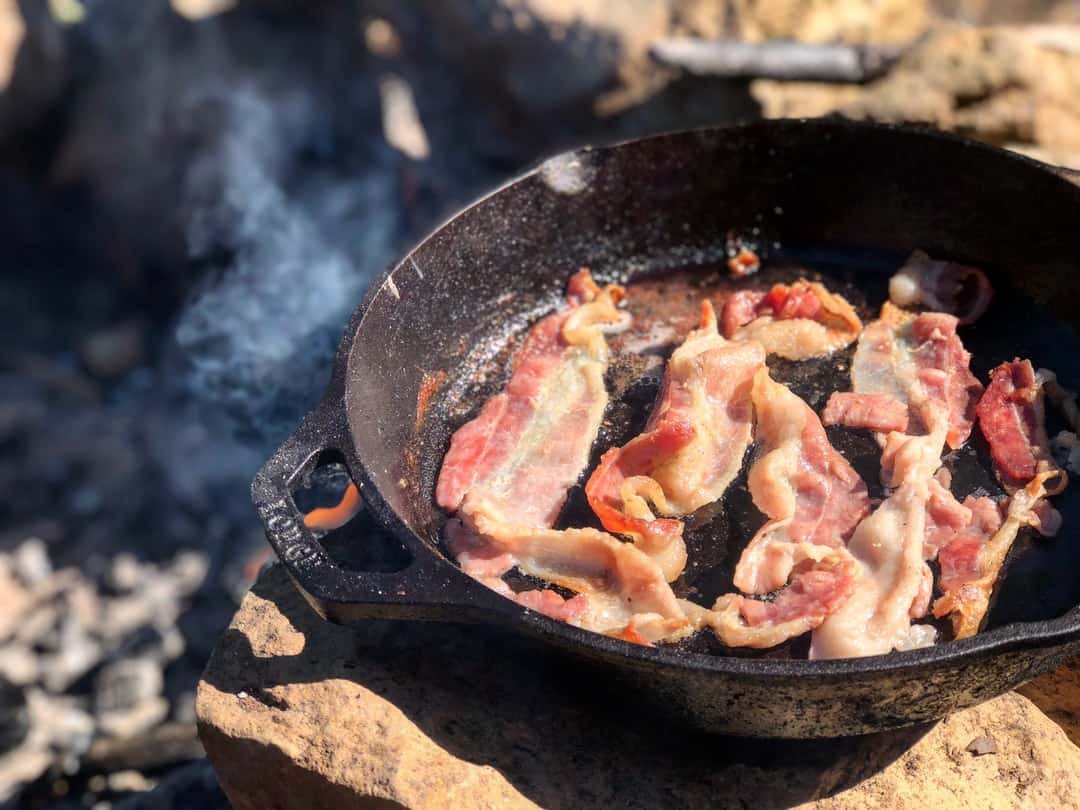
Dehydrating bacon is a popular method for preserving this beloved meat, making it a convenient, protein-rich snack for home cooks, hikers, and jerky enthusiasts alike. Whether you’re looking to extend the shelf life of your bacon, create portable snacks for the trail, or experiment with homemade bacon jerky, this guide will walk you through everything you need to know.
In this article, we’ll cover how to dehydrate bacon safely, provide essential safety tips, outline the equipment you’ll need, and offer advice on proper storage. We’ll also discuss the benefits of dehydrating bacon and how to make bacon jerky—a protein-rich snack made by marinating and dehydrating bacon strips. If you’re searching for information on dehydrating bacon or making bacon jerky, you’re in the right place!
What is Bacon Jerky?
Bacon jerky is a protein-rich snack that can be made from dehydrated bacon. You can make bacon jerky by marinating bacon and dehydrating it, resulting in a flavorful, shelf-stable treat perfect for snacking or adding to meals.
Quick Summary: How to Dehydrate Bacon
Here’s a concise overview of the complete process for dehydrating bacon, including safety, preparation, and storage:
- Pre-cook the Bacon:
Pre-cook bacon at 350°F for 15–20 minutes to ensure safety and eliminate parasites.
- Cut the Strips:
Cut bacon strips in half for easier handling and even drying.
- Marinate for Flavor (Optional):
For bacon jerky, marinate the bacon for up to 24 hours before dehydrating to enhance flavor.
- Arrange and Dehydrate:
Place bacon strips on dehydrator trays, ensuring they don’t overlap.
Set your food dehydrator to 160°F–165°F. Dehydrate for 4–6 hours, or until the bacon is dry, leathery, and shows ‘spider webbing’ when bent.
- Pat Off Grease:
Every hour during dehydration, pat bacon dry with paper towels to remove excess surface grease.
- Check for Doneness:
Bacon is done when it is dry, leathery, and flexible, with no visible moisture.
- Safe Storage:
- Store bacon jerky in airtight zip-top or vacuum-sealed bags for up to 2 weeks in the refrigerator, or freeze for up to 6 months.
- For longer storage, use Mylar bags with oxygen absorbers.
- Due to high fat content, consume within a few days if not refrigerated, as fat can go rancid.
Benefits of Dehydrating Bacon:
- High-calorie, protein-rich snack ideal for hiking and trail use.
- Concentrates the savory, smoky flavor for a delicious treat.
- Versatile: add to soups, pasta, salads, or rehydrate for recipes.
- Lightweight and space-saving for storage and travel.
Can You Dehydrate Raw Bacon?
First, let’s address a basic question: should you dehydrate raw bacon or should you cook it first?
While dehydrating meat makes it shelf-stable (can be safely stored without refrigeration), the USDA is clear: when you dehydrate uncooked meat at home, pathogenic bacteria are likely to survive the lower temperatures of a dehydrator. You don’t have to worry about trichinosis if you follow proper cooking guidelines, as heating bacon to the right temperature eliminates the risk.
In order to dehydrate the meat instead of baking it, the bacon goes into an oven or dehydrator at 130 to 140 degrees Fahrenheit for about six to eight hours. That’s within the danger zone for bacteria that cause food poisoning.
So, if you want to make safe and healthy jerky at home, it’s generally best to cook the bacon first before starting the dehydrating process. To ensure safety, pre-cook bacon at 350°F for 15–20 minutes before dehydrating. It’s important to reach specific temperature points: bacon must be heated to at least 145º Fahrenheit to eliminate the possibility of parasites, and always ensure the bacon reaches an internal temperature of 165°F during dehydration to kill potential pathogens.
Transition:
Now that we’ve covered the safety of dehydrating bacon, let’s look at the equipment and steps needed.
Dehydrating Bacon in a Food Dehydrator
Dehydrating bacon is a straightforward process, but it requires attention to food safety. For best results, always pre-cook your bacon at 350°F for 15–20 minutes to eliminate parasites and bacteria. Use a food dehydrator set to 160°F–165°F, and ensure the bacon reaches an internal temperature of 165°F during dehydration to kill any remaining pathogens. The best method is to bake or pan-fry bacon until cooked and mostly fat-rendered, then dehydrate at 160°F–165°F for 4–6 hours.
Equipment Needed
- Thick cut bacon (recommended for making bacon jerky; holds up better during dehydration)
- Food dehydrator (settable to 160°F–165°F)
- Skillet, pan, or cookie sheet (for pre-cooking bacon)
- Paper towels (for patting off grease)
- Drying trays (for arranging bacon in the dehydrator)
- Airtight container or zip-top/vacuum-sealed bags (for storage)
Step-by-Step Process
- Pre-cook the Bacon:
- Cook bacon in the oven at 350°F for 15–20 minutes, or pan-fry until cooked and mostly fat-rendered.
- For easier handling and even drying, cut bacon strips in half before cooking.
- Drain and Pat Dry:
- Wrap each strip of bacon in paper towels to drain extra grease.
- Ensure visible fat is cleaned before dehydrating to prevent rancidity.
- (Optional) Marinate for Flavor:
- For bacon jerky, marinate the cooked bacon in your favorite marinade for up to 24 hours in the refrigerator.
- Arrange on Dehydrator Trays:
- Place bacon strips on the dehydrator trays, leaving at least 1/2 inch of space between them.
- Season (Optional):
- Apply a dry rub or seasoning of your choice (e.g., brown sugar, garlic powder, black pepper, or maple syrup).
- Dehydrate:
- Set the dehydrator to 160°F–165°F.
- Dehydrate for 4–6 hours.
- Every hour, remove trays and pat bacon dry with paper towels to remove excess surface grease.
- Check for Doneness:
- Bacon is finished when it is dry, leathery, and shows ‘spider webbing’ when bent.
- Cool and Store:
- Allow bacon to cool completely.
- Store in airtight zip-top or vacuum-sealed bags.
- For longer storage, use Mylar bags with oxygen absorbers.
Transition:
With the process and equipment covered, let’s explore the benefits of dehydrating bacon and how to store it for maximum shelf life.
Benefits of Dehydrating Bacon
Dehydrating bacon offers several advantages, especially for those who need portable, high-energy foods:
- Extended Shelf Life:
Dehydrated bacon can be stored for weeks or months, making it ideal for meal prep, hiking, and emergency supplies.
- High-Calorie, Protein-Rich Snack:
Perfect for hikers, backpackers, and anyone needing a quick energy boost.
- Intense Flavor:
The dehydration process concentrates the savory, smoky flavor of the meat, creating a delicious snack.
- Versatility:
Add dehydrated bacon to soups, pasta, salads, or rehydrate in water for use in various recipes.
- Space-Saving:
Dehydrated bacon takes up less space and is lighter than fresh or cooked bacon, making it easy to pack for trips.
Transition:
Now that you know the benefits, let’s discuss how long bacon can be safely stored and the best storage methods.
How Long Can Raw Bacon Be Out of the Fridge?
- Mass-produced bacon:
- Use or freeze within seven days of opening.
- Raw meat should not sit out for more than four hours.
- After cooking, use or refrigerate within four days.
- Dry-cured bacon:
- More resistant to bacteria due to high salt content.
- Use within 10 days unrefrigerated, or within a month if refrigerated.
Transition:
Understanding storage times for raw bacon is important, but let’s return to the necessity of cooking bacon before dehydration.
Is it Necessary to Cook Bacon Before Dehydrating It?
Although dehydrating your bacon prolongs its shelf life, you should follow the safety rules. Bacon has numerous bacteria and parasites that may likely survive the low temperature of a food dehydrator. To eliminate these harmful microorganisms, cooking your bacon before dehydrating it is recommended.
Transition:
Next, let’s clarify whether dehydrating bacon alone is enough to kill bacteria.
Does Dehydrating Bacon Kill the Bacteria Present?
- Dehydrating bacon kills off some bacteria, but not all.
The dehydrator’s temperature is not high enough to eliminate all harmful microorganisms present in the bacon.
- Recommended Steps for Safety:
- Freeze bacon for 1–2 months before dehydrating to kill parasites (optional but helpful).
- Thaw in the refrigerator, not at room temperature.
- Heat bacon to about 160°F before dehydration.
- Dehydrate at 140°F–165°F to ensure safety.
Transition:
Now, let’s look at how to store your dehydrated bacon and how long it will last.
How Long Does Dehydrated Bacon Last?
- Short-Term Storage:
- Store bacon jerky in airtight zip-top or vacuum-sealed bags for up to 2 weeks in the refrigerator.
- If not consumed within 3–4 days, refrigerate for 2–3 weeks or freeze for several months.
- Long-Term Storage:
- Use Mylar bags with oxygen absorbers for multi-year storage.
- Dehydrated bacon can be stored in ziplock bags for several months if kept in a cool, dark place.
- Important Note:
- Due to high fat content, bacon can go rancid. Consume within a few days if not refrigerated.
- Best Practices:
- Always soak up extra grease with paper towels before storage.
- Store in perfectly sealed plastic containers or bags.
Transition:
If you love making bacon jerky and other dehydrated foods, consider investing in a quality dehydrator.
Love Your Bacon Jerky? Get a Jerky Dehydrator
If you love jerky and dehydrated foods, why not splurge on a dehydrator so you can start dehydrating bacon at home? Try making homemade bacon jerky with your dehydrator for a delicious, portable snack.
Check out our picks for the best dehydrators to find one that meets your needs. If you’ve never used a dehydrator before, check out this guide.
Once the bacon is done, allow it to cool completely and store it in a sealed container or bag.
And there you have it! Your very own homemade bacon jerky.
Hey there, since 2016, my mission has been to provide you with the information and guides you need to make food dehydrating simple and fun. Whether you're a newbie or a seasoned pro, my site offers helpful guides, reviews, and recipes to enhance your dehydrating experience. I take pride in only recommending products I believe in, ensuring my readers' trust. As an affiliate of various programs, including Amazon Associates, your support helps me continue providing quality content. Thanks for stopping by, and happy dehydrating!