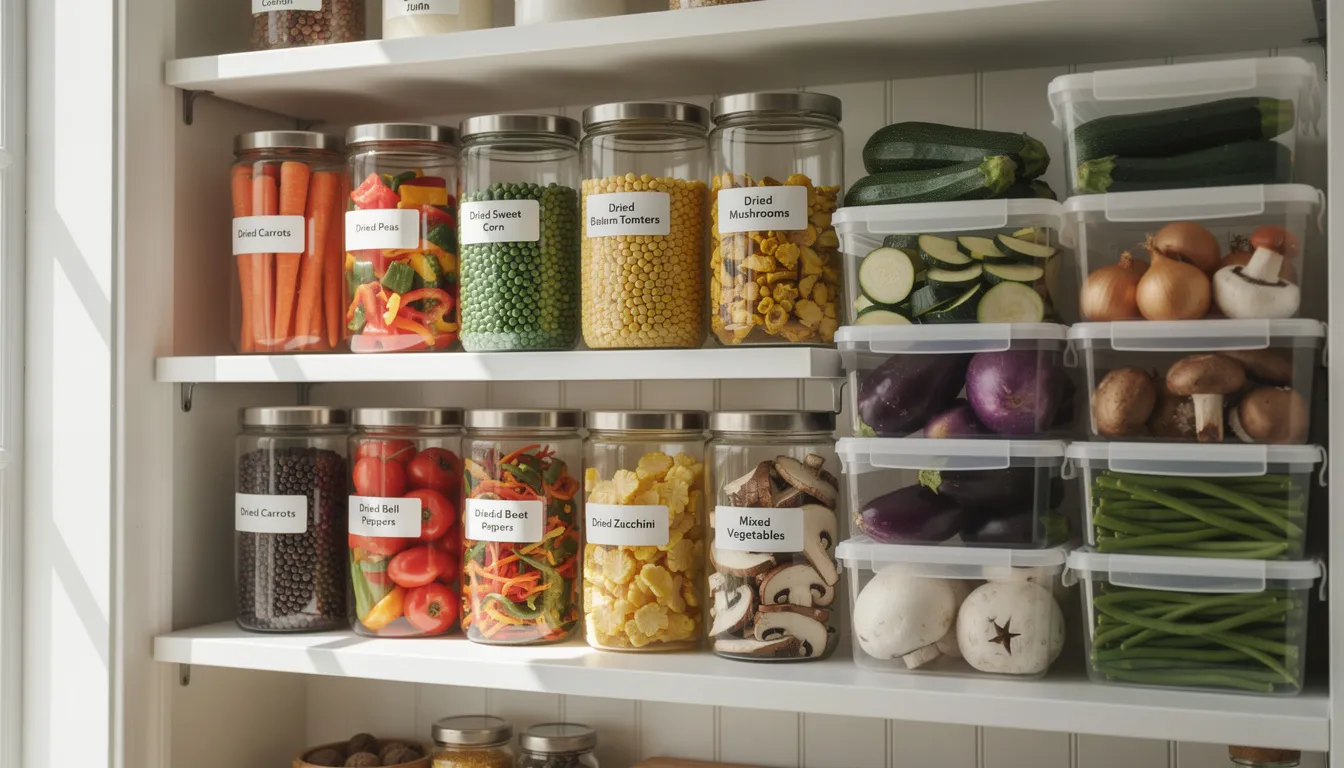
When you’ve invested hours into drying your harvest, the last thing you want is to watch those perfectly dehydrated carrots or tomatoes go soft, stale, or moldy within weeks. The container you choose for storing dried vegetables determines whether your work pays off for months—or years.
Quick Answer: Best Containers for Storing Dried Vegetables
Dried vegetables last longest when stored in airtight, opaque, food-safe containers kept in a cool, dark place. The ideal storage temperature sits around 60–70°F (16–21°C), where quality degrades slowly. At 80°F, shelf life drops by roughly half compared to storage at 60°F.
Top container options for dried vegetables:
Mylar bags with oxygen absorbers — the gold standard for long term storage
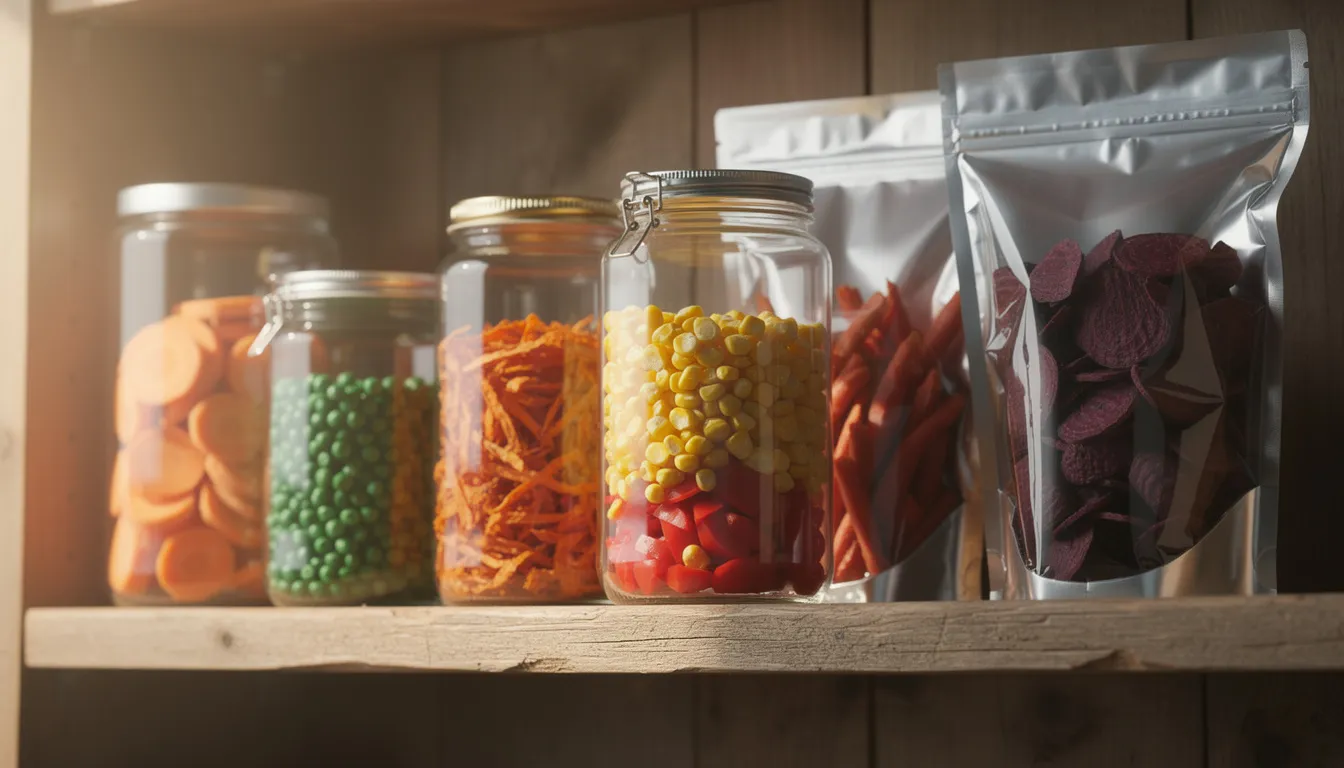
Glass mason jars — widely available, reusable, and excellent for visible pantry storage
Repurposed commercial glass jars — cost-free option for medium-term storage
Clamp-lid jars (Weck-style) — decorative and functional with replaceable gaskets
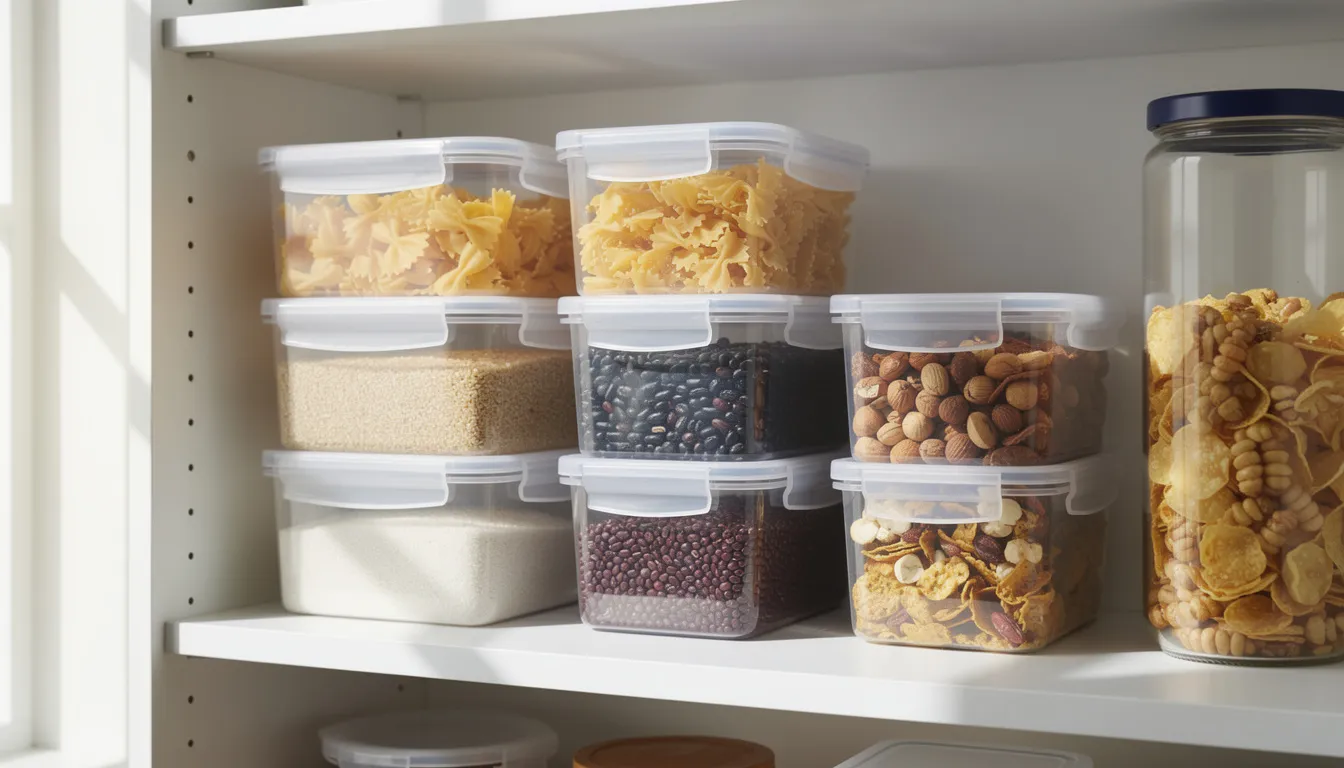
Rigid plastic or acrylic containers — lightweight and stackable for everyday access
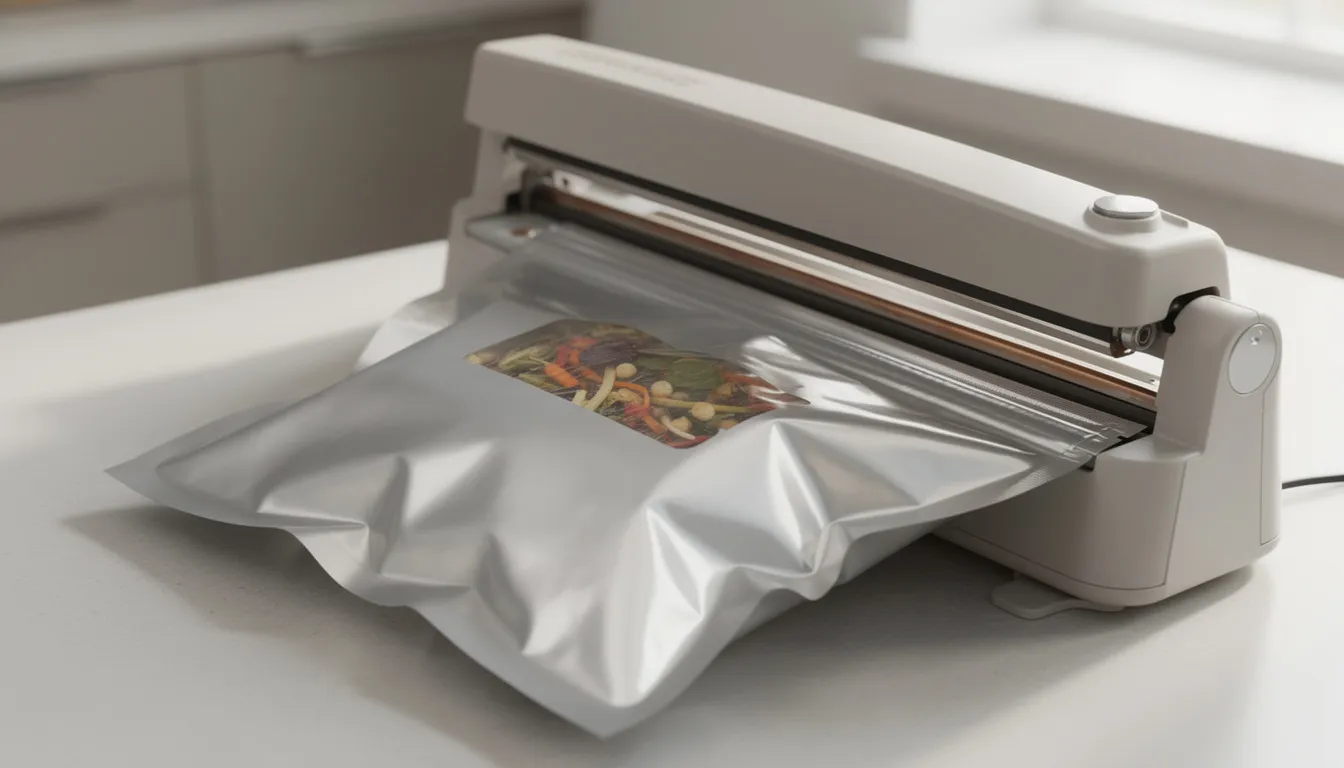
Vacuum seal bags — removes air effectively but requires dark storage
Shelf life comparison by container type:
Mylar + oxygen absorbers: up to 10+ years in optimal conditions
Vacuum-sealed jars: up to 5+ years with proper preparation
Simple airtight pantry jars: 1–2 years with cool, dark storage
Why Container Choice Matters for Dried Vegetables
Four enemies constantly threaten your dehydrated vegetables: air, moisture, light, and heat. Oxygen triggers oxidation that degrades flavor, color, and nutritional content over time. Remaining moisture in improperly dried produce—or humidity that sneaks in through poor seals—creates conditions for mold growth and spoilage. Light, especially UV rays, breaks down vitamins and fades colors. Temperature accelerates all these processes, which is why storage temperature matters as much as the container itself, just as proper food dehydrator use and drying technique matters during the initial preservation stage.
Dried vegetables should reach approximately 10% moisture content before packaging—they should snap or crumble rather than bend, indicating they’re brittle enough for safe storage.
An airtight seal means no aroma leakage, no humidity exchange with the surrounding air, and a lid or closure that maintains consistent pressure without gaps.
Containers alone cannot preserve dried produce indefinitely; they must work alongside cool conditions (around 60–70°F / 16–21°C) and darkness for best results.
Avoid thin, non-sealing bags or cardboard boxes that allow air circulation, even if stored inside a pantry cabinet—these materials offer almost no protection against moisture reabsorption.
Mylar Bags With Oxygen Absorbers
Mylar bags represent the gold standard for long term storage of dehydrated vegetables in home pantries, especially when paired with the best foods to dehydrate for long-term storage. Made from metalized polyester, these bags create an effective barrier against light, oxygen, and moisture—the three primary threats to stored vegetables.
Common thicknesses range from 5 to 7 mil, with sizes from 1-gallon (ideal for single-vegetable batches) to 5-gallon (suited for bulk dried carrots, onions, or mixed soup blends). Thicker material provides better puncture resistance.
To pack food properly: fill bags with fully cooled, completely dry vegetables, add appropriately sized oxygen absorbers (300–500 cc for 1-gallon bags), then seal with an impulse sealer or a household iron set to medium-high heat.
Properly sealed Mylar blocks light completely and dramatically reduces oxygen levels, allowing storage of very dry vegetables for 5–10+ years when kept in a cool, dark location below 70°F, maximizing the general benefits of dehydrating food for long-term storage.
Mylar is vulnerable to punctures from sharp vegetable pieces or rough handling—place sealed bags inside rigid containers like plastic bins or food-grade buckets for physical protection and rodent resistance.
Label each bag clearly with vegetable type, drying date, and a conservative best-by date. Store bags flat or standing upright in crates for easy rotation and visual inventory checks.
Canning / Mason Jars for Dried Vegetables
Glass canning or mason jars remain the most popular storage containers for everyday dried vegetable storage. Their transparency allows quick visual checks, and their widespread availability makes them accessible to nearly everyone, and when used correctly they’re one of the best options for storing dehydrated food in Mason jars for long-term freshness.
Wide-mouth quart jars work particularly well for larger dried vegetables like tomato halves or pepper rings, while pint jars suit smaller items like dried onion flakes or celery bits. The key to success lies in proper preparation and sealing technique.
Fill completely cooled, brittle vegetables into clean, dry jars, leaving minimal headspace to reduce trapped air. Vegetables should cool completely on trays or racks before packaging to prevent condensation inside the glass containers.
Two closure methods work well: standard two-piece canning lids (new lids provide the best seal) for long-term storage, and screw-on storage lids for jars you’ll open frequently.
Vacuum-sealing attachments designed for mason jars significantly improve oxygen removal. Using a vacuum sealer with a jar attachment can extend shelf life to several years by removing the air that causes oxidation, which aligns with how vacuum sealing affects dehydrated food shelf life.
Advantages include: inert glass that won’t absorb flavors, no chemical transfer to food, transparency for quick moisture checks, complete reusability, and availability at most grocery store locations and hardware shops.
Drawbacks exist: glass breaks if dropped, and transparency means jars must be stored away from light—in dark cupboards, wrapped in paper, or placed inside opaque bins to protect color and nutrients.
Label the lid or jar side with contents, drying date, and whether oxygen absorbers or vacuum sealing were used. This information proves invaluable for maintaining proper rotation.
Repurposed Commercial Glass Jars
Jars from store-bought sauces, jams, and pickles offer a budget-friendly option for storing dried vegetables. With proper cleaning and inspection, these free containers can serve medium-term storage needs perfectly well, particularly when you’re working with the best vegetables for food dehydration.
Test each lid for a firm “click” and resistance when closed—not all repurposed lids remain reliably airtight after their original contents are gone. If the lid doesn’t feel secure, reserve that jar for other foods or recycle it.
Repurposed jars work best for medium-term storage (several months to a year) of items used frequently, like dried onions, peppers, or celery bits that you’ll reach for regularly.
Thorough cleaning matters: wash jars and lids in hot, soapy water, rinse completely, and allow to air-dry fully before adding any dried produce. Trapped excess moisture or lingering food odors can transfer to your vegetables.
Any jars with rust spots, warped lids, damaged seals, or chips along the rim should be recycled rather than used for food storage—compromised containers cannot maintain the airtight environment dried vegetables require.
Store these jars in a dark cupboard or wrap them in paper to prevent light degradation of color and vitamins, just as you would with purpose-made glass jars.
Clamp-Lid Jars and Weck-Style Containers
Traditional clamp-lid jars featuring wire bails and rubber or silicone gaskets combine aesthetic appeal with practical functionality. Weck-style jars with their distinctive glass lids and rubber rings offer similar benefits with a European design sensibility.
High-quality glass clamp jars with intact silicone or rubber rings provide a very good airtight seal, suitable for 1–3 years of storage when kept in proper conditions.
Both glass and acrylic versions exist. Glass is completely inert and won’t absorb odors, while acrylic is lighter and shatter-resistant but may scratch over time or retain faint smells from strongly flavored vegetables.
Gaskets require periodic replacement when they become dry, cracked, or permanently compressed from repeated use. Check gaskets annually and replace them to maintain airtightness—a failed gasket turns an expensive jar into a decorative paperweight.
These containers excel for pantry-ready mixes such as dried vegetable soup blends, stir-fry mixes, or seasoning combinations that you’ll open and use regularly. Their easy-open design suits frequently accessed dehydrated foods.
Despite excellent sealing ability, keep these jars away from direct light, heat sources, and areas above stoves where temperature fluctuates. The seal works only if storage conditions cooperate.
Rigid Plastic and Acrylic Storage Containers
A clear distinction exists between truly airtight rigid containers—those with silicone gaskets and locking mechanisms—and generic plastic tubs designed for short-term refrigerator storage. Only the former belongs in your dried vegetable storage system, especially if you’re using the best vegetable dehydrator machines to produce large batches.
Common styles include modular pantry containers with push-button lids, gasket-sealed snap-lock boxes, and stackable systems with uniform dimensions. Typical capacities range from 0.5 to 4 liters, covering everything from small herb batches to large dried vegetable quantities.
Choose only BPA free, food-grade plastics with a clearly labeled “airtight” seal from the manufacturer. Marketing terms like “fresh seal” or “flavor lock” don’t always mean truly airtight—look for specifications mentioning gaskets or silicone rings.
Rigid containers work well for everyday access to dried vegetables stored in cabinets or on pantry shelves. Expect shelf life of 6–24 months depending on how well you maintain cool, dark conditions.
Advantages include lightweight construction, stackability for efficient space use, impact resistance that forgives drops, and often transparency for quick identification of contents.
Some older or inexpensive plastic containers may warp near heat sources, stain from certain vegetables, or lose their seal over time. Monitor these containers for air leaks and replace any that no longer close firmly or show visible damage to gaskets.
Vacuum Seal Bags and Vacuum-Sealed Containers
Vacuum sealing removes most of the air surrounding dried vegetables, dramatically reducing oxidation rates and eliminating habitat for insects. This method bridges the gap between simple pantry storage and full preparedness-level preservation.
Typical use involves filling textured vacuum bags with cooled dried vegetables, sealing with a countertop vacuum sealer, and labeling each package with contents, date, and any additional protection used (like desiccant packets). Choosing among the best vacuum sealers for dried food storage will make this process faster and more reliable.
Vacuum bags are not light-proof. Protect color, texture, and nutrients by storing sealed bags inside opaque bins, boxes, or dark cupboards rather than leaving them exposed on shelves.
While vacuum sealing excels at reducing oxygen exposure, it doesn’t fully replace the combined benefits of Mylar bags, oxygen absorbers, and cool storage for very long-term preparedness. Consider vacuum sealing as excellent for 1–5 year storage horizons.
Double-seal bag seams for added security and check seals after 24 hours to ensure they haven’t failed or lost vacuum. A bag that re-inflates indicates a compromised seal and needs resealing or transfer to a different bag.
Containers and Conditions to Avoid
Even perfectly dehydrated vegetables will spoil quickly in the wrong container or location. Understanding what to avoid proves just as important as knowing what works.
Poor container choices include: thin zipper-top sandwich bags, paper bags, unlined cardboard boxes, and loosely covered bowls or dishes. None of these provide the barrier dried vegetables require.
These materials allow air, moisture, and odors to move freely in and out, leading to softening, off-flavors, moisture reabsorption, and potential mold growth within weeks rather than months.
Never store dried produce above stoves, next to ovens or other heat sources, on sunny windowsills, or in damp locations like basements and under-sink cabinets. Heat accelerates quality loss while humidity invites spoilage.
Even in humid climates with good containers, conduct regular inspections of long-stored vegetables. Check for signs of condensation inside containers, pest activity, off-smells, or color changes. Discard any suspect contents entirely—moldy dried vegetables cannot be saved by re-drying.
The non-negotiable requirements remain consistent: food-safe materials, true airtightness, cool temperatures (ideally 60–70°F), and darkness. Compromise on any of these factors, and storage times will drop dramatically regardless of which container you choose.
Practical Tips for Filling, Labeling, and Rotating Containers
The best storage containers perform optimally only when paired with careful filling, labeling, and rotation habits. These practices transform good containers into a reliable system for storing dehydrated foods.
Always cool dried vegetables completely on trays or racks before packaging. Warm vegetables release residual heat as moisture, creating condensation inside fresh containers that leads to mold growth and spoilage.
Pack in small batches—meal-size or weekly-use portions—to reduce repeated opening and re-sealing of large container quantities. Each time you open a sealed container, you introduce fresh air and humidity.
Label every container clearly with: vegetable type, drying date, packaging method (vacuum sealed, Mylar + oxygen absorbers, etc.), and a suggested use-by timeframe based on your storage conditions.
Implement a simple First-In, First-Out (FIFO) rotation system. Place newly filled containers behind older ones and always use the oldest stock first. This prevents forgotten vegetables from degrading past their useful life, whether they were originally fresh or dehydrated from frozen vegetables for long-lasting flavor.
Consider adding food-safe desiccant packets or oxygen absorbers to glass jars and rigid containers when pursuing long term storage. These additions help maintain quality even if your storage environment isn’t perfectly stable.
Store containers at a consistent, cool temperature away from light. A dedicated pantry shelf, basement storage area, or climate-controlled closet works far better than a kitchen cabinet that experiences daily temperature swings from cooking.
The right vegetable storage container transforms your dried fruits and vegetables from a short-term convenience into a reliable long-term food source. Whether you’re building emergency preparedness supplies or simply want to enjoy your garden harvest year-round, matching your container choice to your storage goals makes all the difference.
Start with what you have available—mason jars and repurposed containers serve most home needs perfectly well. As your dehydrating practice grows, invest in Mylar bags, oxygen absorbers, and vacuum sealing equipment to extend storage times from months into years. The key is beginning with proper technique: determining dryness correctly, ensuring vegetables cool completely, choosing truly airtight containers, and committing to the cool, dark storage conditions that preserve quality and freshness over time.
DannyContent Writer
Hey there, since 2016, my mission has been to provide you with the information and guides you need to make food dehydrating simple and fun. Whether you're a newbie or a seasoned pro, my site offers helpful guides, reviews, and recipes to enhance your dehydrating experience. I take pride in only recommending products I believe in, ensuring my readers' trust. As an affiliate of various programs, including Amazon Associates, your support helps me continue providing quality content. Thanks for stopping by, and happy dehydrating!