We earn a commission if you make a purchase, at no additional cost to you.
09/22/2026 04:39 pm GMT
🍊 Dehydrated Food Info Finder — Temperatures & Drying Times
Choose a category, then pick a food to see its drying temperature and time.
⚠️ Safety Disclaimer: Drying times are estimates and vary based on slice thickness, food moisture content, humidity, and your dehydrator model. Always check for doneness before storing — food should feel dry, leathery, or brittle with no moist spots. Improperly dried food can harbour mould and bacteria. For meat and poultry, follow USDA safe internal temperature guidelines: beef and pork to 160°F (71°C), poultry to 165°F (74°C). Use a food thermometer when in doubt. Store all dehydrated foods in airtight containers in a cool, dark place and discard anything showing moisture, mould, or off odours.
Fresh bell peppers being dropped into water, creating a splash.
6 Best Raw Vegan Dehydrator Recipes: Raw Vegan Dehydrator Recipes
Raw vegan dehydrator recipes make it easier to follow a raw plant-based diet without giving up texture, flavor, or variety, and this guide rounds up six practical options: zucchini chips, raw lemon chia scones, flax crackers, chocolate chia granola, dried herbs, and raw black bread.
According to the Mayo Clinic, the health benefits of a raw diet are clear: people who follow plant-based diets eat fewer calories, weigh substantially less, and reduce their heart disease risk more than meat eaters. For home cooks and food preservation enthusiasts who want healthier meals, fewer processed ingredients, and better use of a dehydrator, raw recipes are a simple way to preserve more of a food’s natural nutrients while keeping prep affordable.
Many credit the Swiss physician Maximilian Bircher-Benner as the grandfather of the raw diet movement, which began in the 1800s. After Bircher-Benner came down with jaundice, he treated it by eating raw apples, which he suggested cured him.
The doctor believed that raw food gained its nutritional qualities from the energy of the sun. He continued experimenting with raw food as a treatment for all sorts of ailments and is responsible for creating muesli – raw oats, fruit, and nuts.
Along with the recipes, you’ll see what a raw vegan diet involves, the basic rules behind it, the benefits of raw foods, and why a dehydrator is one of the most useful tools for making nutrient-dense meals at home. Experimenting with food dehydrator recipes can also help you save money while enjoying satisfying raw vegan food.
What is a Vegan Raw Diet?
A vegan raw diet is exactly what it sounds like: eating raw foods. Not only will you be reaping the health rewards of this type of diet, but you’ll be saving on your energy bill, too, because your oven won’t be needed.
The basic idea behind this type of diet is that raw food contains plenty of healthy enzymes and nutrients. However, when you cook or microwave these foods, their nutritional value gets zapped. Enzymes are believed to help improve your digestion and keep chronic diseases at bay. Additionally, a raw vegan diet helps avoid junk food, offering a healthier alternative to processed snacks.
Some say a raw food diet can also help with allergies, arthritis, blood pressure, heart disease, and diabetes.
Vegan Raw Diet Rules
Your primary source of nutrition comes from fruits, vegetables, seeds, nuts, grains, and legumes. A few things to consider when following a vegan raw diet:
Only raw, unpasteurized, pesticide-free foods are allowed
Food must be served between 104 – 118 degrees to be considered raw
Oven-free preparation is a must but food processors, blenders, and dehydrators are acceptable
It is crucial to maintain the temperature setting at 115 degrees F or below during the dehydration process to preserve the enzymes in raw food.
Dehydrators are an especially great way to retain all of the nutrients without compromising the taste, especially when you use a dedicated raw food dehydrator. We suggest trying a few of our fantastic food dehydrator recipes below.
Top Reasons to Dehydrate Your Food
Using a food dehydrator is a great tool for success in your raw vegan diet. Not only does it preserve all of the raw nutrients in your foods, it saves you time and money in the long run.
Save time and money by making your own food dehydrator recipes. Check out the seven tasty ones we’re sharing below.
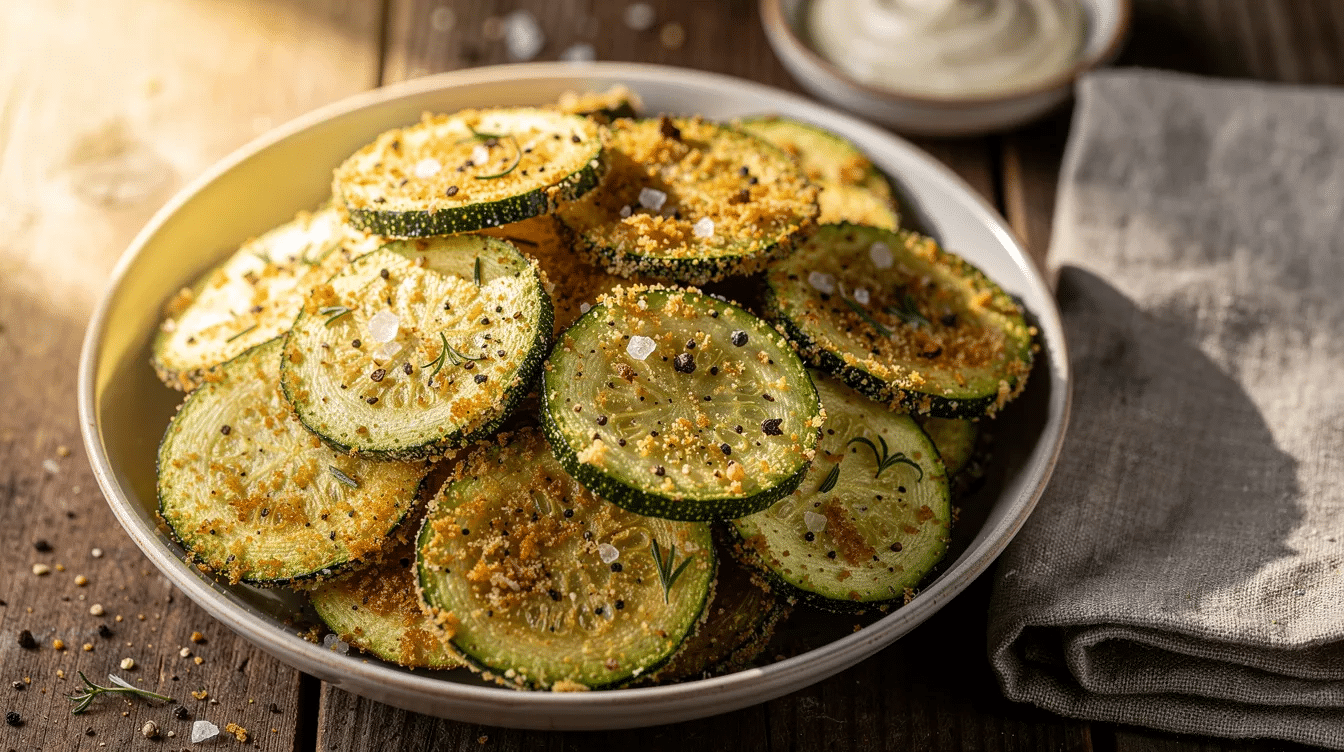
1. Zucchini Chips
Zucchini chips are a healthy alternative to potato chips and are so simple to make. Kale chips are another nutritious and delicious option, offering a guilt-free indulgence. Sweet potatoes also make for great chips, too.
Ingredients
8 cups thinly sliced zucchini
1/2 cup agave
1/4 cup balsamic vinegar
1/4 cup olive oil
2 tbsp. dried oregano
2 tbsp. dried basil
2 tbsp. dried parsley
1 tbsp. garlic powder
1 tbsp. onion powder
1 tsp. salt
1 tsp. pepper
1 tsp. crushed red pepper flakes
Instructions
Place dry zucchini slices in a large dish with lid
Mix remaining ingredients together and pour over zucchini; cover and shake to coat zucchini.
Spread zucchini on lined dehydrator sheets at 145 degrees for one hour. Drop temperature to 120 degrees and dehydrate for 12 hours until crispy. Enjoy!
Blend flour, flaxseed, coconut flour, sea salt, in a bowl and set aside.
Add dates, vanilla, coconut, nectar juice, zest, and water to food processor until smooth.
Mix wet and dry ingredients together with mixer.
Stir chia seeds into batter; shape into eight scones and place on a dehydrator sheet. Dry for 12-14 hours at 115 degrees.
Glaze Instructions
Mix all ingredients together, adding small amounts of water at a time until smooth.
Drizzle over scones and sprinkle with chia seeds.
3. Flax Crackers
Eating flax crackers is a great way to get your daily fiber intake. They also work well for quick meals or simple toppings. Try these with soup or smear with avocado.
Ingredients
1/2 cup ground flax seeds
1/2 cup whole flax seeds
1/2 tsp. cumin
1 tbsp. garlic powder
1 tsp. smoked paprika
1 tsp. cayenne
1/4 cup sunflower seeds
1/2 cup nutritional yeast
1 cup water
Instructions
Add seeds to a blender and grind; mix in a bowl with remaining dry ingredients.
Add water and let sit for 15 minutes or until all water is absorbed.
Spread mixture on parchment paper; place in a food dehydrator for at least two hours. Mesh sheets help if you want a crisp finish, while solid silicone sheets are better for purees.
Cut and serve.
4. Chocolate Chia Granola
This tasty snack is a great option for snacking on a trail hike or while watching your favorite movie on Netflix.
Ingredients
1 1/2 cup rolled oats
1/2 cup coconut flakes
1/2 cup nut of your choice
1/4 cup chia seeds
1/4 cup cacao nibs
4-6 tbsp. maple syrup
2-3 tbsp. cacao powder
1/2 tsp. vanilla extract
A pinch of sea salt
Instructions
Mix together oats, coconut flakes, nuts, cacao nibs, chia seeds, and salt.
In a separate bowl, whisk together cacao powder, vanilla, and maple syrup until smooth.
Pour cacao mixture over oats until coated.
Put mixture on tray and pat; transfer to the dehydrator and dehydrate at 115 degrees for 10 hours, until dry.
Separate granola into bite-sized pieces. Store in airtight container, removing as much air as possible when sealing.
5. Dried Herbs
Drying your own herbs is a wonderful way to get the best taste of the freshest ingredients, and focusing on the top herbs to dehydrate for health benefits can make your efforts even more rewarding. Try this easy process today!
Ingredients
Any herbs of your choosing such as basil, parsley, oregano, mint, or chives, and consider using the best food dehydrator for herbs to preserve their flavor and aroma
Instructions
Trim any dead leaves and stems from herbs. Leave a small stem for handling herbs to prevent bruising.
Place a single layer of leaves on the dehydrator tray; cover with a screen if needed.
Store herbs whole until needed; crush before use, keeping in mind the right dried fresh herb conversion ratios when adding them to recipes. Dried herbs can keep for months when stored well, and dehydrated fruits can be stored for months without losing nutrients.
Check jars after a few days for moisture.
Vacuum packing works well for longer-term storage, and freeze dehydrated food if storing for more than two months; there are also many easy things to make with a food dehydrator beyond herbs once you’re comfortable using it.
Check for mold before use and throw out anything questionable.
6. Raw Black Bread
This is a very filling gluten-free bread recipe from Ann Oliverio to eat with hummus or on its own for breakfast.
Ingredients
1 cup buckwheat groats, soaked overnight, rinsed and drained.
1 cup raw walnuts, soaked overnight, rinsed and drained
1/4 cup water
2 cloves garlic, peeled
1/4 cup red onion, chopped
1 tsp. lemon juice
1 tbsp. molasses or agave nectar
1/4 cup flaxseed meal
1 tbsp. caraway seeds
1/4 tsp. black pepper
Instructions
Pulse buckwheat and walnuts in a food processor
Add water, garlic, red onion, lemon juice, and molasses or agave until smooth.
Scrape into large bowl; add flaxseed meal, cacao, caraway seeds, and black pepper. Mix until blended.
Spread on a dehydrator sheet, no more than 1/4 inch thickness. Score dough into square shapes.
Dehydrate at 115 degrees for eight to 10 hours; for a crispier texture, dehydrate for 12 hours.
Flip dough onto mesh screen about halfway through to speed up drying process.
Time to Get Healthy!
If you’re inspired by these healthy food dehydrator recipes, we hope you return to our site for more great ideas.
Hey there, since 2016, my mission has been to provide you with the information and guides you need to make food dehydrating simple and fun. Whether you're a newbie or a seasoned pro, my site offers helpful guides, reviews, and recipes to enhance your dehydrating experience. I take pride in only recommending products I believe in, ensuring my readers' trust. As an affiliate of various programs, including Amazon Associates, your support helps me continue providing quality content. Thanks for stopping by, and happy dehydrating!