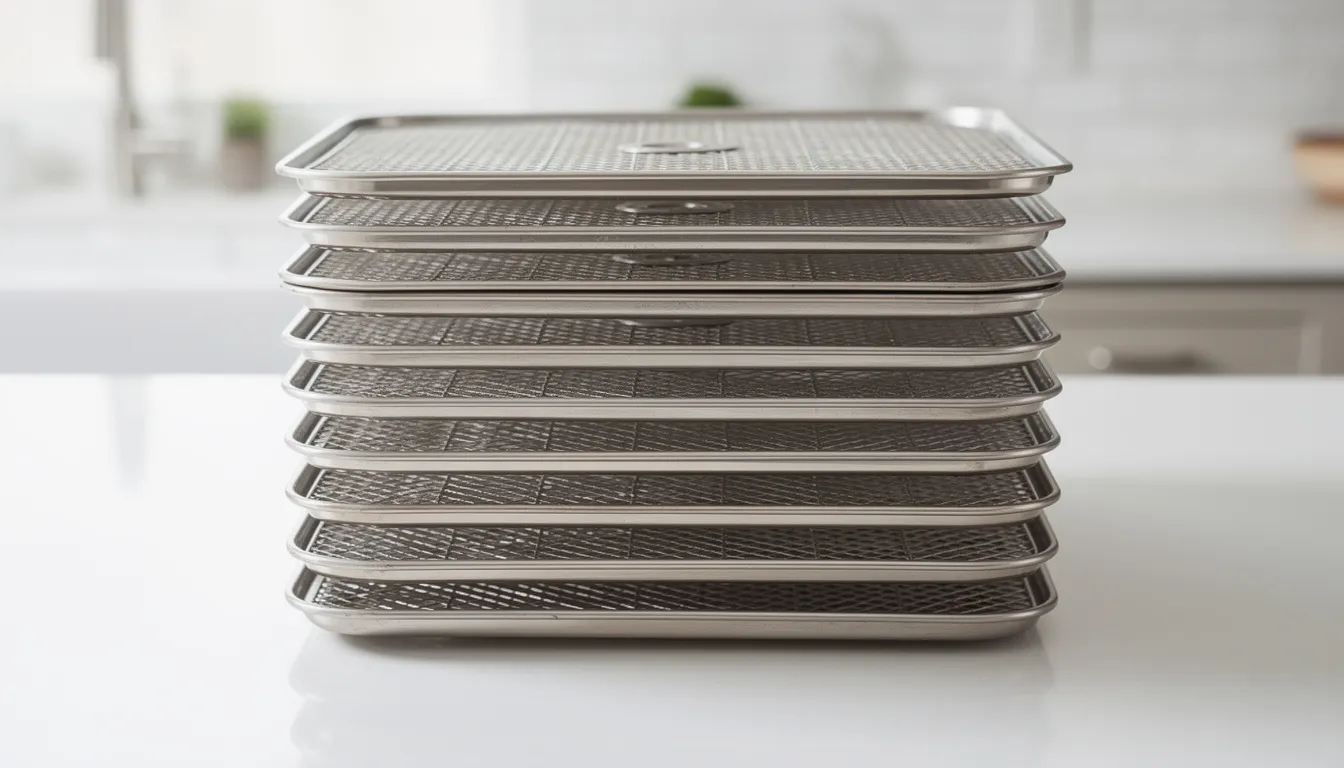
If you’re processing large harvests, running a small snack business, or making jerky in serious quantities, a standard home dehydrator won’t cut it. A 20 tray dehydrator delivers the large capacity and consistent performance that farmers, hunters, cottage food businesses, and dedicated homesteaders need to work efficiently.
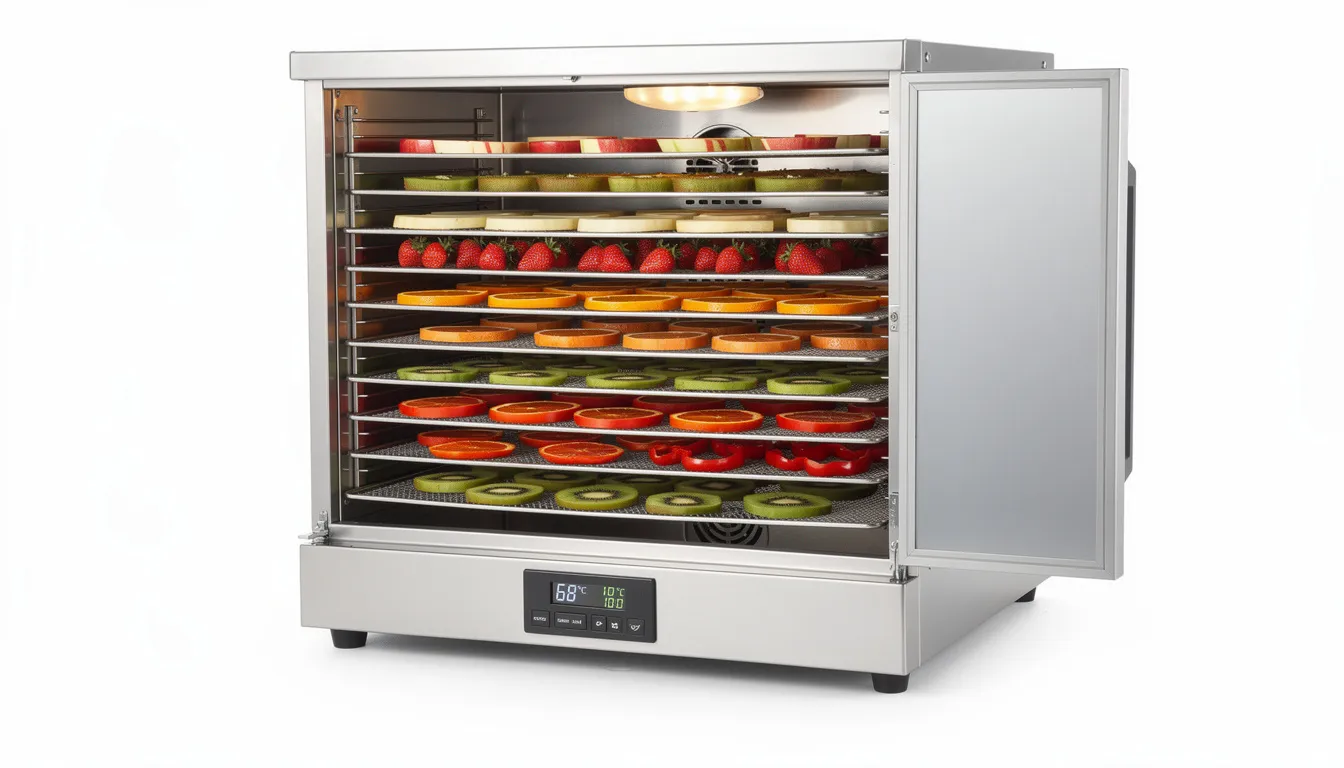
A 20 tray dehydrator is a commercial-grade machine designed to handle high-volume food drying in a single batch. This model is built for small businesses, farms, hunters processing seasonal game, and serious home users who have outgrown smaller 10 tray units.
20 stainless steel trays with food grade stainless steel construction throughout
Total drying area: approximately 30–35 square feet (3–5 square meters)
Heating element: 1500W high power system with efficient airflow
Temperature range: adjustable from 95°F up to 194°F (35°C–90°C)
Current price: typically around $1,400–$1,500, often discounted 25–35% from list price
Availability: in stock and ready to be shipped within 1–2 business days
Suitable applications: jerky, fruit, herbs, pet treats, and vegetables
Key Features of a 20 Tray Dehydrator
This section highlights the main technical and practical features that matter most when you choose a commercial-grade food dehydrator for your operation.
Stainless Steel Trays
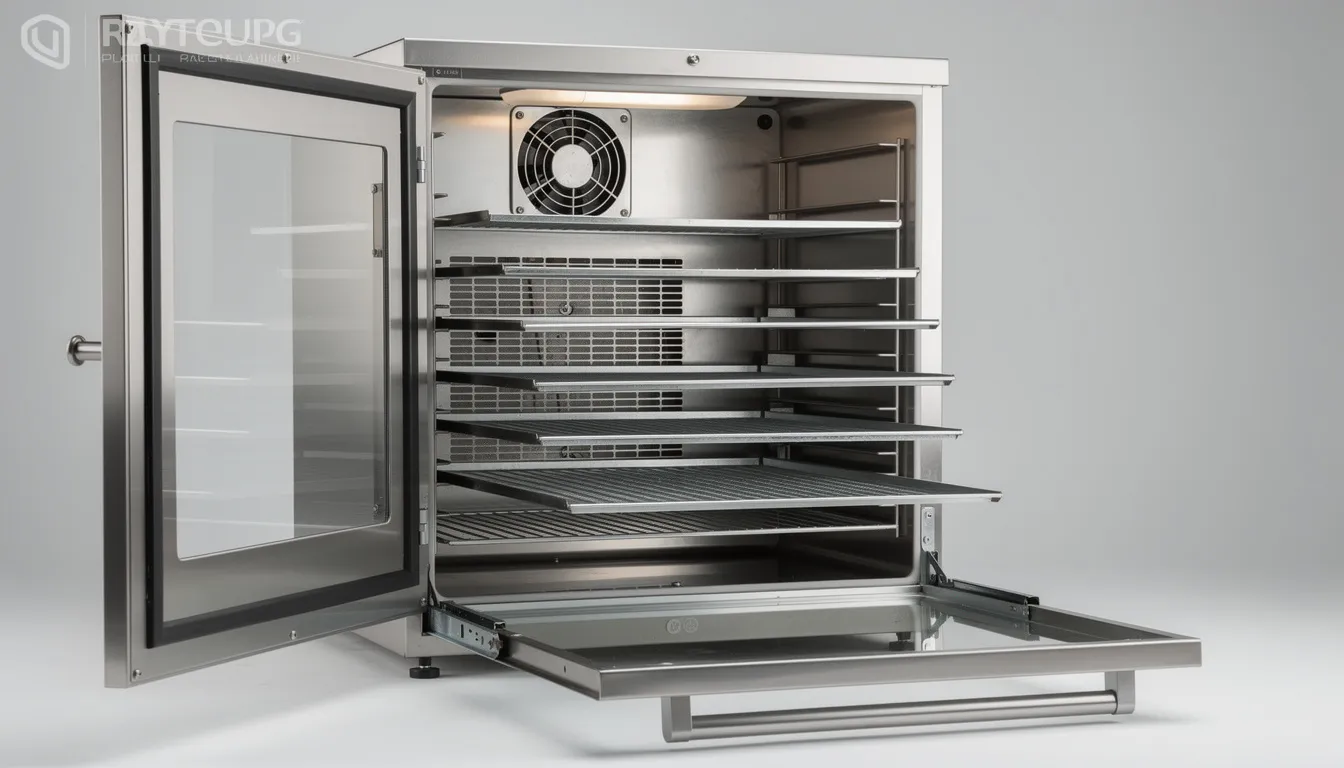
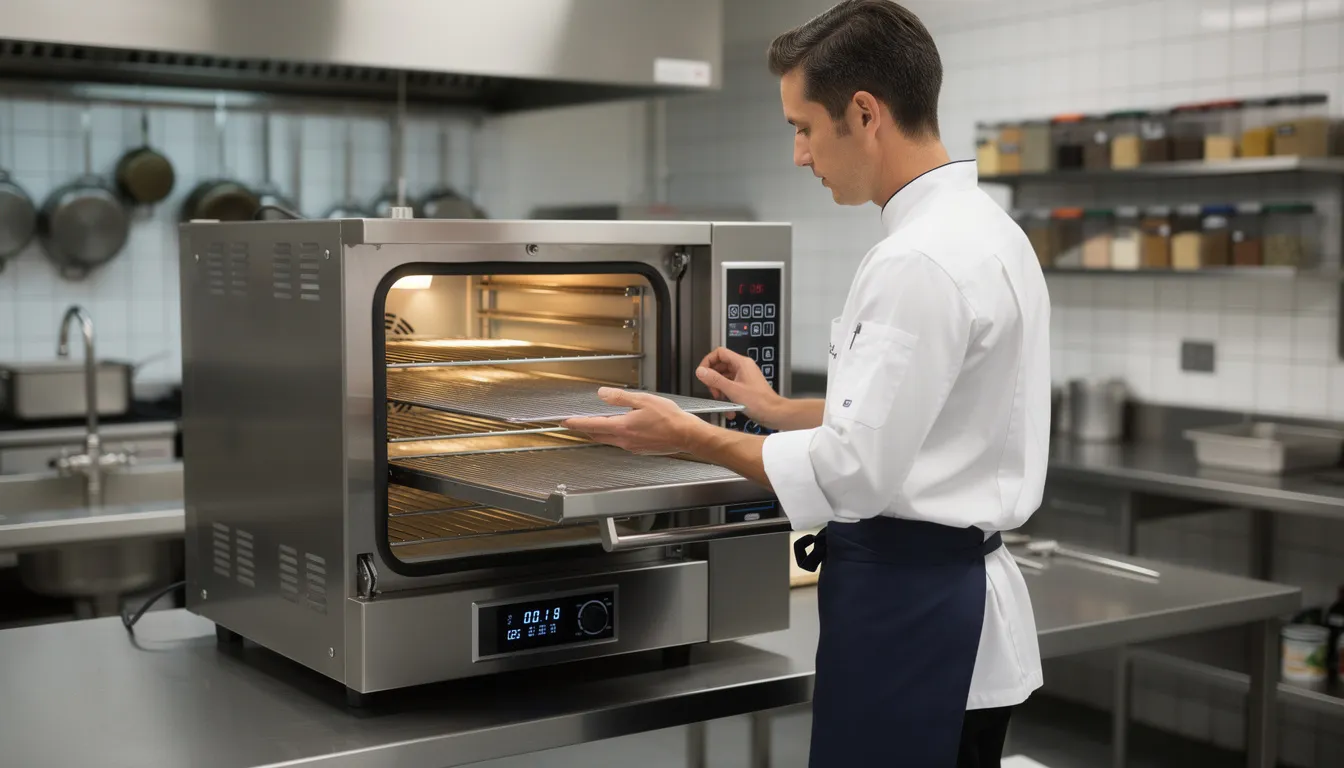
The 20 layers of trays are constructed from 304 food grade stainless steel, each measuring approximately 15” x 15” (or 400mm x 380mm in metric). The trays slide in and out with ease, making loading and unloading simple even when you’re working through large batches. Unlike plastic alternatives found in home units, these stainless steel trays won’t warp, absorb odors, or degrade over time.
Heating System
The machine is equipped with a 1500W–1600W heating element paired with a rear-mounted fan that creates horizontal airflow across all 20 trays. This 360° hot air circulation ensures even drying without the need to constantly rotate trays—a common frustration with cheaper stacked models. The high power system brings the unit up to temperature quickly and maintains consistent heat throughout long drying cycles.
Temperature Control
Digital controls allow you to adjust the temperature from roughly 95°F to 194°F (35°C–90°C). This wide temperature range makes the dehydrator suitable for delicate herbs at the lower end, fruit and vegetables in the mid-range, and jerky requiring higher temperatures for food safety. The electronic thermostat maintains accuracy within ±1–2°F, so you can set it and trust the results.
Timer Function
A digital timer with settings up to 24 or 48 hours lets you program the exact drying time for your batch. Auto shut-off provides safety and energy savings—you won’t accidentally run the unit all night after your food is already processed. This is a feature that users consistently mention in their feedback as essential for unattended operation.
Door Design
Depending on the model, you’ll find either a full stainless steel door or a clear tempered-glass/polycarbonate door with a tight seal. Many units include an internal LED light that lets you monitor progress without opening the door and releasing heat. The sturdy construction and proper seal ensure minimal heat loss and consistent drying conditions.
Construction Quality
The full cabinet is built from commercial-grade stainless steel with double-wall insulation. Every surface that contacts food is safe and easy to clean. Switches, handles, and hinges are designed for continuous use in a commercial kitchen or workshop environment. If you’re still exploring smaller options, looking at a review of a Weston 10 tray dehydrator can help you decide whether to start with a mid-sized unit or jump straight to 20 trays. This isn’t a machine you’ll need to replace after a season or two.
Noise and Ventilation
The fan operates at approximately 40–50 decibels—about the volume of a quiet conversation. Rear vents efficiently remove moisture from the drying chamber, and the unit is designed for continuous operation over many hours. You can run it in a home kitchen, garage, or back room without excessive noise disturbance.
Technical Specifications
Exact specifications can vary slightly by model and manufacturing date. Here are the typical specs for a commercial 20 tray dehydrator:
Exterior dimensions: approximately 30” H x 23” W x 20” D (or 820mm x 570mm x 465mm)
Weight: 80–100 lbs (36–45 kg), requiring a sturdy counter or dedicated stand
Tray count: 20 trays with approximately 1.2”–1.5” spacing between layers
Electrical requirements: 110–120V, 60Hz single-phase for North America
Power draw: 1500W–1600W; recommend a dedicated 15A or 20A circuit
Temperature range: minimum ~95°F (35°C) to maximum ~194°F (90°C)
Recommended settings: herbs below 115°F, fruit at 125–135°F, meat jerky at 160–170°F+
Interior and tray material: 304 tray stainless steel, BPA-free plastic on handles/knobs
Exterior housing: stainless steel or powder-coated steel depending on model
Certifications: ETL, CE, or similar listings for commercial kitchen compliance
Included accessories: drip tray, crumb tray, power cord (5–6 ft length), basic documentation
Warranty: typically 1 year on parts with free replacement for defects from purchase date
What Can You Dehydrate with 20 Trays?
A 20 tray dehydrator dramatically increases your batch size compared to standard 5–10 tray home units. Where a small machine might handle a few pounds of food, this unit can process 30–40 pounds of sliced product in a single run.
Meat and Jerky
Beef, venison, pork, and turkey jerky are the most popular products for this type of machine. With 20 trays, you can process several dozen pounds of sliced meat per batch. At approximately 70°C (160°F) for 6–12 hours, you’ll produce shelf-stable jerky with water activity low enough to inhibit bacterial growth when you follow safe jerky dehydrating temperature guidelines. Hunters processing seasonal game particularly benefit from this capacity.
Fruit
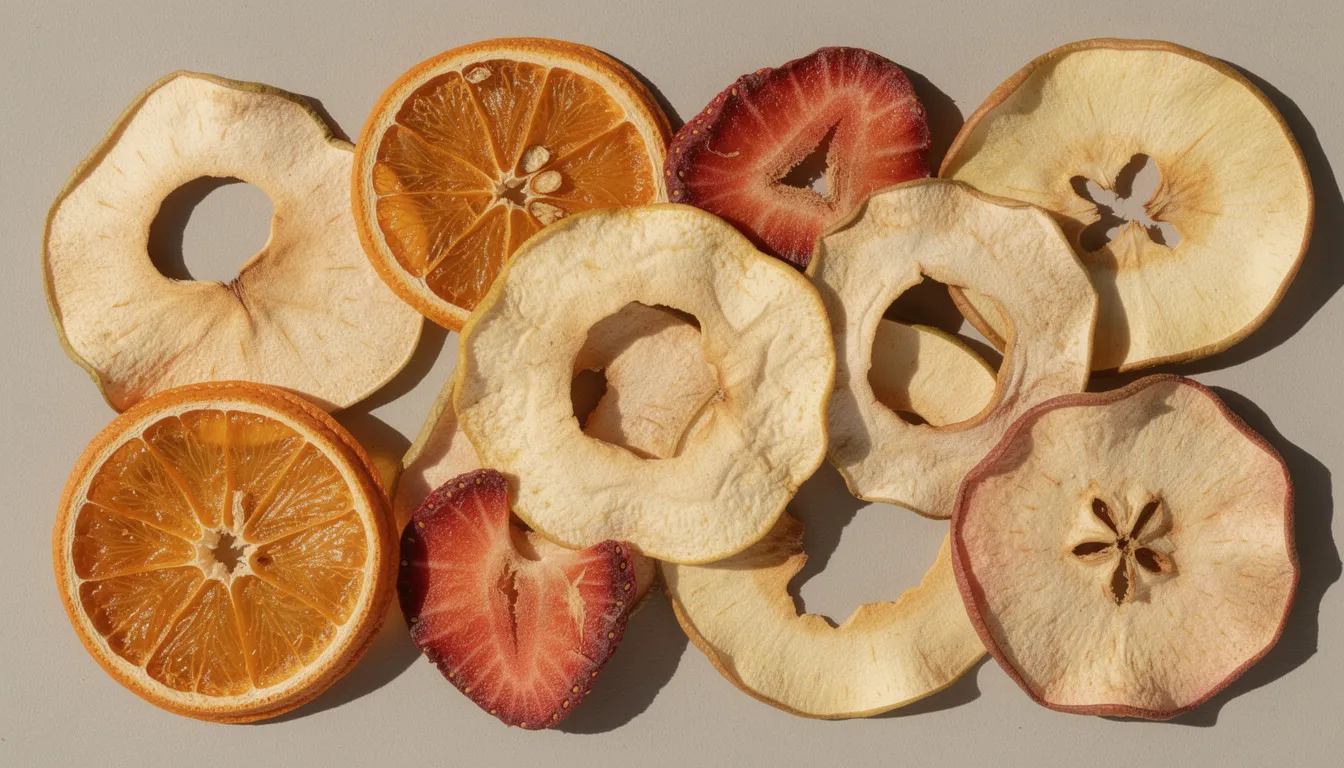
Apples, bananas, mango, pineapple, strawberries, and citrus slices all dehydrate beautifully. The key is cutting uniform slices for even results. If you’re unsure where to start, a comprehensive guide on what fruit you can dehydrate helps you plan mixed batches and flavor combinations. Dried fruit retains 80–90% of original antioxidants when processed at the right temperature—far better than store-bought alternatives. A single batch can produce enough snacks to stock a small shop for weeks.
Vegetables
Tomatoes, bell peppers, onions, garlic, carrots, and mushrooms are perfect candidates. You can create soup mixes, backpacking meals, or add dried vegetables to your products lineup, and the same techniques apply when you dehydrate fruit step-by-step in a food dehydrator. The variety of foods you can process makes this machine versatile for any seasonal harvest.
Herbs and Spices
Basil, oregano, rosemary, parsley, and chili peppers require lower temperatures (around 95–115°F or 35–45°C) to preserve volatile oils and color. A 4–6 hour cycle at these gentle settings produces herbs that taste like they were just picked.
Specialty Products
Beyond the basics, you can make raw crackers, fruit leathers (using solid trays), dog and cat treats, sprouted seeds, and even yogurt cultures at controlled low temperatures. The possibilities expand based on your creativity and market.
Why move up from a smaller machine? The jump to a 20 tray unit makes sense when capacity becomes your bottleneck or when you’re ready to scale your operation.
Massive Capacity
The large capacity lets you dry entire harvests, process bulk jerky runs, or prepare stock for a small business in fewer batches. Instead of running your home unit four or five times, you complete the work in one cycle. This is a game-changer during peak harvest season or when preparing for a busy market date.
Time and Energy Efficiency
One large, well-insulated machine operates more efficiently than running multiple small dehydrators throughout the day. The commercial-grade insulation and higher-output heating element mean less energy wasted per pound of dried product. If you’re comparing this to even larger processing setups, a guide to choosing the best industrial food dehydrator can help you understand where a 20 tray unit fits in your overall production plan. You save both time and electricity costs over the life of the unit.
Consistency
Commercial-grade airflow systems and accurate digital thermostats deliver even drying across all 20 layers. You won’t find wet spots in the middle or over-dried edges that are common with lesser machines. Reduced tray rotation means less hands-on work and more predictable results.
Food Quality
Gentle, controlled drying preserves color, nutrients, and taste better than high-heat ovens or makeshift setups. Your dried fruit will maintain its vibrant appearance, your jerky will have the perfect texture, and your herbs will retain the essential oils that provide flavor and aroma.
Cost Savings
Buying produce or meat in bulk, reducing food waste by preserving surplus harvests, and creating higher-margin dried products all contribute to ROI. Many users report that their dehydrator pays for itself within the first year through professional services or direct sales.
Scalability
A 20 tray dehydrator supports side hustles and small businesses with enough capacity for farmers markets, online orders, and local retail. You won’t outgrow this machine quickly, making it a smart investment for growing operations.
Reliability and Longevity
Stainless steel construction and commercial components simply outlast typical plastic home units. With proper care, expect many years of reliable service—far beyond the one-year warranty period.
How to Choose the Right 20 Tray Dehydrator
Not all 20 tray dehydrators are built the same. If your primary goal is jerky, it’s also worth reviewing a detailed guide to the best food dehydrators for jerky to compare specialized features. Before you add one to your cart and place an order, evaluate several key factors to ensure you’re getting the right item for your needs.
Capacity vs. Footprint
Measure your counter or floor space carefully. Check door swing clearance and ensure you have adequate ventilation around the unit. A machine that’s too large for your space becomes a constant frustration.
Temperature Accuracy and Range
Choose models with digital thermostats, wide temperature ranges, and documented calibration accuracy. This matters for both raw food applications (lower temps) and safe jerky production (higher temps). Don’t make the mistake of buying a unit that can’t hit the different temperatures your products require.
Airflow Design
Rear-mounted or horizontal airflow fans distribute heat evenly across all trays. This design outperforms bottom-up airflow found in cheaper stackable units, where the upper trays often dry slower than lower ones.
Cleaning and Maintenance
Look for removable trays, smooth interior walls, and accessible fan filters. Cleaning after every batch is essential, so easy-access design saves significant time over the machine’s life.
Noise and Location
Commercial fans make some noise. Consider where the unit will sit—a home kitchen, garage, or dedicated back room. At 40–50 decibels, it’s not disruptive, but you’ll notice it in a quiet space.
Budget and Operating Costs
Cheaper light-duty stainless units exist, but heavier commercial models provide better insulation and durability. Factor in electricity usage: at 1500W, expect roughly 1.5 kWh per hour of operation. Calculate whether the price point fits your budget and expected volume.
Support and Warranty
Check warranty length (typically 1–2 years) and manufacturer availability for replacement trays, door gaskets, and spare parts. A warranty from a seller or manufacturer who won’t respond to issues is worthless.
Operating a 20 Tray Dehydrator: Best Practices
Proper loading and settings will maximize yield, quality, and machine life. These guidelines help you get the most from your investment.
Loading Guidelines
Place food in single layers with small gaps between pieces
Avoid overlapping, which blocks airflow and creates uneven drying
Don’t overload trays—leave space for air circulation
Position thicker pieces toward the center where airflow is strongest
Temperature and Time Tips
Food Type
Temperature Range
Approximate Time
Herbs
95–115°F (35–45°C)
4–6 hours
Fruit
125–135°F (50–57°C)
8–12 hours
Vegetables
125–135°F (50–57°C)
6–10 hours
Jerky
160–170°F (70–75°C)
6–12 hours
Rotating and Checking
With good horizontal airflow, rotation is minimal or optional. However, checking progress every 2–3 hours helps you avoid over-drying. Read the food’s texture and adjust the timer accordingly.
Food Safety
Proper meat handling is non-negotiable. Pre-treat jerky to safe internal temperatures before drying, and use reliable recipes from government guidelines. The USDA recommends heating meat to 160°F internally before or during the dehydration process.
Batch Planning
Group foods with similar drying times and aromas. Onions and garlic will transfer their scent to fruit dried in the same batch—keep them separate. Plan your batches to work efficiently through your harvest.
Energy Use
Fully load the machine when possible to maximize efficiency. If electricity rates vary by time of day, run extended cycles during off-peak hours. A well-planned batch uses energy more efficiently than multiple partial loads.
Keep a Log
Track times, temperatures, and results in a simple notebook or spreadsheet. This data helps you dial in perfect settings for future batches and troubleshoot any issues that arise.
Cleaning and Maintenance
Regular cleaning keeps your dehydrator efficient, hygienic, and long-lasting. A few minutes after each batch prevents problems down the road, especially when you follow step-by-step instructions on how to clean a food dehydrator so residue doesn’t build up on trays, fans, and walls.
Daily or Per-Batch Cleaning
Remove all trays once the unit has cooled
Wash trays with warm soapy water (they’re dishwasher-safe in most cases)
Wipe down interior surfaces with a damp cloth
Clean the door seal and glass if applicable
Empty and wash the drip tray
Deep Cleaning Schedule
Every few weeks or after heavy use, perform a thorough cleaning:
Remove and clean fan guards
Inspect door gaskets for debris or wear
Check vents for dust buildup that could reduce airflow
Wipe the exterior housing
Material-Safe Cleaners
Use non-abrasive cleaners suitable for stainless steel. Avoid harsh chemicals that might corrode surfaces or leave odors that transfer to food. A vinegar-water solution works well for stubborn residue.
Inspection
Routinely check the power cord, switches, and tray supports for wear or damage. Tighten loose screws if necessary. Catching small issues early prevents bigger problems later.
Storage
If the unit isn’t used daily, cover it to keep out dust and moisture. Ensure the machine is completely dry before covering to prevent mold or mildew in the cabinet.
Following the manufacturer’s maintenance guidelines preserves your warranty and maximizes service life. Most issues found in user feedback stem from neglected maintenance rather than manufacturing defects.
Pricing, Accessories, and Availability
Prices can change with promotions and seasonal sales, but here’s what you can realistically expect for a quality 20 tray dehydrator.
Price Range
Typical MSRP: around $2,000
Common sale price: $1,350–$1,500
Savings: customers often save 25–35% during promotions
Compare similar products before purchasing to ensure you’re getting competitive value.
Common Accessories
Extra stainless steel trays for expanded capacity
Non-stick mesh screens for small items like herbs or berries
Solid trays for fruit leathers and wet preparations
Replacement door gaskets
Drip trays and crumb trays
Optional Add-Ons
Digital probe thermometers for internal temperature monitoring
Jerky guns for consistent meat strip sizing
Rack extenders for taller items
Additional accessories vary by manufacturer and model
Shipping
In-stock units typically ship within 1–3 business days via ground freight. Most orders include tracking and basic curbside delivery. Some sellers in California, the Netherlands, and other regions may have regional distribution for faster shipping.
Warranty Coverage
Most commercial dehydrators include a 1-year limited warranty on parts and labor. Some manufacturers offer extended coverage options. Check the specific terms from your seller before purchasing, and keep your order confirmation and purchase date on file.
We encourage you to check the latest price and stock status on the product page, as promotions and inventory change throughout the year. Don’t cancel your order without verifying current deals.
Frequently Asked Questions About 20 Tray Dehydrators
This section quickly addresses the most common questions new buyers have about these machines.
How much food fits in a 20 tray dehydrator?
Depending on the food type and slice thickness, expect to process 30–40 pounds of sliced meat or similar quantities of fruit and vegetables per batch. Each tray holds approximately 1.5–2 pounds of wet food.
Can I run it on a standard household outlet?
Yes, units designed for 110–120V operation work on standard North American outlets. However, we recommend a dedicated 15A or 20A circuit to handle the 1500W+ power draw without tripping breakers.
How loud is the fan?
Expect sound levels around 40–50 decibels—comparable to a kitchen exhaust fan or quiet conversation. It’s noticeable but not disruptive for most users.
Where can I place the dehydrator?
The unit works in a home kitchen, basement, or garage with adequate ventilation. Ensure sufficient clearance around vents and avoid enclosed spaces without airflow.
Can I dry different foods at the same time?
Yes, if they share similar temperature and time requirements. However, avoid mixing strongly scented foods (onions, garlic) with mild ones (fruit) to prevent flavor transfer.
Do I need to rotate the trays?
With good horizontal airflow, rotation is minimal or optional. You may still rotate once during long cycles if you want absolute uniformity, but it’s not required with quality machines.
How long will the dehydrator last?
With regular cleaning and proper use, a stainless steel 20 tray dehydrator can last many years in home or light commercial settings. The all-metal construction outlasts plastic alternatives by a significant margin.
A 20 tray dehydrator transforms how you process food at scale. Whether you’re building a small business, preserving your farm’s harvest, or simply want the capacity to make jerky for the entire season in one weekend, this machine delivers the performance you need.
Ready to upgrade your drying capacity? Check current pricing and stock status to get started, and feel free to reach out with questions before placing your order.
DannyContent Writer
Hey there, since 2016, my mission has been to provide you with the information and guides you need to make food dehydrating simple and fun. Whether you're a newbie or a seasoned pro, my site offers helpful guides, reviews, and recipes to enhance your dehydrating experience. I take pride in only recommending products I believe in, ensuring my readers' trust. As an affiliate of various programs, including Amazon Associates, your support helps me continue providing quality content. Thanks for stopping by, and happy dehydrating!